
A Coign of Vantage
A “coign” is a jutting-out corner or high point that gives you an excellent view of whatever you are trying to see. I was trying to see…what? A different world, graceful and mysterious, exquisitely colored and lit.
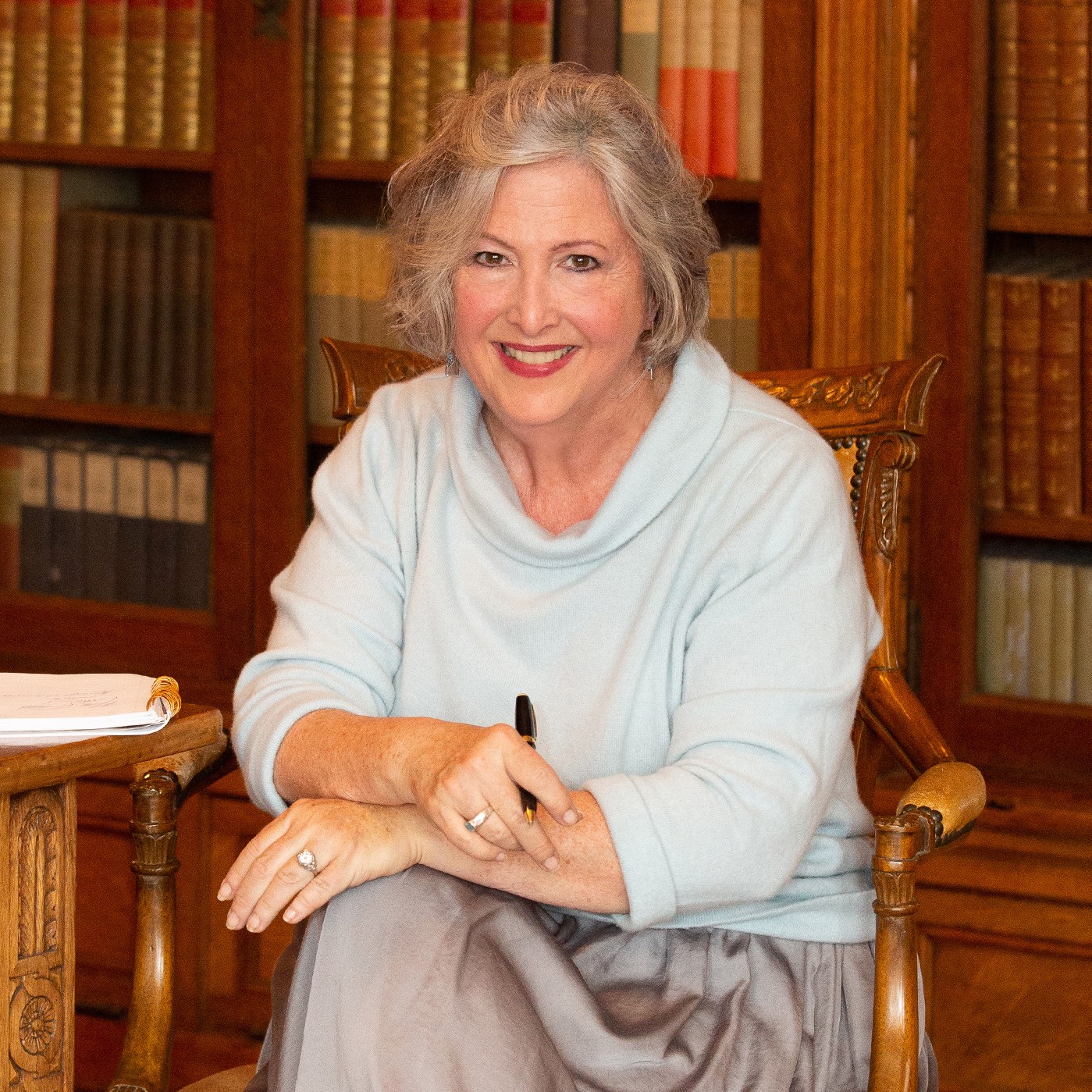
A member of the St. Louis Media Hall of Fame, Jeannette Cooperman was the staff writer at St. Louis Magazine for twelve years. Her work was cited as Notable in Best American Essays 2021 and Best American Essays 2023; she received the Writer of the Year award at the 2019 City & Regional Magazine Awards; and she was named to the 2017 FOLIO: 100 list of “the best and brightest” in the magazine industry nationwide. Cooperman spent a decade doing investigative reporting for Riverfront Times, where her work was recognized by the National Education Writers Association, the National Mental Health Association, the National Black Journalists Association, the National Gay and Lesbian Journalism Association, and the Society of Environmental Journalists. She holds degrees in philosophy and communication and a Ph.D. in American studies, and she has written eight books—seven nonfiction, biography or cultural history, and a murder mystery. She and her husband, a historian, live with Willie, a goofy but sweet standard poodle, in a century-old farmhouse in Waterloo, Illinois.
A “coign” is a jutting-out corner or high point that gives you an excellent view of whatever you are trying to see. I was trying to see…what? A different world, graceful and mysterious, exquisitely colored and lit.

The virus has latched on to receptors on the cells lining my respiratory tract, and it clings there, reproducing rapidly. I know this because my throat feels scorched, and though I continue bravely on with my day, it is punctuated by violent sneezes that explode without warning.

“Yeah, no” is managing the social interaction, not just the literal meaning. If somebody offers advice and you respond with a flat “No,” that sounds a bit ungrateful, even surly.
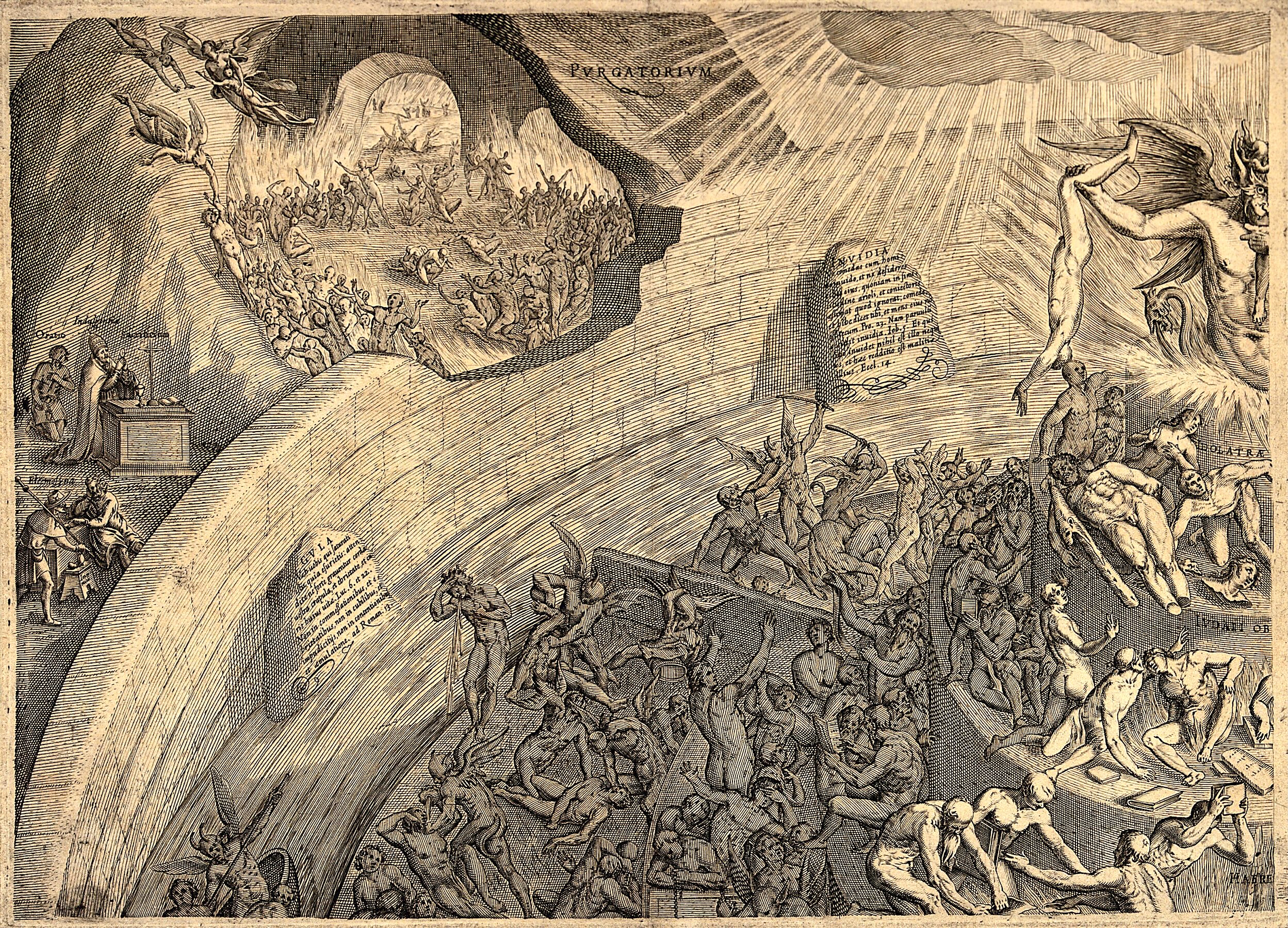
At twelve, I read that in Purgatory, souls were purified with a cleansing fire, removing small sins, whisking away tiny bits of filth, mending any cracks. My father had to be made ready to enter the presence of God.

Self-talk, the practice is called, and after decades of research, shrinks now admit it can be quite healthy. We learn to speak, after all, by jabbering away in our crib, speaking to no one in particular, catching the rhythm and intonation before we have the vocabulary.

We want to live in a world of our own choosing, want this so badly it hurts. So we take revenge on that secret desire by tagging our yearnings “nostalgia” or “romanticism.” But often we are taking our own wistfulness too literally.

Pay attention here, because you are about to lose your soul. What you are told, from this point forward, will largely depend on what someone who hopes to profit from you has decided you want to hear.

Can this controversial, privately funded $850 million center—dismissed by many as a vanity project, architectural folly, and dangerous precedent—really shore up democracy?

What I love are the ways the show has succeeded. Not because it is storybook happy, but because the audience response proves we are better than I thought we were. We hunger to hear a coach or boss tell us winning isn’t everything. We thirst for integrity and principle, forgiveness and kindness.

If the amateur philosopher remains undaunted, someone might say brusquely, “Ma titfalsafi,” do not philosophize. Or, sarcastically, “Yo faylasuf”: You are a philosopher. Again, not meant as a compliment.
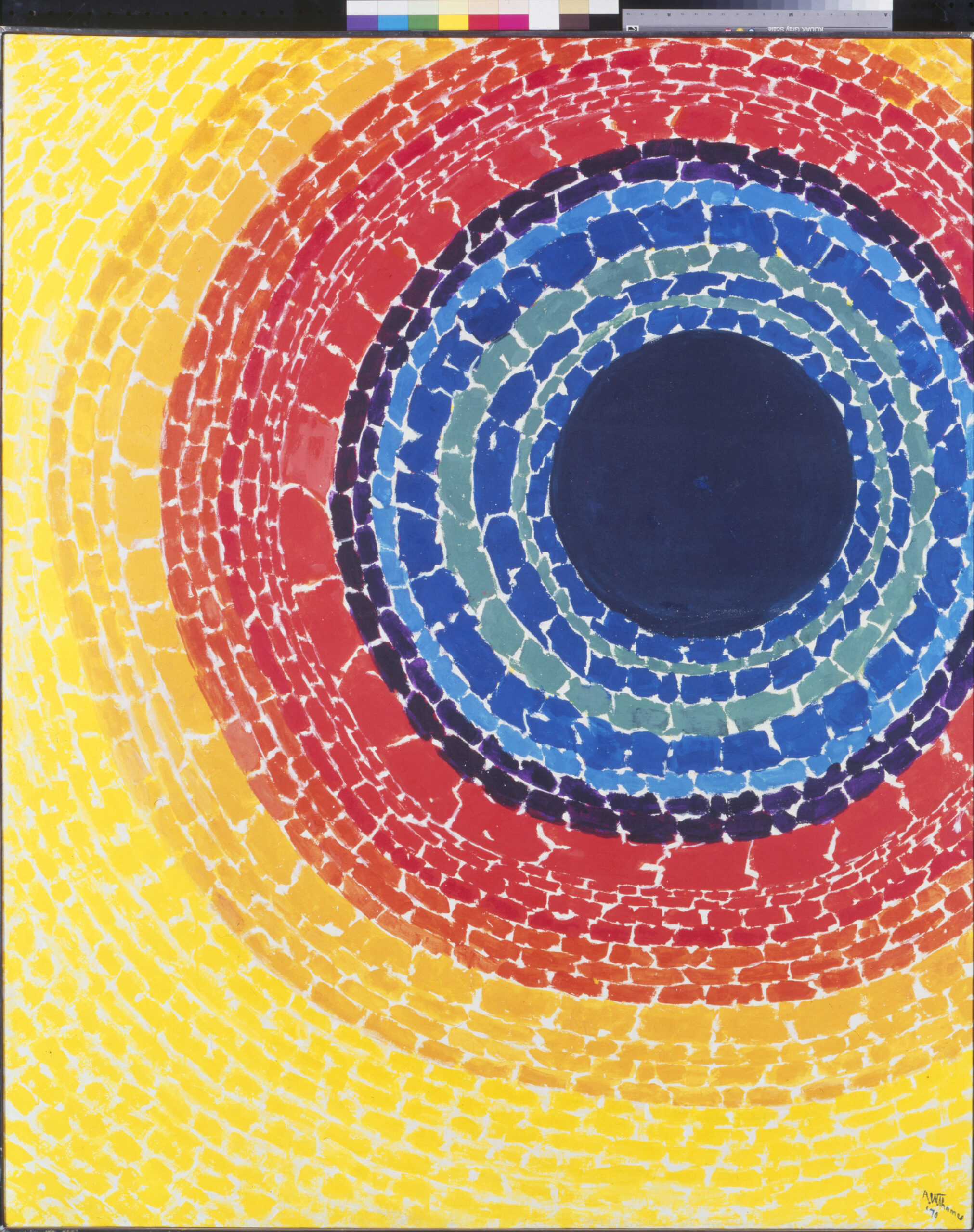
He had me at the name. Richard J. Powell has written a gorgeous book about Black artists and their use of color, and every page leaps up at you, jolting you into attention.

After the most gruesome, tough assignments...I went shopping.