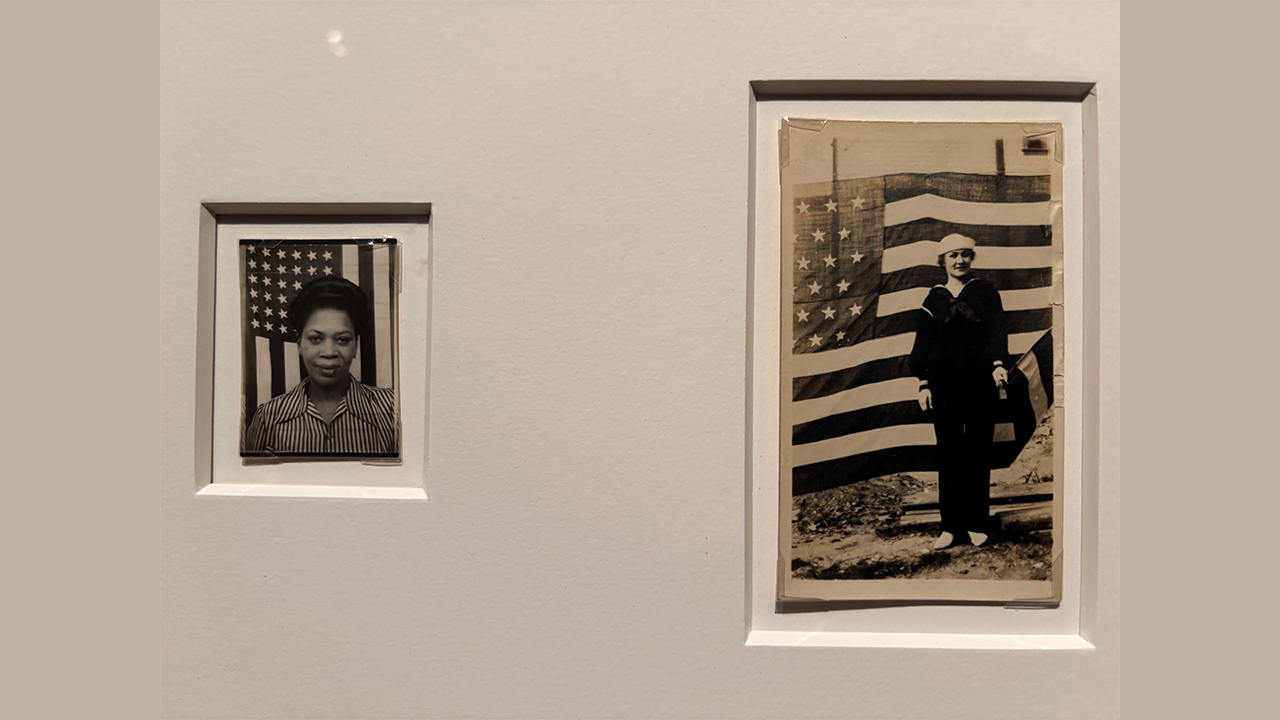
Untitled Pictures in an Exhibition
The untitled photograph is not merely a breach between memory and hope, but rather an invitation to inhabit that breach from a distance.
The untitled photograph is not merely a breach between memory and hope, but rather an invitation to inhabit that breach from a distance.
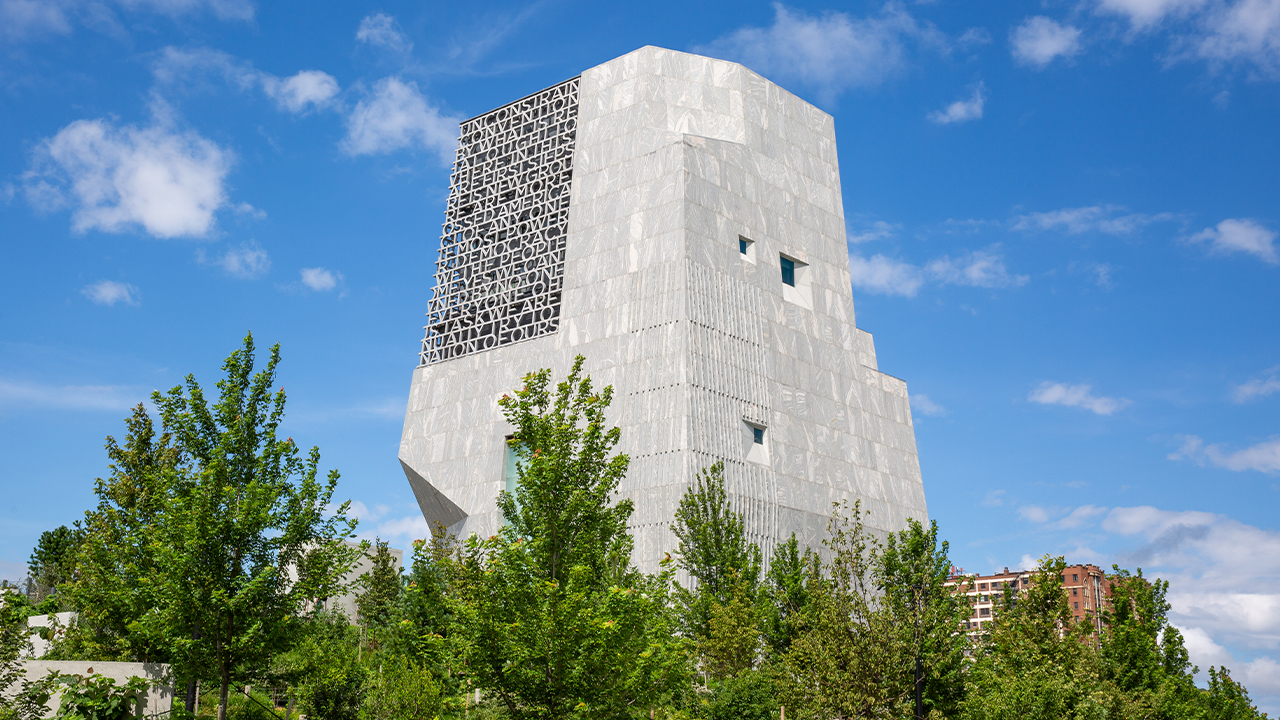
Can this controversial, privately funded $850 million center—dismissed by many as a vanity project, architectural folly, and dangerous precedent—really shore up democracy?
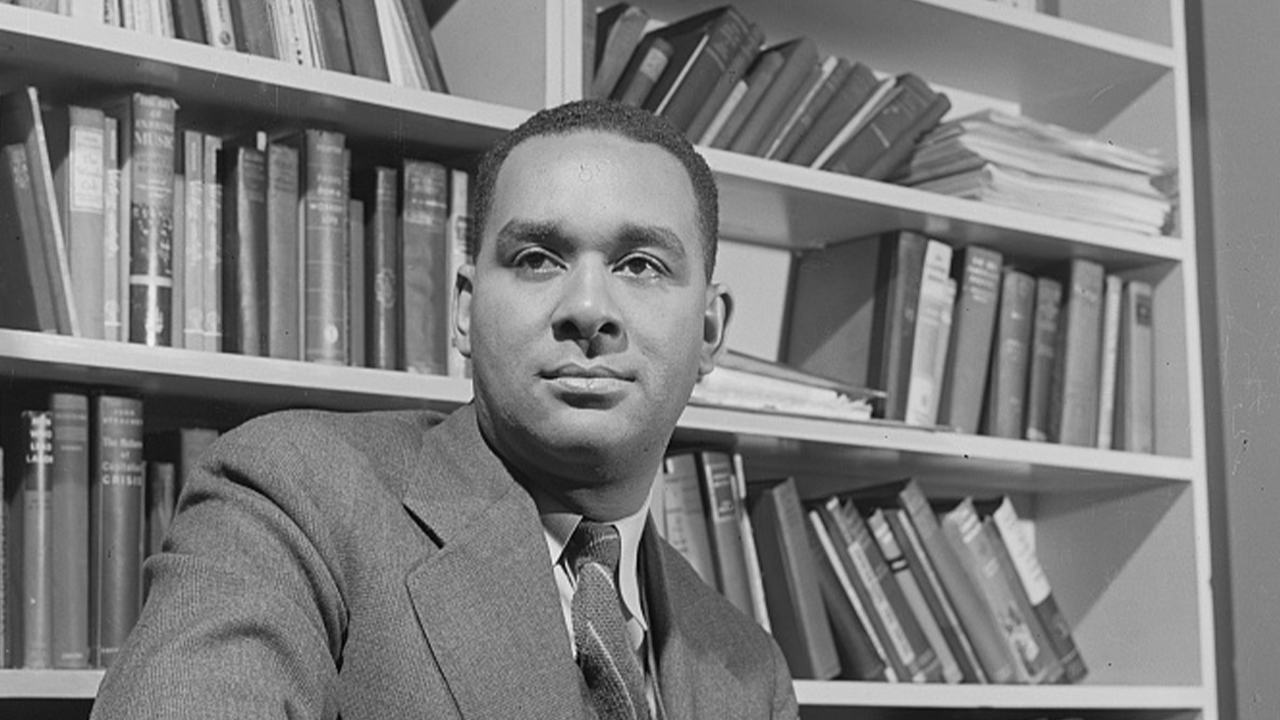
Richard Wright has in common with Thomas Hardy that the plots in his fiction are sometimes intricate to the point of distraction, and the events he depicts are often sensational, sometimes to a fault. His novels published after “Native Son” have much to recommend them. Still, “Native Son” and “Black Boy” stand as his most enduring achievements. They capture the isolation from mainstream society that is the reality of many young Black people, in the time of Wright’s youth and in our time.

My mother would have said, “He’s a mess,” but Leon had a punk attitude, loved performative wildness, and was hugely capable. Is it a surprise what came next?
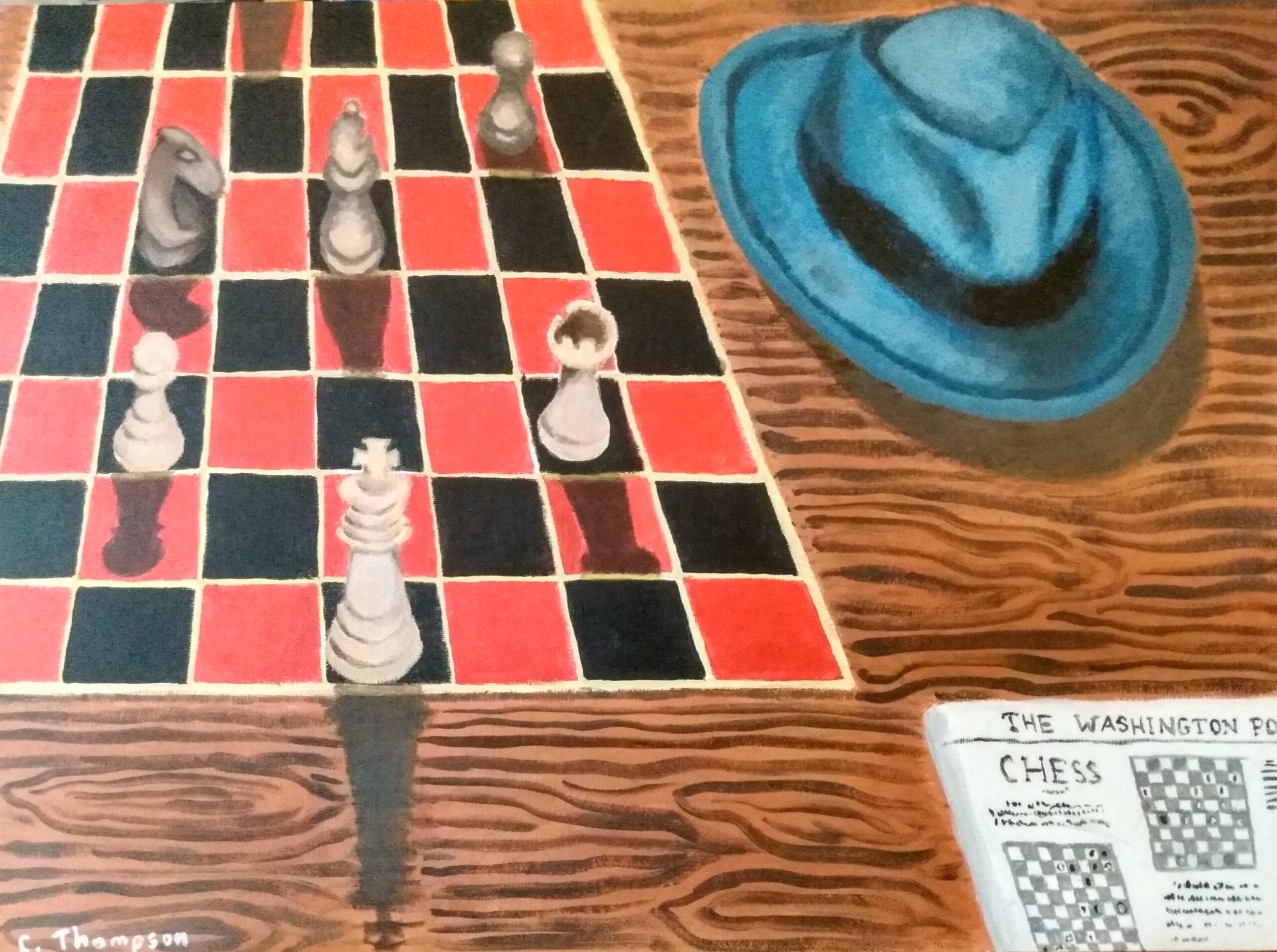
To become good at chess is to master skills that would allow one to succeed in a perfect world. And to lose sight of that world, to forget to dream of how things could be, is to lose a great deal, even if it is in this world that we will always be mired.
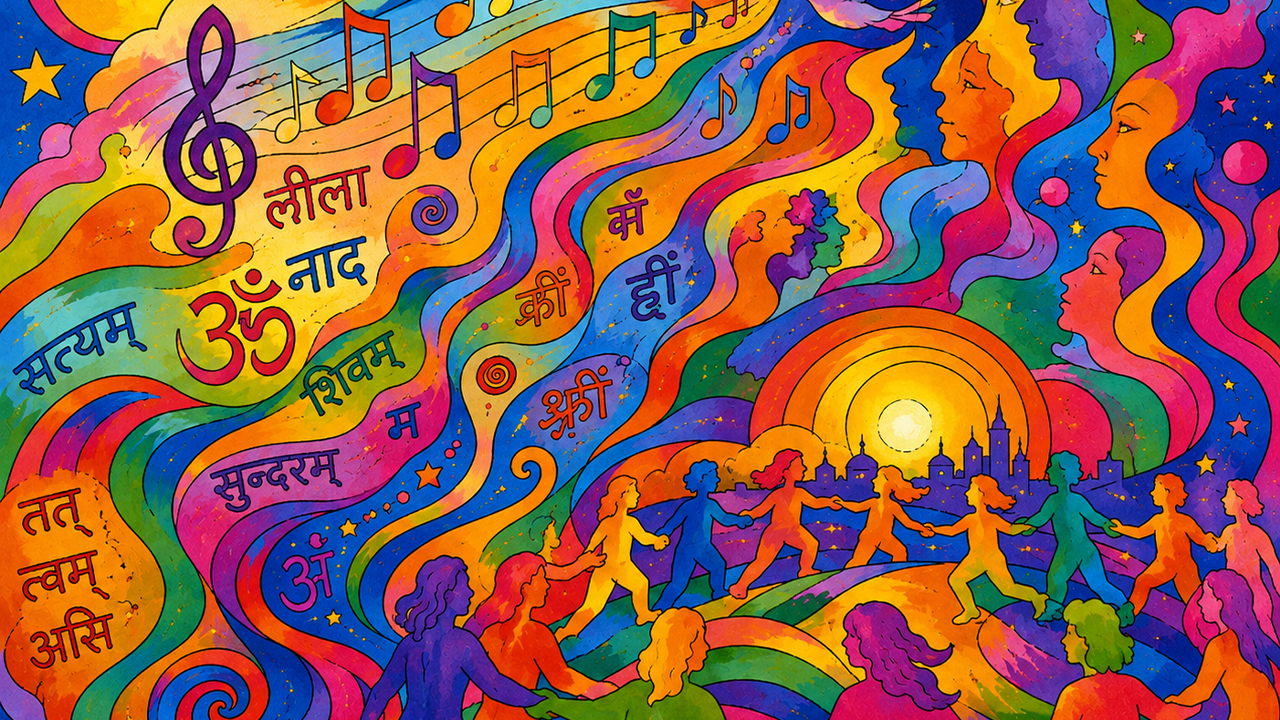
Defending a liberal arts education is equivalent to celebrating līlā/ play. Enabling and encouraging līlā is more than just desirable, it is necessary. My thesis is thus līlā/ play is the intellectual disposition that enables epistemic humility, which in turn is the central goal of a liberal arts education.
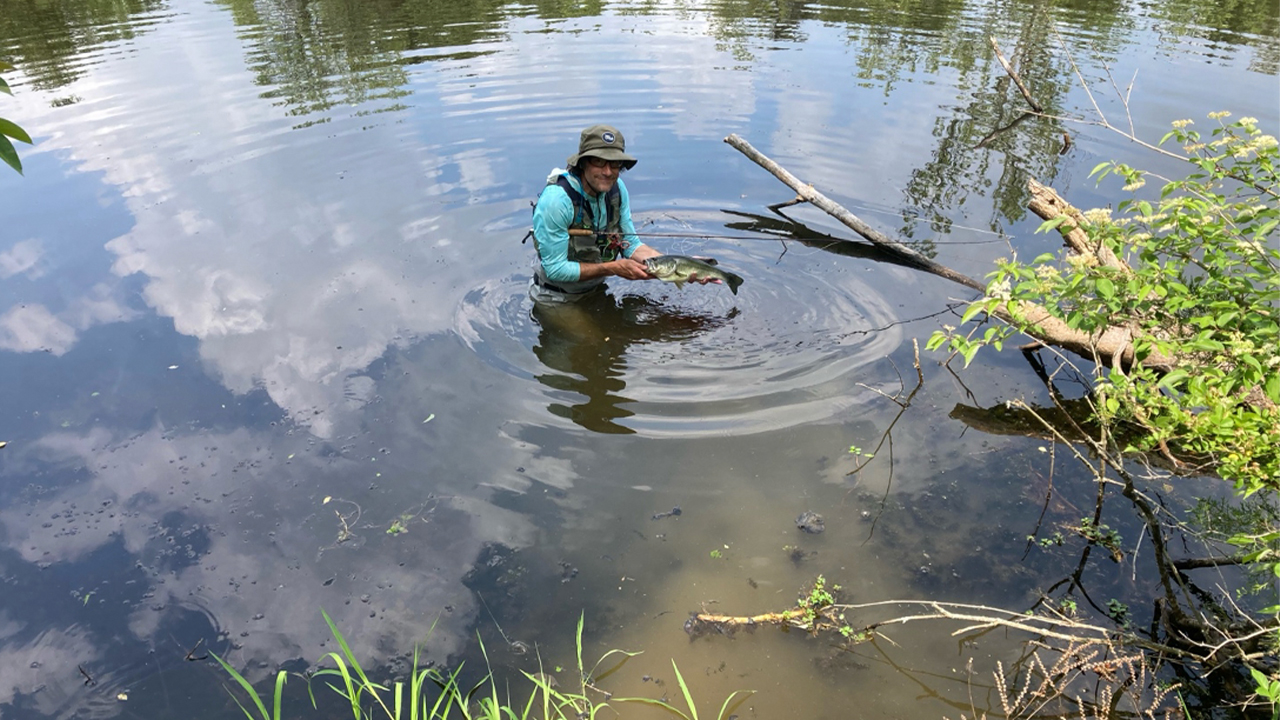
The game here took place on several dimensions. It was, on one hand, a game with time—in the right place at the right moment—and on the other, with fish and bugs, in that moment. Once every seventeen years, maybe this might happen. But it has also become a game with memory, and with writing—and now, with technology.
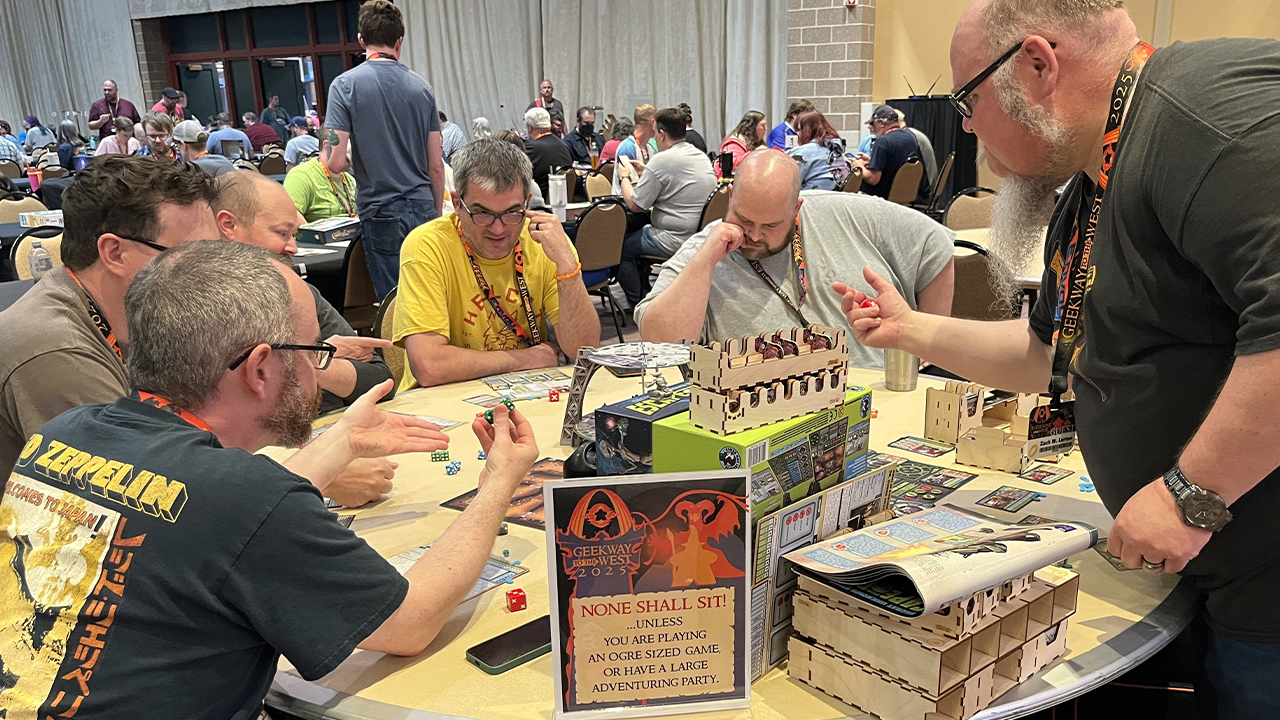
Like comic books and animation, board games became more artful, more expensive, more interesting to adults. For millennia, games had been folk culture, passed down for generations, the play communal. Now they are a craft, sometimes even an art, designed and authored, often with a deliberately niche appeal.
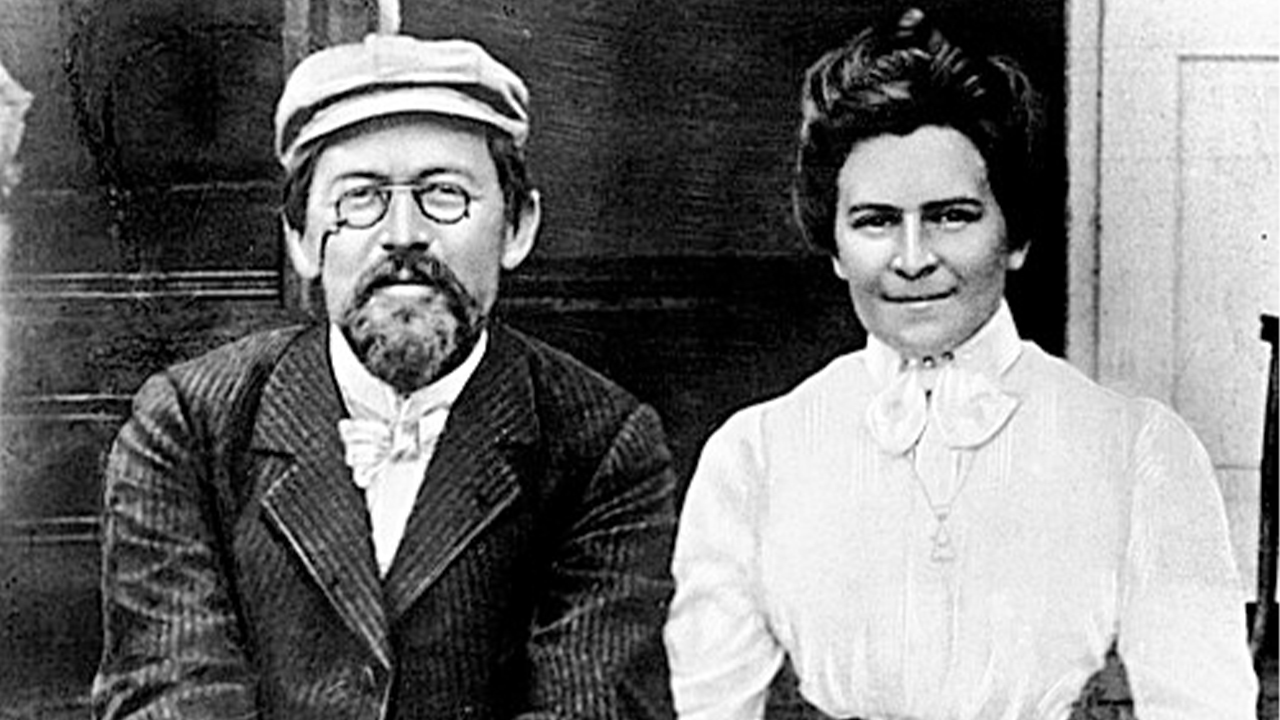
What to call this Anton Chekhov, whom I first encountered in 1988? The Master, perhaps—of vision, decency, modesty, and industry, and, one might hope, in the old game of love.
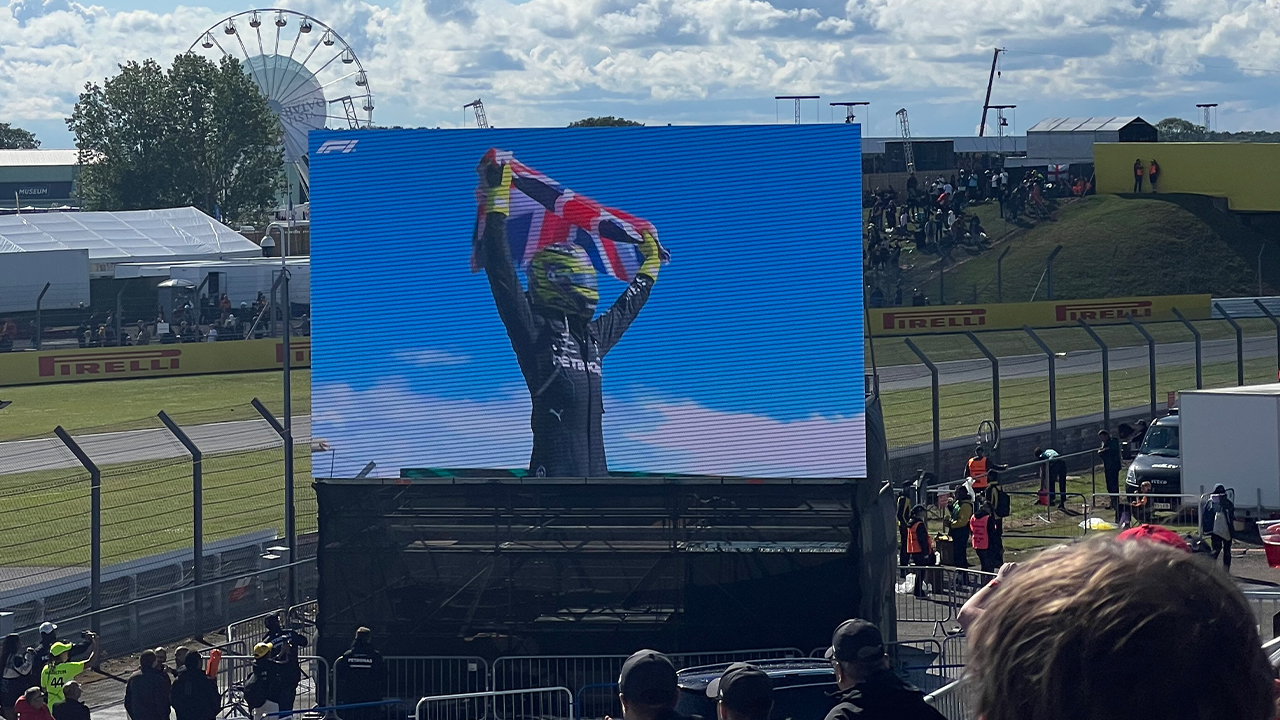
In the process of traveling with my youngest daughter to five races, I learned that my crude assumptions about the nature of Formula 1 drivers were wrong and that my daughter was an F1 authority to be reckoned with.