The Making of a Black Role Model
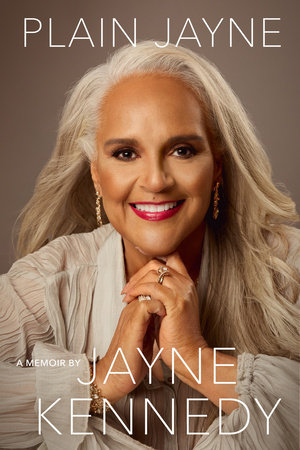
I am the same age as Jayne Kennedy, and her memoir does a wonderful job of recreating how exciting a time it was if—to paraphrase singer and pianist Nina Simone—one were young, ambitious, and Black.
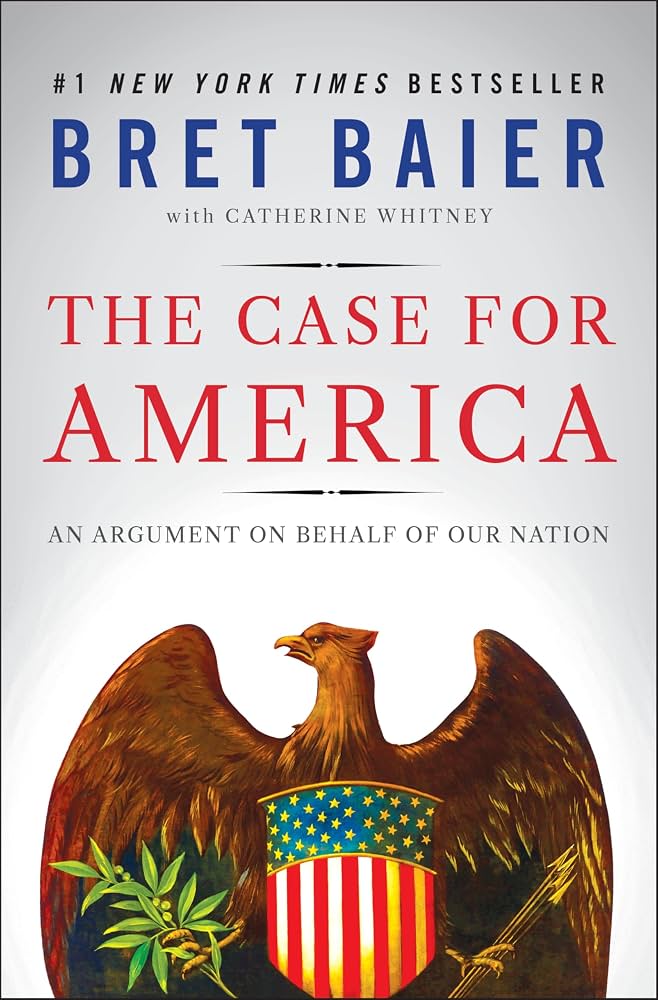
Fox News Channel’s political anchor Bret Baier’s new book, “The Case for America,” is just in time for the 250th anniversary season. It feels a bit hasty in its composition, which gives a reader the sense that it was a book aimed at a ready market: people who want a book that is positive about the United States at this particularly divisive juncture, when many think the country is on the verge of its third political divorce.
Other books examine the same subject, though none are quite the same sort of synthesis this book is, a massive history that reads a bit like a massive novel. Indeed, as the accumulation of detailed narrative mounts, the reader finds it more unreal and unfocused, as if, as George Orwell said, in Asia, the closer and more finely tuned the view, the vaguer it gets.
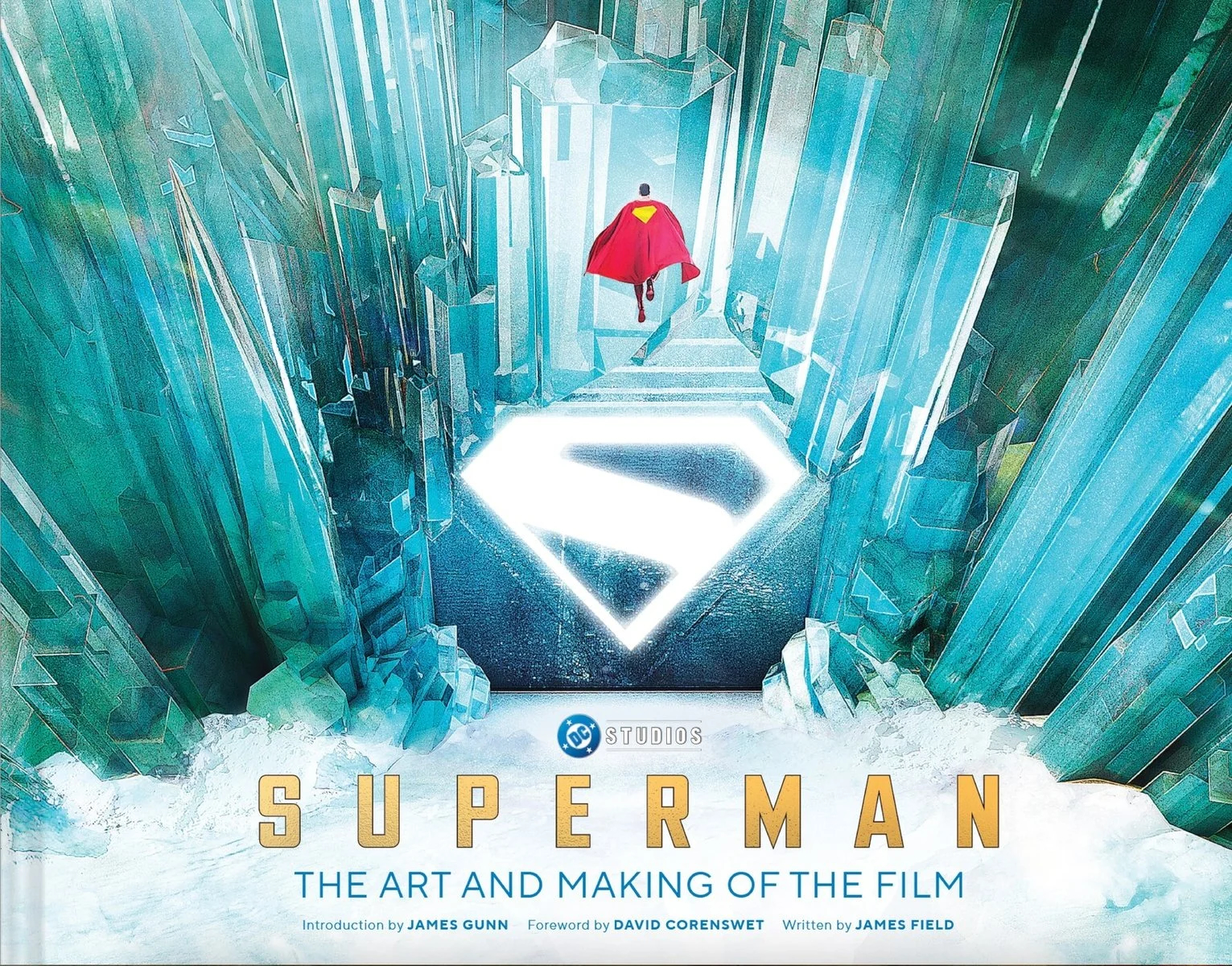
It can be argued that Superman is a fascist symbol, or that he is a reworking of Jesus Christ or the American tall-tale hero, that he embodies the myth of the American Century, the Age of the American, or that he symbolizes the hegemony of American overreach and dominance. He is the quintessential American and the ugly American in the world of the right and the left.
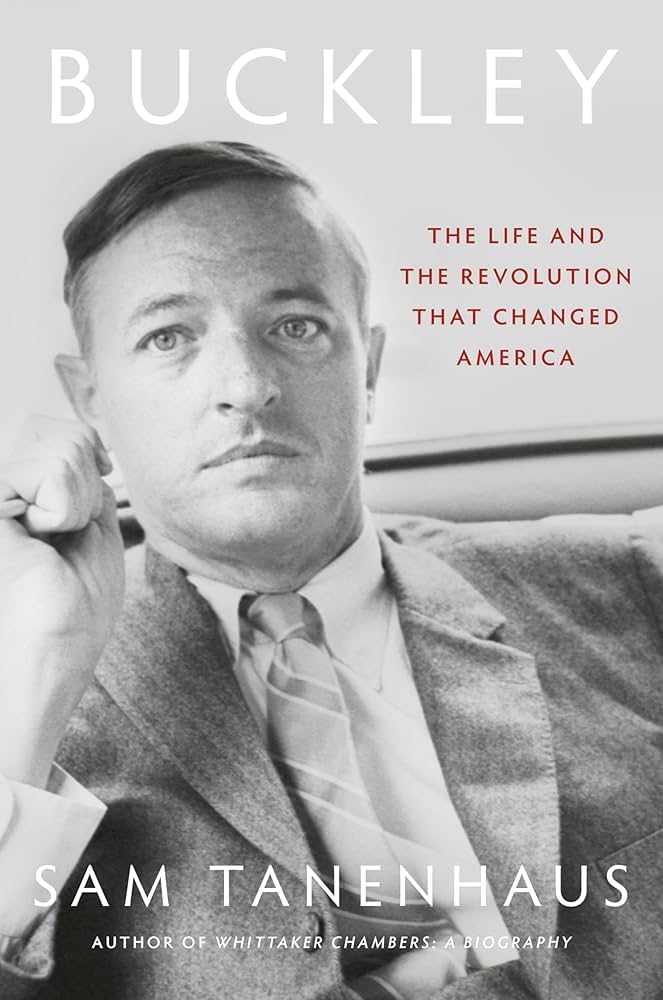
Journalist Sam Tanenhaus has provided a warts-and-all look at the most consequential figure of modern conservatism who never held office. Despite its doorstop-worthy length, Tanenhaus’s book offers a masterful example of how to capture a man and his era.
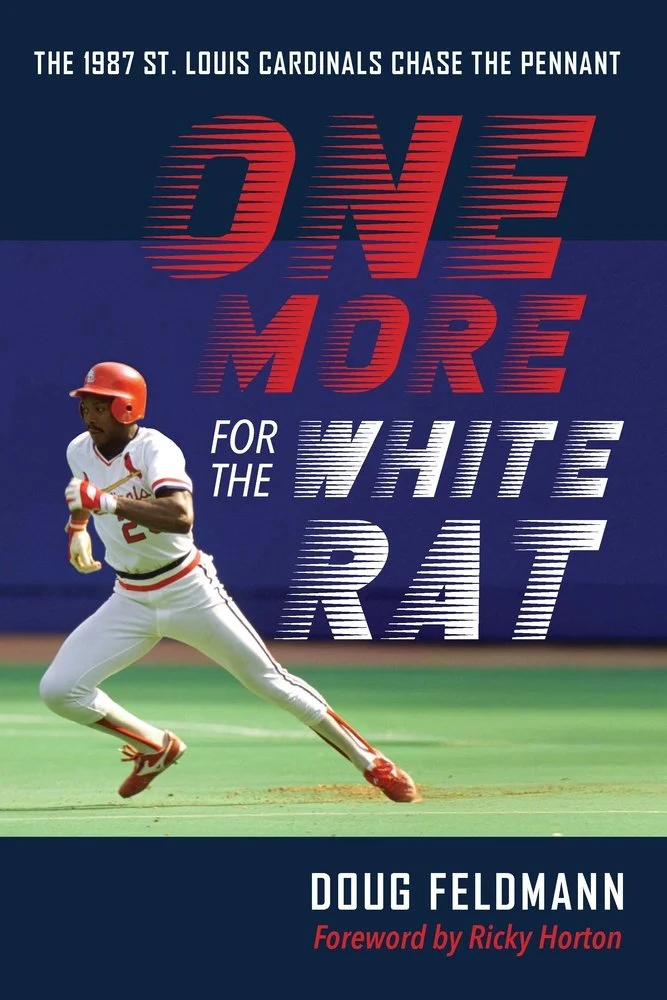
The Cardinals under Hall of Fame manager Whitey Herzog (nicknamed the White Rat) were the daredevils of St. Louis in the 1980s, our biggest disappointments and our greatest heroes. St. Louisans lived and died for the guys who wore the birds on the bat. And this era was named for the style that the Cardinals brought to the game, Whiteyball.
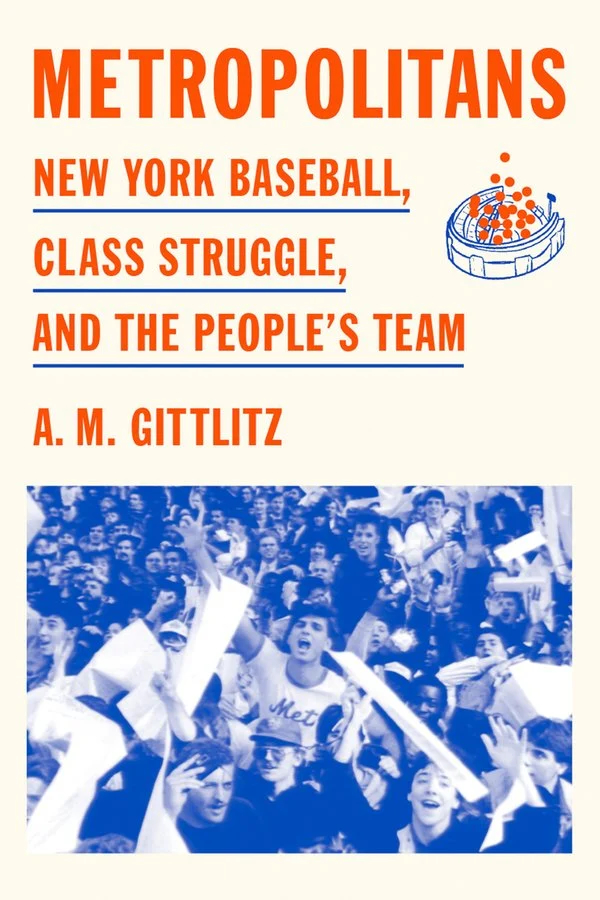
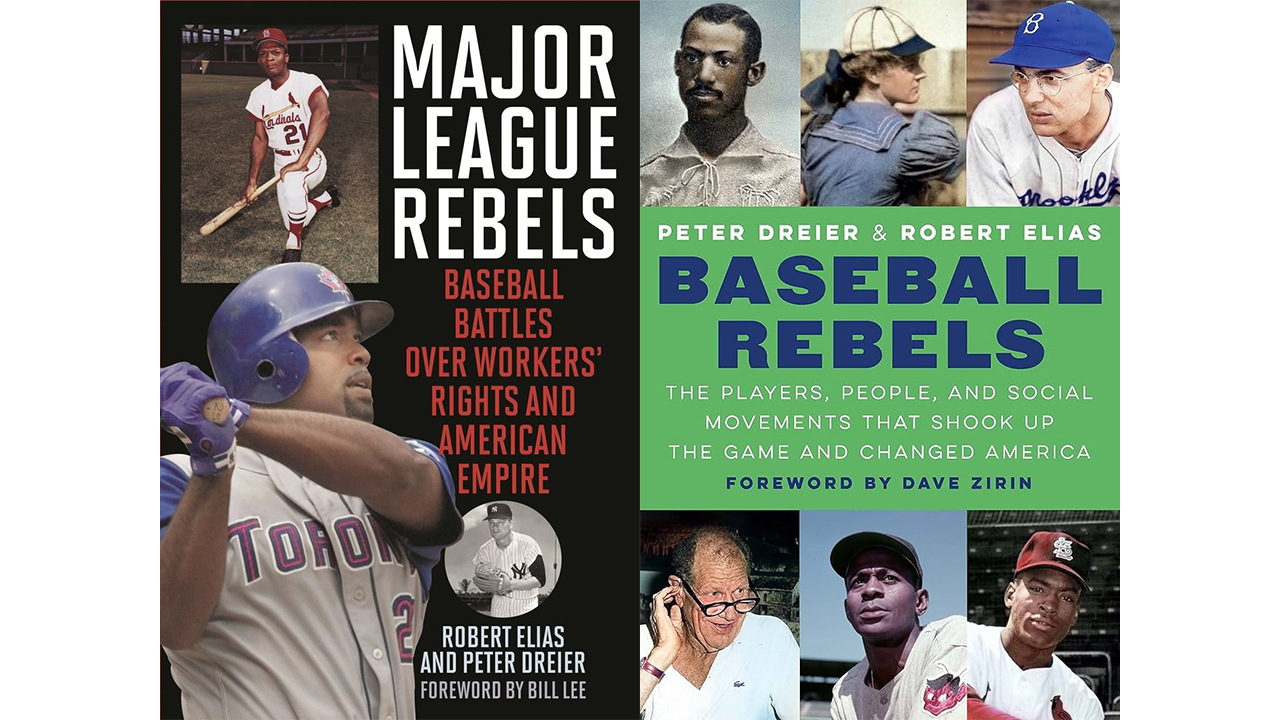
Baseball is our national pastime, steeped in the bucolic idyll of rural America. But it is also a deeply conservative social and economic institution. Peter Dreier and Robert Elias trace these divisions in the companion volumes “Baseball Rebels” and “Major League Rebels,” telling the story of individuals who sought to challenge the way in which the game is played and administered.
“I Was Alive Here Once” contains many different types of ghosts in many different stories, fables, and fairy tales, from many different cultures. Sometimes, the world we know is the ghost in the story; the aftermath of war, the wreckage of environmental destruction, lingers in the background of tales driven by the supernatural. Other times, the ghosts blend into our reality, and the supernatural takes a backseat, with ghosts that hardly even know that they are ghosts.
David L. Roll builds on previous biographies of Harry S. Truman and does not try to reinvent the proverbial wheel. He has found a new angle that should have a wide-ranging appeal.
“Where We Keep The Light” is a cagey book, hardly surprising for a politician as skilled as Shapiro to write. Clearly wishing to capitalize on the national fame he achieved when he was considered for the vice presidency and was so touted as the superior candidate for it, even by Trump supporters, who breathed a sigh of relief that he was not chosen, the book gives his resume, stakes out his positions, makes the case for him as both the hard-working but empathetic professional and the dedicated family man, and takes sonar soundings of the political deep in hopes of hearing something other than an echo.