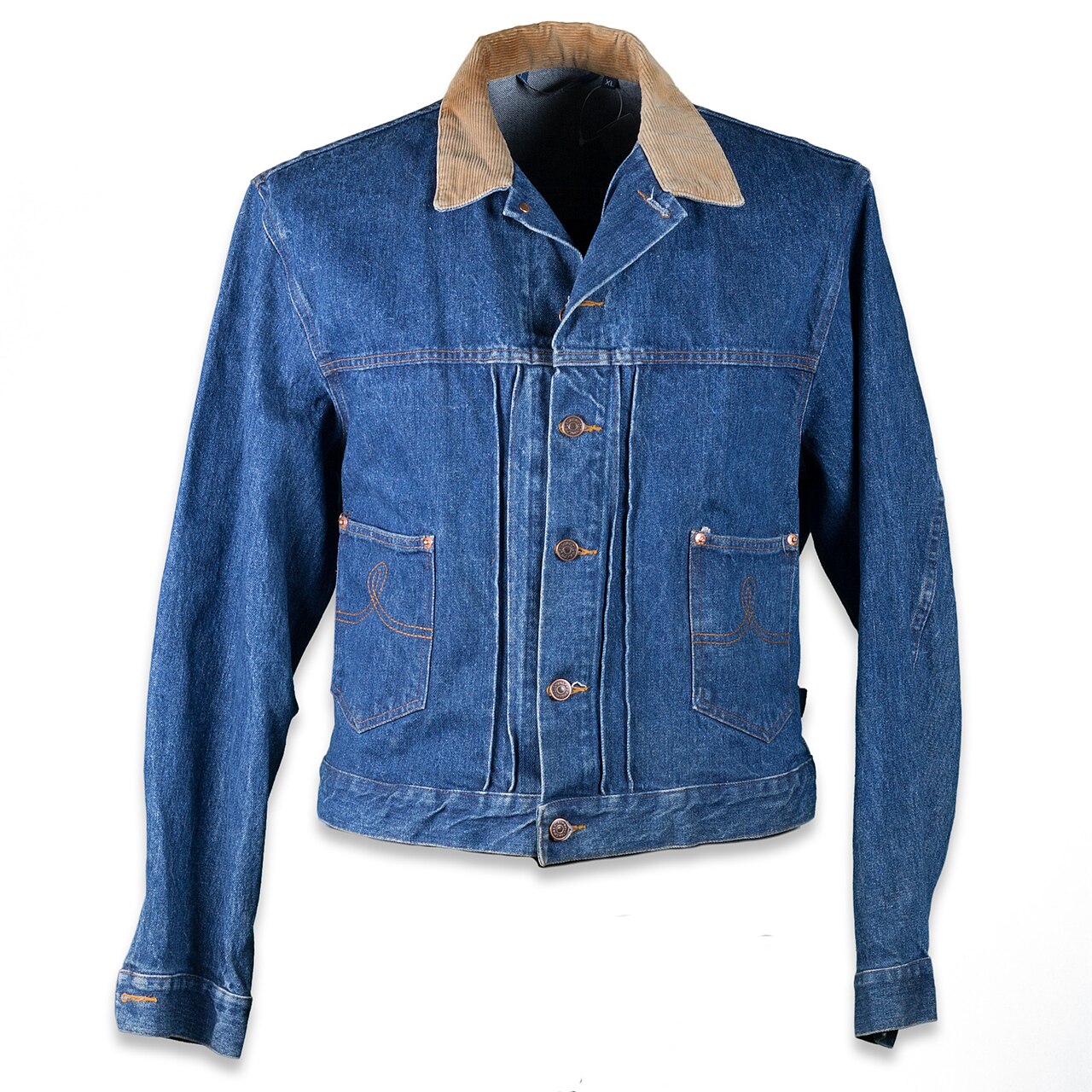
The Comfort of Jackets
More than most clothing, jackets last for years, so their most important quality, the accretion of stories, has a chance to build modestly, privately.

John Griswold has published two collections of essays with University of Georgia Press: The Age of Clear Profit (2022), and Pirates You Don’t Know, And Other Adventures in the Examined Life (2014), which made “Best of” lists at Chicago Tribune, Entropy, and Essay Daily. He has also published a novel, A Democracy of Ghosts, named a Book of the Year by ForeWord Magazine and an Eric Hoffer award winner, and a brief narrative nonfiction book, Herrin: The Brief History of An Infamous American City. His essays and stories have appeared in Longreads; Ninth Letter; Brevity; War, Literature & the Arts; and Natural Bridge, and in the anthologies Best American Sports Writing 2020; The Best Creative Nonfiction, Vol. 3 (W.W. Norton); and Mountain Man Dance Moves (Vintage). His essay “Three Graces” was noted by Dave Eggers in The Best American Nonrequired Reading, and “My Mother the Book” in Best American Essays 2023. For a decade he was a contributing writer (as Oronte Churm) for Inside Higher Ed and a columnist for McSweeney’s. Griswold was also the founding Series Editor for Crux: The Georgia [Book] Series in Literary Nonfiction at University of Georgia Press.
More than most clothing, jackets last for years, so their most important quality, the accretion of stories, has a chance to build modestly, privately.

My mother would have said, “He’s a mess,” but Leon had a punk attitude, loved performative wildness, and was hugely capable. Is it a surprise what came next?
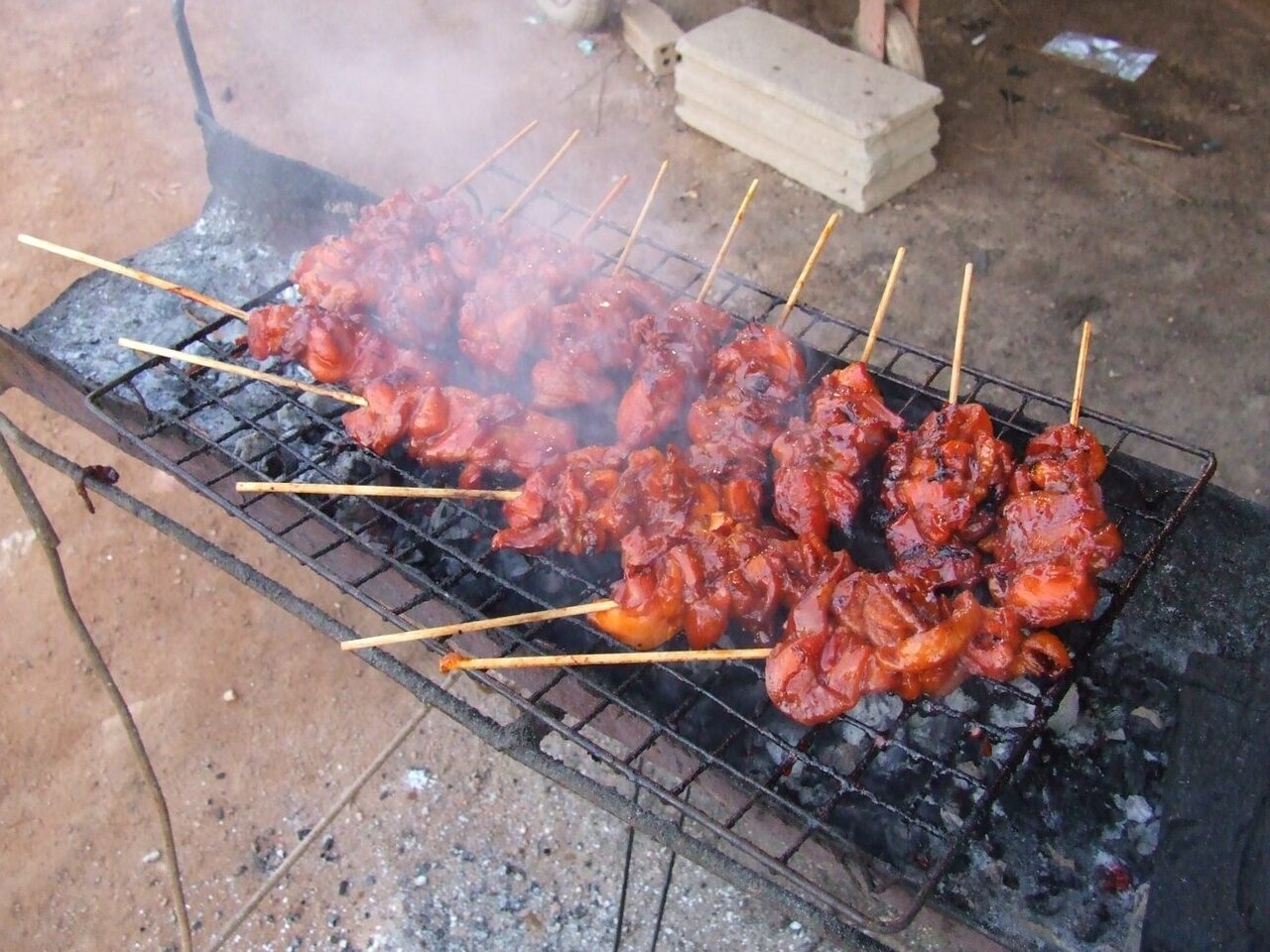
Bargoers said aloud by rote, cynically but accurately, “That ain’t no Jimmy Dean,” because whatever the meat was, it was not pork sausage. Everybody called it monkey meat, or mystery meat, which did not diminish patrons’ appetites and in fact sold more skewers due to its mystery.

Nobody should want to run a business like the lighter factory, with its puny, per-unit profit scheme. No American company would even try to do what the Chinese do, by hyper-control of their people.

What could class mean now in America, where populists decry education as brainwashing, influencers look rich in things and lifestyles, and oligarchs spend their time pasting fool’s-gold to everything instead of governing for the benefit of the people?
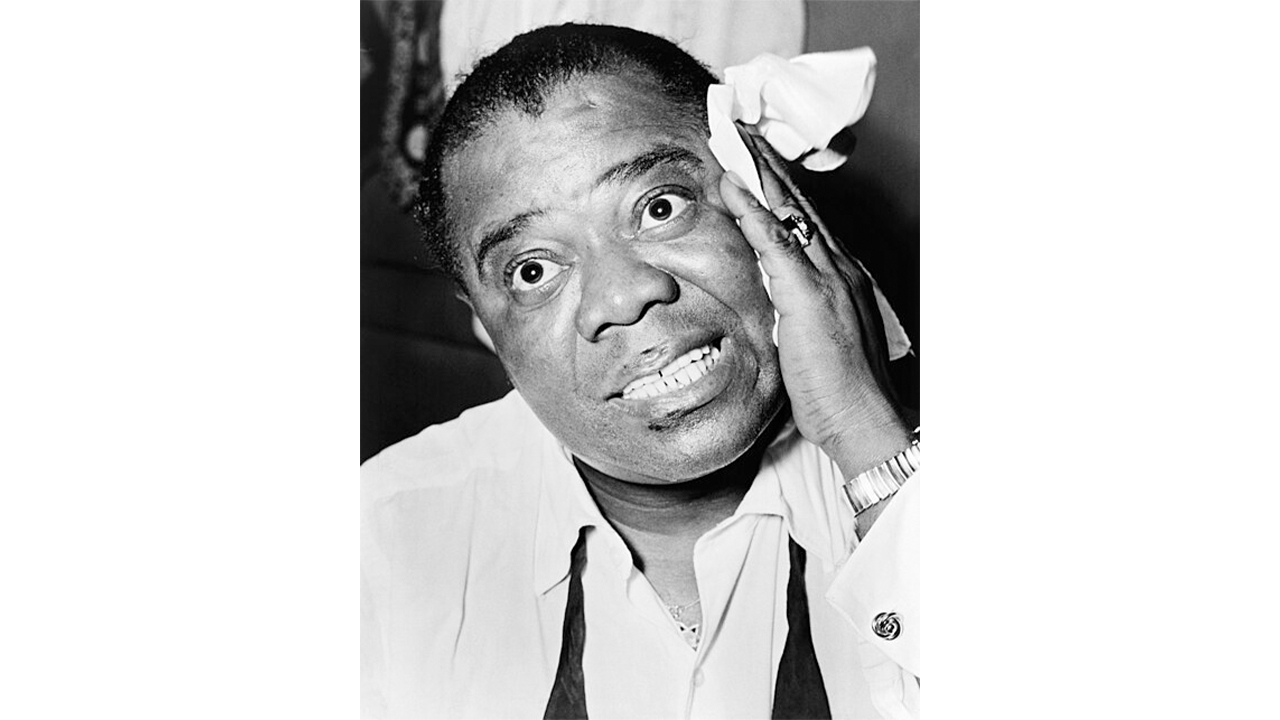
I laughed and told my son that the singer reminded me of myself in high school—gawky, skinny, comic not handsome, watching everyone else but doing your own thing a little too enthusiastically.

The best thing about writing for oneself is that you always own your own work and can do exactly as you like with it.
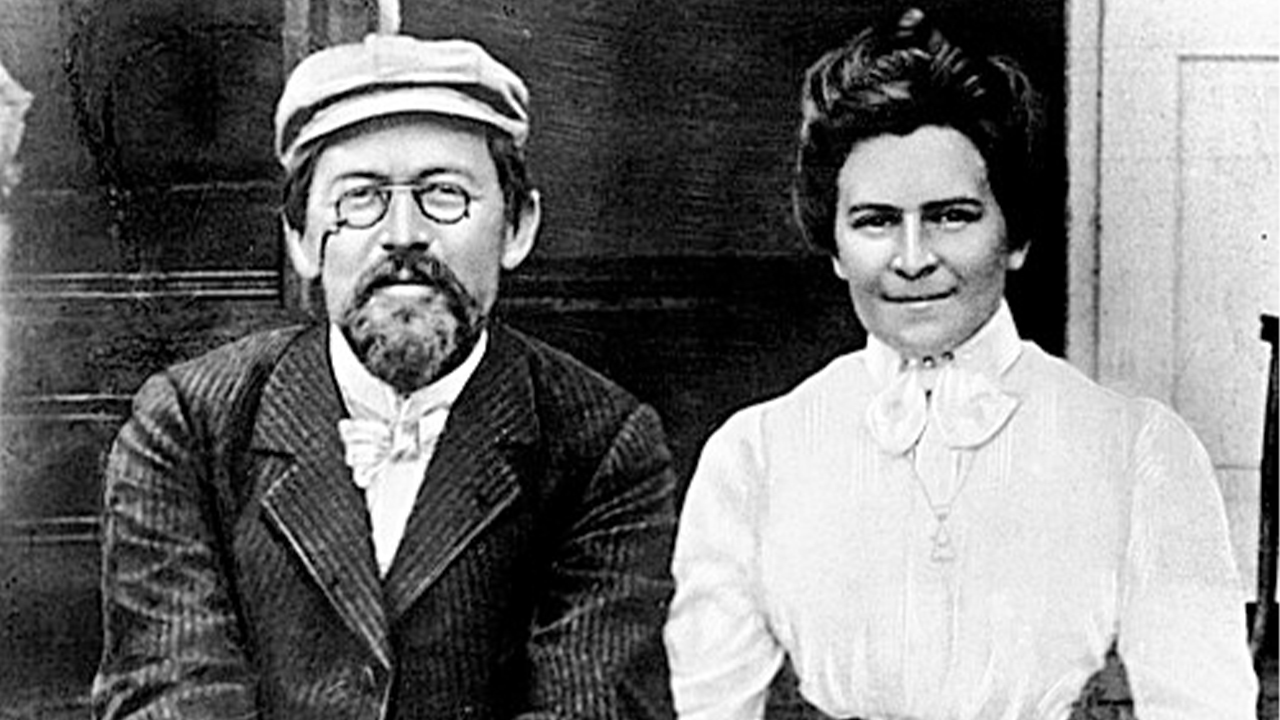
What to call this Anton Chekhov, whom I first encountered in 1988? The Master, perhaps—of vision, decency, modesty, and industry, and, one might hope, in the old game of love.

Predictably, a court in Russia banned the documentary film “Mr. Nobody Against Putin,” ruling it “propagates extremism and terrorism”; Russia has named Talankin, the film’s main character, a “foreign agent.”

Friends of Vintage Flight must make strategic decisions when they choose a project, based on the group’s capabilities, the condition of available aircraft, and their historical significance. The Curtiss Robin has a fascinating history as one of the most commercially successful aircraft of the period between the world wars, and began production the year after Lindbergh made the first solo trans-Atlantic flight in 1927.

As I was being vetted, administrators asked what I would do if my Ukrainian partner wanted to talk about hardships and loss. I said I could listen. What else could I do?
I stressed I was not interested in joining their group but would like to write about their outdoors training, if they would let me, or else we could just say we had had a nice lunch, and I would go on my way.