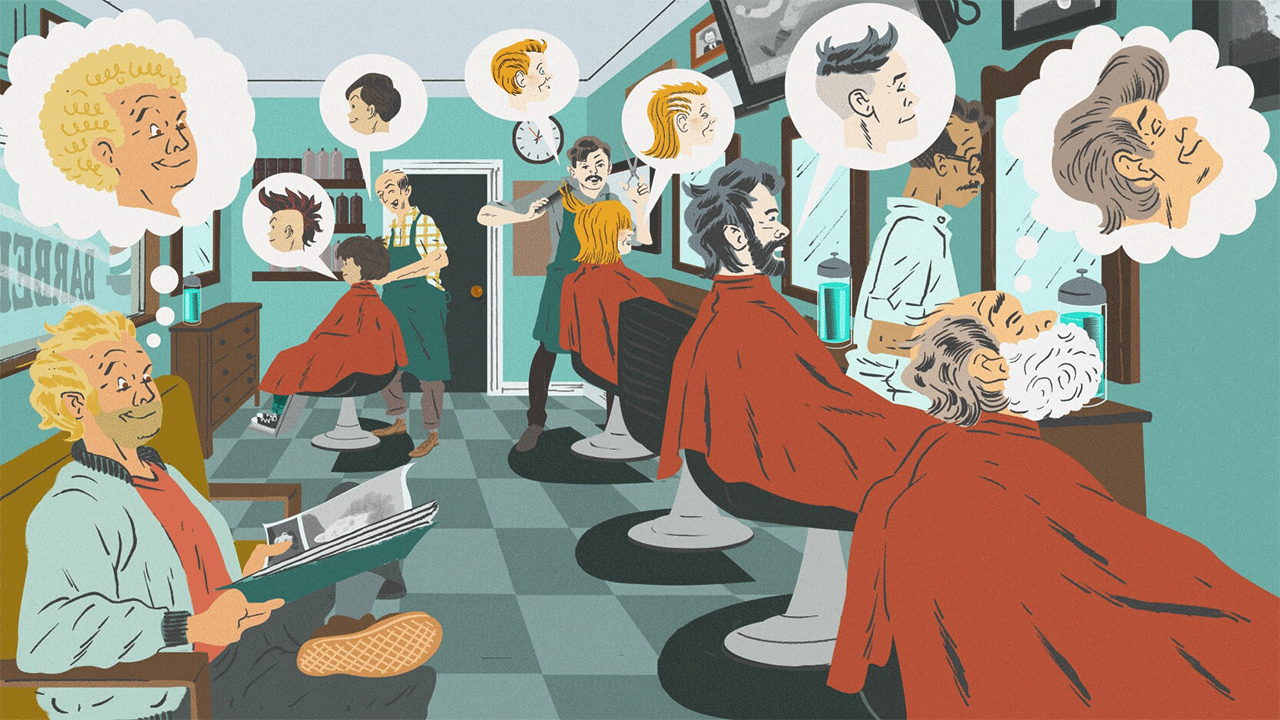
Unlocking Our Locks
Unlocking Our Locks: The Glory and Despair of Human Hair
Unlocking Our Locks: The Glory and Despair of Human Hair
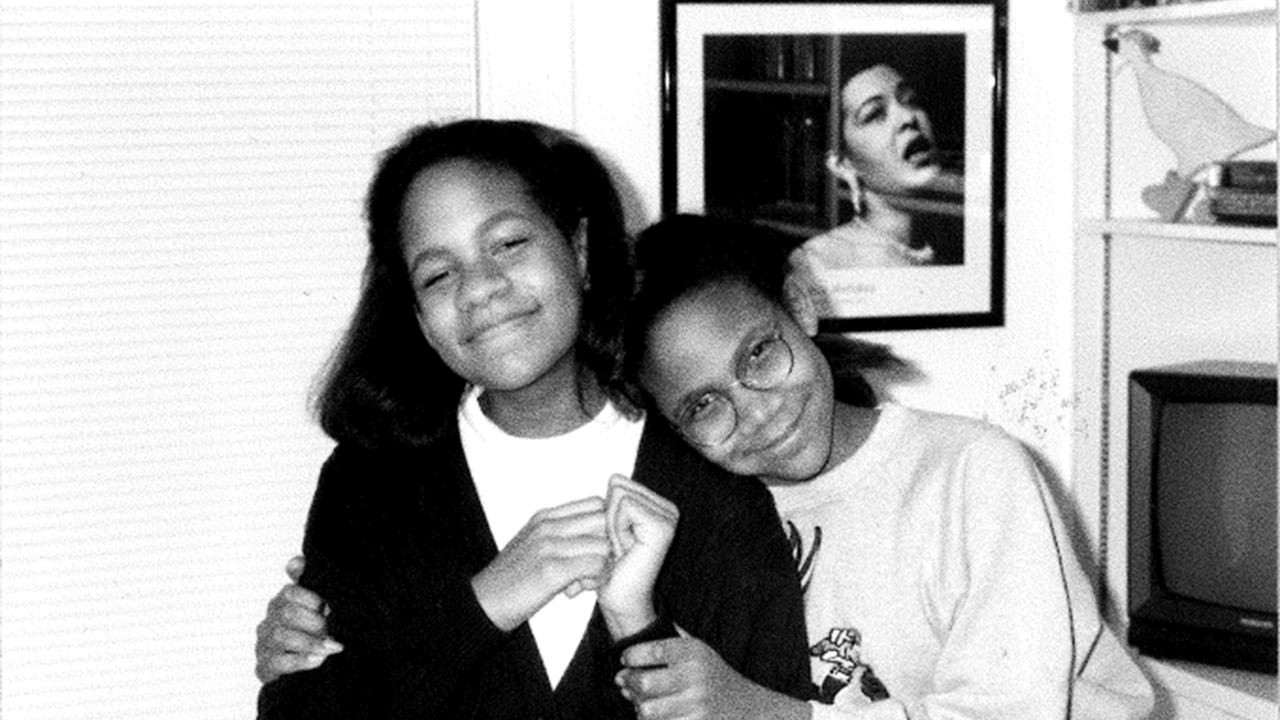
Sisters Linnet Early Husi and Rosalind Early on natural hair in childhood, relaxers in adolescence, and growing up and into hairstyles that speak to who they are as Black women.
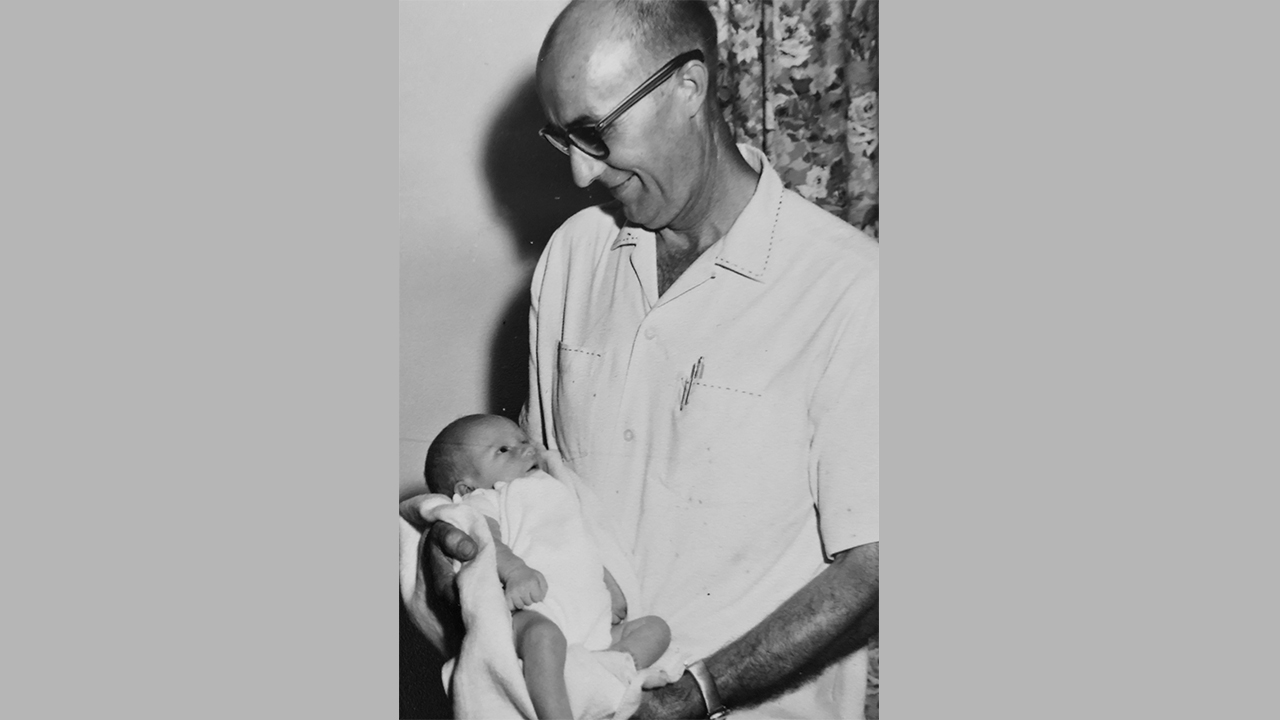
My baldness is not meant to signify anything, but it does not mean nothing, even to me.
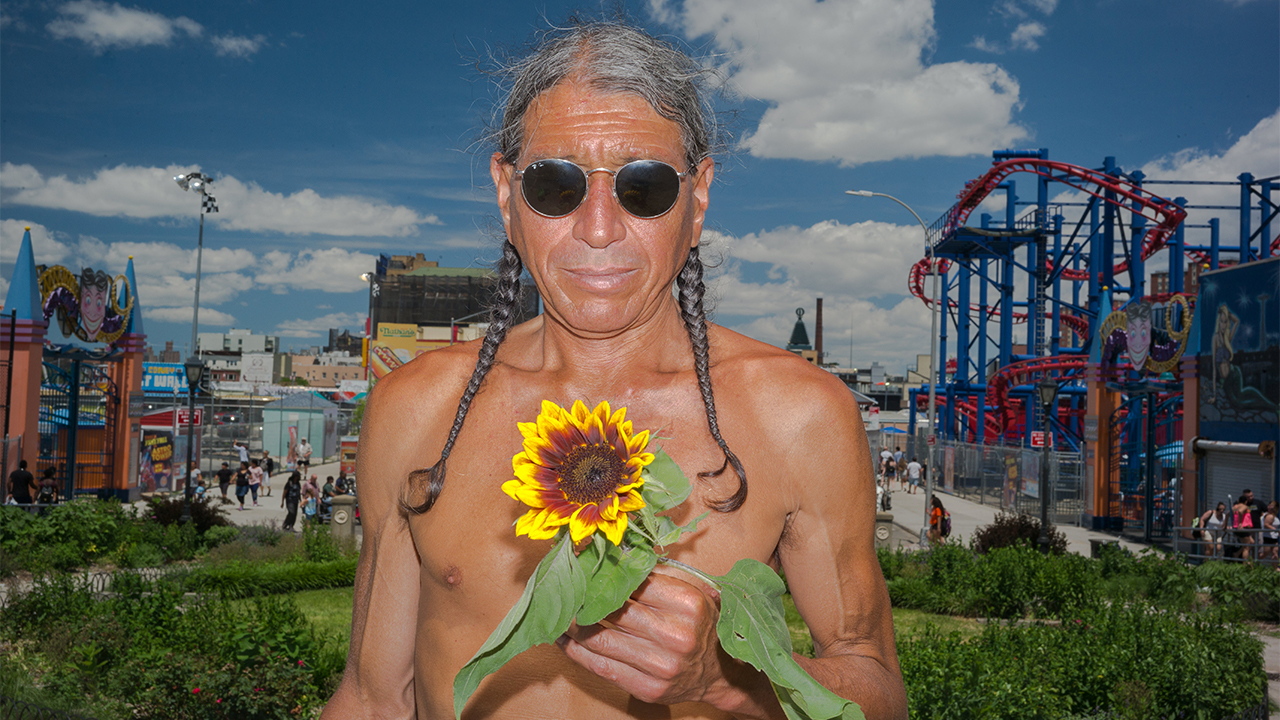
Four portraits of modern tresses, and one toupee.
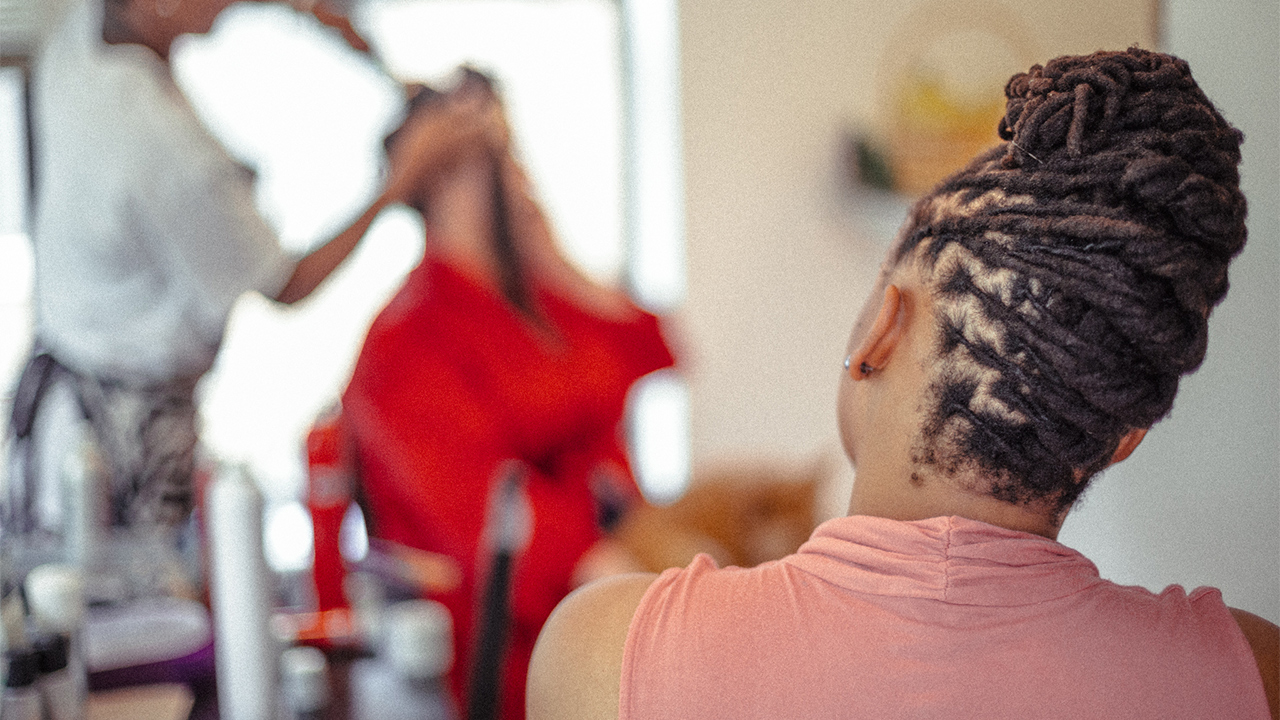
I have a print of Paul Goodnight’s “Links and Lineages” that depicts three generations braiding each other hair in a colorful tapestry of Black female intimacy and beauty. Such pleasures exist in many families. Mine—not so much.
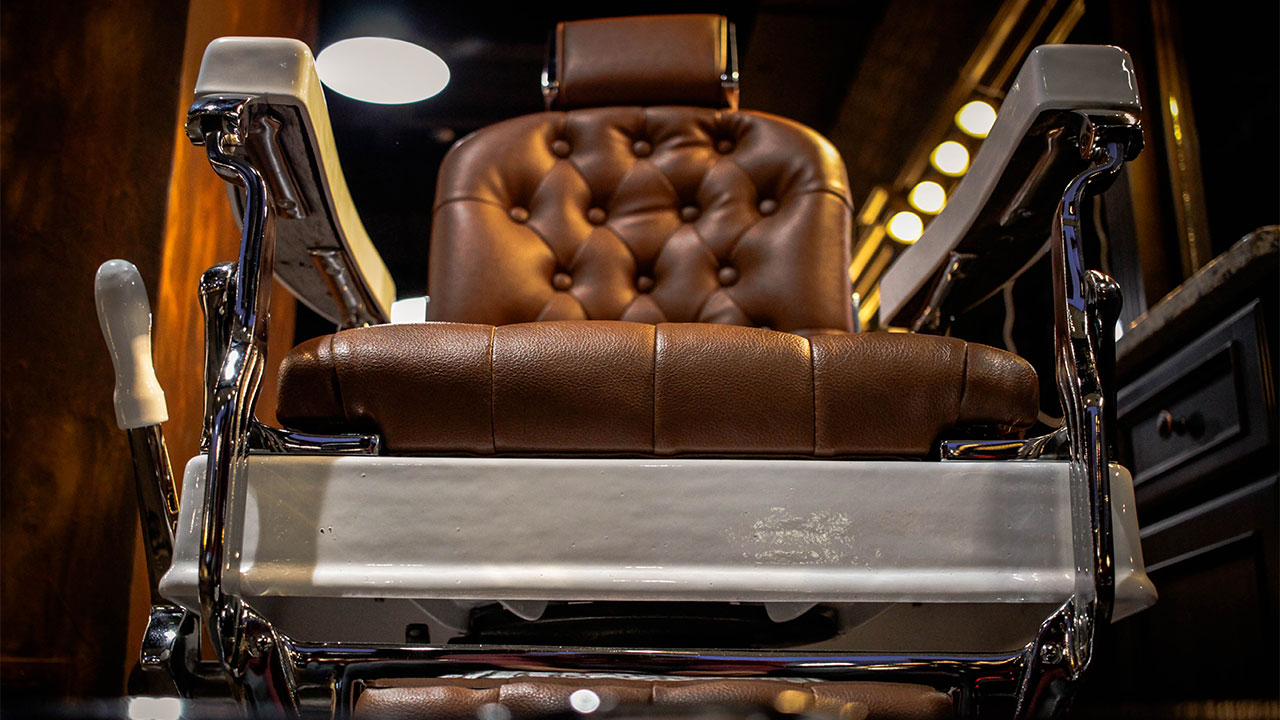
Before COVID-19 hit, men’s grooming was slated to become a $26 billion industry in 2020. TrendHunter characterizes the market as a mix of blunt, macho aesthetics and luxurious, indulgent experience. In other words, masculinity remains a paradox.
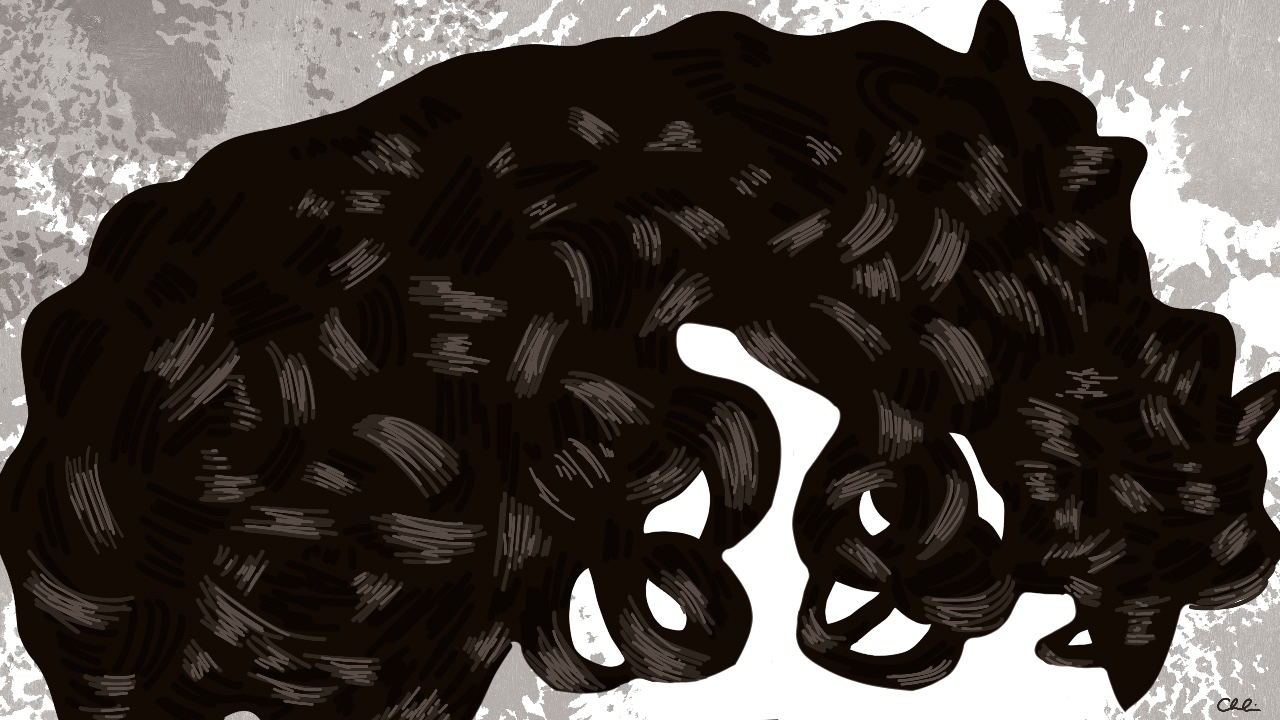
When I look in the mirror, these days, I see all of my hair and I adore it. It needs a trim, sure, but it is my crowning comfort. I see myself and I feel thankful for what I have, and I think of those who are struggling both alike and differently to find themselves.
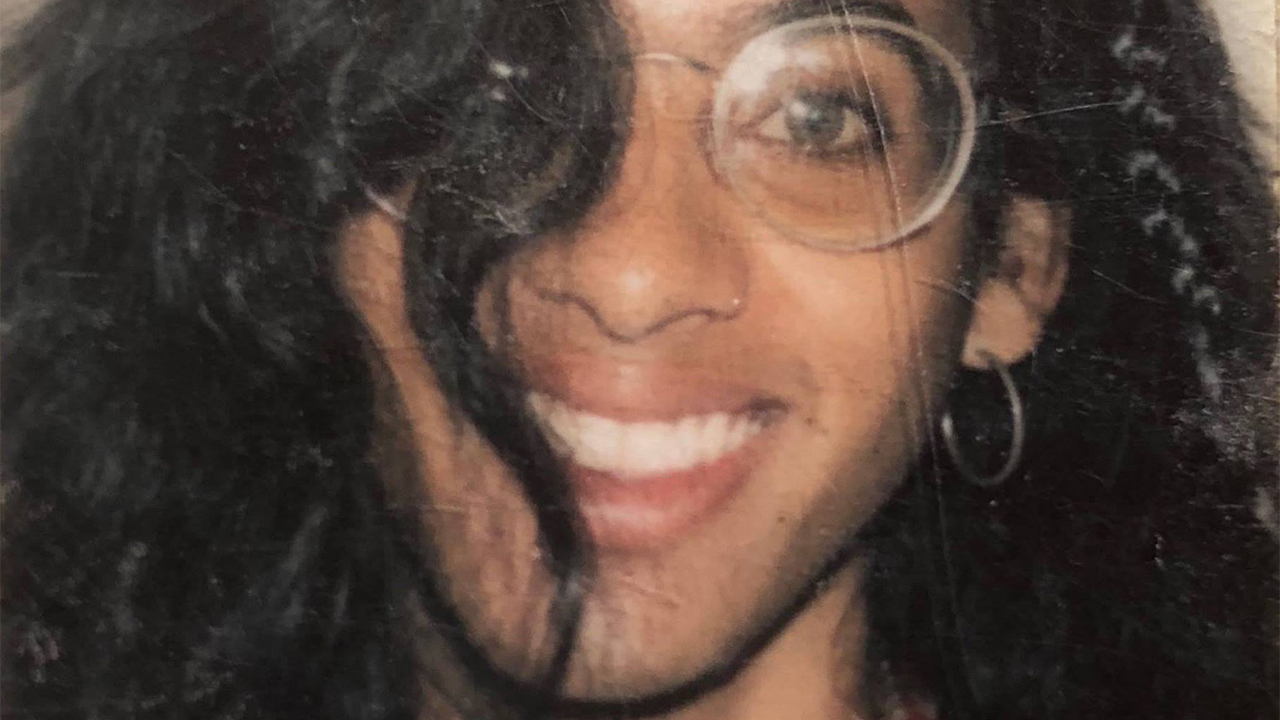
Hair dharma in Hinduism is context dependent. While there are hairstyles that are permissible, some even prescribed or required, they must be manifested at the appropriate time and space, and even stage of life, and in accordance with gender.
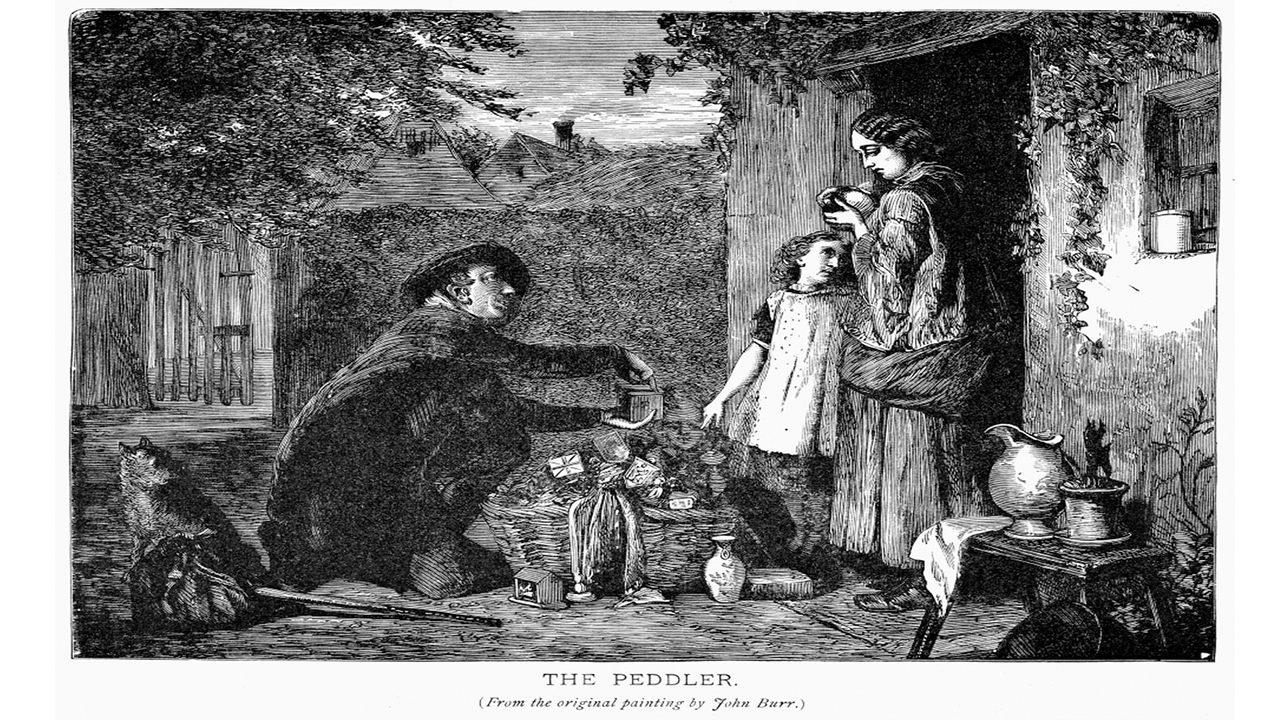
The dialect may be a bit off-putting but the narrative is accessible and clear enough. Here is the story of a wheedling, heartless, hustling hair peddler named Jock Macleod who is trying to buy the hair of young women at a fair in Devon. His tactics seem a combination of seduction, intimidation, ruse, and sales pressure that would make today’s used car salesman seem a rank amateur in comparison.
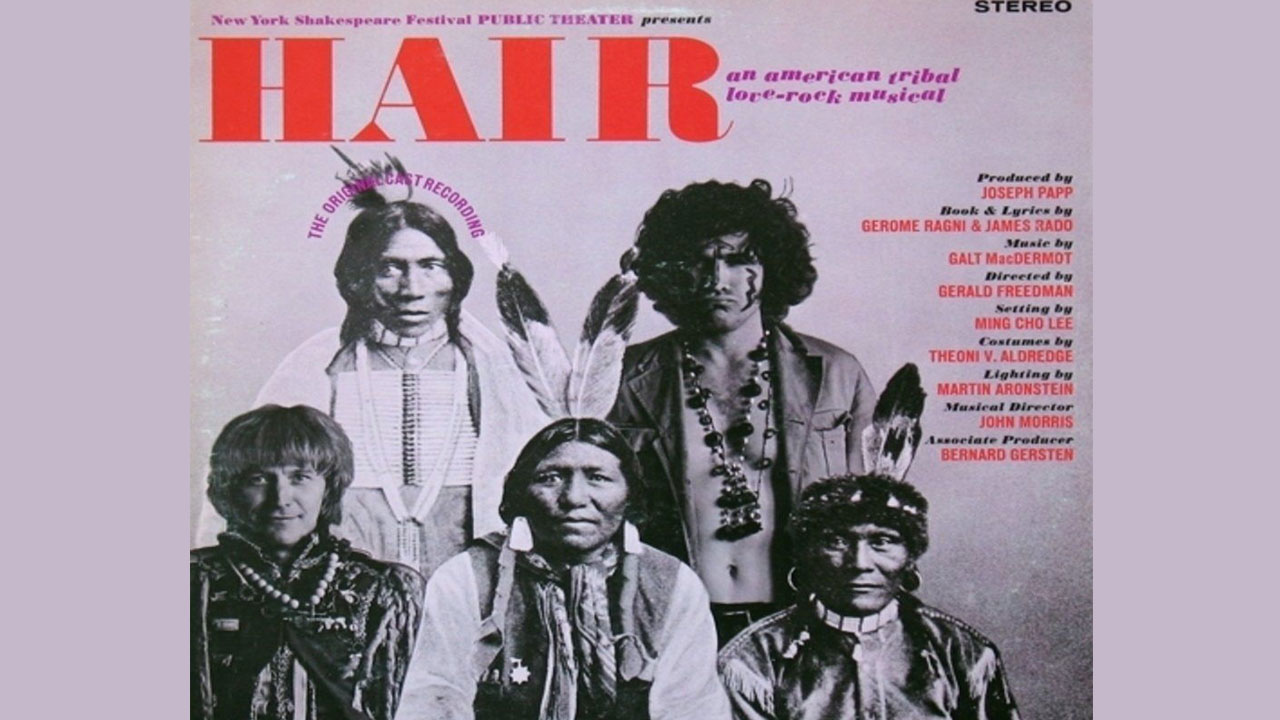
For the overwhelmingly White, urban, middle-class Broadway theatregoers of the time, Hair was an invitation to spend some time with an expressive and racially diverse subset of American young people—this expedition to another America came at the price and from the safety of a duly purchased seat in a Broadway theatre.