
Memories of Standing Rock, Five Years Later: Part One
An eyewitness account of the end of the engrossing first act of the Standing Rock movement.
So many people got involved, for so many different reasons, that protest against the Dakota Access Pipeline was (nearly) a blank template. This gave many opportunities for conflict and few firm measures of success, except oil never flowing in the pipeline.

One of the few points of agreement left to us is that our whole culture is “oversensitive” now—that favorite castigation—though in different directions, canceling and banning and vilifying. We are miserable about it, here in this land that lauds bold and fearless action.

The American-Mexican novelist and author of Prayers for the Stolen, adapted for Netflix, reflects on women’s rights, the beauty and danger of life in Mexico, and being “the granddaughter of surrealism.”

For almost every metropolis—and even a few towns—with streets, neighborhoods, and businesses there is a song with melody, harmony, and a beat.
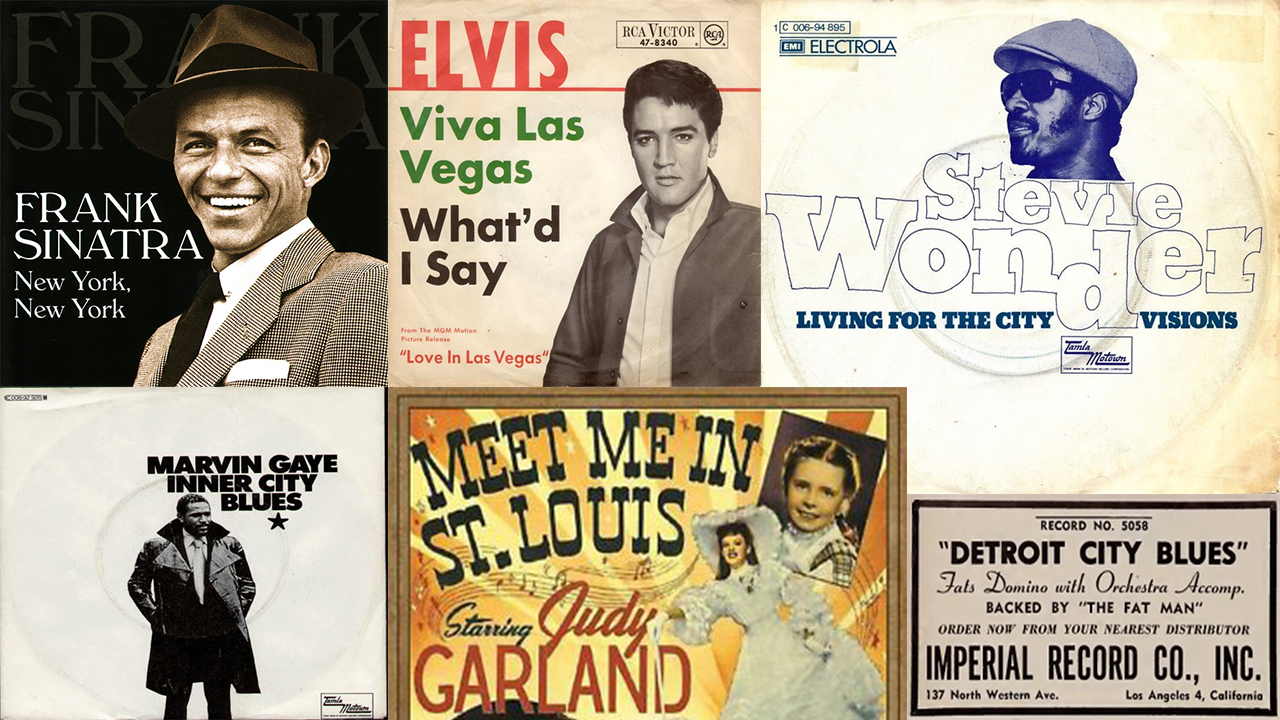
For almost every metropolis—and even a few towns—with streets, neighborhoods, and businesses there is a song with melody, harmony, and a beat.
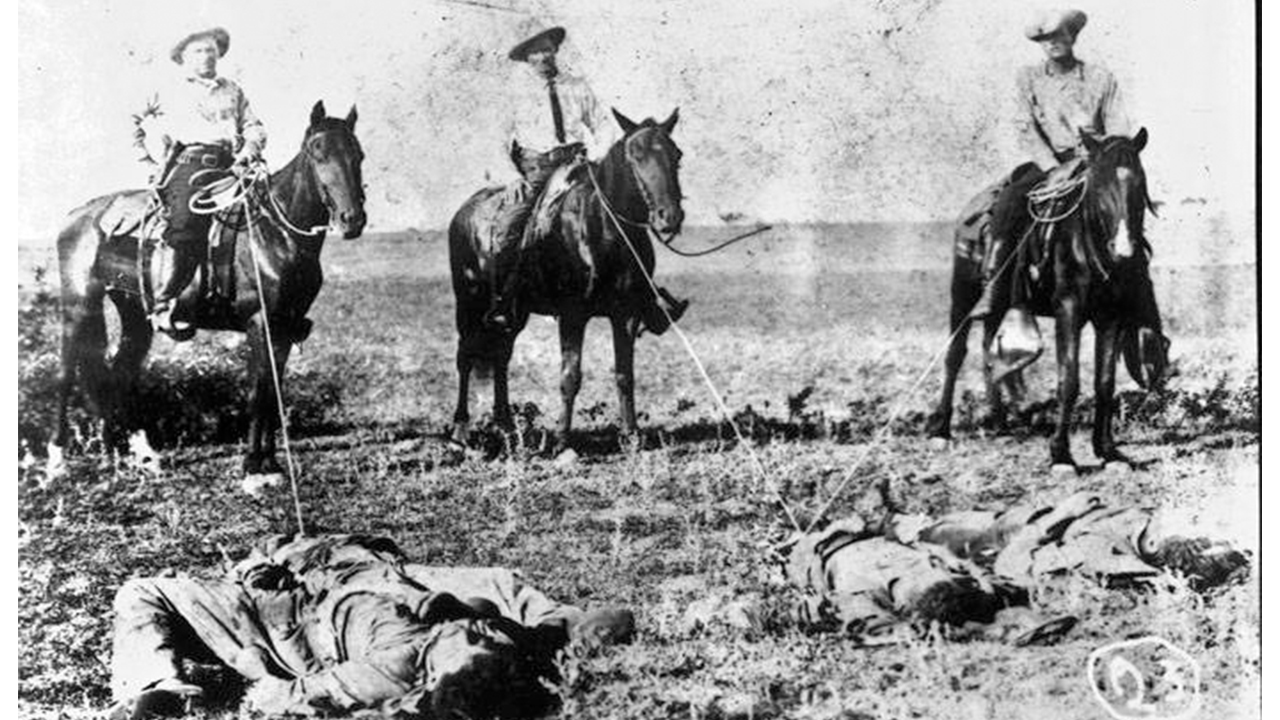
The Texas Rangers are held up as an emblem of Texas exceptionalism, the American protectors in the wild west. First appearing in cinema in 1910, they were depicted as handsome saviors galloping into town to implement law and order in the dusty wake of their stallions’ hooves. For Tejano communities inside Texas and along the border, however, the Texas Rangers were private agents of Anglo terror, responsible for little-known acts of violence that only now are being told.

Turning grief around, using sorrow’s dark energy to help others—that was what Brandon Grossheim wanted to do, too. In his mind, suicide was a matter of free will. But when someone is young, inexperienced, swept by intense emotion, refusing professional counseling and prescribed medication, and preferring the swift release of drugs, booze, maybe even death—how “free” are they?
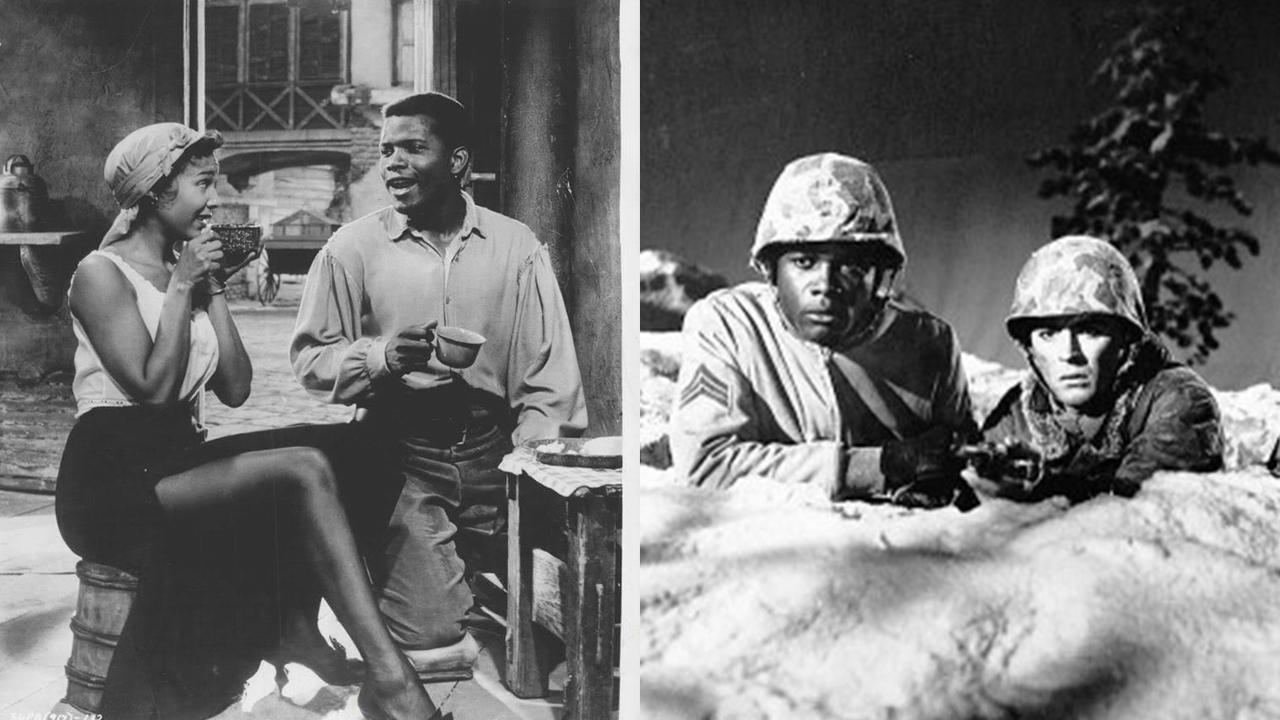
All the Young Men became my equivalent of Burt Lancaster’s The Flame and the Arrow, the Black boy’s fantasy movie about an impossibly heroic person, an impossibly competent person, who fights for king and country. Poitier’s character made me proud to be an American, made me feel as if I was an American without any hesitation or crippling doubt.
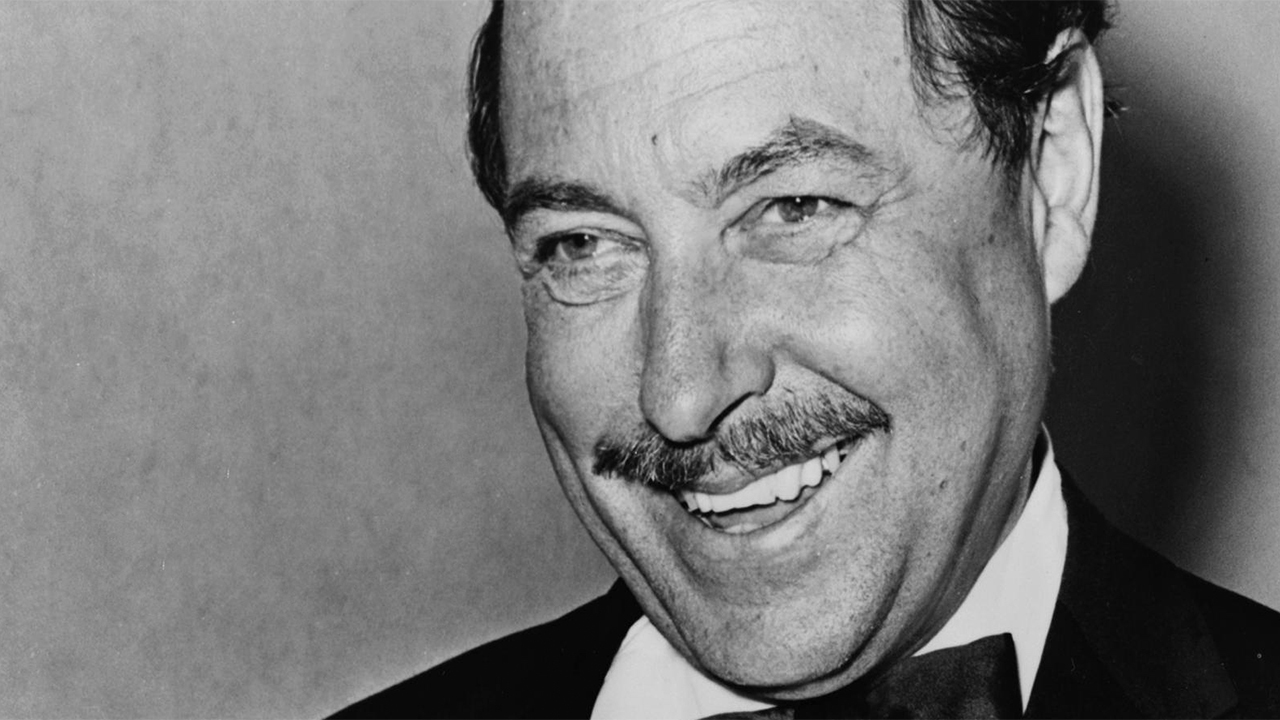
The famous American playwright left St. Louis, but St. Louis never left him.