
A Coign of Vantage
A “coign” is a jutting-out corner or high point that gives you an excellent view of whatever you are trying to see. I was trying to see…what? A different world, graceful and mysterious, exquisitely colored and lit.
A “coign” is a jutting-out corner or high point that gives you an excellent view of whatever you are trying to see. I was trying to see…what? A different world, graceful and mysterious, exquisitely colored and lit.

“Yeah, no” is managing the social interaction, not just the literal meaning. If somebody offers advice and you respond with a flat “No,” that sounds a bit ungrateful, even surly.

What a clever way to begin a program of poetry scored for song and instruments—and a season ahead of similar creative thrills. You have heard of a vicious circle? This was the exact opposite.

Pay attention here, because you are about to lose your soul. What you are told, from this point forward, will largely depend on what someone who hopes to profit from you has decided you want to hear.
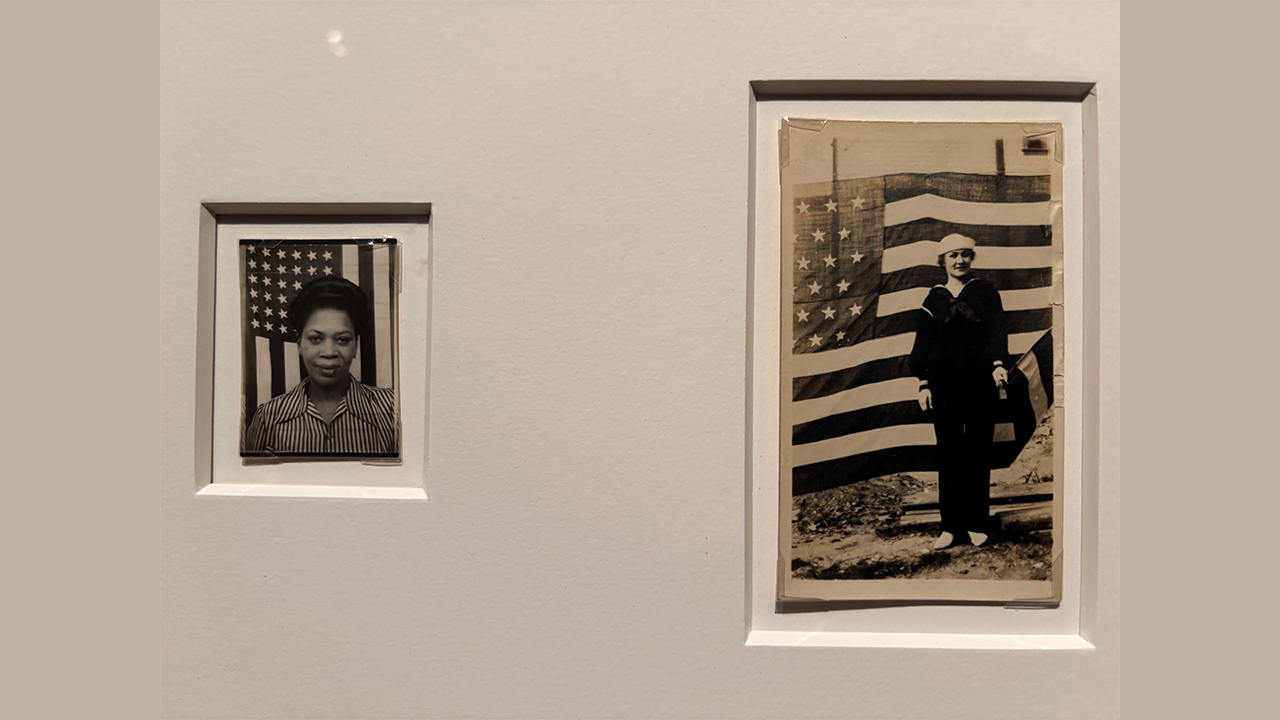
The untitled photograph is not merely a breach between memory and hope, but rather an invitation to inhabit that breach from a distance.
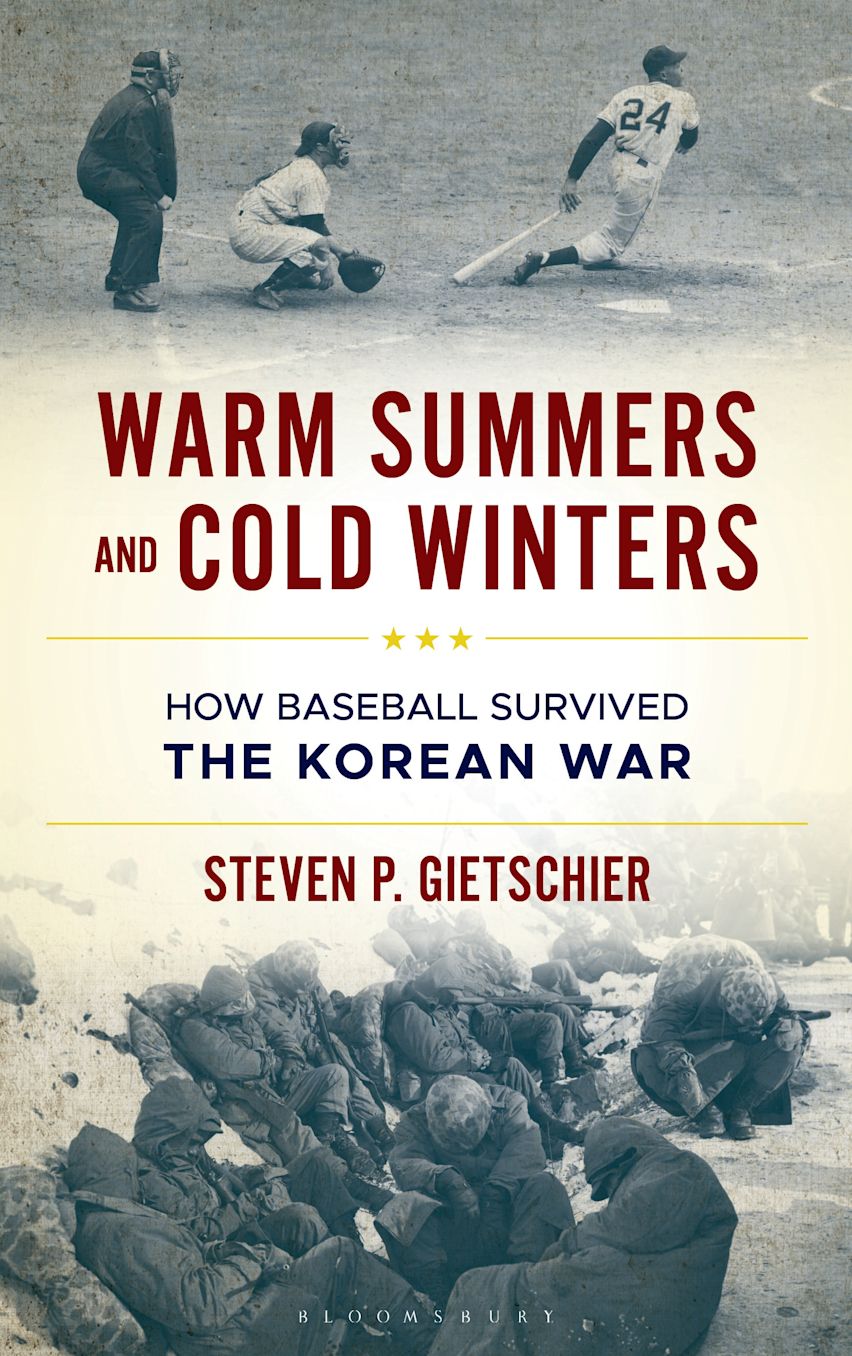
In “Warm Summers and Cold Winters,” Steven P. Gietschier tells the story of Charley and Bill DeWitt, owners of the perennial American League losers, the St. Louis Browns, who, in 1950, decided to hire a psychologist and hypnotist named Dr. David Tracy to help some of the players get over their “inferiority complex.”

Richard Wright has in common with Thomas Hardy that the plots in his fiction are sometimes intricate to the point of distraction, and the events he depicts are often sensational, sometimes to a fault. His novels published after “Native Son” have much to recommend them. Still, “Native Son” and “Black Boy” stand as his most enduring achievements. They capture the isolation from mainstream society that is the reality of many young Black people, in the time of Wright’s youth and in our time.
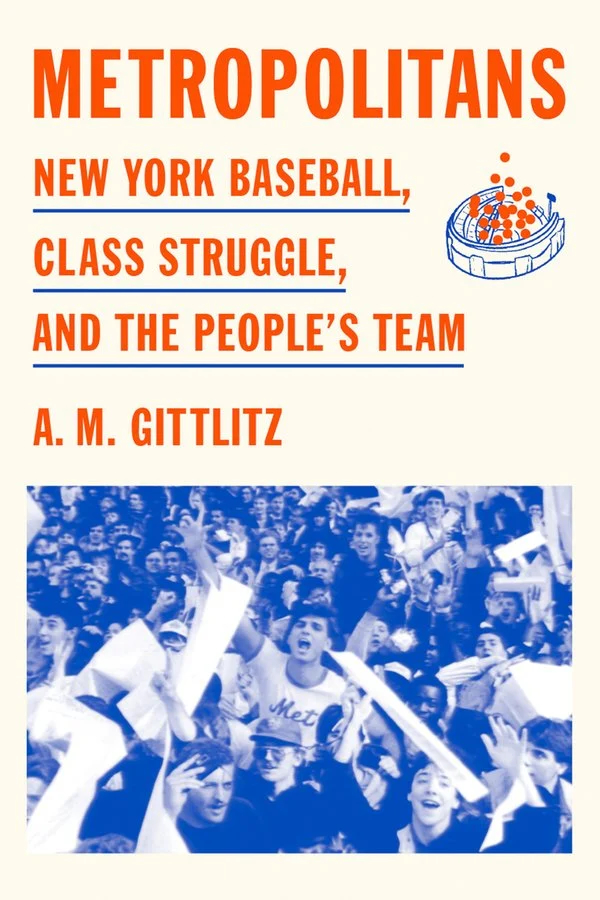
A.M. Gittlitz’s “Metropolitans” tells an alternative history of the New York Mets through the lens of class struggle. Extensive and educational, entertaining and exasperating, it employs the team as a vehicle of left-wing politics, while prodding at the cultural conservatism associated with the national pastime.

The online haters celebrating what they gleefully consider its downfall simplify the matter in the way such misogynists always do: “Supergirl” 2026, in their view, is simply a bad film. The problem with this perspective is that “Supergirl” 2026 is not a bad film.

When the music started from behind us without any musician ever setting up a music stand on the altar in front of us, I realized I had not thought this thing through very far.