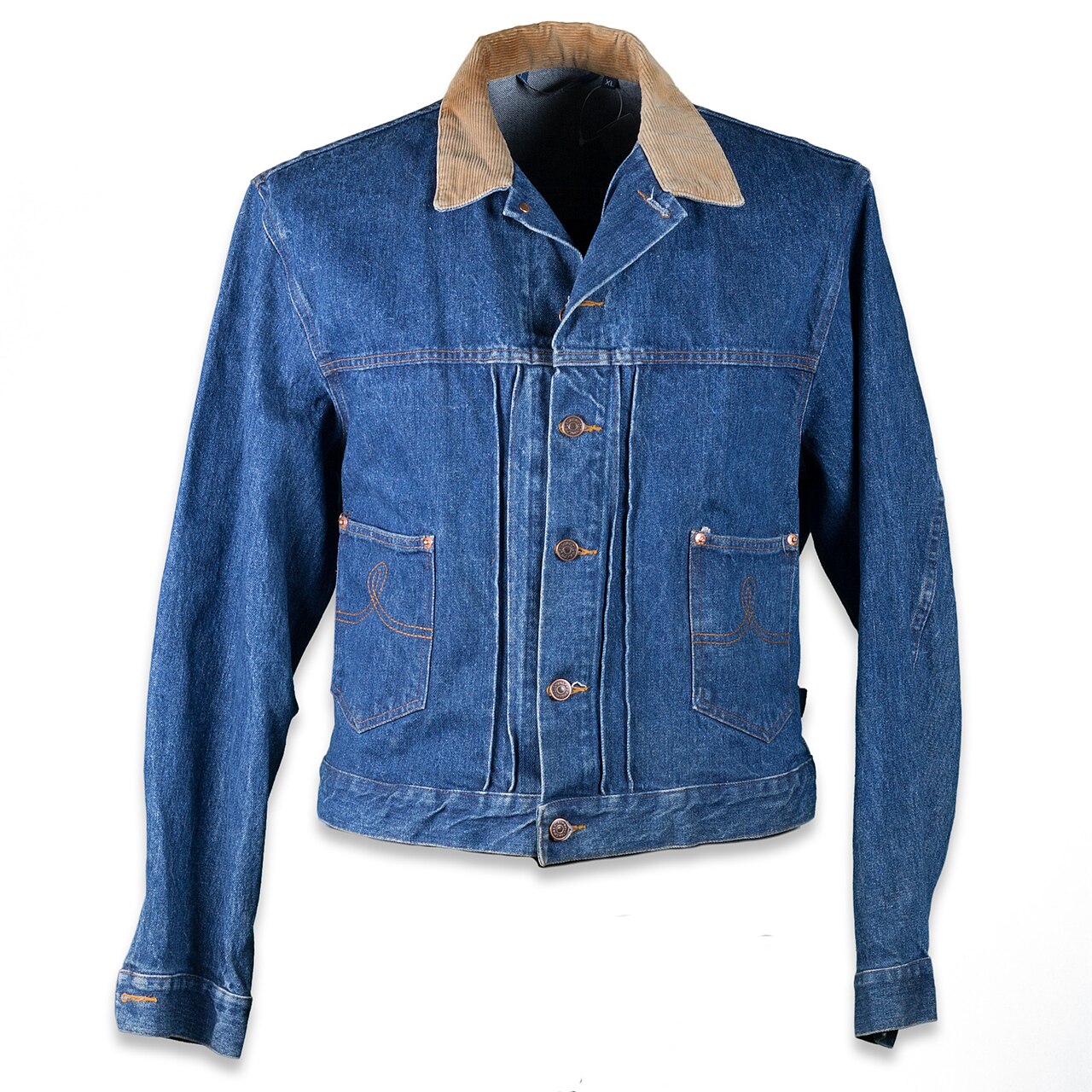
The Comfort of Jackets
More than most clothing, jackets last for years, so their most important quality, the accretion of stories, has a chance to build modestly, privately.
More than most clothing, jackets last for years, so their most important quality, the accretion of stories, has a chance to build modestly, privately.
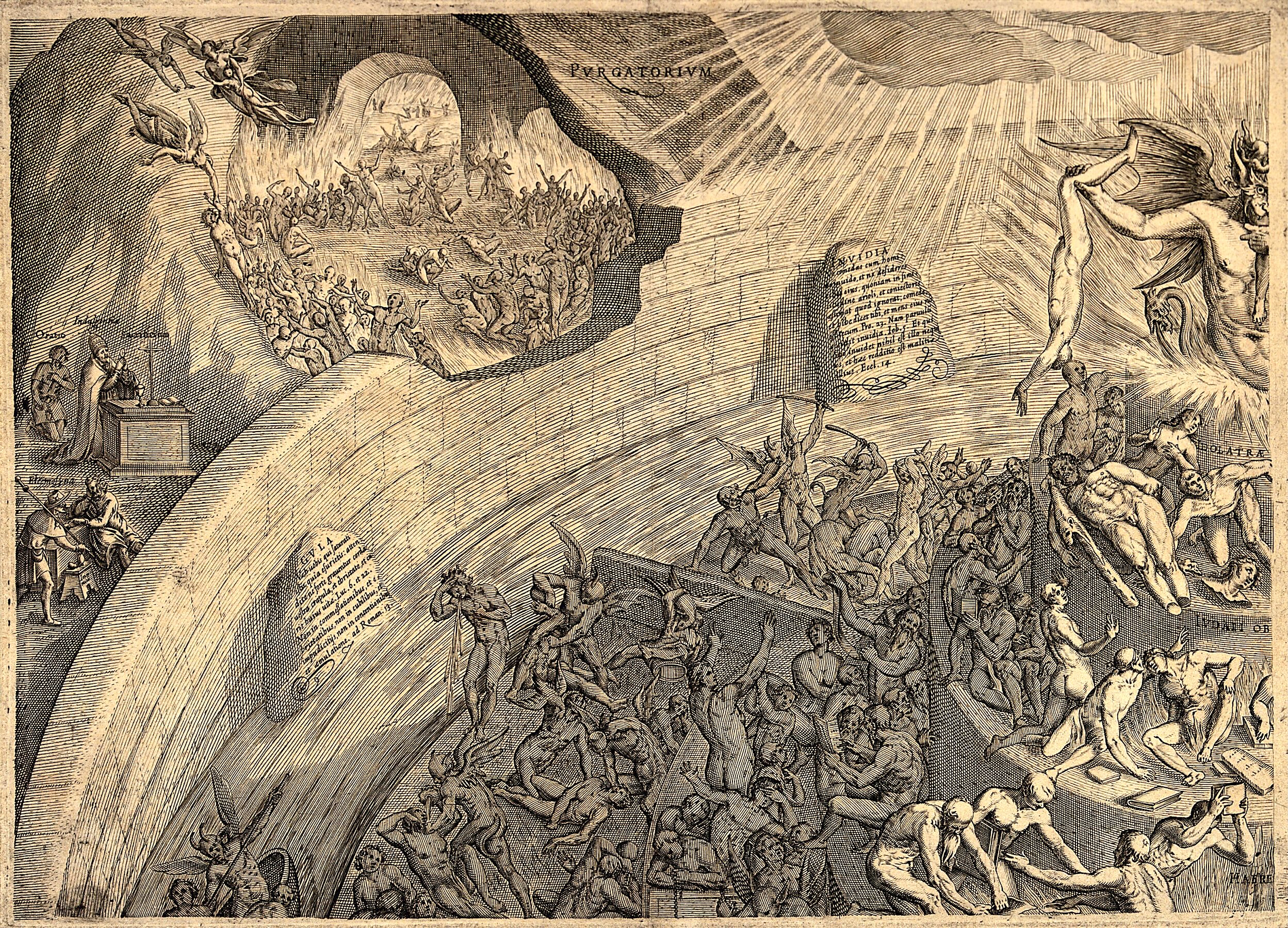
At twelve, I read that in Purgatory, souls were purified with a cleansing fire, removing small sins, whisking away tiny bits of filth, mending any cracks. My father had to be made ready to enter the presence of God.

Self-talk, the practice is called, and after decades of research, shrinks now admit it can be quite healthy. We learn to speak, after all, by jabbering away in our crib, speaking to no one in particular, catching the rhythm and intonation before we have the vocabulary.

We want to live in a world of our own choosing, want this so badly it hurts. So we take revenge on that secret desire by tagging our yearnings “nostalgia” or “romanticism.” But often we are taking our own wistfulness too literally.

If the amateur philosopher remains undaunted, someone might say brusquely, “Ma titfalsafi,” do not philosophize. Or, sarcastically, “Yo faylasuf”: You are a philosopher. Again, not meant as a compliment.
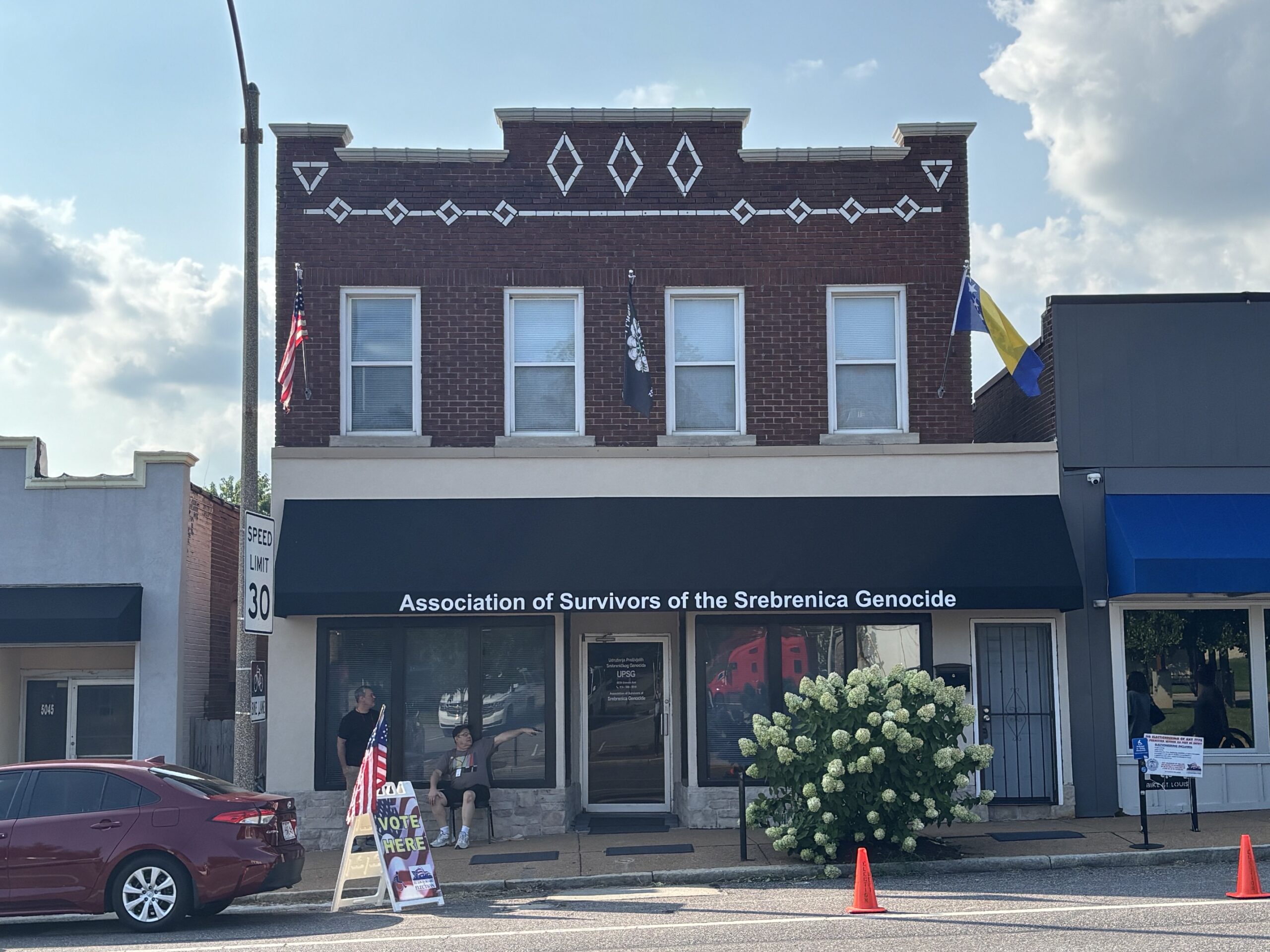
The reality of people living together despite their differences now seems so remote that we have forgotten the power and significance of believing in that reality at all. Social media teems with divisive, bigoted rhetoric serving up menus and lists of “others” who are the problem. Ostracism and xenophobia have for years been the currency, if not the corrosive battery acid, of our nation’s political dialogue.

We need to stop forcing touch—without stopping to touch each other.
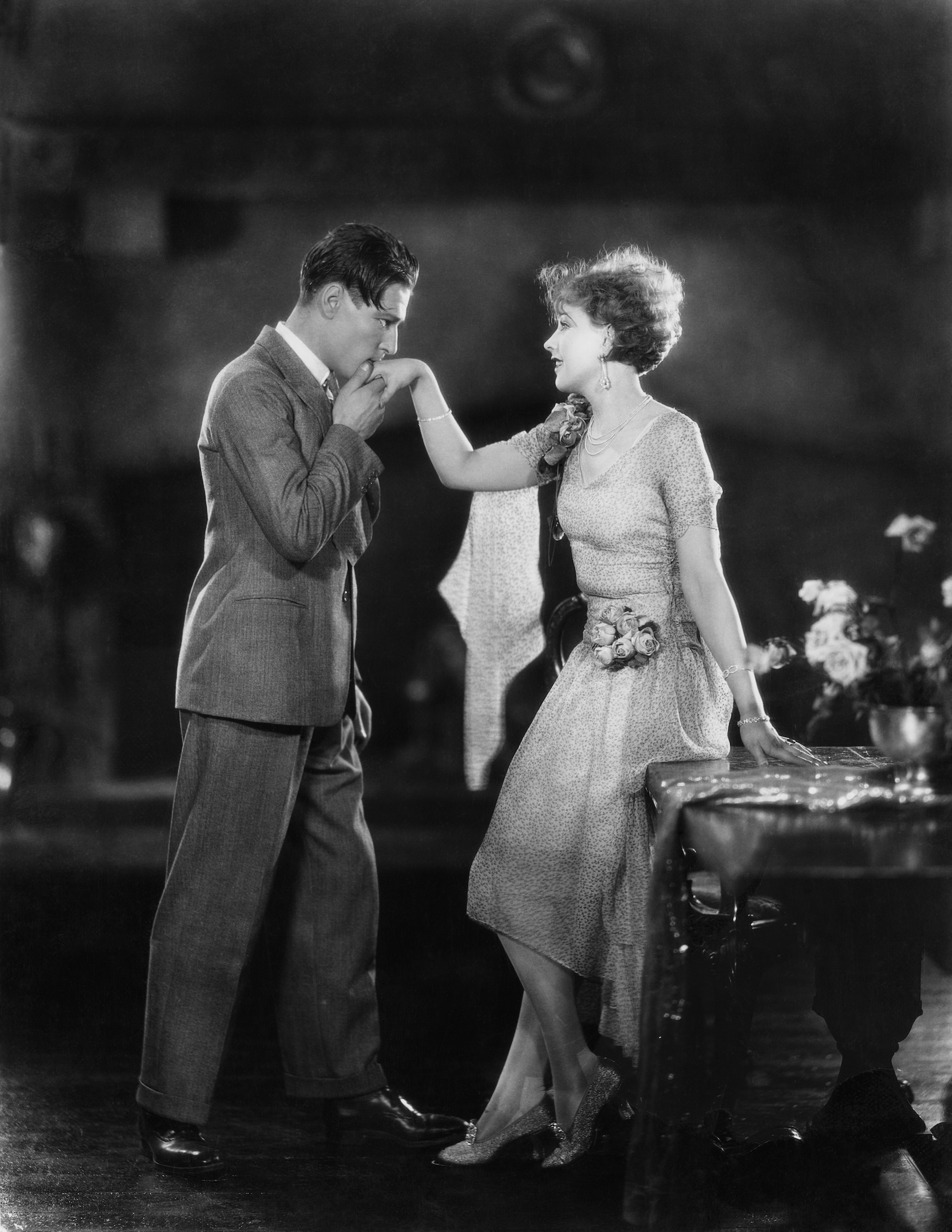
Is charm a form of social glue or sociopathy?

Bargoers said aloud by rote, cynically but accurately, “That ain’t no Jimmy Dean,” because whatever the meat was, it was not pork sausage. Everybody called it monkey meat, or mystery meat, which did not diminish patrons’ appetites and in fact sold more skewers due to its mystery.
For humans, “I” is a letter of relationship, dignity, and responsibility. Why hand it over to inanimate language models?