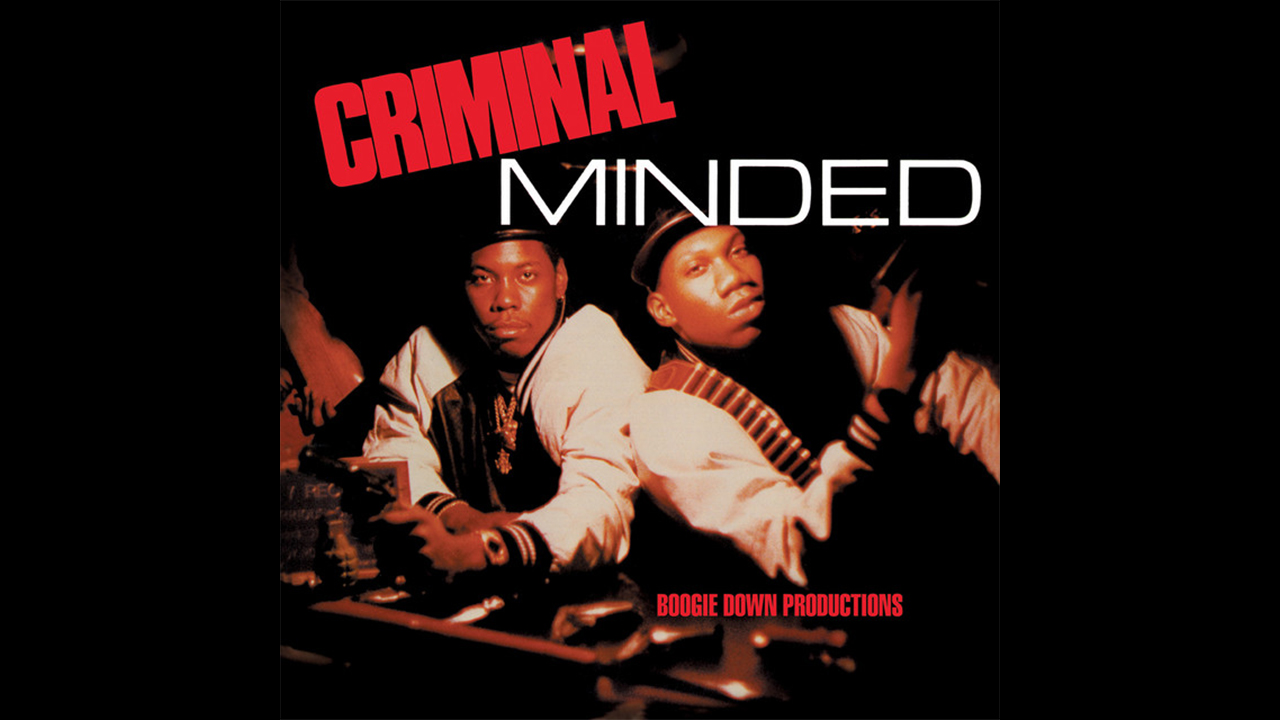
How Gangsta Rap Made Headspace For the Conscious Criminal
When we listen to gangsta rap, we should always keep in mind where its gangsterisms end and its criminalities begin. We ought to regard crime as the eyes and ears of the music.
Gerald Early, editor of The Common Reader and a fellow of the American Academy of Arts and Sciences, is Merle Kling Professor of Modern Letters, professor of English and of African and African-American Studies, both in Arts & Sciences, at Washington University in St. Louis. Dr. Early is a native of Philadelphia and earned a BA from the University of Pennsylvania. He earned his MA and PhD from Cornell University.
When we listen to gangsta rap, we should always keep in mind where its gangsterisms end and its criminalities begin. We ought to regard crime as the eyes and ears of the music.

Writers like Ralph Ellison remind us of the power of fiction to represent that which is felt yet remains unseen—atmospheres, emotions, and the often invisible structures of racism that reinforce an unequal and unjust world.
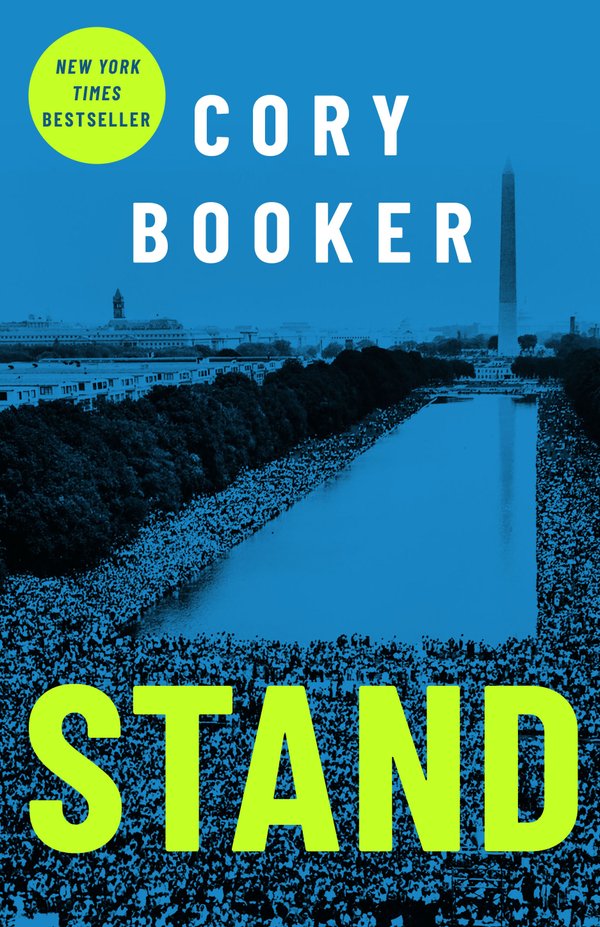
Here is a campaign book that aspires to be in the advice book tradition, a sort of self-help book, a mash-up of Marcus Aurelius and Dale Carnegie with MLK’s Beloved Community.

Located on Broadway in St. Louis’s historic Carondelet neighborhood, the venue has become something of a billowing steam vent in the city’s punk, hardcore, and metal scenes. A bastion to the do-it-yourself ethos long embraced by the subcultures of underground music, The Sinkhole boasts a single room, one bar, and a ceiling as low as its overhead.

What I had known was that I was living next to a church for the past five years of my life. What I had not known was that, for all these years, I was in the midst of a “Spiritual Urgent Care Center,” the appellative Reverend Fannie S. Johnson opts for to remind her congregation of the purpose of their gathering at Bracy every Sunday.
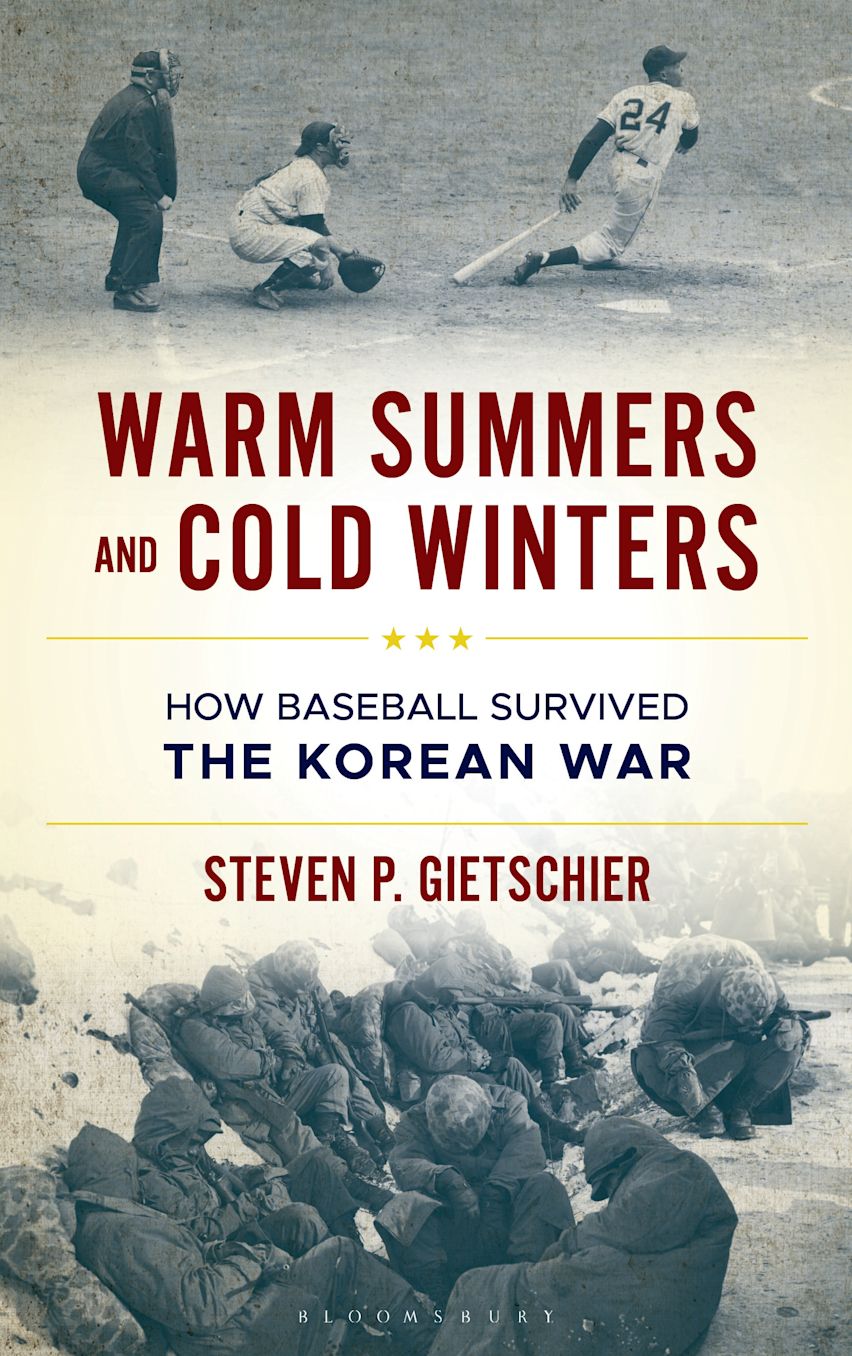
In “Warm Summers and Cold Winters,” Steven P. Gietschier tells the story of Charley and Bill DeWitt, owners of the perennial American League losers, the St. Louis Browns, who, in 1950, decided to hire a psychologist and hypnotist named Dr. David Tracy to help some of the players get over their “inferiority complex.”
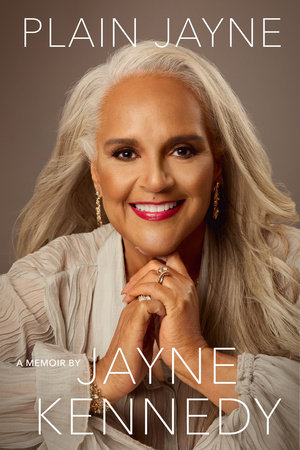
I am the same age as Jayne Kennedy, and her memoir does a wonderful job of recreating how exciting a time it was if—to paraphrase singer and pianist Nina Simone—one were young, ambitious, and Black.

The game here took place on several dimensions. It was, on one hand, a game with time—in the right place at the right moment—and on the other, with fish and bugs, in that moment. Once every seventeen years, maybe this might happen. But it has also become a game with memory, and with writing—and now, with technology.
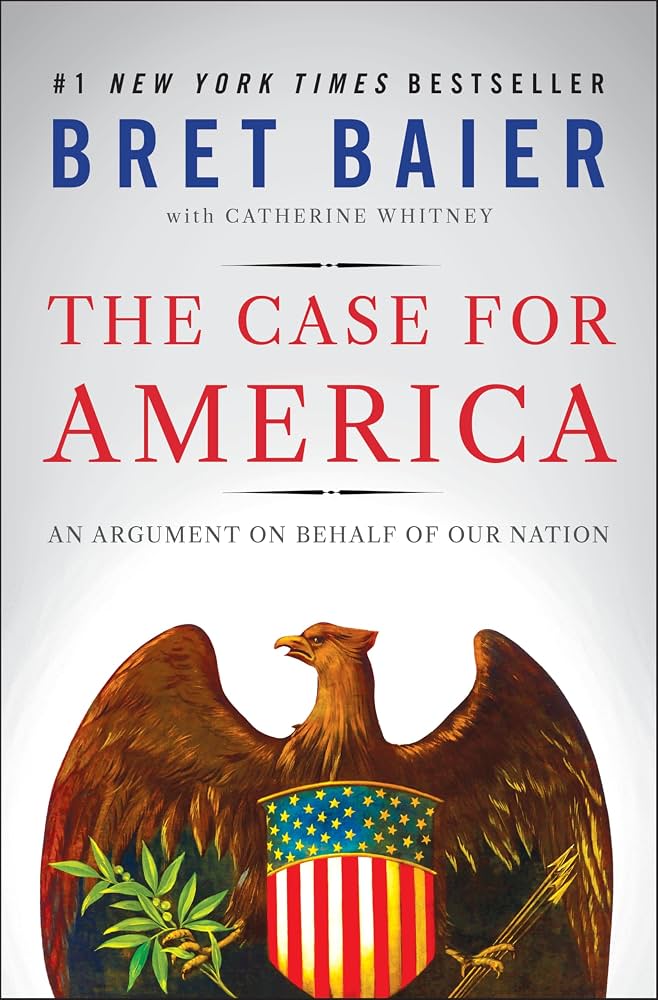
Fox News Channel’s political anchor Bret Baier’s new book, “The Case for America,” is just in time for the 250th anniversary season. It feels a bit hasty in its composition, which gives a reader the sense that it was a book aimed at a ready market: people who want a book that is positive about the United States at this particularly divisive juncture, when many think the country is on the verge of its third political divorce.
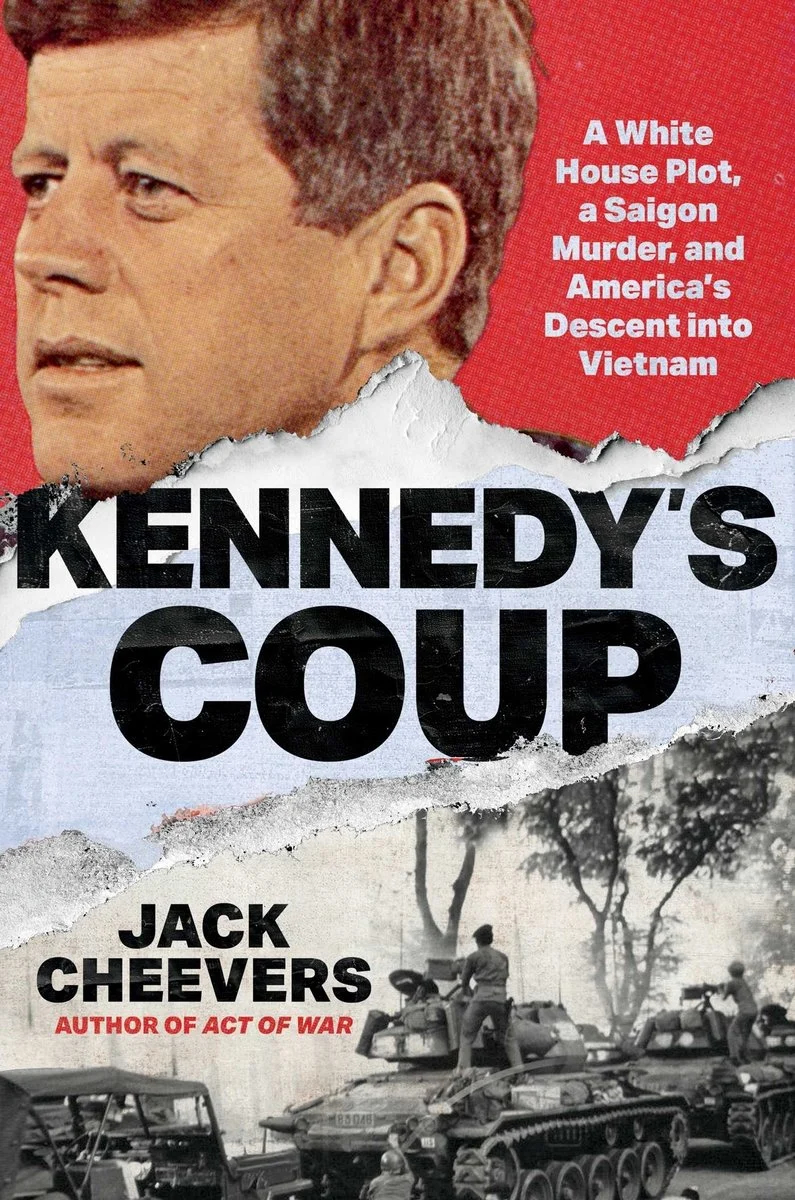
Other books examine the same subject, though none are quite the same sort of synthesis this book is, a massive history that reads a bit like a massive novel. Indeed, as the accumulation of detailed narrative mounts, the reader finds it more unreal and unfocused, as if, as George Orwell said, in Asia, the closer and more finely tuned the view, the vaguer it gets.
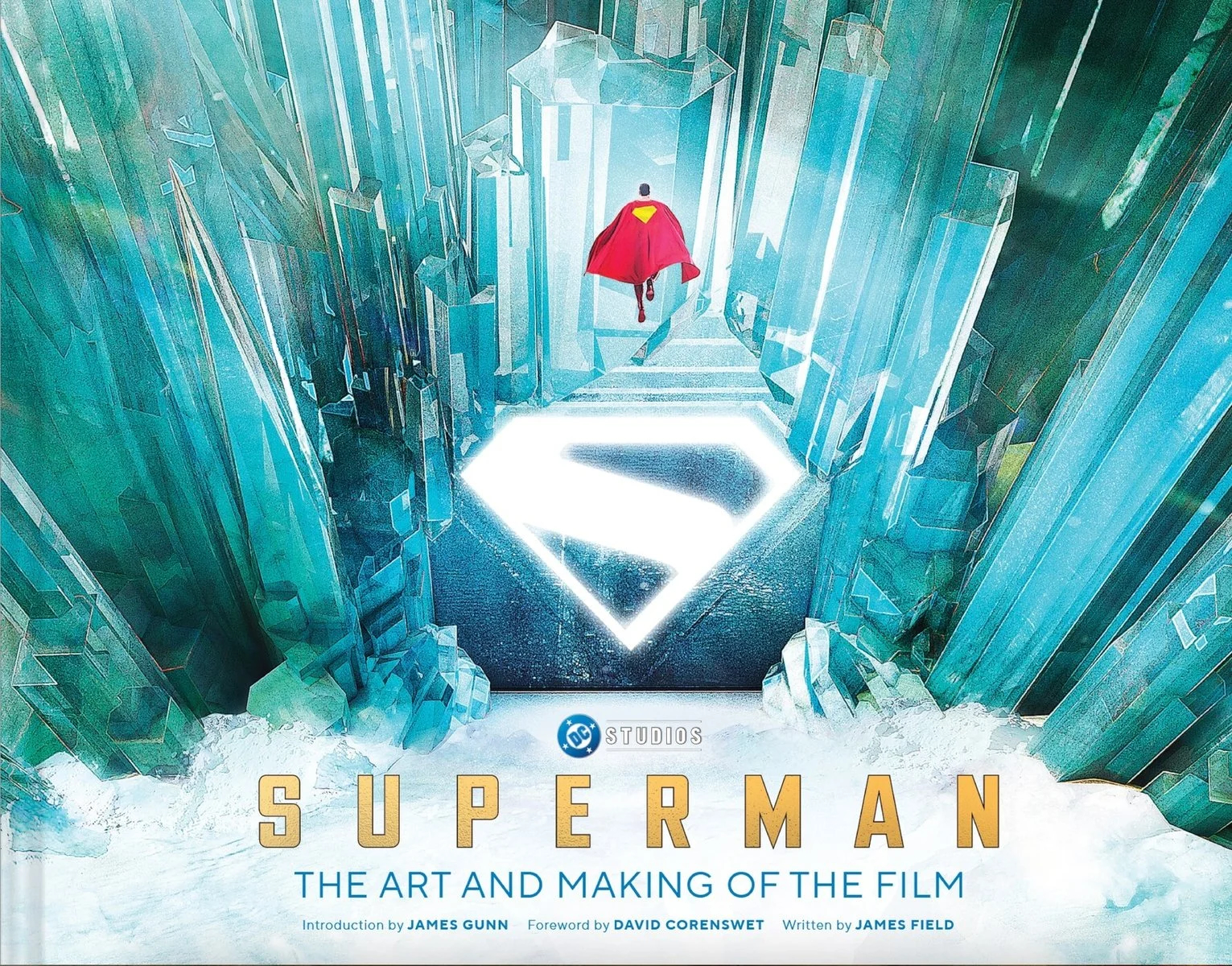
It can be argued that Superman is a fascist symbol, or that he is a reworking of Jesus Christ or the American tall-tale hero, that he embodies the myth of the American Century, the Age of the American, or that he symbolizes the hegemony of American overreach and dominance. He is the quintessential American and the ugly American in the world of the right and the left.
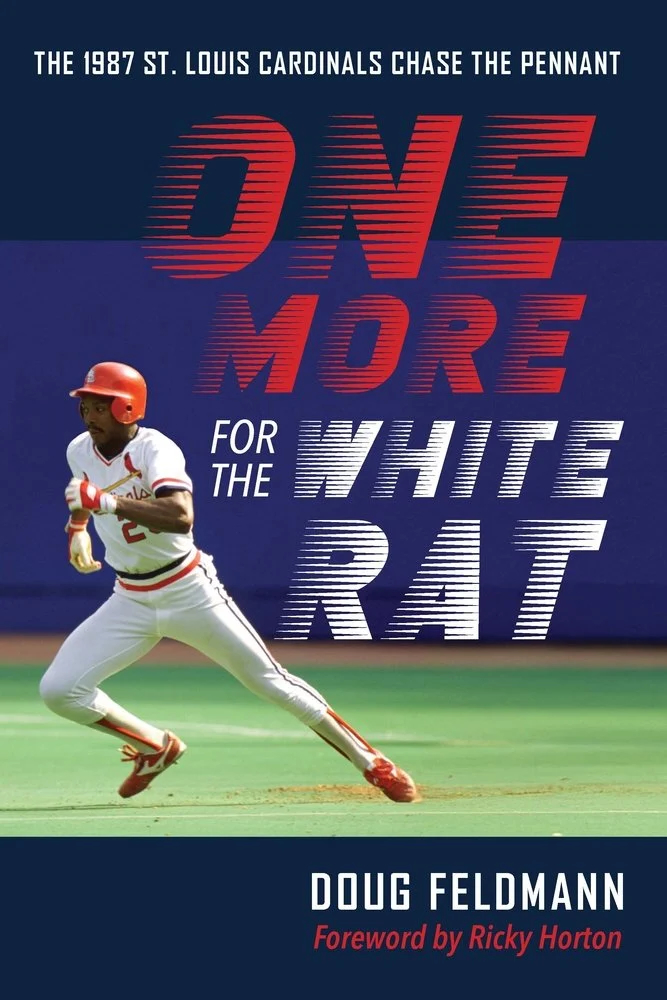
The Cardinals under Hall of Fame manager Whitey Herzog (nicknamed the White Rat) were the daredevils of St. Louis in the 1980s, our biggest disappointments and our greatest heroes. St. Louisans lived and died for the guys who wore the birds on the bat. And this era was named for the style that the Cardinals brought to the game, Whiteyball.