Seven Words English Needs
May 22, 2026
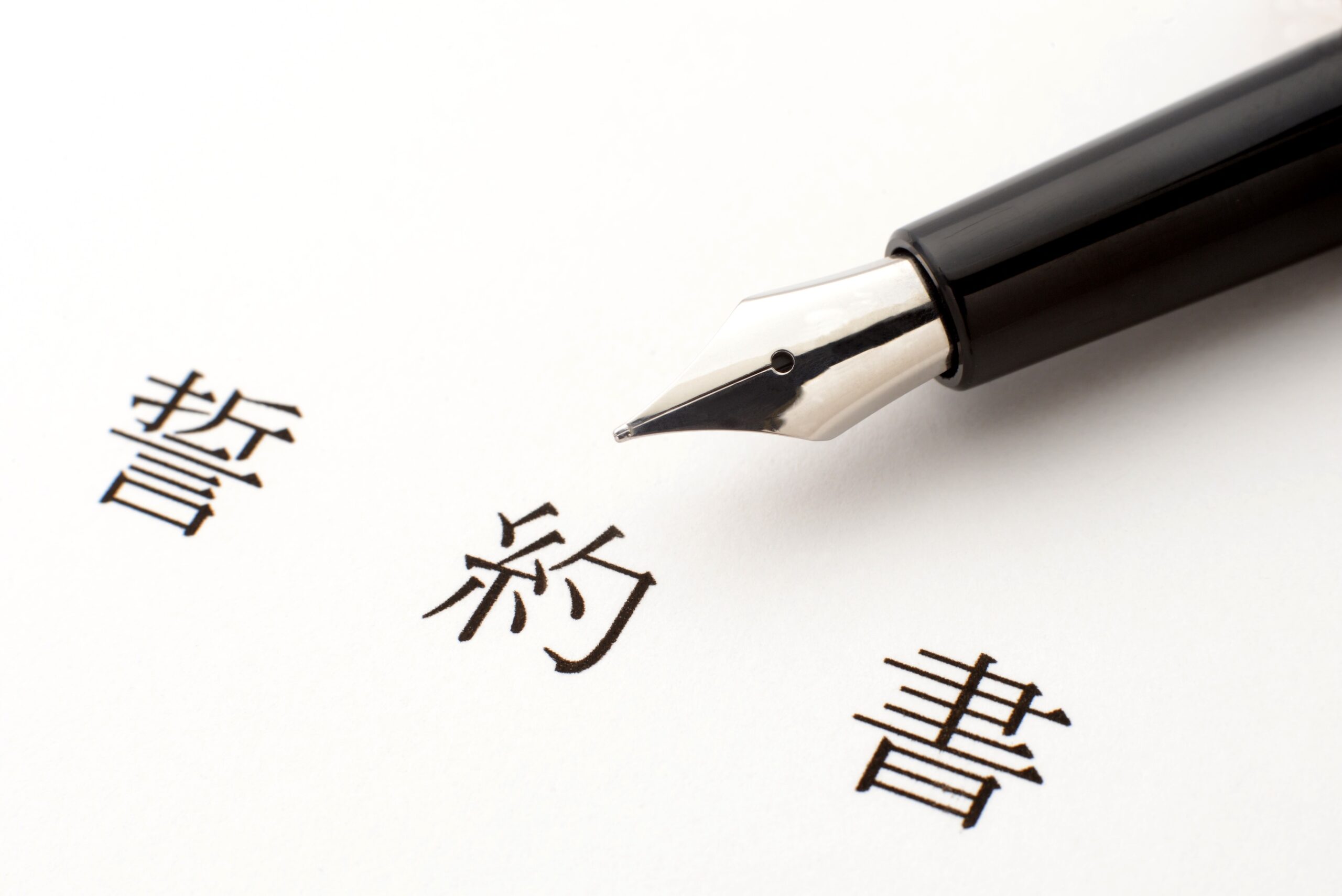
The other day, a post on Threads stopped me mid-skim. “I am a Japanese woman,” it began. “Here are seven words my language has that English desperately needs.”
For a decade now, I have been collecting words from other languages. After years wallowing in English vocabulary like a muddy happy hippo, I rose, shook myself off, and admitted that the puddle was too small. As Saul Bellow, chafing against the limits of writing in American English, once told The Washington Post:“We are great at counting warts and blemishes and weighing feet of clay. In expressing love, we belong among the undeveloped countries.”
The seven words on the Japanese woman’s list make his point—and add to it.
First, she suggests “skinship”: “The intimacy of bare skin against skin. Without agenda. Without sex. Just warm.” Borrowed from English, by the sound of it, but used in Japan and South Korea, not here, because we shy away from intimacy that is not sexual, not transactional, thus humbling in its admission of need. Also, thanks to bad experiences, a rumor mill that runs unchecked, and a tendency to sue, we no longer hug other people’s children, and a casual arm slung around a colleague’s shoulder is verboten. I know people who pay money they cannot afford for a weekly massage, just to be touched by someone.
Next, kuuki wo yomu: “Reading the air. Sensing what someone means without them saying it.” This is not mind reading,” she clarifies, but “heart lis—” The post breaks off there, but even we can guess she means listening. In this country, though, we have no time for listening. We demand clear, assertive, effective communication in every relationship for every purpose, and the workshops and self-help books sell out. Our own most meaningful, stumbling thoughts, we save for paid professionals. And those of the people we love? Rather than scan for subtle undercurrents, we scold our beloveds for not communicating well. Somewhere along the line, we decided that communication was extroverted, an insistent audible recitation of the inner life, and should not require any deeper listening or discernment.
Amae: “The desire to be loved and cared for. Without shame. Without apology.” I am already nodding, remembering Bellow, when she adds pointedly, “Japan does not see this as weak.” Why do we? Because that raw hunger makes us nervous, makes us vulnerable? We brand those who acknowledge this need as insecure, immature, spoiled—when what they are expressing lies at the core of the human condition.
Ma: “The meaningful space between things. Where tension lives. Where desire breathes. Where silence speaks.” When do we leave space for any of that? We cram houses shoulder to shoulder, leaving their inhabitants no room to breathe, let alone plant a shade tree—just so the developer can make more money. We cram our lives just as tightly, always in search of stuff to buy and stuff to do. Tension, we label “stress” and drink it, vape it, or spa it away. Desire cannot be savored; it moves straight to the click of purchase or porn. As for the space of silence, we are terrified to let it speak. Fill it and turn up the volume.
Natsukashi: “A nostalgic warmth that aches in your chest. Not sad. Not happy. Just beautifully hum—.” Again, the post breaks off. Human? Humble? Either works, and both are often missing in our achievement-driven society. When we feel nostalgia, it is often coupled with fear and a consequent resistance to change. So we try to legislate our memories, coercing the rest of the country to recreate what we miss.
Yugen: “A deep grace that cannot be spoken. Only felt. Like the moment before a kiss that never comes.” Well, our kisses come fast. We forget that what is unconsummated will live in the mind and heart forever. We forget that there are ways to love that have nothing to do with the body’s needs, yet can forge an even more profound connection. How can we forget this? Because we have been trained to be transactional. Tit for tat.
Ichigo ichie: “One meeting. One opportunity. This moment with this person will never happen again.” We might say “once in a lifetime”—but we would say it to hawk a special event or sale. The notion of sharing a single, unforgettable, unrepeatable moment with another person defies capitalism, a system in which more is always better, pleasure must be repeated, and limits must be pushed until they snap. Ichigo ichie would require gratitude, and the ability to treasure and let go.
She ends the post with two short sentences: “The West has therapy. Japan has language.” If we had language of the same sensitivity, we might put a few therapists out of business. Language is free; it can be used with anyone, whenever we like. It can name subtleties, draw distinctions that clarify a blurred feeling, add tone that is gentle or sharp or searching. Yet few of us choose our words with care. Texting and emojis have steered us toward the shortest, simplest, most common and serviceable words, the one-size-fits-all words that fit hardly any situations well.
What happens to our kids, if they do not have a vocabulary rich enough to delineate their inner world? We have outsourced expression to AI. Now I pity our therapists, because it must be harder every year to extract nuance from a few stock phrases. Yet if you have spent some time scouring online thesauruses and thumbing through yellowing print editions and querying “what is the word for that feeling where you…”– you knowhow much it matters, how a single syllable can nudge meaning in a different direction altogether.
What language we have—that colorful, sharp-cornered hodgepodge of words we cribbed from other languages because they let us do and fix and win—is shrinking. But there is a deeper layer to our poverty. We do not take much time for language, for reading “hard” books, for learning unusual words, because we move too fast, bore too easily, and care more about what is practical, or lucrative, or shiny. The minute our culture begins to cherish quieter joys—tenderness, wordless communication, humility, gratitude, unfilled time, unfilled space, unfulfilled desire….
The words will come.