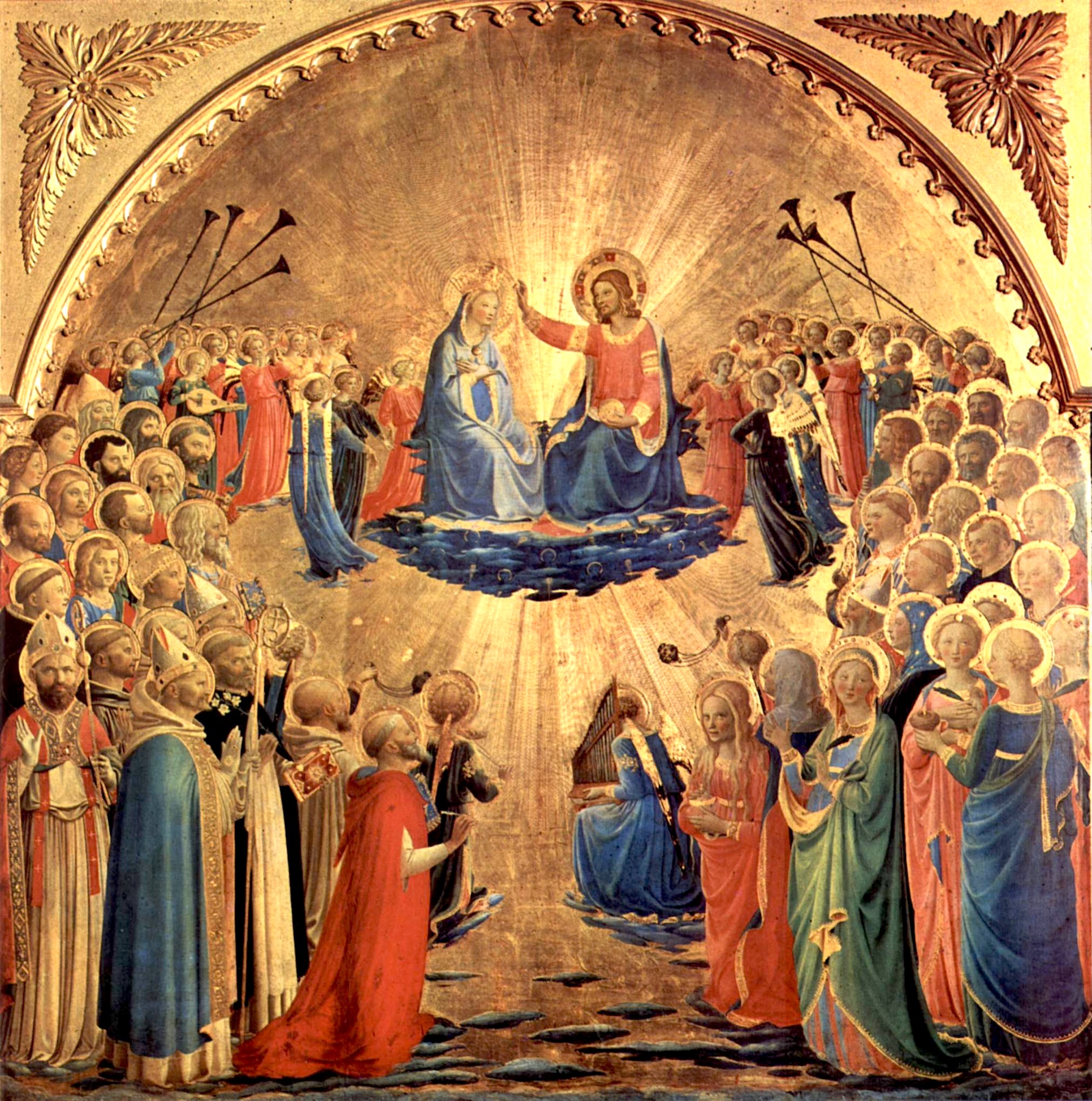
The Halo Effect
We seem to need symbols to be sure of who someone is. And since one is supposed to avoid moping virtuously in sackcloth, a sign of holiness is helpful.
We seem to need symbols to be sure of who someone is. And since one is supposed to avoid moping virtuously in sackcloth, a sign of holiness is helpful.

The common denominator in all smug characters is that they are closed. Closed to new ideas, to a more flexible way of thinking, to vulnerability and humility, to wonder and curiosity. They live in their own tight world, safe from challenge, always correct.
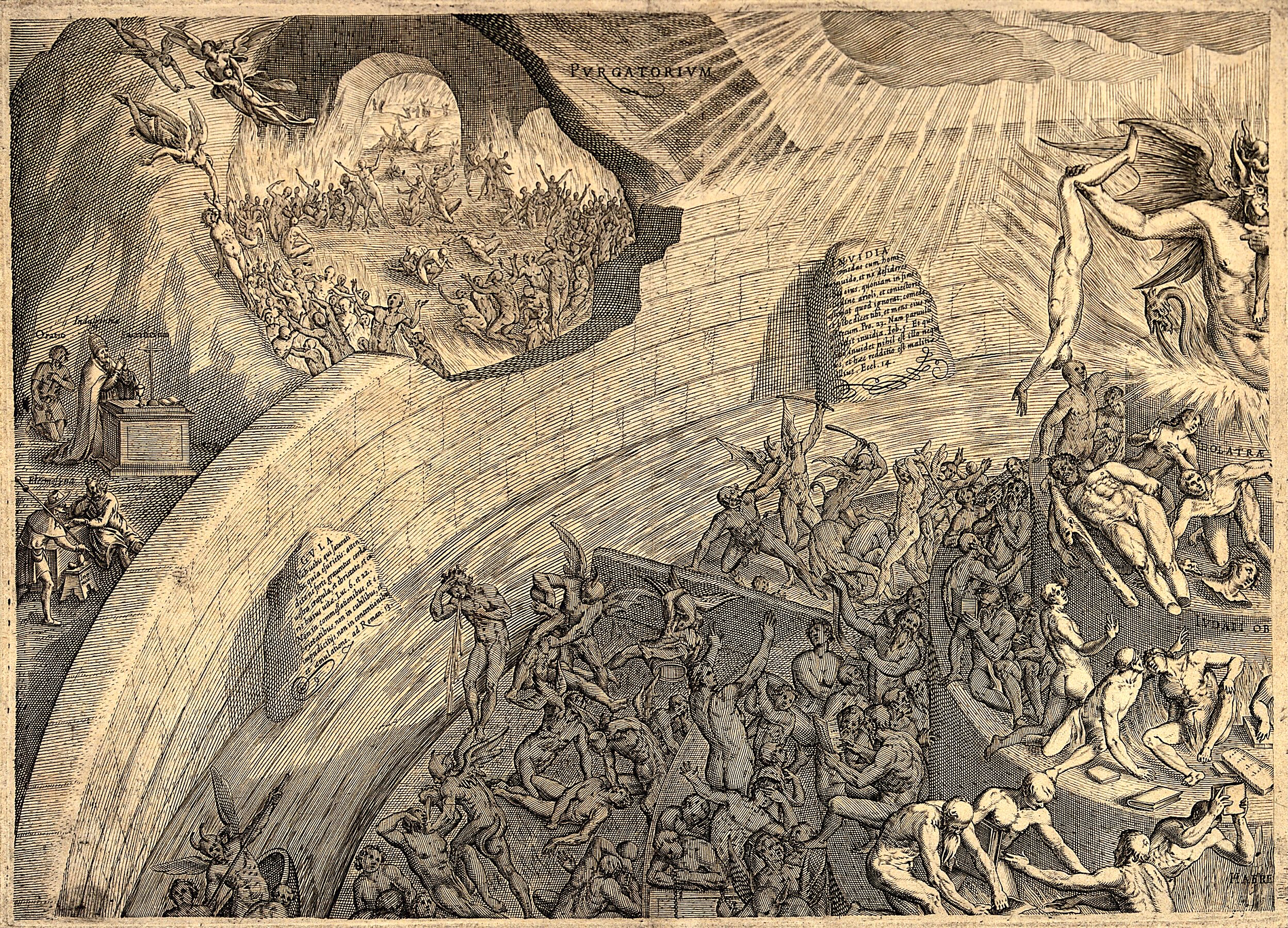
At twelve, I read that in Purgatory, souls were purified with a cleansing fire, removing small sins, whisking away tiny bits of filth, mending any cracks. My father had to be made ready to enter the presence of God.

“Those poor brutish Epicureans that have nothing but the meer husks of fleshly pleasure to feed themselves with.” ~John Smith, 1660
How did we get Epicurus so wrong? Foodie websites, luxury magazines, gourmet shops…he would be aghast. His goal was to remove pain and fear, not pile up…
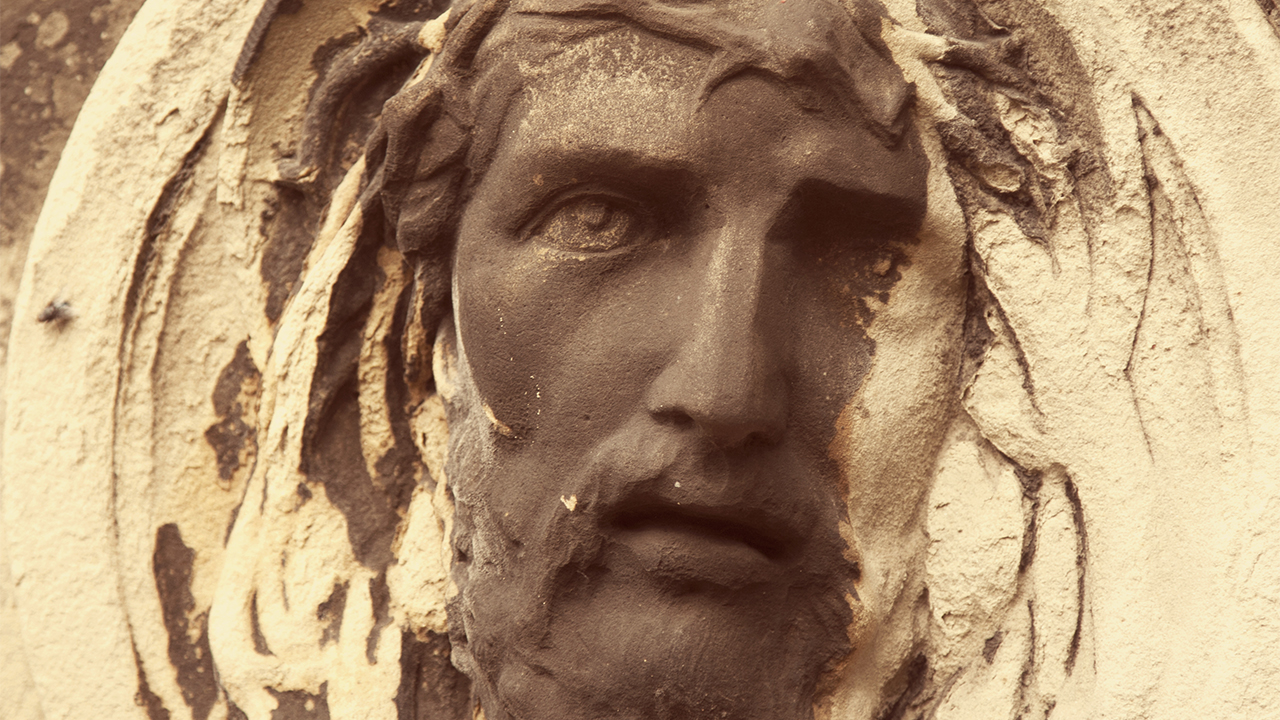
“Who do people say that I am?” Jesus asks, and everyone has a different answer. King, prophet, peasant, rebel, son, shepherd, rabbi, redeemer—to this day, Jesus is what each of us needs him to be.

A solid old brick house on Clayton Road with a sign outside: Living Insights Center. A meeting place, maybe, some kind of recovery program? I step inside. In the first room to the right, a lifesize statue of St. Therese of Lisieux gazes at an illuminated Qur’an, a silver…

I am not losing my faith. I am wondering where that religion truly is. Is this really the place where God Himself enters into physical form in our midst?

The tech bros must have stumbled onto Abraham Heschel’s book about the Sabbath.

People worried sick about bigotry used to murmur, “Our hope is the young people.” Now the opposite is true.

Why would I not desire a good Camembert, or a sweater soft as a lamb?