It’s Alive!
Two hundred years of the world’s most beloved monster.
October 26, 2018

Two hundred years of the world’s most beloved monster.
October 26, 2018
Season's readings, and a 2020 roundup, for a year that could never end too soon.
Washington University students contemplate activism, the forces of the pandemic, and their futures as they return to school and working life.
I did not understand how this faith community could have such unshaken “certainty” about the world. Especially a certainty that does not make sense to me. I felt curious about it.
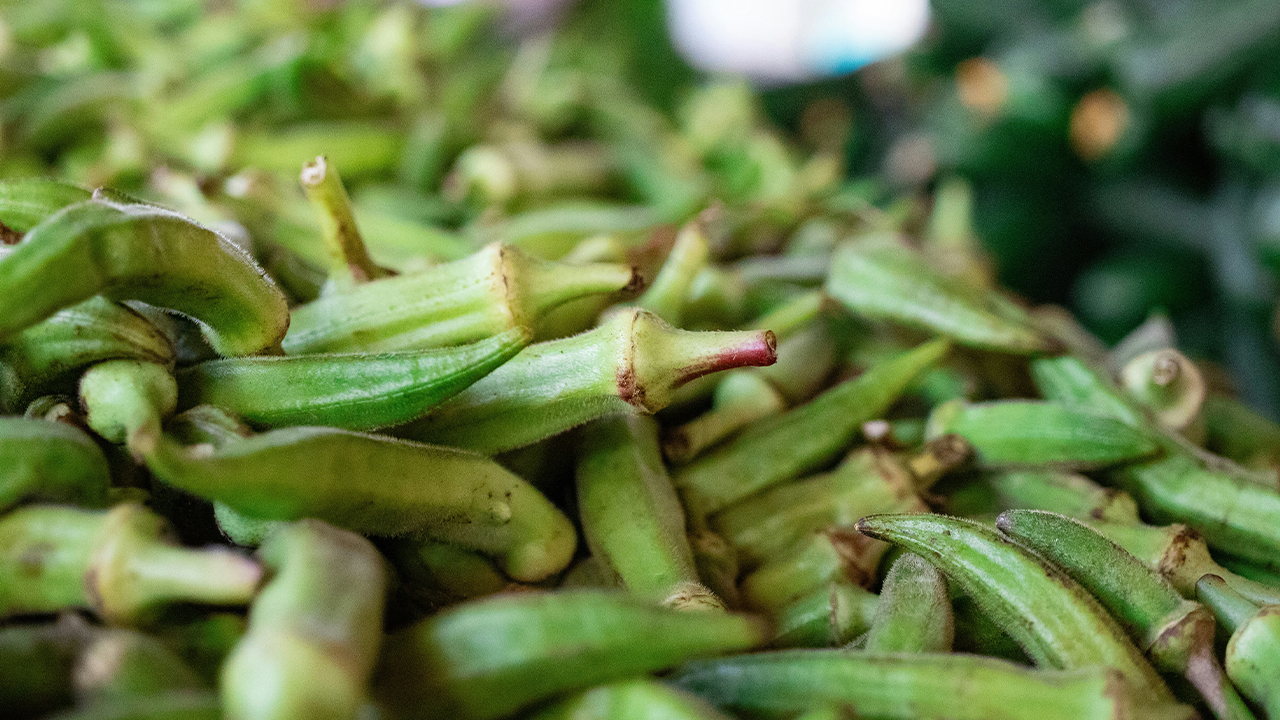
I had come to understand St. Louis through its divisions, through the Delmar Divide and the strange geography of abundance and deprivation that I had stumbled into on that bus ride years earlier. But food made the division feel different.
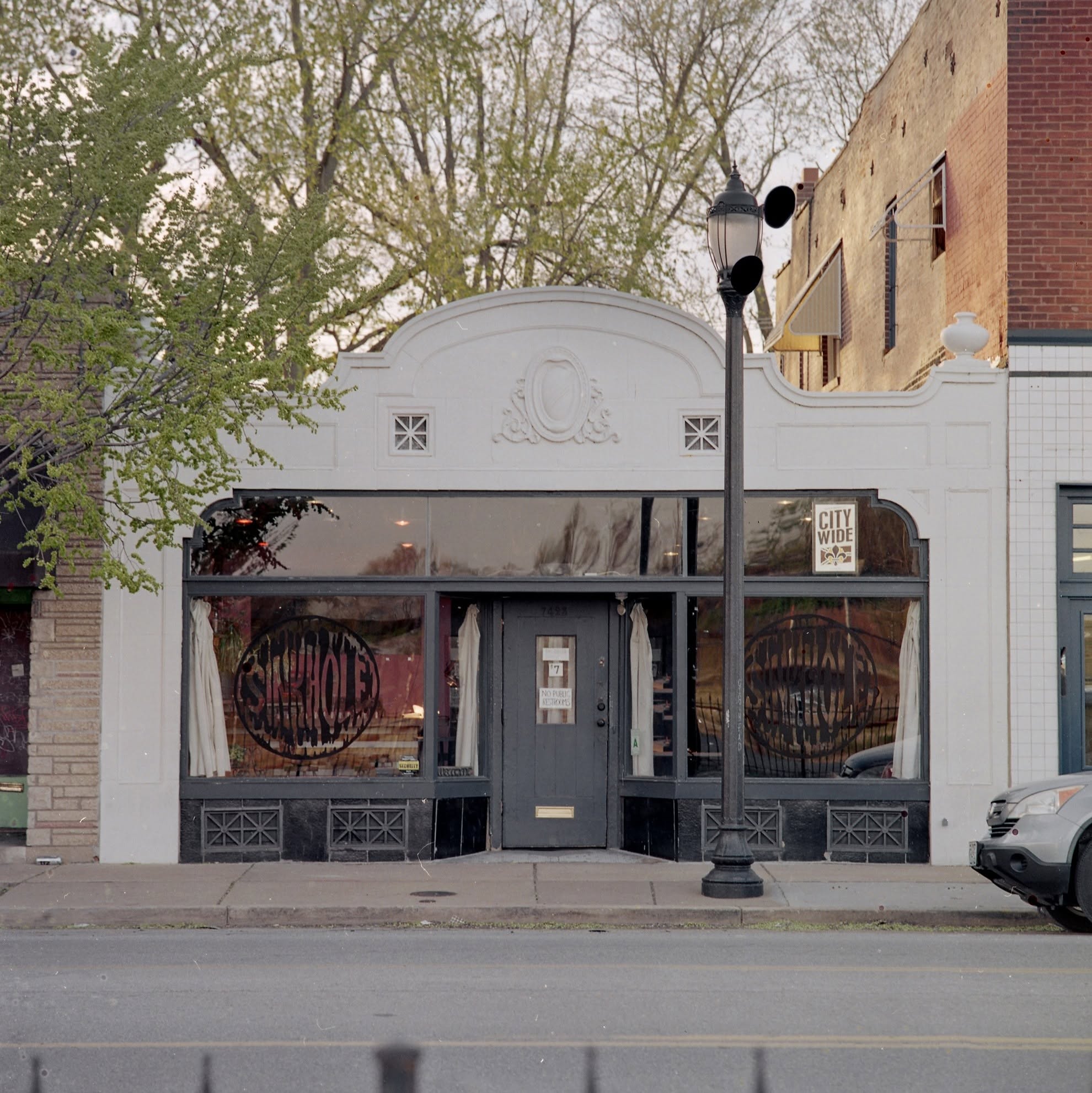
Located on Broadway in St. Louis’s historic Carondelet neighborhood, the venue has become something of a billowing steam vent in the city’s punk, hardcore, and metal scenes. A bastion to the do-it-yourself ethos long embraced by the subcultures of underground music, The Sinkhole boasts a single room, one bar, and a ceiling as low as its overhead.
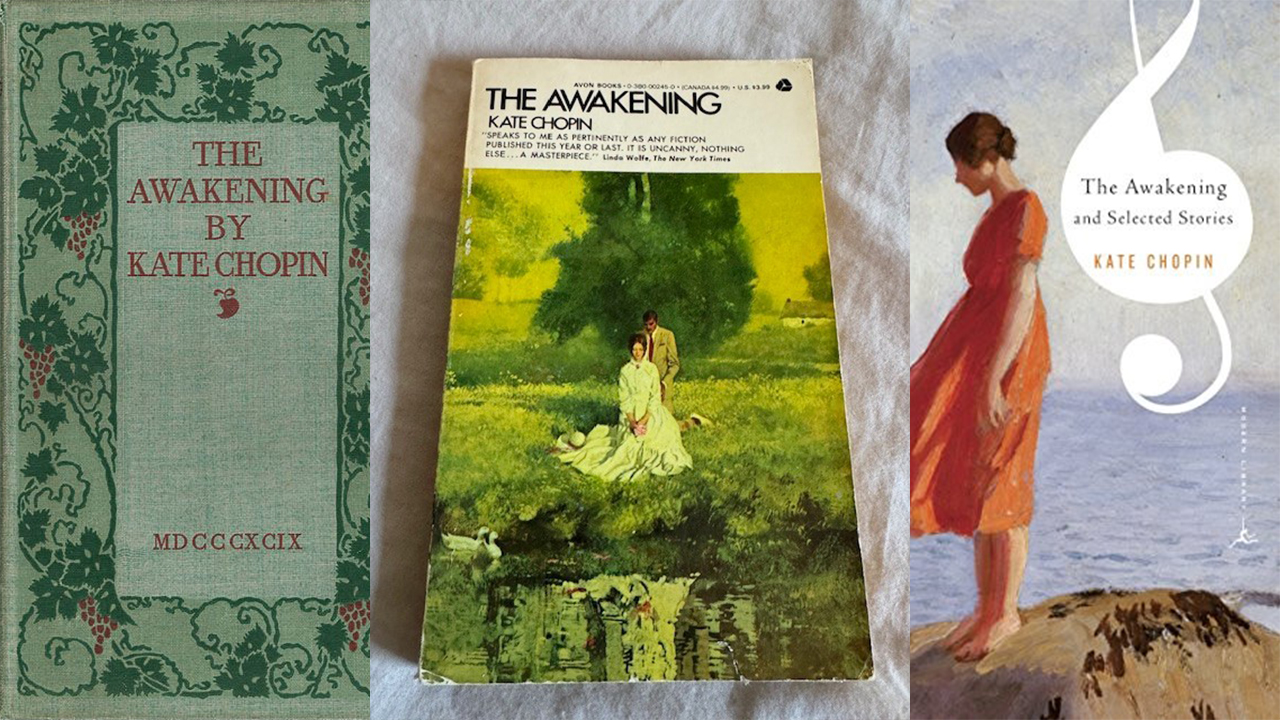
By the time it was gone, the change was subtle but unmistakable: one corner left without its figure, one pedestal left bare. But to understand why that absence matters, it helps to understand who Kate Chopin was and the stories she wrote.
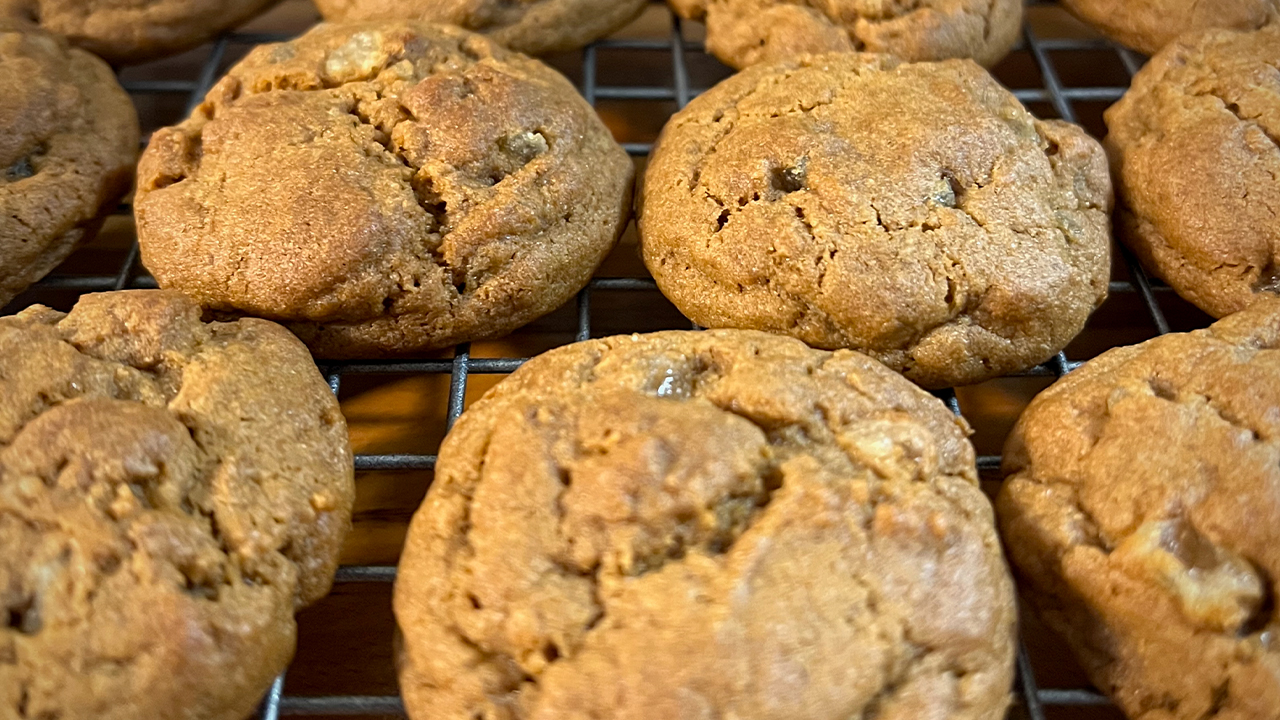
The ginger nut (and by association other cookies of its type, such as those made with black peppercorns) has an aggressive presence but offers scant sustenance. It is meant to aid digestion of other things, to have a warming effect in winter, to relieve boredom, and perhaps to remind us we are alive in the sometimes dry, husky business of life.

Having lived in the United States for a few years, I have either struggled to understand democracy in practice or struggled to keep up with it.