
Learning How to Lose
This was not how I understood myself. I grew up playing everything: basketball, volleyball, soccer, but mostly swimming, where competition felt clean and measurable. You either touched the wall first or you did not.
Noa Ablin is a senior at Washington University in St. Louis, majoring in English Literature with a concentration in publishing. She has written multiple articles for The Jerusalem Post, including a cover story, has contributed a sustainability feature for Trellis, a business and sustainability media platform, and published work in The Jewish Journal. Her writing spans a wide range of topics and genres—from sustainability to contemporary art to investigative reporting—reflecting her versatility across journalistic and editorial contexts.
This was not how I understood myself. I grew up playing everything: basketball, volleyball, soccer, but mostly swimming, where competition felt clean and measurable. You either touched the wall first or you did not.
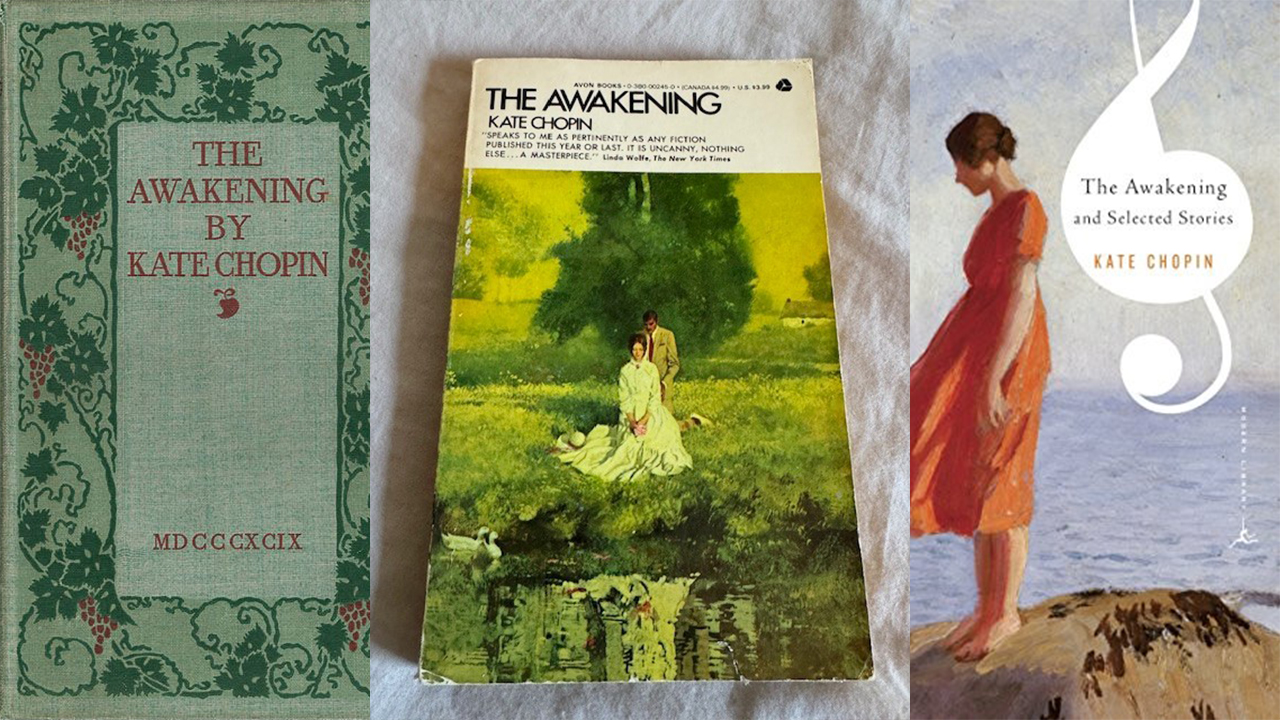
By the time it was gone, the change was subtle but unmistakable: one corner left without its figure, one pedestal left bare. But to understand why that absence matters, it helps to understand who Kate Chopin was and the stories she wrote.
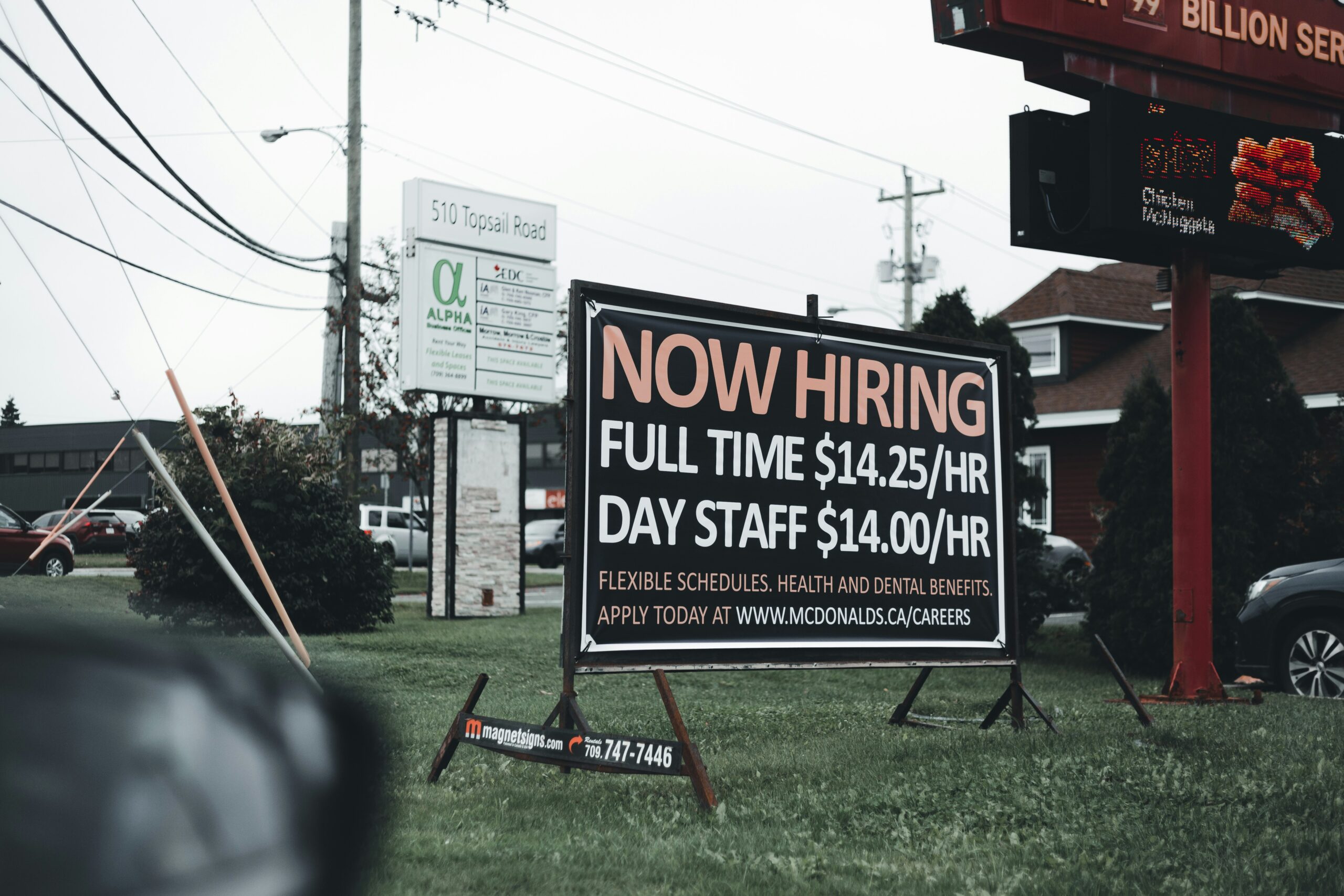
For many college and university graduates, this is not a brief phase but a long-term reality, one that turns the job market into something that feels less like a promise and more like a gamble.
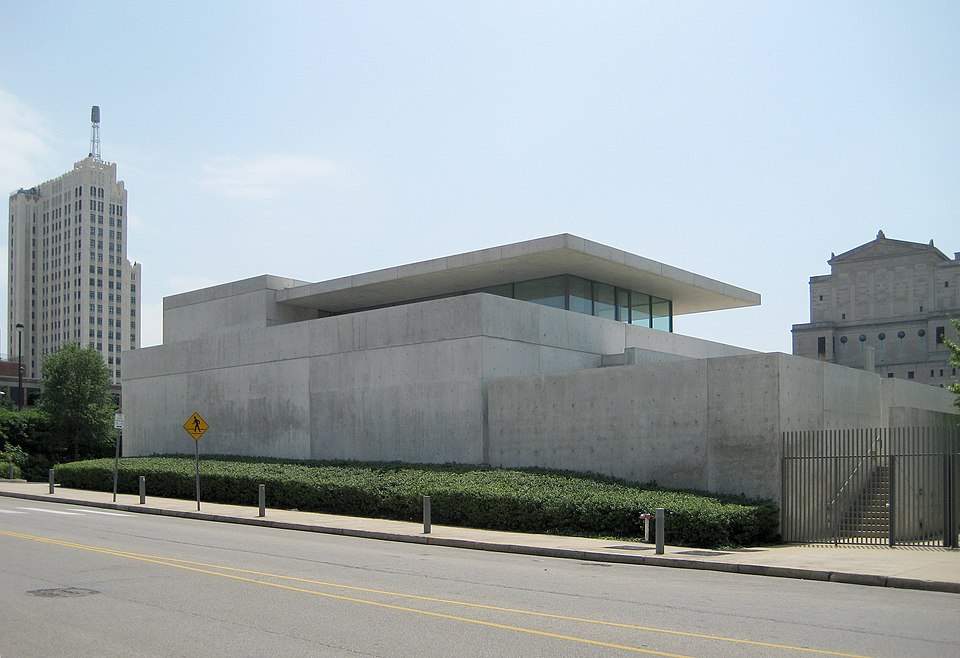
In a museum, we often try to understand what a painting means and where it is coming from, placing ourselves at the center of the experience. This sculpture removed me completely. I was forced to look outward instead of inward, as if I were seeing a world that existed without me.