Rejected by an Algorithm
Are we at the mercy of our machines, then? This is the crux, the reason I could not swat away this buzzing frustration. It feels helpless in a way that is bigger than the issue at hand.
Are we at the mercy of our machines, then? This is the crux, the reason I could not swat away this buzzing frustration. It feels helpless in a way that is bigger than the issue at hand.
Extricating the female body from sexual desire altogether would be a societal wardrobe solution—but I doubt that is what anybody wants, even if it were possible.

Sowell has forthrightly challenged his critics and detractors with the sheer volume of his work. In the blood sport of academic disagreement, that production is the sign of the bruiser. Whatever the reason for the neglect of Sowell, Jason L. Riley provides us with a much-needed book.
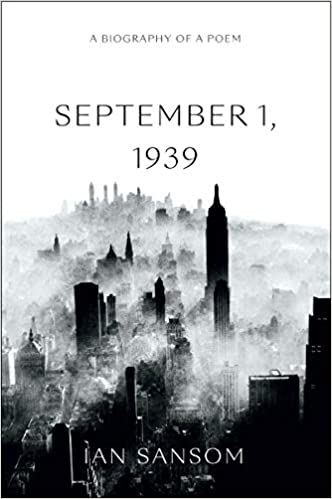
While Sansom’s September 1, 1939 professes to be a biography of Auden’s poem, the result borne out by the actual structure of Sansom’s text and the nature of its many self-reflective digressions complicates that goal.
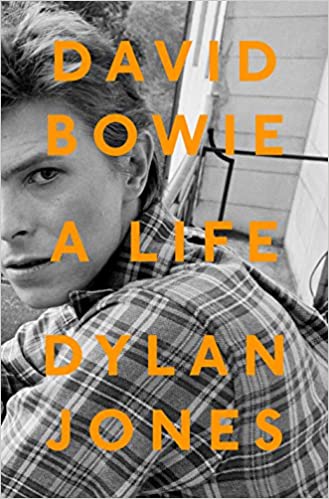
From David Bowie’s cousin to his childhood friends, his managers, musical collaborators, girlfriends, writers such as novelist Hanif Kureishi, and extraneous celebrities to the last word of the midwife present at Bowie’s birth, A Life leaves almost no stone unturned, no corner empty, and no speculation left unsaid.
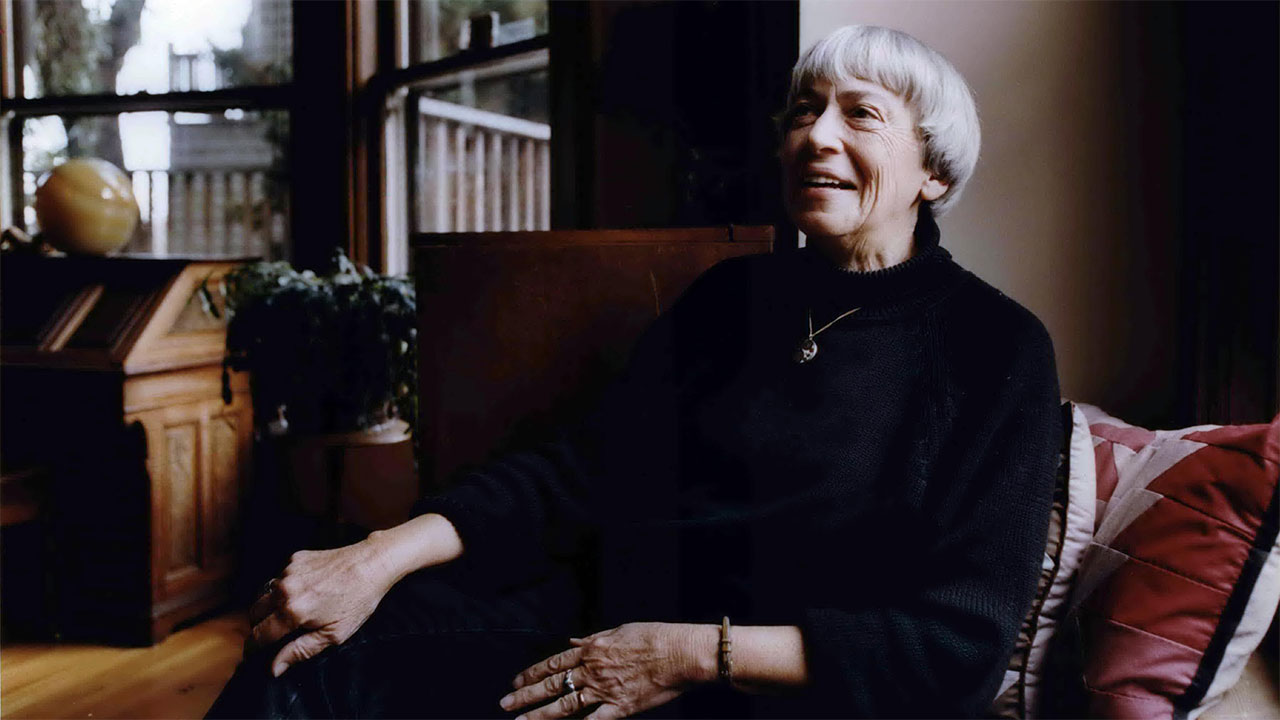
Ursula K. Le Guin created an alternate history for our wayward species so suitably epic in scope, theme, and detail that it rivals anything Isaac Asimov, Arthur C. Clarke, and Robert Heinlein conjured during the so-called Golden Age of Science Fiction.
There is a reason we use the word “intimate.” Sex cuts closer to our core than any other physical act. It can rip away the garb and the façade, break through the boundaries, ease loneliness, soothe anxiety, restore a sense of self.
We follow an identity, a persona, for what it brings us in digital form. We change our own identities, too, adopting a handle or username that no one will connect to the dork paying taxes on a ranch house in Poughkeepsie.
The curators of News on the Web did us a painful favor when they collected the new words of the past decade.
O’Farrell avoids naming Shakespeare in her novel, calling him “the tutor” when Agnes (Anne Hathaway to us) falls in love with him. This lets us avoid all the pompous scholarly baggage and know him as a young man driven by his love of language and theater, his gifts of wit and knowledge.