What Cannot Be Spoken
Novels, news, plays, debates, speeches, texts, films, podcasts, instructions—we move through life on a conveyor belt of words. Yet the most powerful are those that cannot be uttered.
Novels, news, plays, debates, speeches, texts, films, podcasts, instructions—we move through life on a conveyor belt of words. Yet the most powerful are those that cannot be uttered.
The first Davis movie I ever saw was "Whatever Happened to Baby Jane" in about 1963 or 1964 when it was first telecast. I must have been eleven or twelve, and the film scared the heck out of me.
In the past two decades, more than one thousand children have taken anxiety and dread deep into their bodies, falling into what has been named uppgivenhetssyndrom, a giving-up we translate as “resignation syndrome.” They withdraw into a catatonic state, showing no response to stimulus, sustained for months or even years by a feeding tube and diapers.
The explosion of interest in NFTs seems a harmless quirk of the market, like the absurd price a retro action figure, boxed and pristine, can command on eBay. But why would the mere fact of $74,000 wipe away skepticism and convince us, purely by the abstract value attached to the abstract cryptocurrency used to buy intangible pixels, that such barter holds promise for our future?
Cows see more than we realize. Hariana cows, writes Lampert, insist on authenticity and will “go quite crazy” if someone lies in their presence. Mainly, though, they contain their criticism. “Cows are among the gentlest of breathing creatures,” Thomas de Quincey wrote.

The story of Delyte Morris and the Southern Illinois University he created is what Robert A. Harper calls “a story of unlikely success and a tragic end.” It does read like an American tragedy, somehow, based in a rustic start, ambition, ingenuity, and the fallibility of good intentions.

Rochelle Spencer’s "AfroSurrealism: The African Diaspora’s Surrealist Fiction" is a specific contribution to an important cultural genre and milieu. But it is also an argument for how to look at the world.
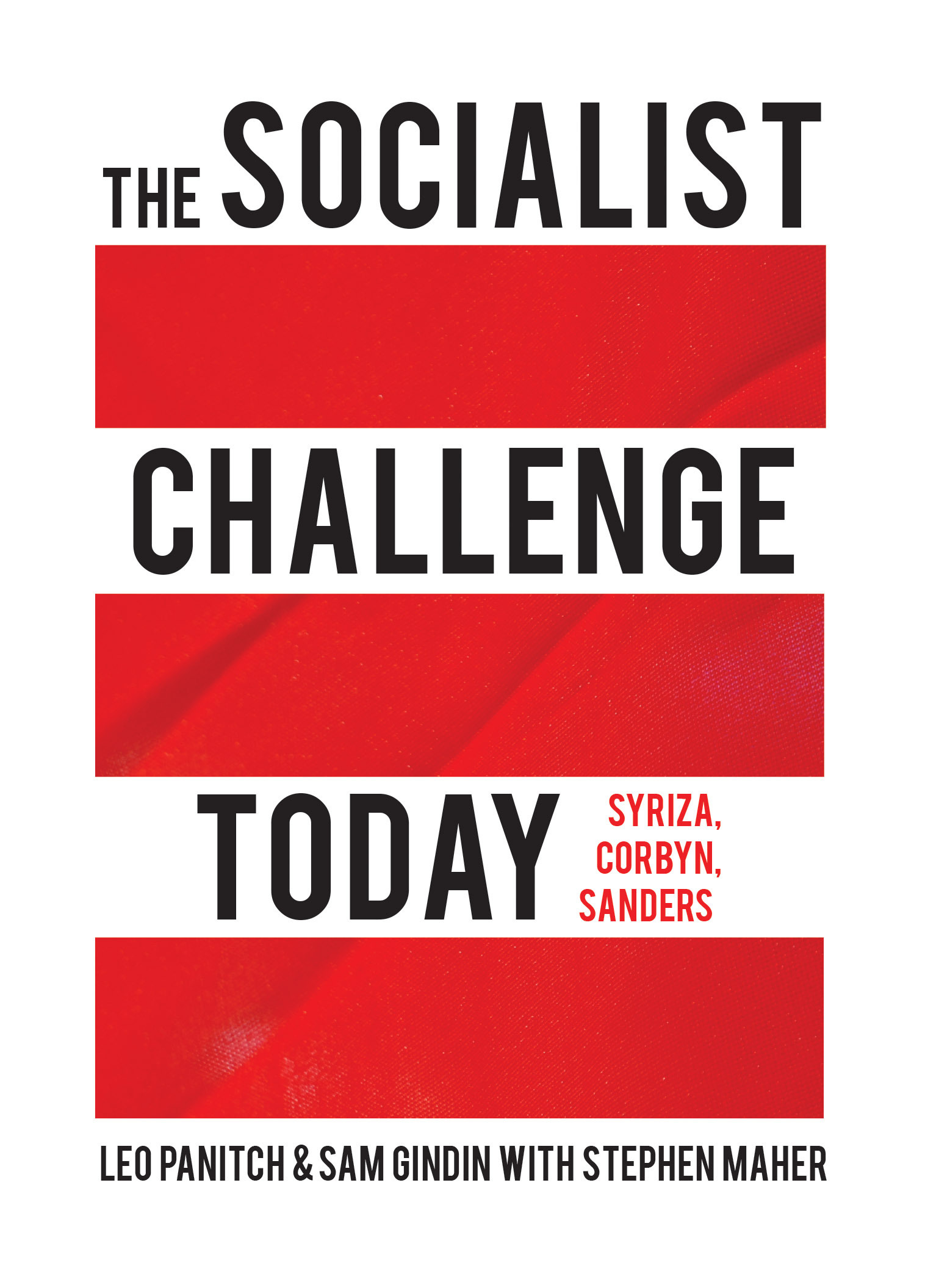
The Socialist Challenge Today is an essential read. It provides “revolutionary realism” in its analyses and is free of naïveté, pessimism, and–especially–replications of revolutionary strategy frozen in amber from the twentieth century. That alone makes it a necessary addition to every socialist’s bookshelf.

In an artist’s hands, digital technology is a toolkit whose wands and transformations grant almost magical powers. But what about the rest of us, holding up our phones everywhere we go? Now we, too, live as Photographers.
The story of Delyte Morris and the Southern Illinois University he created is what Robert A. Harper calls “a story of unlikely success and a tragic end.” It does read like an American tragedy, somehow, based in a rustic start, ambition, ingenuity, and the fallibility of good intentions.