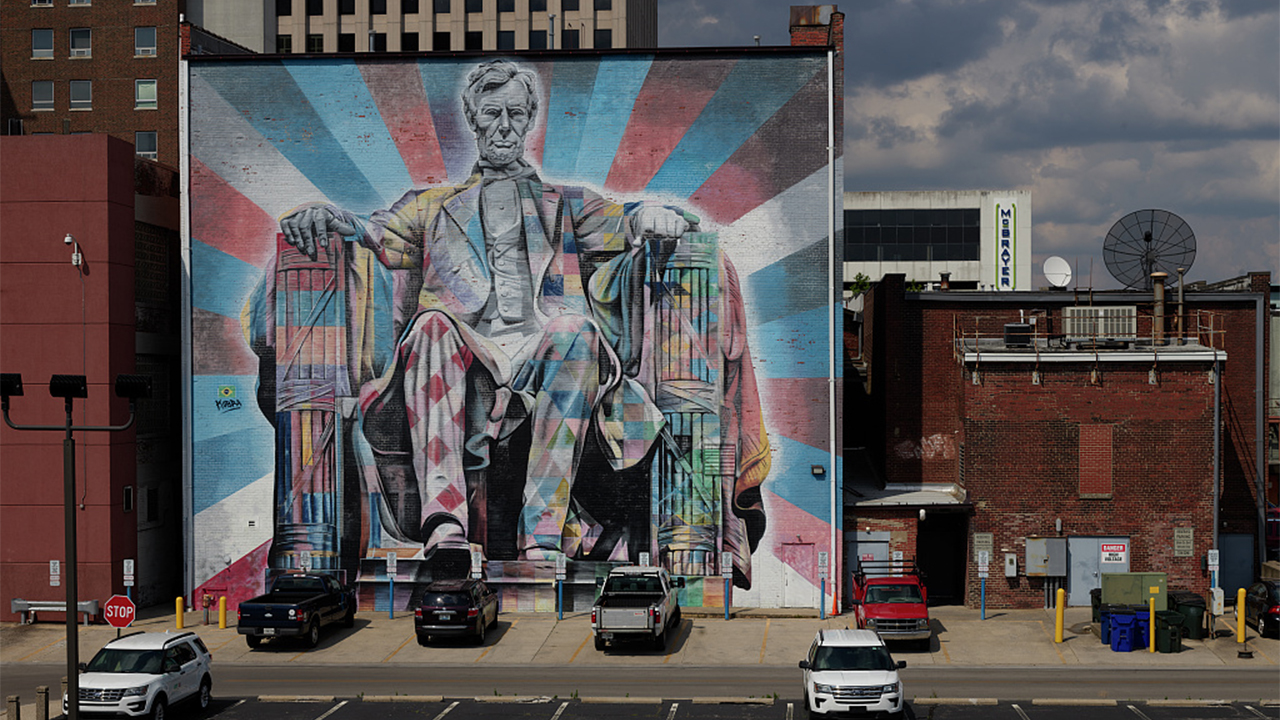
The Civil War as America’s Second Chance
At Trenton and Independence Hall, Lincoln wondered at the willingness of our patriotic ancestors to imperil their lives for a nation that did not yet and perhaps would never exist.
At Trenton and Independence Hall, Lincoln wondered at the willingness of our patriotic ancestors to imperil their lives for a nation that did not yet and perhaps would never exist.
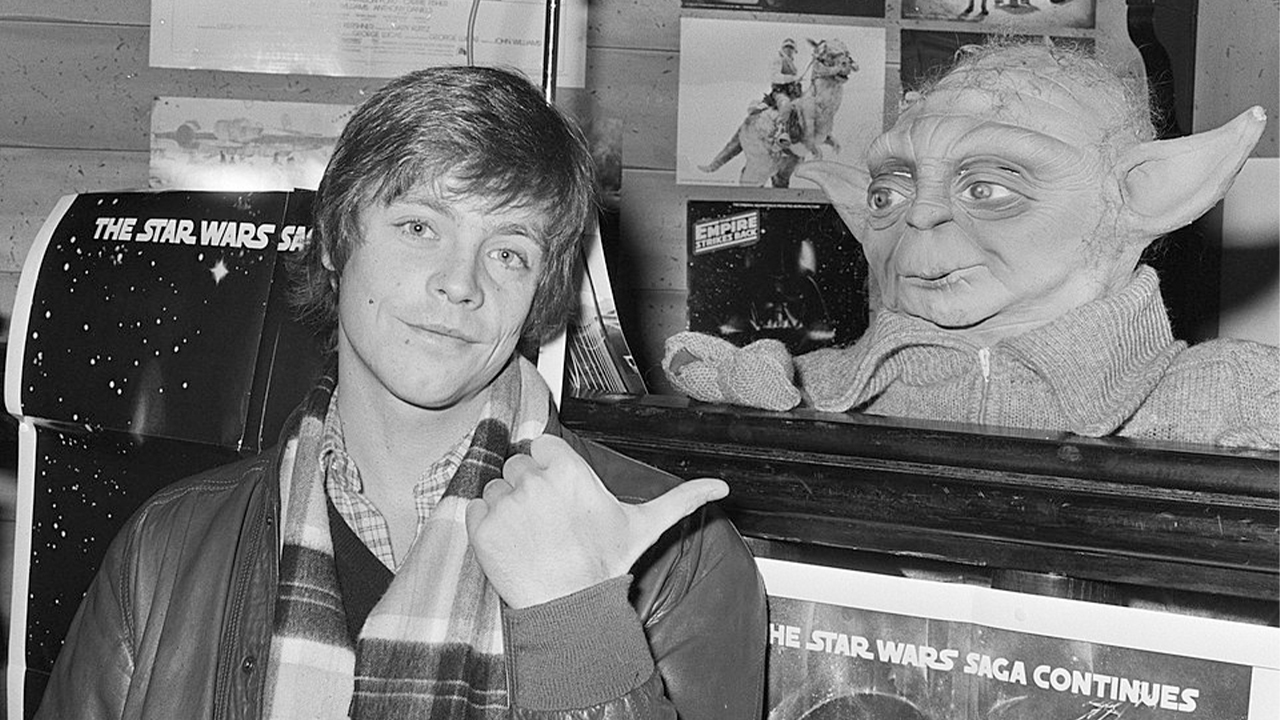
The real world is filled with transformative “second chance” stories—true tales of people who at some point in their lives answer the summons of a new path.
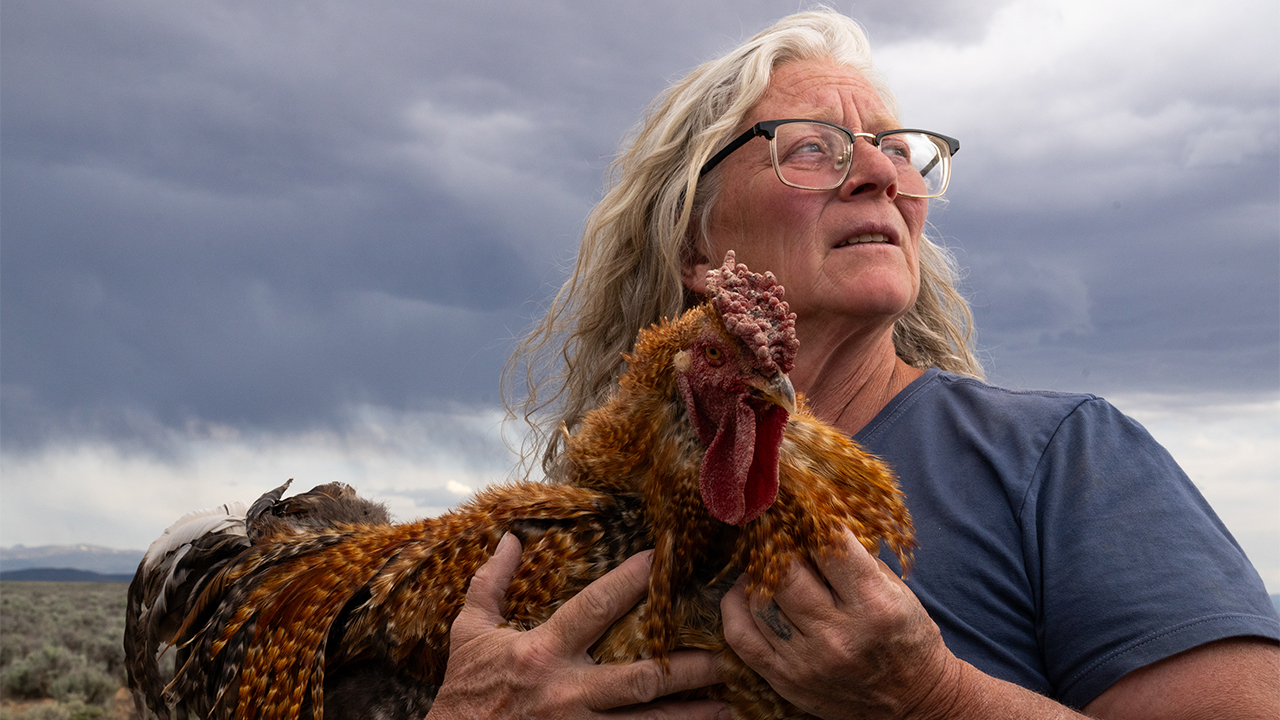
Life after prison often felt like one step forward, four back. In the desert years, what made Carole Alden’s life meaningful was trying to make conditions better for her animals. While the world struggled with wars, political, economic, and social chaos, she was grateful for qualified solitude.
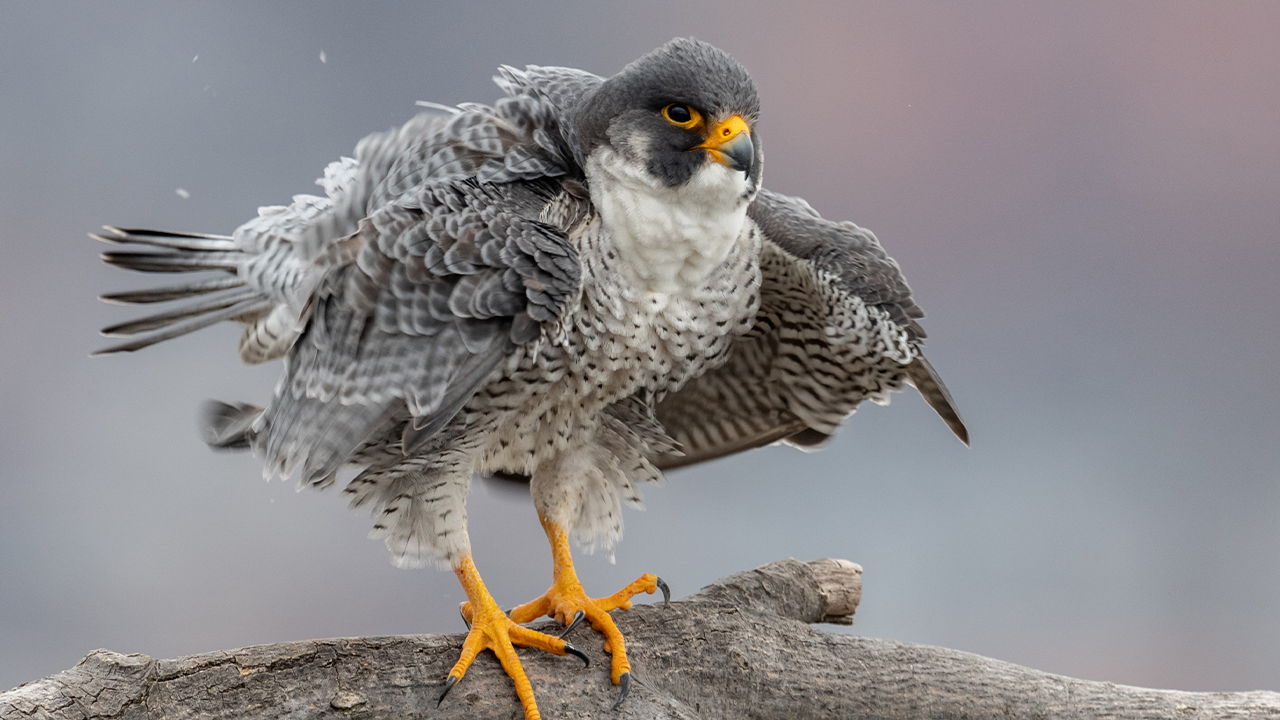
More than ten thousand species are now critically endangered. Humans have clear-cut forests, paved grassland, overharvested, overfished, and overhunted. Much of the existing ground is being strangled by honeysuckle, kudzu, vetch, cheatgrass, and various exotics. Can we get a second chance?

Wind itself can drive you crazy. Sometimes there is a hysteria to it, a shrill tirade that goes on for days, relentless, unappeasable. Sometimes it is angry, as though Zeus sucked in his breath to roar at us. Invisible and unpredictable, wind can stroke us with a lover’s tenderness in the morning and topple our home that afternoon.
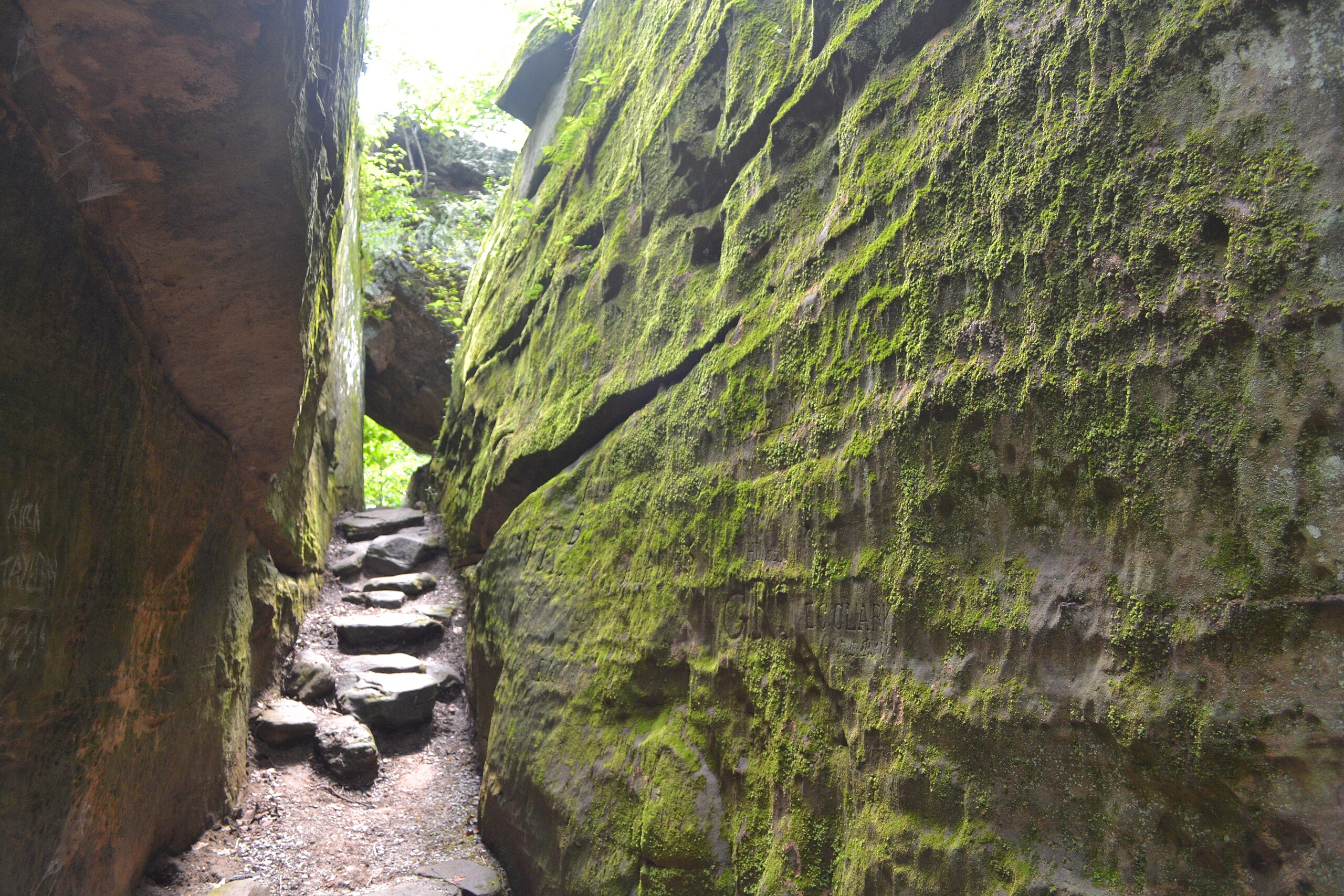
How do we get a home biome? By breathing the petrichor, I suppose, breaking out from poison ivy year after year, tasting the dirt and water on our lips, scraping our skin on scrambles, getting local minerals and bacteria in our bloodstream, leaving our sweat on the rocks. Maybe the cells we leave, and what we take with us, give us quantum pairing with these places.
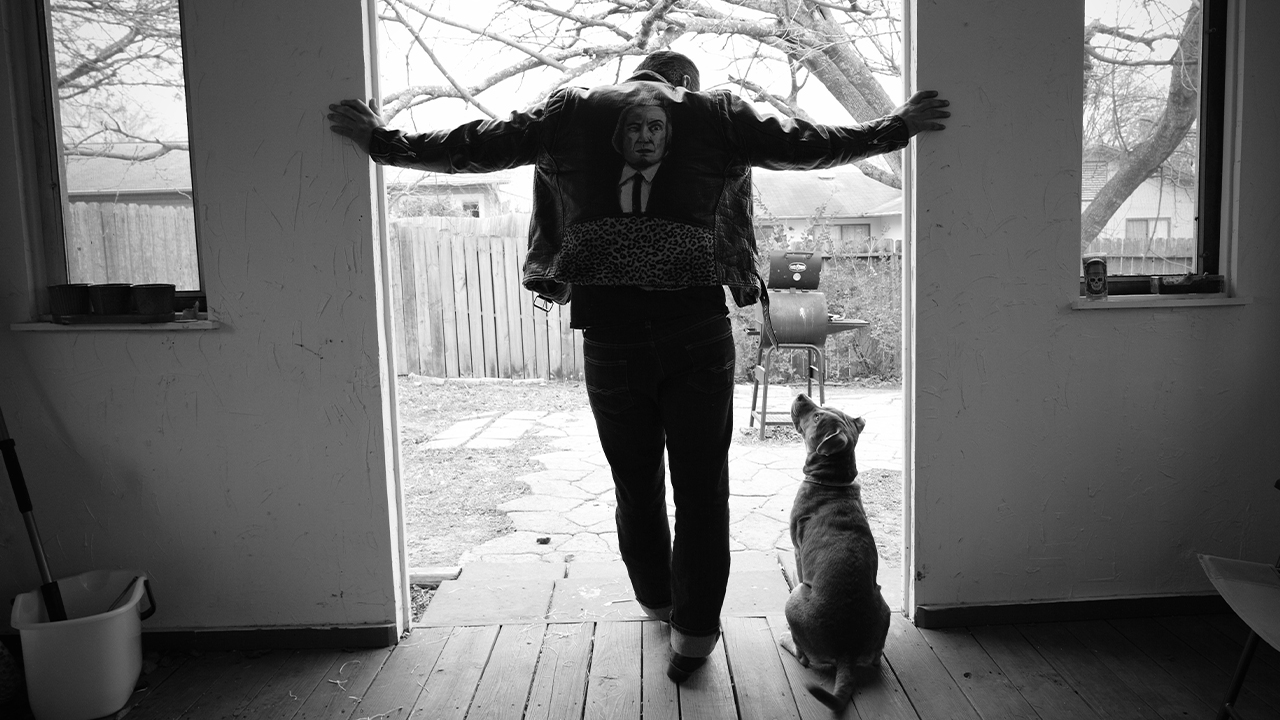
Why is it only certain characters among my friends—the recovered addict who got rich off disaster services, the photographer who did federal time on a RICO conviction, the former scout and paratrooper with traumatic brain injury—tell me they love me? My polite friends, the “normal” ones, the ones with long, seemingly solid marriages and steady white-collar jobs and no priors, do not say such things, despite often having been in my life longer or more directly.
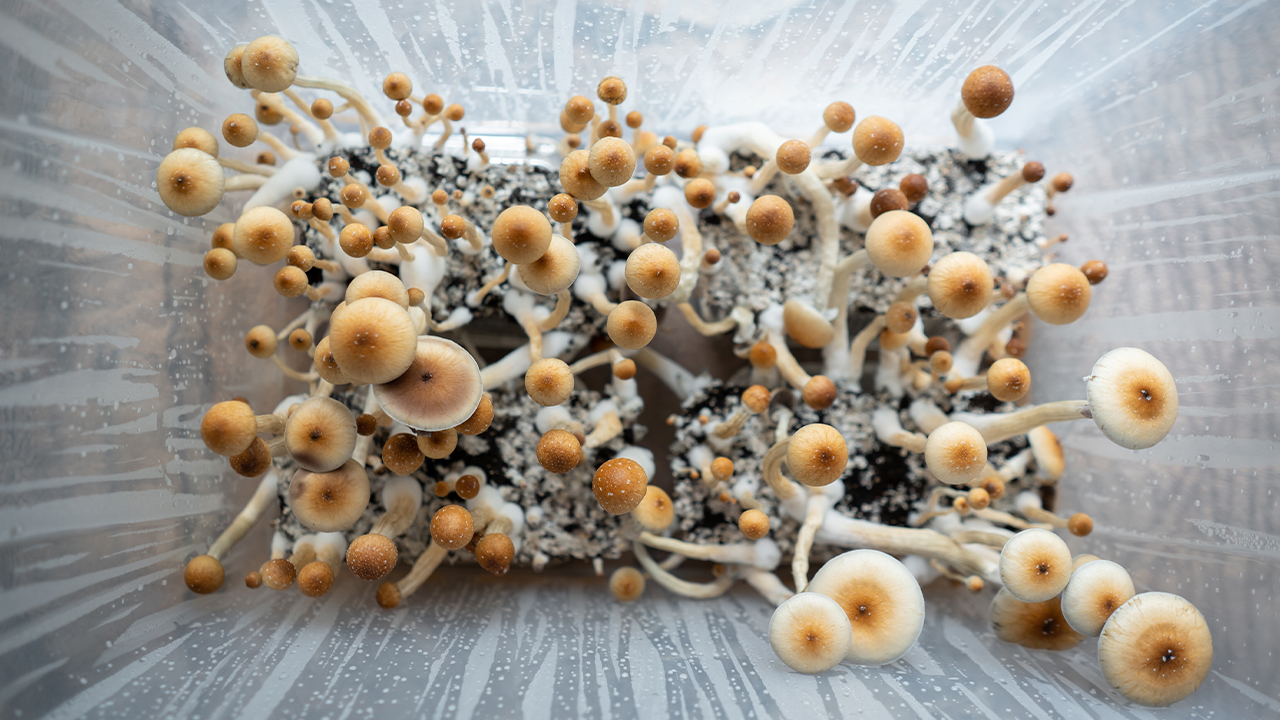
Reverence, serenity, and compassion, courtesy of a mushroom? Well, what would be wrong with that? Humans are a broken species. Negative emotions wired into us for survival have run amok in times we call civilized, and now we hunt, or at least hurt, one another. It would be lovely to think we could all meditate our way to wholeness. But why not speed the process?
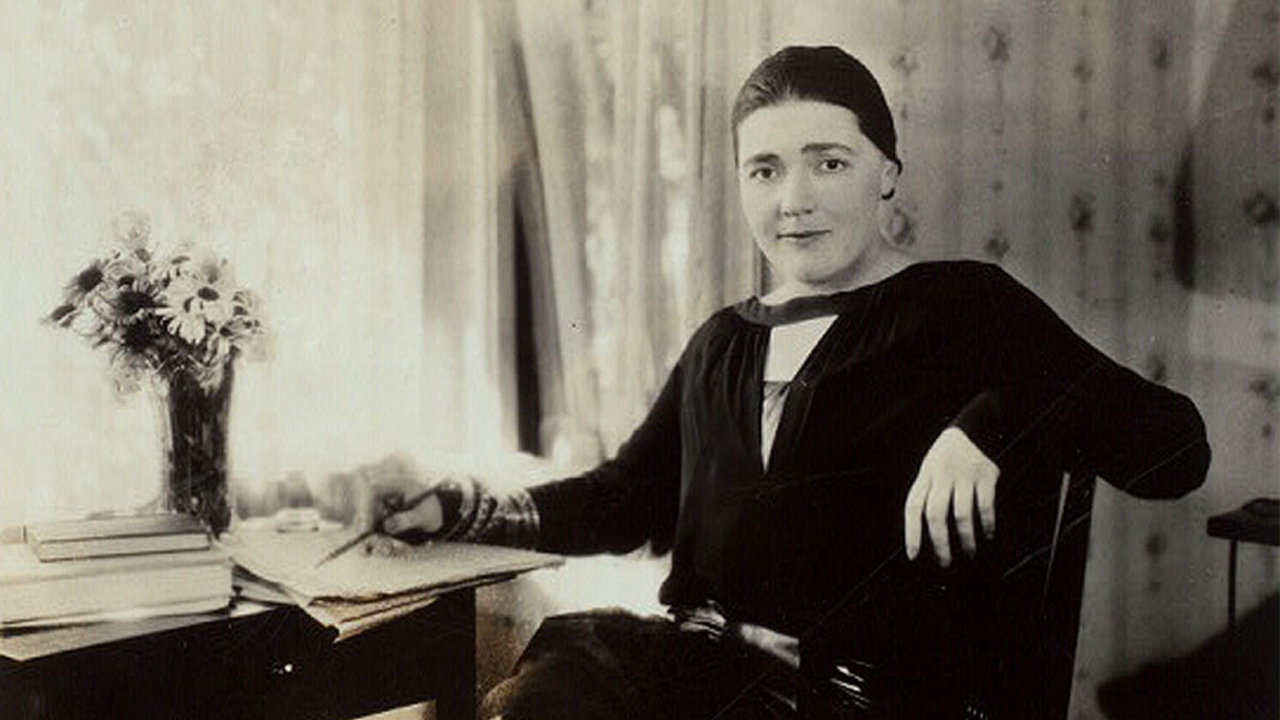
From one angle, at our hundred-year distance, Hurst’s schmaltzy naturalism makes her a kind of art monster in reverse: not a great avant-gardist with noxious politics and a track record of abuse, but a respectably woke voice, responsibly raised for some of the right intersectional causes, with an unforgivably corny style. From another, equally telling angle, however, Hurst’s work nowadays looks like some of the most cannily effective proletarian literature ever produced in the United States.

I was used to my makeup and costume, but the one-inch heels, painful toes, and tight uppers of my tanker boots made me walk suspiciously, like a poor guy with a belly full of free eggs and a heart filled with larceny. My overall straps hung down in back like I had forgotten to fasten them after a trip to the outhouse. Yet the staff treated me and everyone else with cheerful professionalism. They knew how to handle an army of amateurs and loose cannons and get the job done.