Need a Little Sprezzatura….
August 26, 2026
I came upon a word the other day, and when I learned its definition, my whole being ached. What I was reading had been written long ago. Was this word even possible anymore? In a studied sense, of course. But as I wanted it to mean?
The word was sprezzatura. Meaning a lightness, a nonchalance that makes whatever you say or do seem effortless. How can we drop the weight of today’s headlines and the planet’s tumult and the goddamned price of groceries? Life should have grown easier (my childish long-held assumption about modernity), yet it has grown harder instead. What passes for studied carelessness is handing your project over to AI. And what passes for nonchalance is often cruelty, perpetrated by the few who can still afford—and wield enough power—to live easily themselves.
But sprezzatura! There is a grace to it, and a calm confidence. The word entered culture in 1528, in Baldassare Castiglione’s The Book of the Courtier. Ambassador of the Holy See, Castiglione had decided that the consummate diplomat was a man free of affectation in every way possible. His eyes were not narrowed by scheming ambition. He made his considerable skills look effortless and refused to strive for admiration or glory: “It seemed more honest to win authority through nothing more impressive than the truth.”
There is a dark side to this bright ease, of course; it can be a slick façade, lacquered to deceive. But if sincere? I long to move effortlessly through the world. And—a happy thought, at last—I wonder if increasing age might make it more possible. First, of course, you must subtract the world, letting its weight slip from your shoulders. But when you are left only with your own life, it is now possible to practice all you have learned and make it look easy. You no longer need have an agenda. There is no position you must jockey for or retain, no king to please.
Sprezzatura also exists, on occasion, in the young, where it reads as glamour or cool. In age, it reads wise—because as Willa Cather knew, “It takes a great deal of experience to become natural.” You need to be a little clumsy first, gathering knowledge and perspective, before you can you reach acceptance. You also need the confidence of mastery, of having seen or done much of what lies before you. Finally, you need a certain detachment from ego, and less and less need to worry about your own future, which frees you to delight in others.
The catch is that it is hard (already a contradiction of sprezzatura) to be light, graceful, and effortless when your body stiffens and creaks, your senses dull, and you feel vulnerable and easily preyed upon by marketers, con artists, and politicians. When old people stiffen (intellectually, physically, emotionally), they turn scrappy or querulous, unable to trust themselves or those around them. In other cultures, age is a time to reap respect, take your ease, and delight in the young. We have ruined old age by not treasuring it, just as we have ruined youth by rushing kids through it.
The young can have a sprezzatura of the body; as we age, we reach instead for the spirit of sprezzatura, its serene wisdom. The results are far superior to panicked brain exercises, chair yoga, and cosmetic magic that only lets you pretend. Ease does not come with GLP weight loss and a frozen face. It comes with relaxing, no longer desperate to please, finally able to be entirely oneself, casually wielding what one has learned but comfortable with flaws and mistakes.
But U.S. Americans are hard to convince. Past sixty, we are still pushing, still trying to prove ourselves, only now we are proving how much fun we still have, how active and relevant we still are, still in the mix, still players. Watching calmly from the sidelines looks to us like death. How could we not dread old age, given the way we treat the old?
In “With Light Hands,” Italian essayist Cristina Campo suggests that sprezzatura comes naturally to true poets, who have a “deep-seated horror of easiness, prudery, euphemism, promiscuity, heaviness, undue haste.” She sees the quality as moral as well as aesthetic, but here, in this Calvinist can-do country, hers seems an upside-down morality. It requires “an alert and amiable imperviousness”—elsewhere translated as “a lively, gentle impenetrability”—to the violence and baseness of others.” Also an indifference to worldly goods and an artless, spontaneous unselfconsciousness. No ego, no acquisitiveness, and somehow—this is the trickiest part—an ability to accept human nature at its worst without letting that complicate one’s own mood or approach. Carefree, insouciant, blithe—those words are all adjacent. They feel a little guilty; how can one refuse to care about the sins of the world, the meanness and folly that surround us? But that is the paradox: an absence of worry does not prevent knowledge or action. On the days I let myself take it easy, maybe after a night of not sleeping or a burst of hard work, I somehow get just as much done (to use the yardstick of our culture). Overthinking and trying too hard kill creativity; humor and play restore it. Carrying the world’s burdens does not lift them from anyone else. Joy and ease do more to heal those around us than the kind of frustrated fury I used to allow to take over.
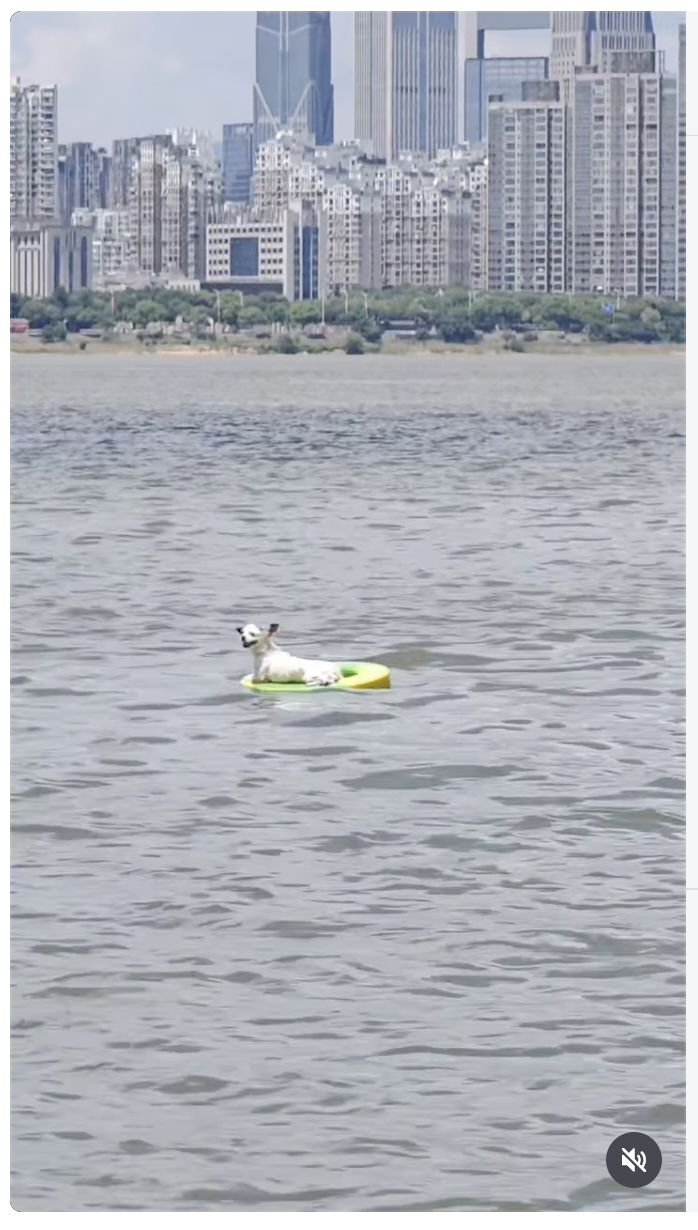
Letting that frustrated fury go…is not easy. But sprezzatura is not meant to be easy. It is meant to take what is hard-learned and oft-practiced and makes it look easy, thus relaxing everyone else. Sprezzatura listens calmly to an outpouring of panic from a teenager; the hysterical rage of a newlywed after a bitter fight; the latest political squabble and stupidity. It sees what can be done and does it without fuss or panic; it knows what cannot yet be fixed and slides into patience. It keeps a light touch and a light heart. How to do that without trivializing issues of grave harm? That takes a wisdom and deftness I have yet to achieve. I intend to practice until it looks easy.