Anatomy of Influence
The delight and danger of swaying others
The delight and danger of swaying others
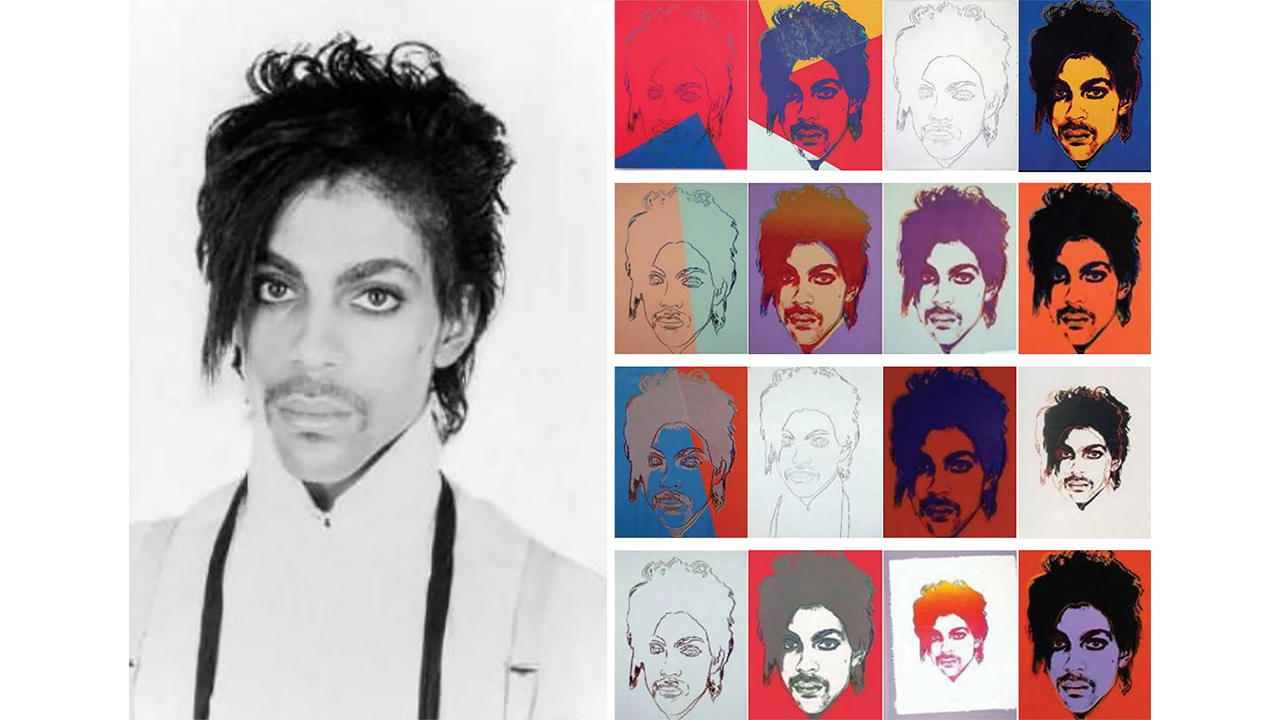
Appropriation art has not only outraged artists over the unauthorized and lucrative exploitation of their artwork but has been the subject of high-stakes lawsuits for decades. Appropriation artists defiantly operate under the flag of “fair use,” which some have described as a copyright lawyer’s full-employment act.
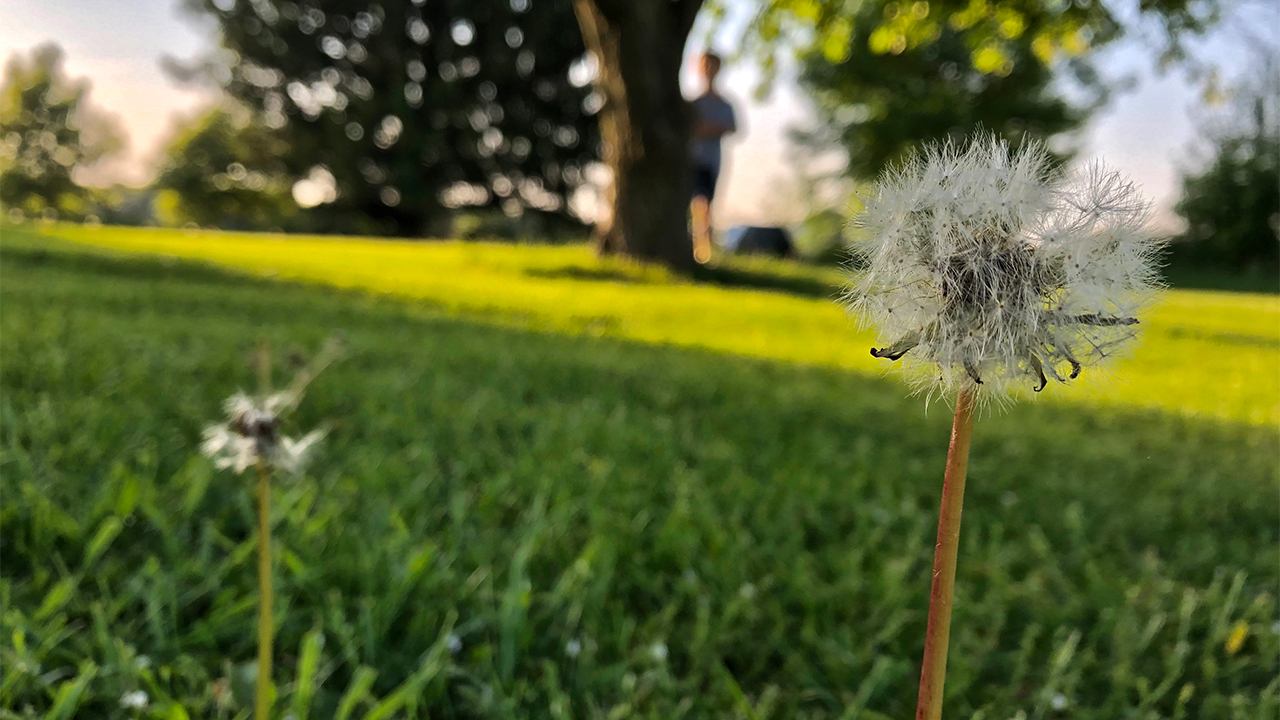
As the father of a ten-year-old, I find myself talking constantly with teachers and therapists, joining autism groups, attending school board meetings, speaking out against the censorship of school library books. I taught Vance to hold a fork; he taught me how to stay connected with the rest of humanity.
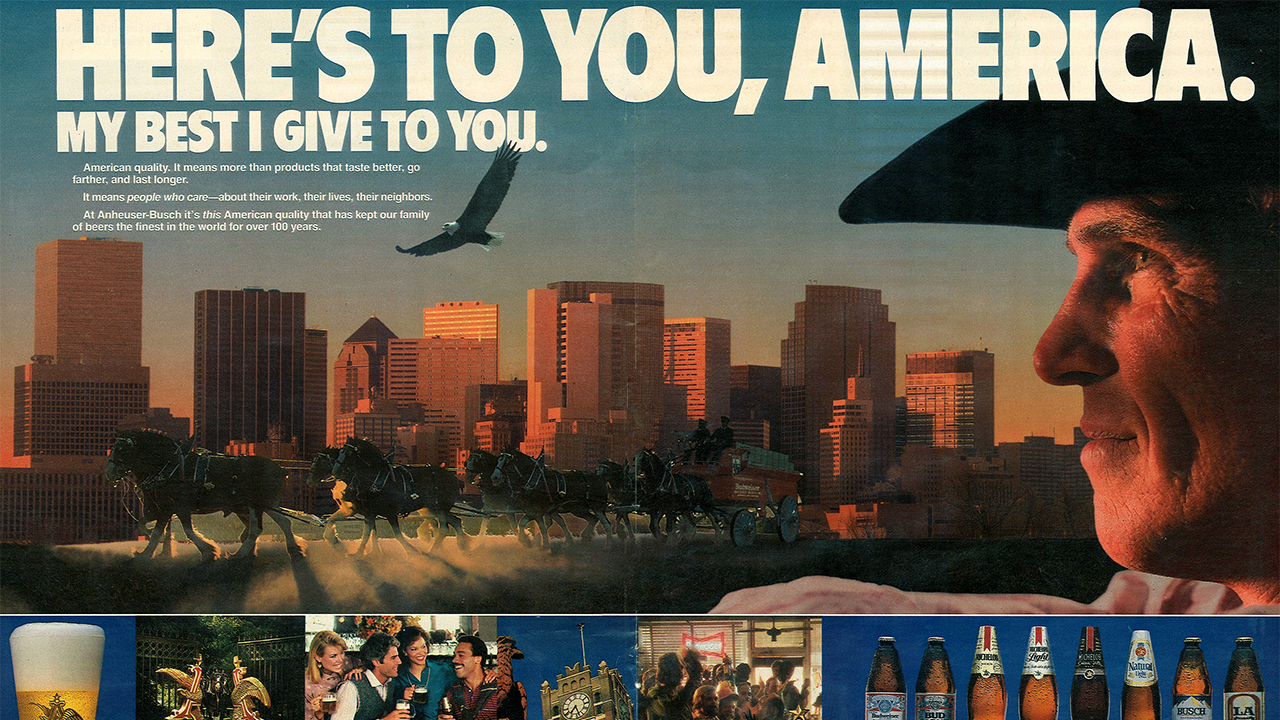
How did our bland city become a hot spot for national ad campaigns? Overhead was low, flights were easy in any direction, and smart, creative talent was abundant. Between the two world wars, Winston Churchill himself, speaking at an international advertising conference, pronounced the St. Louis Ad Club “far ahead of other cities.” By midcentury, the Midwest was the obvious place to study middle America.
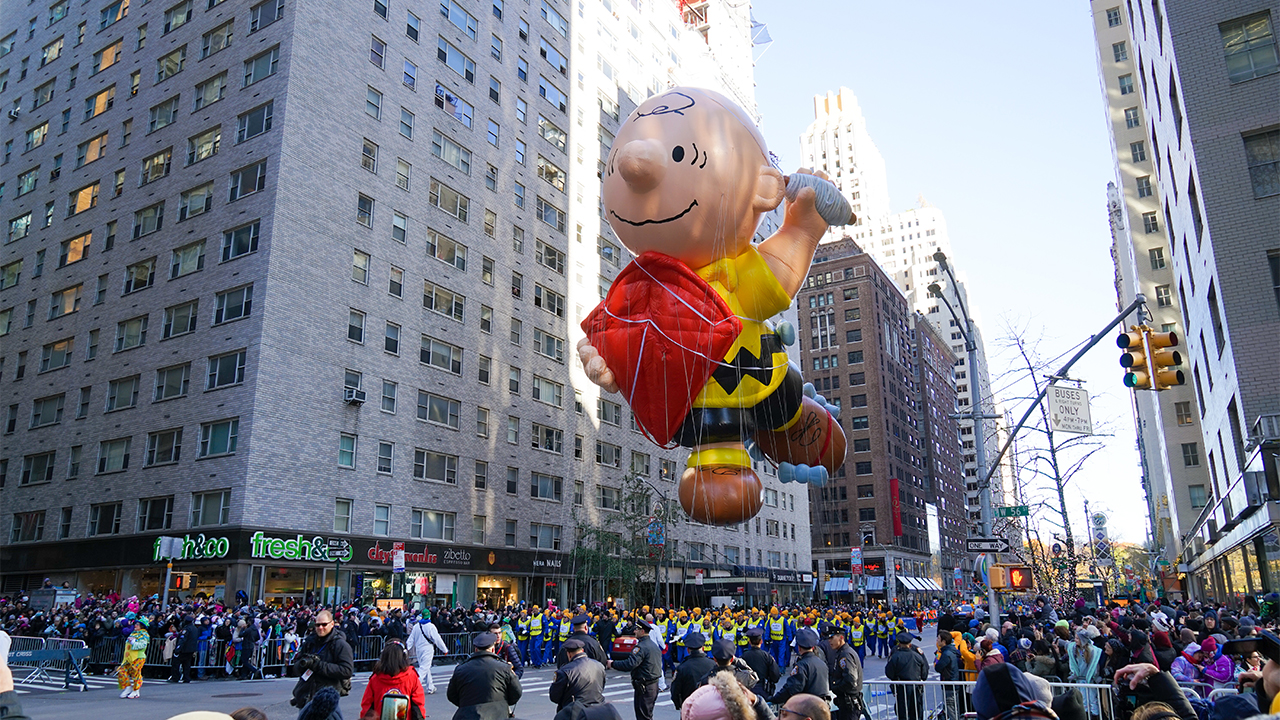
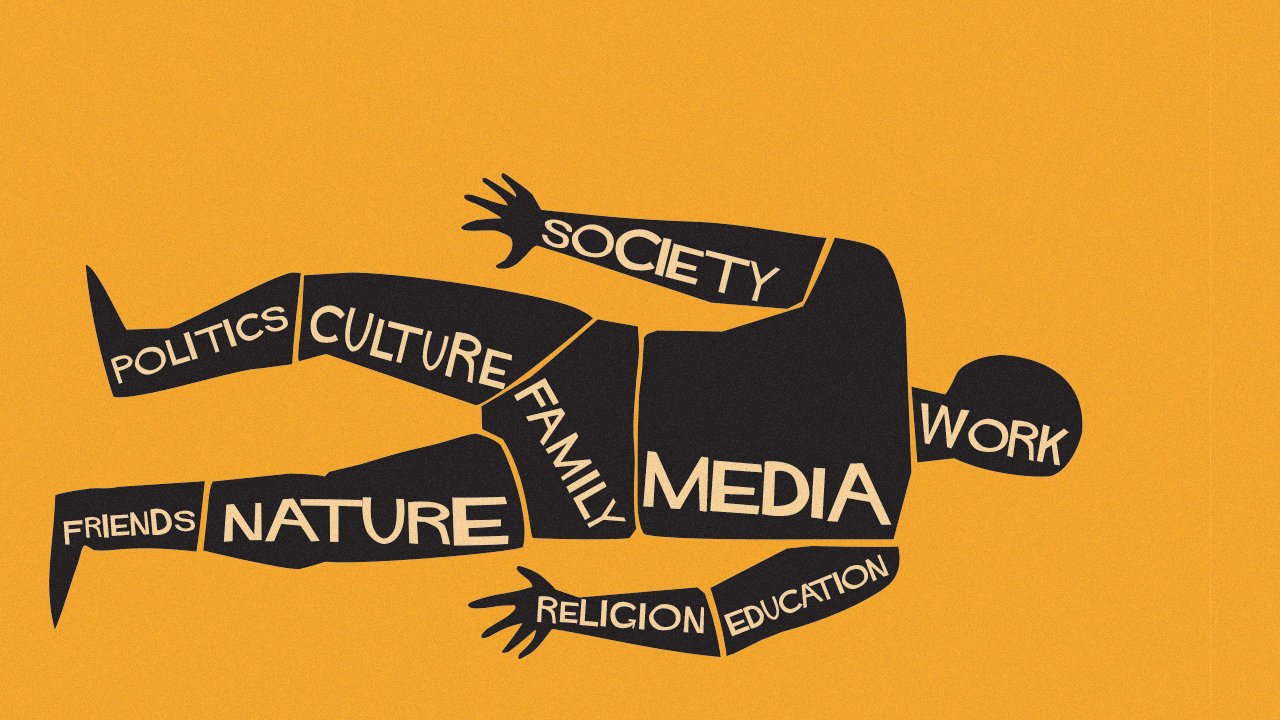
Who is winning the old nature-versus-nature debate? Which of these influencers has the upper hand? Are we mostly preprogrammed, acting out what has been inside us since Day One, or do we go in the direction life blows us?
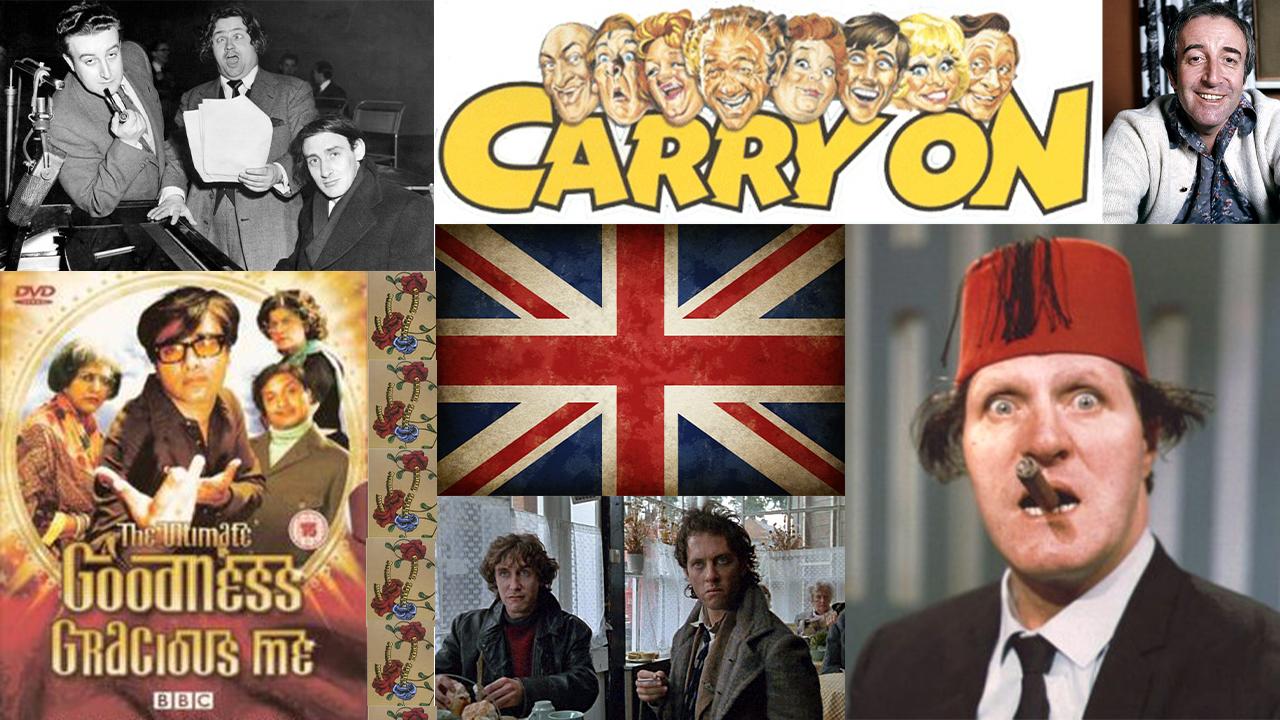
Might this be a way of coming to terms with feeling so unmoored from my birth country: journeying on a cultural tugboat up the largely English comedy river in search of the TV shows and comedians that had once influenced and shaped me? If I dipped my toe in the dimly remembered comedies of my childhood and youth, would I discover who I once had been?
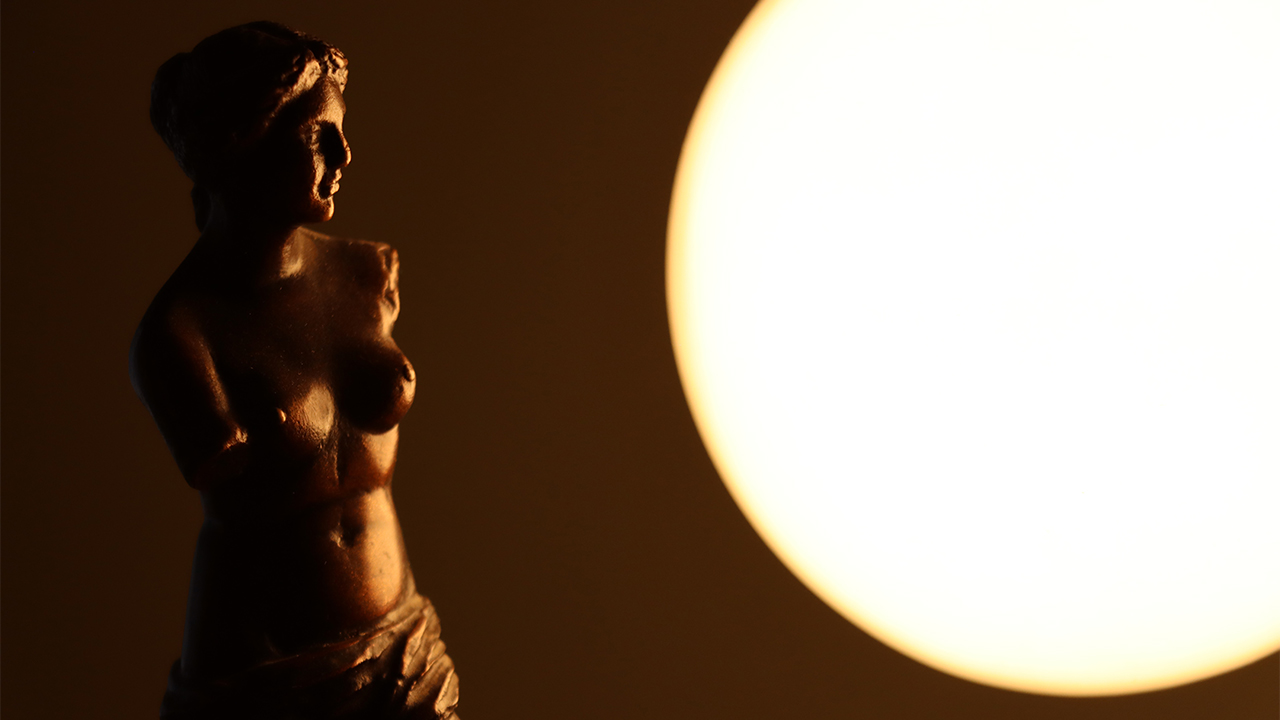
The Classical Athenians told stories of Persuasion connecting brute desires and communal concerns, for both good and ill, because they experienced persuasion as an extraordinary power that could fortify or undermine their democracy.

The marketing around these technologies will continue to insist that they are miraculous little machines, helpful tools that allow us to accomplish more of what we want to do. Flawed-but-perfectible calculators for language. As they work their way into more of our speech, we will struggle to say the things we want to say. Then, we will struggle to think of things we want to say. And, then, we will not really be sure who is doing the saying.
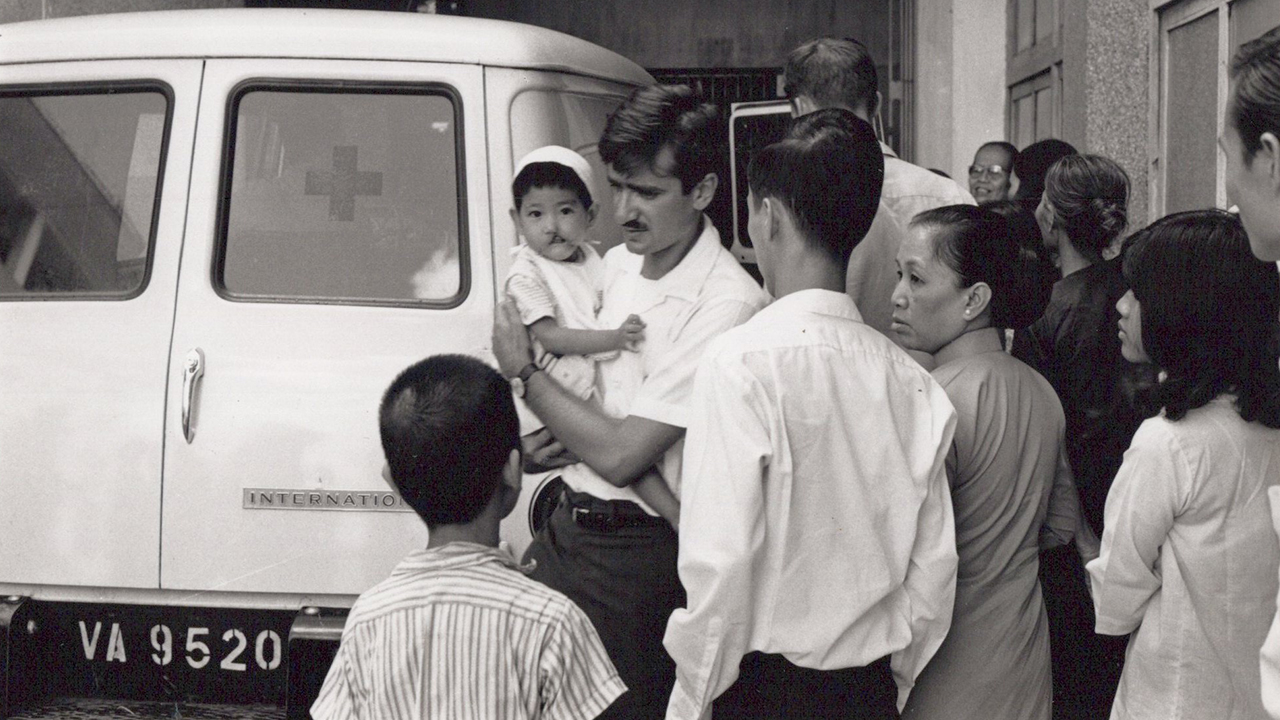
Reading John Balaban’s poems and translations, you gain the camaraderie of poets as far-flung as Basho, Li Po, Anna Akhmatova, American John Haag, Georgi Borrisov, Bulgarians Kolyo Sevov and Lyubomir Nikolov; epigraphs by Homer, Polybius, Brecht; the people who wrote, remembered, and sang folk ca dao, and the many characters who live to speak again, from Ovid, miserable in his exile in Tomis, to Root Boy Slim, “lead singer and composeur for his Sex Change Band.”
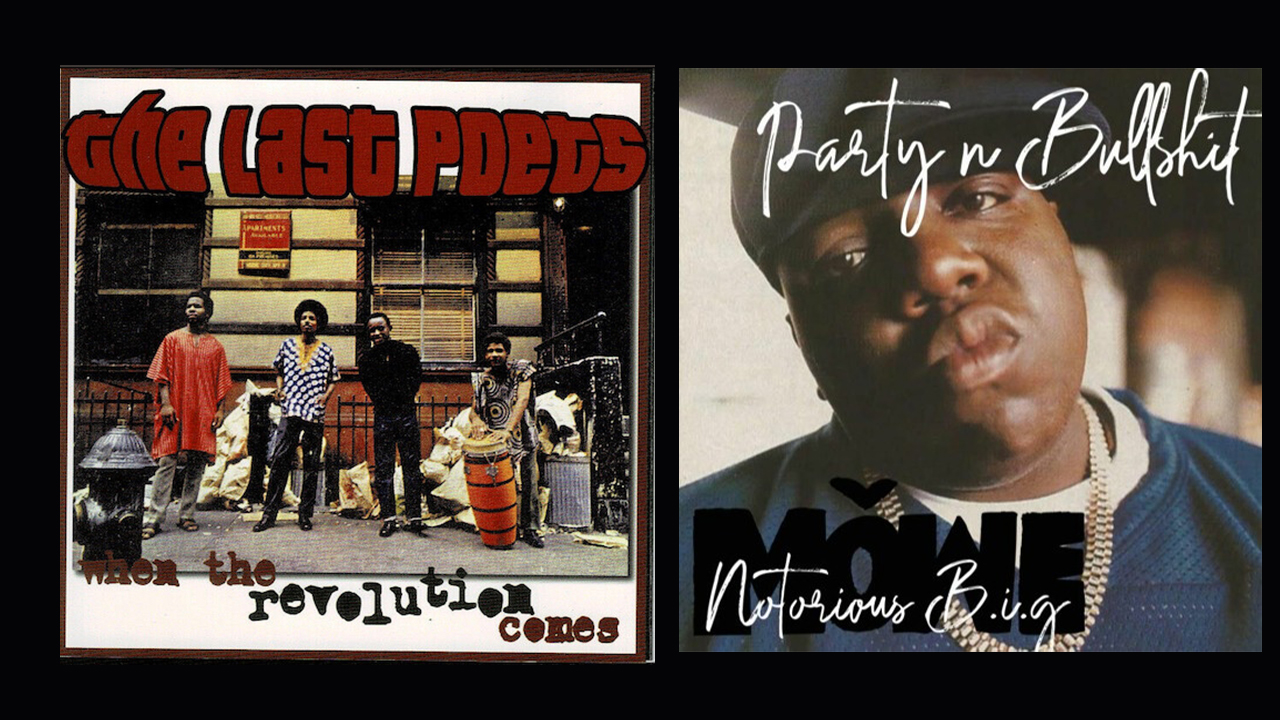
When Abiodun Oyewole, founding member of The Last Poets, filed a copyright lawsuit against the estate the Notorious BIG (aka Biggie or BIG) it connected the nationalist bard of the 1960s to the politically ambivalent emcee of the 1990s. It also signaled both aesthetic continuity and an ideological impasse between two generations of African-American wordsmiths.
Every two weeks, The Common Reader delivers a curated selection of essays, cultural analysis, and fresh perspectives to your email—always free and engaging.
Shop for bookmarks, mugs, pens, t-shirts, and more.
A look back at the ideas that shaped previous editions