The Man Was Not Talking About Fancy Food!
(We got Epicurus way wrong.)
June 16, 2026

“Those poor brutish Epicureans that have nothing but the meer husks of fleshly pleasure to feed themselves with.” ~John Smith, 1660
How did we get Epicurus so wrong? Foodie websites, luxury magazines, gourmet shops…he would be aghast. His goal was to remove pain and fear, not pile up pastry. Limited desires, sustainable desires, should be met, he said, and life should remain simple.
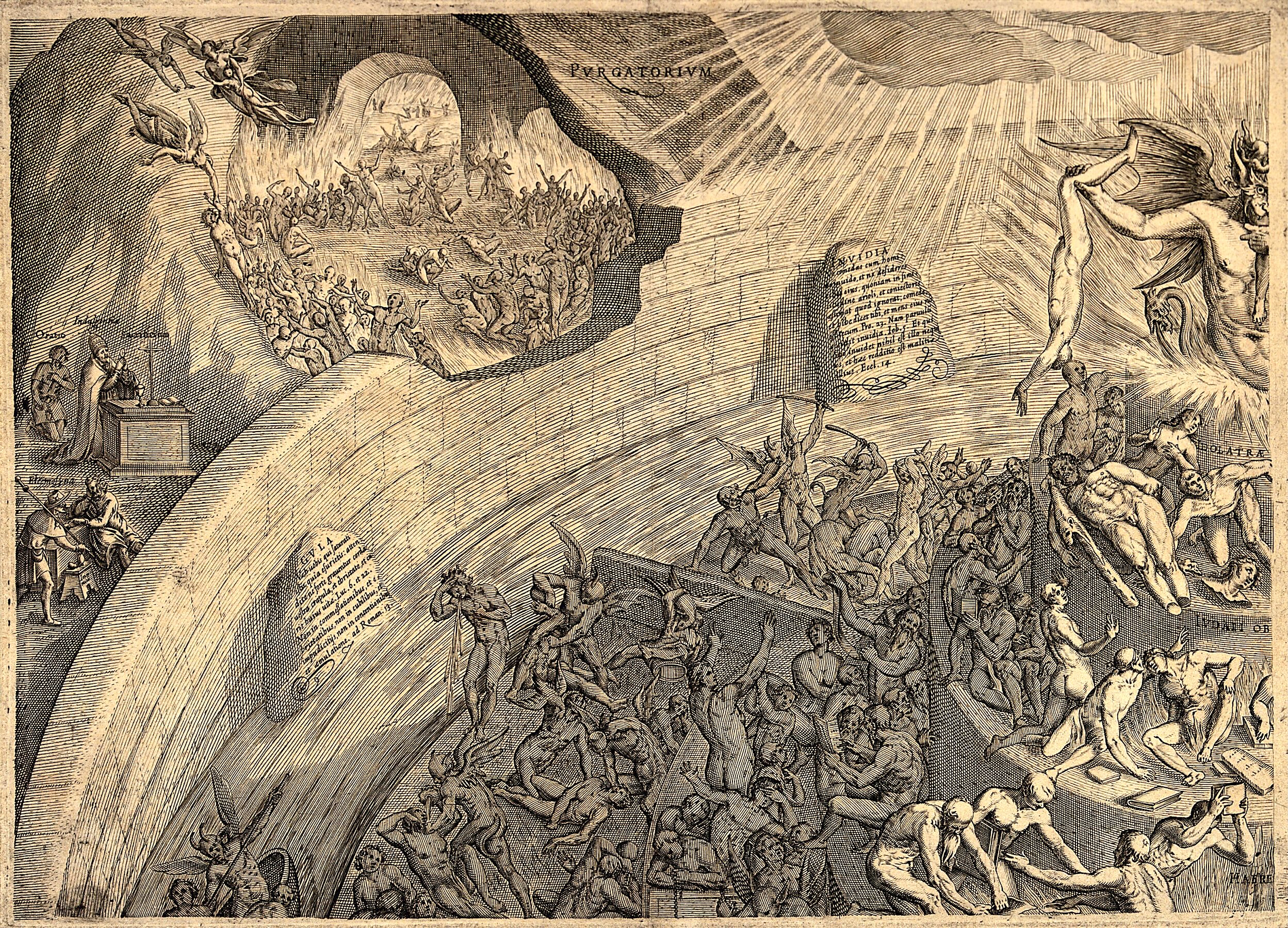
Like the U.S. Constitution, Epicurus emphasized the pursuit of happiness. Like the U.S. Constitution, he was easily misinterpreted. His teachings were twisted almost immediately, and the confusion has lasted for centuries. He could have set us straight posthumously, but most of his three hundred books, letters, and treatises soon vanished. Admittedly, papyrus is fragile, but other ancient writings were saved by recopying them again and again. Nobody did that for Epicurus, because his thoughts troubled the emerging Christian power structure. We have far more of Jeffrey Epstein’s slime, redacted in all the wrong places, than we have of Epicurus’s disciplined wisdom. He denied divine providence! He was skeptical about an afterlife! Augustine vilified him, and Dante sent him to the sixth circle with the heretics.
And so, he drifted out of Western culture. Some of his insights, we have only because they were quoted, in disgust, by his critics. Lucretius did capture his core teachings in an epic poem, and scrolls from an Epicurean library at Herculaneum were carbonized and preserved by volcanic ash. But the real saving grace was Pierre Gassendi, a Catholic priest who risked his own reputation to defend Epicurus.
Gassendi was an astronomer, scientist, and philosopher as well as a priest, and he lived during the Renaissance, just as the Scientific Revolution was taking hold. He found it plausible, even exciting, to read Epicurus’s claim that reality was made of an infinite supply of tiny particles, atoms, moving through infinite empty space, with complexity emerging as these bits of matter combined. What is destroyed does not cease to exist, Epicurus added, anticipating the first law of thermodynamics. He was paving the way for the Enlightenment.
In defending him, however, Gassendi had to tread as lightly as an angel, picking and choosing which beliefs to applaud. Much of religion was superstition, Epicurus insisted, and consciousness ended with death. This alone made him corrupt in many eyes, a pagan atheist dangerous to the church. Yet his other teachings were not so far from godliness. Discipline and moderation left you happier than gluttony and drunkenness, he pointed out. Life’s true joys came not from sex and ambition but from friendship and serenity. He treasured happiness, not hedonism.
“When we say … that pleasure is the end and aim, we do not mean the pleasures of the prodigal or the pleasures of sensuality,” he wrote to Menoeceus. “By pleasure we mean the absence of pain in the body and of trouble in the soul. It is not by an unbroken succession of drinking bouts and of revelry, not by sexual lust, nor the enjoyment of fish and other delicacies of a luxurious table, which produce a pleasant life; it is sober reasoning, searching out the grounds of every choice and avoidance, and banishing those beliefs through which the greatest tumults take possession of the soul.”
He leaned closer to Buddhism than to Bacchus. Julius Caesar was drawn to his thought, as was Thomas Jefferson. Epicurus only wanted us to see how little we needed to be happy. There was nothing wrong with luxury in itself, but depending on luxuries would harm our happiness, he said, just as sexual passion could ensnare us in tangles of unnecessary needs and vulnerabilities. What you could trust was a strong community of friends. Stop fearing god, he urged, and stop fearing death.
Scanning his injunctions against passion and even family life, his mistrust of desire and hunger for security, a shrink would no doubt ask about his childhood. All we know is that Epicurus was born in 341 BCE on the Aegean island of Samos. His parents were immigrants—Athenian settlers who kept their Athenian citizenship and, when Samos began expelling settlers, had to leave. Alexander the Great was amassing his empire, and war and displacement kept people anxious and powerless. It makes sense, then, that little Epicurus would grow up to emphasize tranquility and freedom from fear—and that he would find it easy to withdraw from the political sphere and focus on keeping his private life secure.
Around 307 BCE, he bought a house with a large walled garden and opened a school he called simply The Garden. It was on the way to Plato’s Academy, but the two schools could not have been more different. Rather than teaching math, metaphysics, and political thought to upper-class males, Epicurus welcomed women and enslaved people and talked about how to stop being afraid and put your mind at ease.
The charges of hedonism levied against him for centuries are a weird distortion—but charges of hedonism often are. I think we frighten ourselves. The idea of having license to savor joy reminds us that we lack will power and might tip into excess or choose the wrong pleasures. So we blame the license instead of ourselves. This vulnerability is a tragedy of biochemistry, compounded by the inevitable neuroses that make us a little hungrier than we should be and a society that judges them harshly. Now we are solving this by taking drugs that kill our appetites, stripping away much of the pleasure of fulfilling them. Granted, the drugs wreak havoc with the digestive system and we have to keep taking them forever. But we will not be corrupted by thoughts of pleasure, and we will not be forced to admit our own weakness. We will be tranquil.
Epicurus would be glad of that outcome—but horrified by the terms of the bargain.