Sensory Gratification Is Free (and Freeing)
July 26, 2026
Gloppy paint, a velvet couch, the ridges meant to cool a coffee cup to the touch, a lid that when spun emits a hollow sound of increasingly lower pitches as it empties, like a bottle whistle….
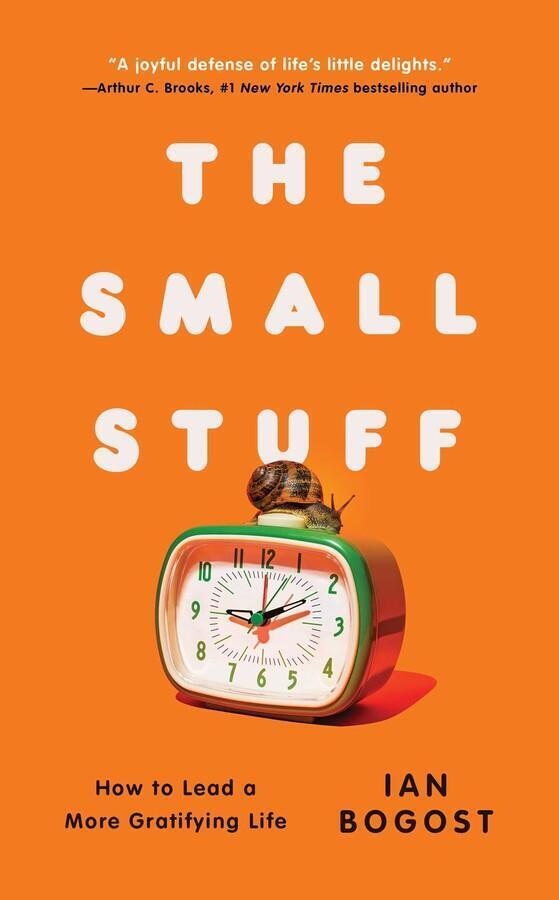
In The Small Stuff: How to Lead a More Gratifying Life, Ian Bogost exposes the tiny, weird blips of sensory gratification most of us forget to welcome. He is wryly comical about these clicks and whirrs and vending-machine button smashings, but underneath, he is dead serious. All the earnest chasing after happiness has only left us grim, because who can manufacture joy? Yet here it is, all around us. “All you have to do,” he writes, “is give yourself permission to reconnect with the world.”
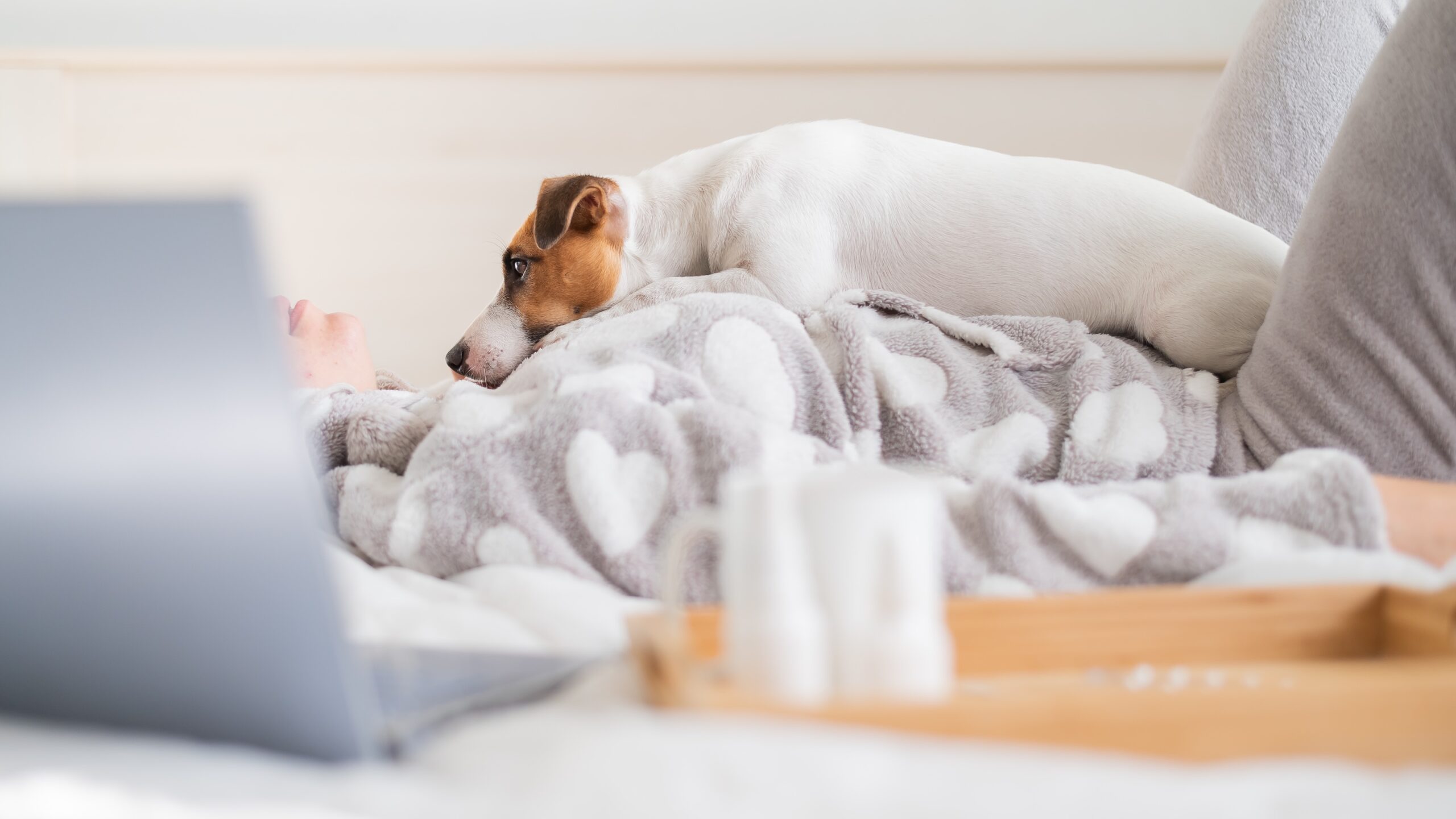
Game on. I vow to register, and relish, these small pleasures. Alas, my first efforts land predictably: the pale gold of the morning sun slanting into our bedroom, birdsong, soft rain, the dog’s back pressed against mine as we nap together. But like Grasshopper seeking enlightenment, I develop a Buddhist calm along the way. Soon I am registering the way our bedroom fan’s lever glides, then clicks into place at each setting. The soft hit of my ceramic knife against the wood cutting board. The tangle of filament glowing inside the lightbulb at my desk.
The zinging of the dog’s extended lead, and the satisfying kerchunk as I break the arc of his ramble with my thumb.
Soon I am on such a roll that, enduring a root canal and crown, I look for sensory gratification in the whoosh and suck and scrape of it all. I fail. Awkward miseries intrude on this game. Once released, though? After weeks of mush and malts, I thrill to the crunch of a walnut, the first contact firm but silent, then the soft pulverization and a flood of flavor, with a few bits still floating, teasing me, waiting to be crushed.
Such a fun sort of noticing, this is. Mindfulness insists that whatever is there be accepted, but Bogost’s practice lets us pick the cool bits. He came to it, I suspect, because he gives himself permission to be fun. The man should be an octopus: he has feet on both sides of the line between engineering and art and fingers dipped in pop culture, media, video game design, philosophy, AI, comparative literature, and cultural commentary (you might have seen his column in The Atlantic). WashU’s Barbara and David Thomas Distinguished Professor, he is well prepared to distinguish, for us, between the holy grail of happiness, the satisfaction of accomplishment we settle for instead, and the sensory gratification we let slip away.
“You know why you feel satisfied—because you accomplished something specific,” he writes. “But gratification is different. It happens right away, and it demands little effort to produce. Unlike happiness or satisfaction, which impose constant attention and even anxiety, gratification is a smaller and less visible flavor of contentment.” It is not a temporary indulgence you trade off, but rather an immediate squirt of joy. “Delaying it is impossible. To do so is to pursue pleasure of a different kind.”
I ask my husband, who has ADHD and notices everything, what sensory gratifications he relishes. Together, we make a list. The whoosh and slap of a carwash. Smooth warm wood handles on tools or cutlery. For him, the thrum of a blimp’s motor. For me, downshifting into fourth gear, that easy slide and burst of power.
We slip fast into memories: The tingle and whirr of dialing the old black rotary phone we kept working for years. For Andrew, the slow, elaborate process of target shooting with black powder on an antique rifle. For me, banging the carriage return on an old manual typewriter. Advancing a cartridge of film on my old Pentax K1000. Cleanly slicing into the old waxed sheets of typeset copy with an X-Acto knife.
Old, old, old. We look at each other with horror. So many of our experiences of sensory gratification are outmoded. Bogost acknowledges this, reminding us of the days when we jotted notes with scratchy pencils and twisted wrenches to tighten knobs. “So many of those tiny, visceral encounters with the physical world have been lost, due to an increased emphasis on automation and efficiency. That process has dematerialized human life, disconnecting people from the physical world they inhabit.”
As the advance of tech dematerialized what surrounds us—automating, making seamless, smoothing all friction, hiding the workings, limiting physical contact—it also disembodied us. We are literally out of touch. We stay home more, ordering physical food and stuff to be dumped on our doorstep and letting movies, music, information, even sexual arousal, flow to us electronically. “Americans of all ages, races, and marital status socialize far less—up to 40 percent less—than they did twenty years ago,” Bogost notes.
Stats are not, however, destiny. Plenty of us still hang out together, travel, hike, enjoy the vintage stuff that makes demands on us. Why, then, are we so oblivious to tiny moments of sensory gratification?
Talking to Ezra Klein about his latest novel, Gary Shteyngart mentioned his dog Bernie. “There’s a corner where every dog pees, and he approaches it like a Talmudic scholar. He sniffs here, he sniffs there: Yes, Rocco was here at 12:30. That’s right. That’s right….. and his tail is wagging away. He’s just enjoying the hell out of life.” Shteyngart pauses. “We all have this part in us that is able to enjoy things on this crazy level.”
So why not do so?
This is a Protestant country, he points out. “It’s very hard for people to appreciate things that bring you joy because joy itself is kind of suspect: Well, do that on your own time. Don’t talk about that. Just leave the joy out of there.”
I would have come up with the usual drivel, how we are too busy, too distracted. But really, we are saying the same thing. This culture has chosen less joy, and now tech is even stealing the small pleasures of living in a physical body in a physical world. My grandparents, a grocer and a mother of seven, managed more time to savor life.
Small Stuff is a small, amusing book, and an easy read. That does not mean it is trivial. Reading it will change you.