Ben Fulton is managing editor of The Common Reader. Before moving to St. Louis he was editor of Salt Lake City Weekly, Utah’s alternative newsweekly. His work has been published in New York’s Newsday and has garnered regional awards, including Best of the West and Top of the Rockies.
By Ben Fulton

By
Ben Fulton
The reality of people living together despite their differences now seems so remote that we have forgotten the power and significance of believing in that reality at all. Social media teems with divisive, bigoted rhetoric serving up menus and lists of “others” who are the problem. Ostracism and xenophobia have for years been the currency, if not the corrosive battery acid, of our nation’s political dialogue.

By
Ben Fulton
Risk in romance is friction with the potential of reward. Being alone is the friction of no prospect of reward whatsoever.

By
Ben Fulton
There is no arguing against winning and success, which invariably feels great. The problem with winning is that it is nowhere near as interesting as failure. It sounds just like the loser to complain that winning is “boring,” in that it prompts no reflection or analysis. But that complaint also rings true.

By
Ben Fulton
What seems to prevail in the Dutch zeitgeist amid current challenges, and contrasted against alarming trends of far-right populism in the United States and across the world, is the lesson that tolerance and pluralism do not sustain themselves. No, tolerance and pluralism must be nurtured and, in some cases, even bragged about.

By
Ben Fulton
Stumbling upon “Mr. and Mrs. Clark and Percy” by surprise was like waking up to Christmas morning, but reborn as an adult. The size, vibrancy, and overwhelming stillness of this painting are so impressive that it works almost as a trance, or incantation, of natural light.

By
Ben Fulton
Some way, somehow, commencement speakers come to embody the ideals and principles of millions of hard-working students who some way, somehow, want their ideals and principles embodied in the choice of commencement speakers across hundreds of institutions of higher education. Basic laws of probability tell us the majority of these choices will not match.

By
Ben Fulton
A brush-up on the toy company’s history points to one simple corporate marketing decision on which this strange trend in crime rests: the death of child’s play, and the rise of adult hobby obsession.

By
Ben Fulton
Five years. That allotment sounds like a breather, but in fact is not. The plastic jug of GaviLyte is the bell that tolls for me, and also perhaps for thee.

By
Ben Fulton
There are films easily ruined by spoiler details, and then there are films that sound almost like a joke when spoilers are revealed. ‘Sirāt,’ whose title comes from the Arabic meaning “way,” or “path,” or the perilous connection between paradise and hell, is both.

By
Ben Fulton
Like war in the Middle East, military-grade weaponry, partisan enmity in politics, and utility trucks and RVs, the hamburger endures because it delivers recombinant flavors in huge doses of fat and salt that land in the stomach like a firm, reliable handshake.

By
Ben Fulton
No other filmmaker, documentary or otherwise, makes us feel not just that we were there, but that we are there every time we watch these films. That assessment sounds cliché, but when discussing Wiseman, even terms such as verisimilitude fall short.
By
Ben Fulton
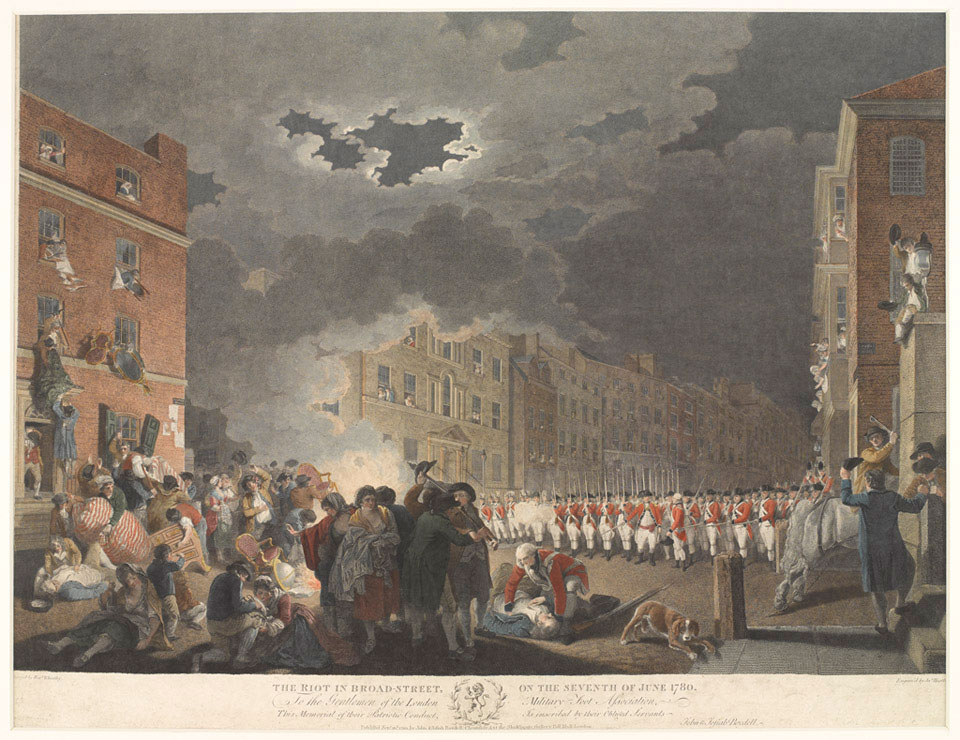
The terms of the struggle are renegotiated every time a law is deemed unjust by civil disobedience, and the tension ratchets up every time we are forced to acknowledge that laws without the threat of possible force are no laws at all. The law may fix the line between coercion and consent, but in a democratic republic we at least have the prospect of that line moving forward or back.