Editor Gerald Early on RAF-STL
Listen as Early explains The Common Reader to radio host Kathy Lawton Brown
By Gerald Early
September 14, 2015
Listen as Early explains The Common Reader to radio host Kathy Lawton Brown
By Gerald Early
September 14, 2015
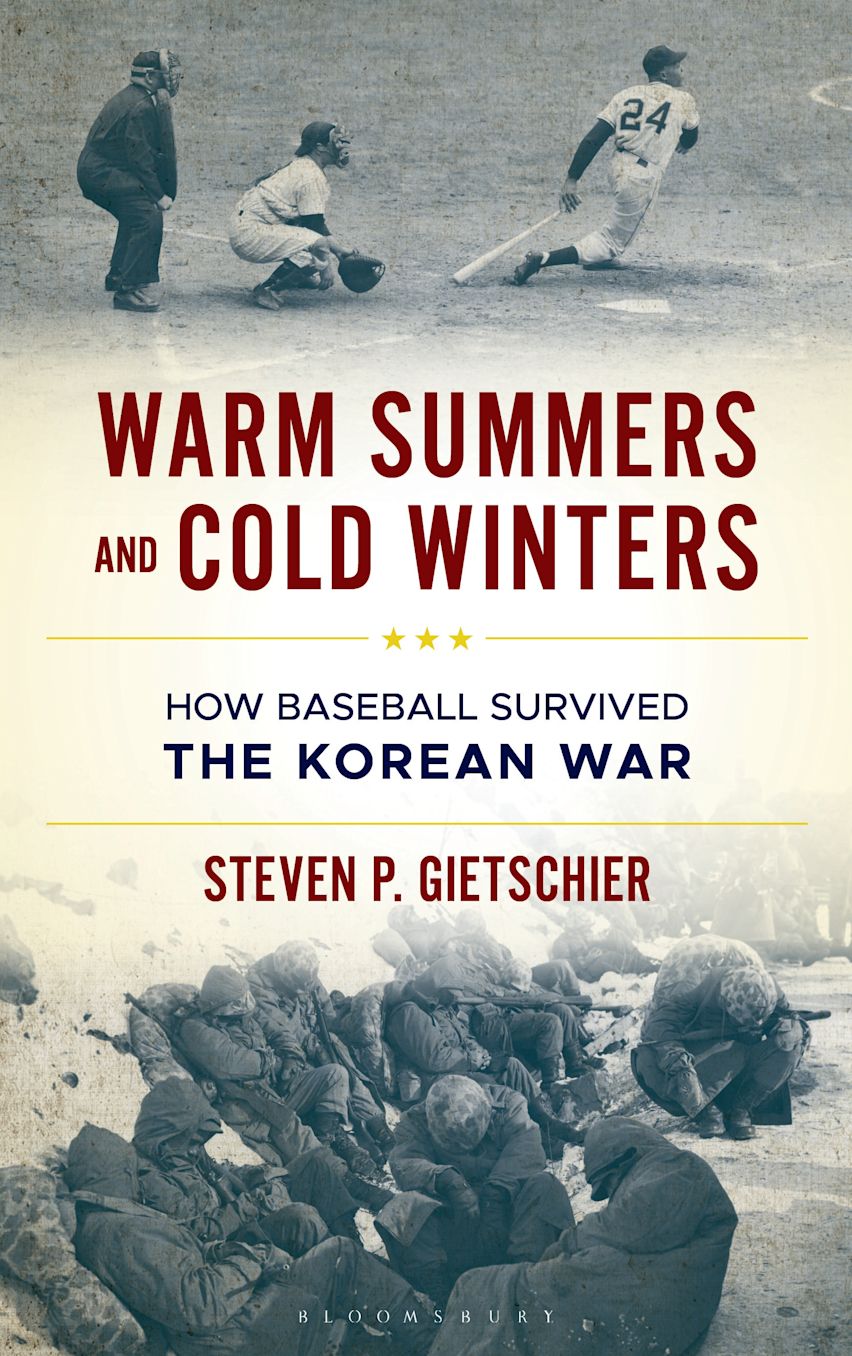
In “Warm Summers and Cold Winters,” Steven P. Gietschier tells the story of Charley and Bill DeWitt, owners of the perennial American League losers, the St. Louis Browns, who, in 1950, decided to hire a psychologist and hypnotist named Dr. David Tracy to help some of the players get over their “inferiority complex.”

I am the same age as Jayne Kennedy, and her memoir does a wonderful job of recreating how exciting a time it was if—to paraphrase singer and pianist Nina Simone—one were young, ambitious, and Black.

The game here took place on several dimensions. It was, on one hand, a game with time—in the right place at the right moment—and on the other, with fish and bugs, in that moment. Once every seventeen years, maybe this might happen. But it has also become a game with memory, and with writing—and now, with technology.
In “Warm Summers and Cold Winters,” Steven P. Gietschier tells the story of Charley and Bill DeWitt, owners of the perennial American League losers, the St. Louis Browns, who, in 1950, decided to hire a psychologist and hypnotist named Dr. David Tracy to help some of the players get over their “inferiority complex.”
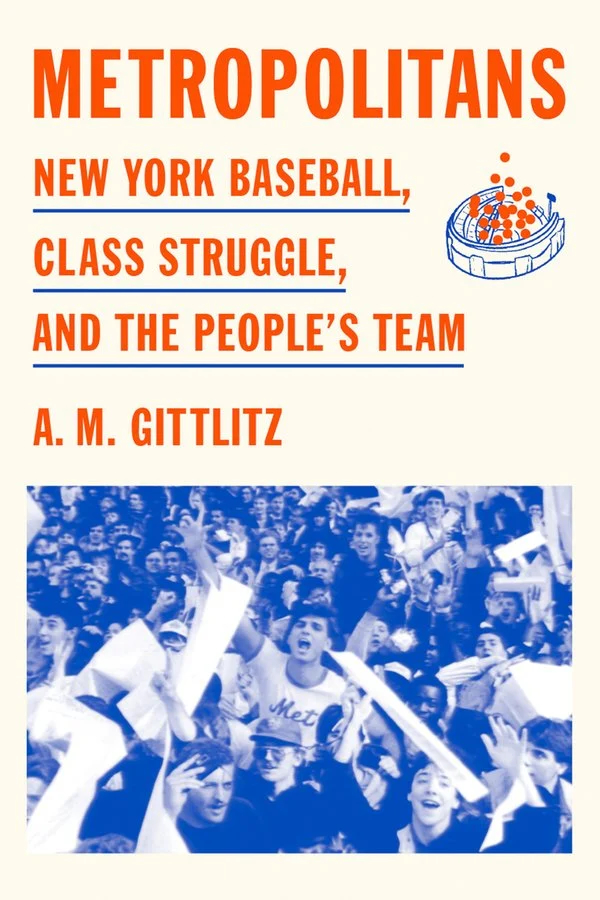
A.M. Gittlitz’s “Metropolitans” tells an alternative history of the New York Mets through the lens of class struggle. Extensive and educational, entertaining and exasperating, it employs the team as a vehicle of left-wing politics, while prodding at the cultural conservatism associated with the national pastime.

The online haters celebrating what they gleefully consider its downfall simplify the matter in the way such misogynists always do: “Supergirl” 2026, in their view, is simply a bad film. The problem with this perspective is that “Supergirl” 2026 is not a bad film.
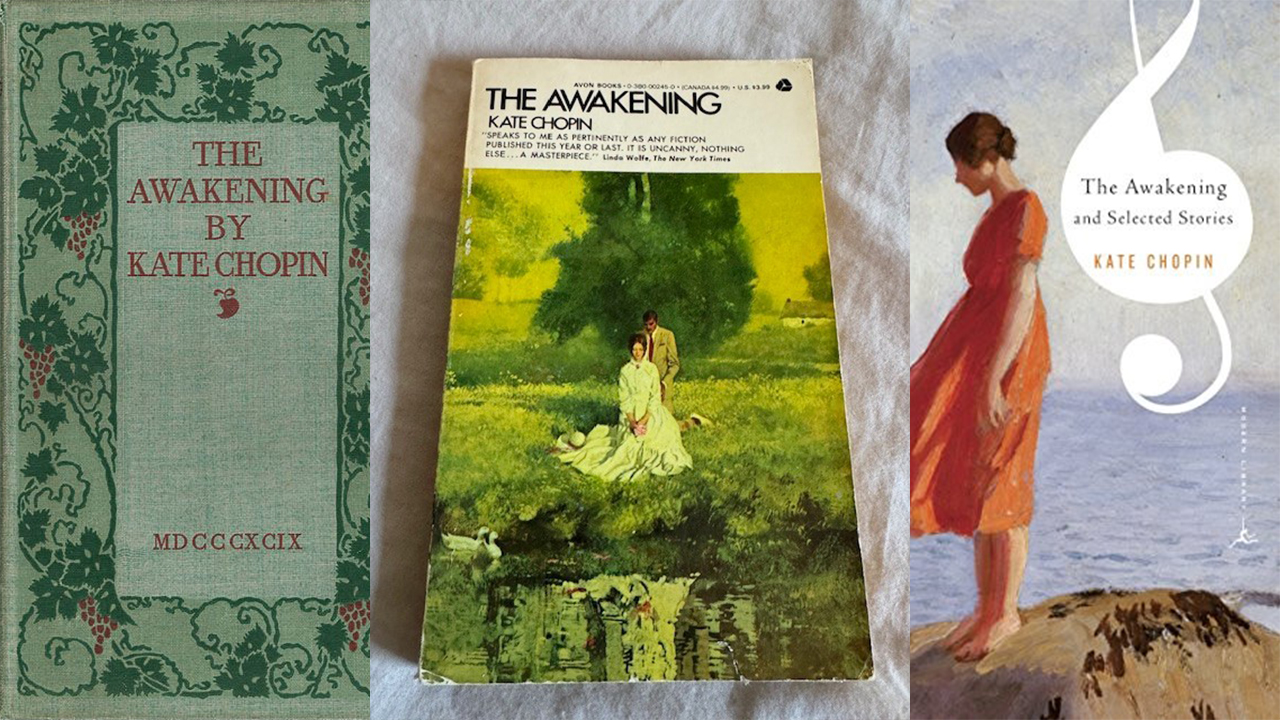
By the time it was gone, the change was subtle but unmistakable: one corner left without its figure, one pedestal left bare. But to understand why that absence matters, it helps to understand who Kate Chopin was and the stories she wrote.

The ginger nut (and by association other cookies of its type, such as those made with black peppercorns) has an aggressive presence but offers scant sustenance. It is meant to aid digestion of other things, to have a warming effect in winter, to relieve boredom, and perhaps to remind us we are alive in the sometimes dry, husky business of life.

Having lived in the United States for a few years, I have either struggled to understand democracy in practice or struggled to keep up with it.