Colorstruck–in Segregated St. Louis
September 6, 2026
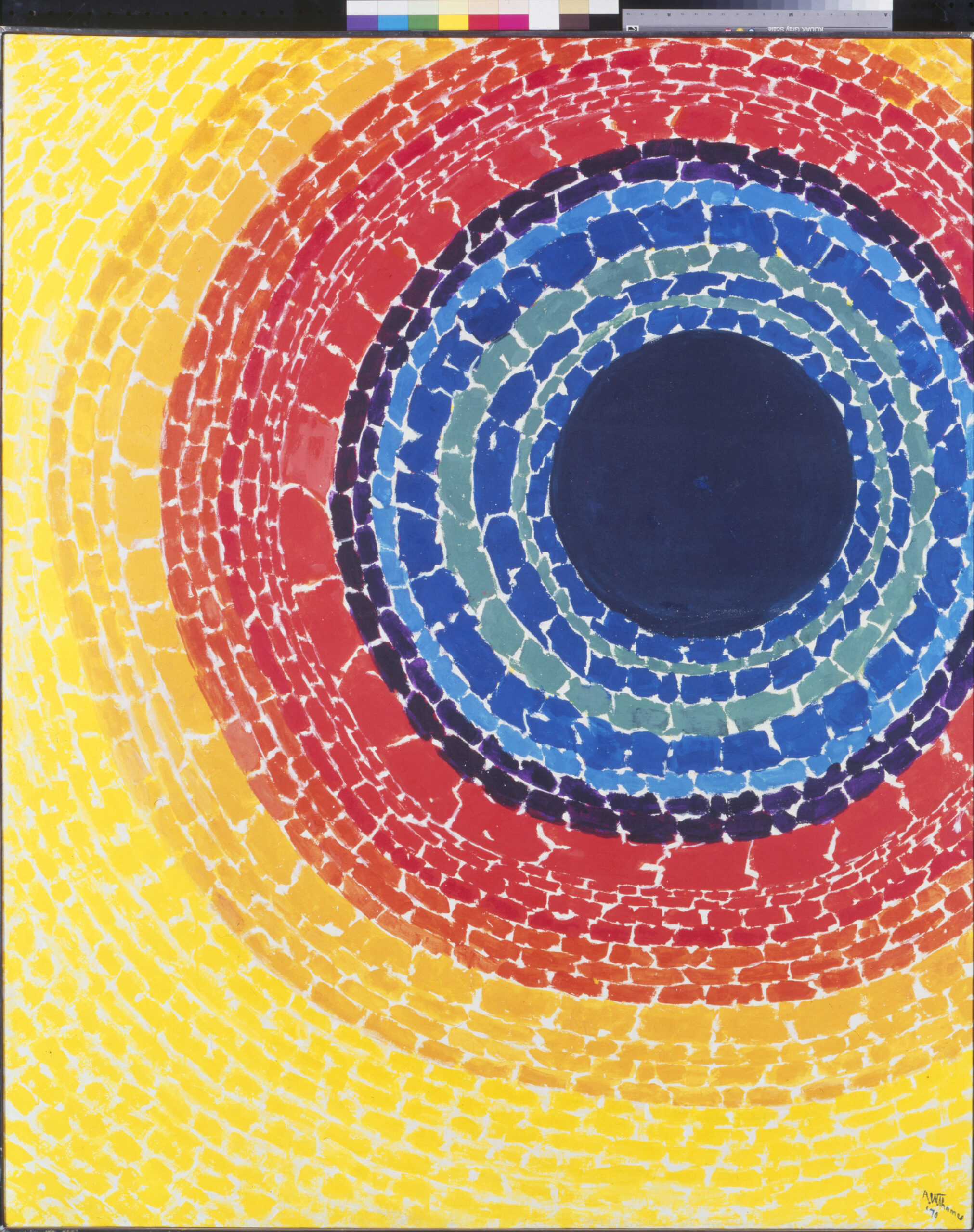
Colorstruck! He had me at the name. Richard J. Powell has written a gorgeous book about Black artists and their use of color, and every page leaps up at you, jolting you into attention. A scholar of art and culture and the former editor-in-chief of The Art Bulletin, Powell gives each color its own chapter. You can soak in the coolness of the viridian, that intense, flat blue-green that Jacob Lawrence uses to calm and focus his bold, masterful canvases. The hot orange in Alma Thomas’s work, the rich bronze William H. Johnson uses in Jitterbugs, the sex and blood and mischief of crimson, made proper in Charles Alston’s Girl in a Red Dress. More examples, dozens. So many Black artists have been ignored that Powell could curate fresh excellence without breaking a sweat.
He stays playful, appreciating, dipping into various associations. Writes us a letter from viridian; a warning note from a red crayon. I breathe in the art on these pages, noticing how the subjects’ dark skin becomes a suggestion, permission, even an obligation to let the color glow bright. The palette is rarely pastel, never enervated or limp. I am reminded of the way stylish Black men dress, to my pale husband’s eternal envy: they are unafraid of expression.
The book is a healthy reinterpretation of “colorstruck,” a word first used in the early twentieth century to “refer to a black person who prefers a light-skinned companion.” During the Harlem Renaissance, the meaning expanded, Powell reminds us, “to anyone inordinately preoccupied with race.” Zora Neale Hurston wrote a short play in 1926 called Color Struck, in which she looked at all sorts of color discrimination within her own race. But it is color mixing, that old scared term, that is on my mind at the moment.
I just returned from Chicago. We stayed in Hyde Park, so we went to some cool restaurants on the South Side. One in an elegant boutique hotel, one with a Caribbean theme, one with food so exquisite I wanted to beg the chef for recipes. Eventually it dawned on me that in each restaurant, the ratio was about 70:30 Black to White.
So why do I never see that back home?
Where, in St. Louis, I demanded of my companions, can you find White people in any restaurant where they are not an automatic majority? Subtract soul food on a whim, BBQ for the aficionado. Maybe 50:50 now and then in a few places in North County, U. City, or the north side of the Central West End. But where else?
Nobody could name a single place. The significance of that weighs on me.
When I was reading Powell’s book and researching its colors, I came upon a quote from Percival Everett’s So Much Blue: “Regardless that blue was so likeable, a color that so many loved or liked—no one hated blues—I could not use it. The color of trust, loyalty, a subject for philosophical discourse, the name of a musical form, blue was not mine…for my disdain of the color. I knew it was important, that my dislike of it was a function of fear and that fear, like all fear, was a function of a lack of ken.”
What you do not know, in that familiar sense of “ken,” you fear.
Color changes how we see. A mix of colors changes how we see one another. When we are all having fun, tables side by side, the food excellent, music fizzing in the background…we stop being afraid of one another. Pale or dark tones are no longer triggers, reminders to be wary. We have laughed with our friends and heard other people laughing with their friends, and when we leave, stuffed and sleepy, all of us are intact. This sounds simple enough to be insulting, but St. Louis still needs such simple remedies. It was only sixty years ago, less than my lifetime, that our restaurants were finally desegregated.
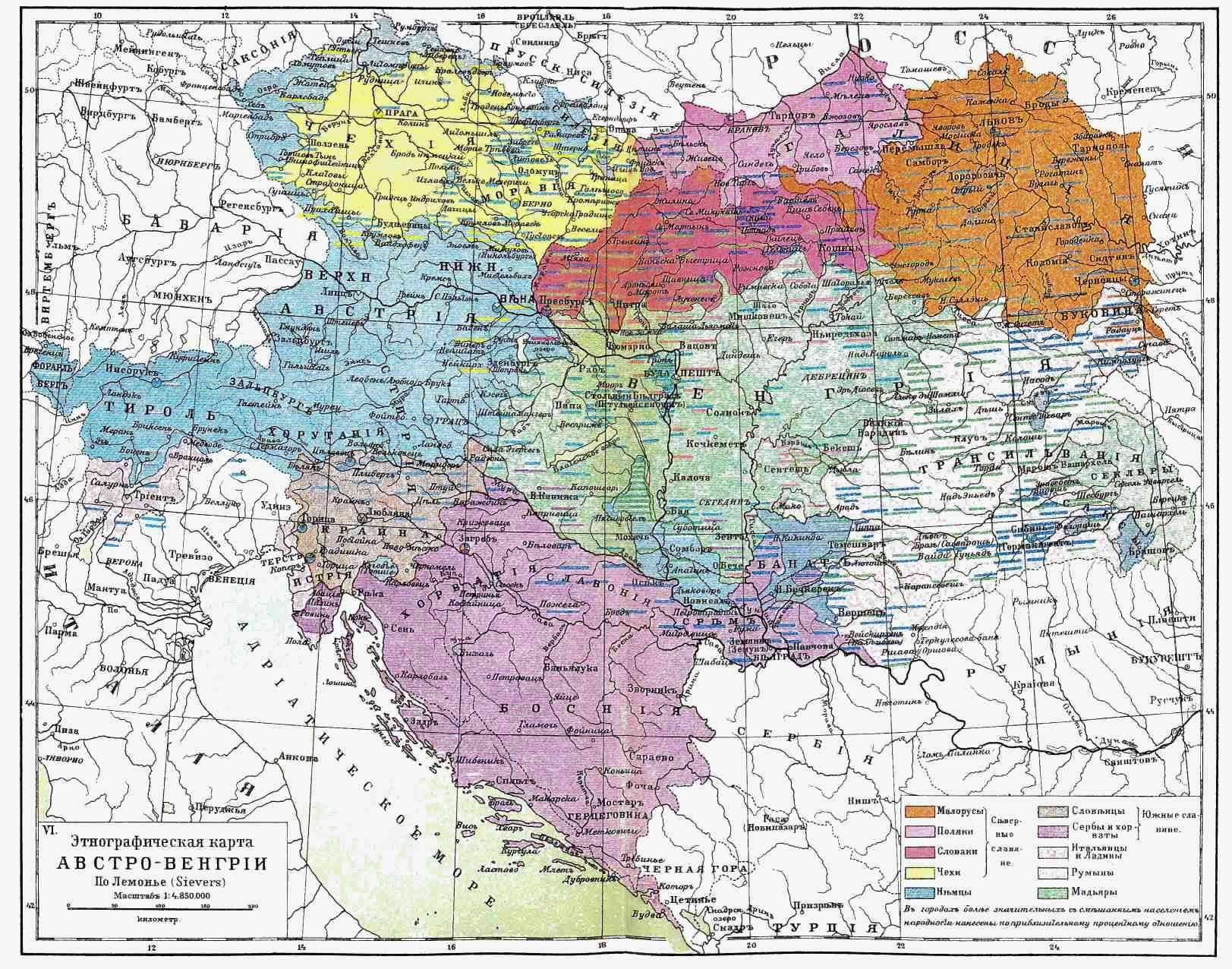
“That’s a big difference between St. Louis and similar cities,” says Eric Mumford, the Rebecca and John Voyles Professor of Architecture at the Sam Fox School of Design and Visual Arts. “St. Louis is unusual in that it’s an industrial city that’s kind of in the South.” We call it “a city of neighborhoods,” which always sounds so friendly. We forget to tuck “segregated” before “neighborhoods.”
Back when it was law, segregation chopped up the city. Fear and hate and habit made it easy to stay geographically segregated. Now affluent Blacks are scattered across West County, nowhere with enough critical mass to outnumber their White neighbors at a nearby restaurant. Mumford sums it up: “There is this parallel world here.”
The city fathers thought that best. They were wrong. St. Louisans remain divided and wary. Meanwhile, a recent study from Johns Hopkins found that a strong majority of people in the most diverse communities near D.C. really, really like where they live. On average, 71 percent, after surveying White, Black, Hispanic, and Asian residents. They are happy with the racial mix, happy with their neighborhood.
If you share parks, trails, libraries, and restaurants, you interact casually at pleasant, relaxed times. That builds trust. Could this be any more obvious? White people—many of whom have felt extra nervous ever since it was announced that demographics were shifting and they were losing majority status—could find out that being in the minority need not mean being mistreated. (Never mind what their own ancestors did to minorities, which may shadow the back of their minds.) A little more mixing, and surely they could chill the hell out?
Zora Neale Hurston once observed, writing about the opposite ratio that she was forced to experience whenever she left Harlem, “I feel most colored when I am thrown against a sharp white background.” She was not wrong. Leonardo da Vinci explained the physics: “Among other things of equal lightness, that seen against a background of greater whiteness will seem less light, while that placed in a darker space will appear whiter.”
Difference becomes contrast—is magnified, perceived as separated—whenever a background is noticeably lighter or darker. Segregate, and you polarize. Nothing blends. The extremes are set in opposition to one another.