Farming For Flavor
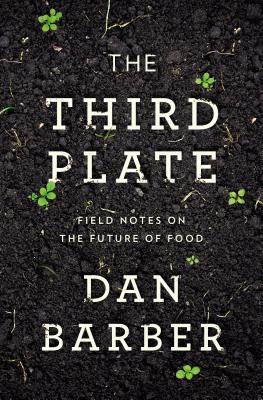
Dan Barber is first and foremost a chef, and his book defines sustainability and food against their utility as vehicles for taste. This is a welcome addition to food studies.
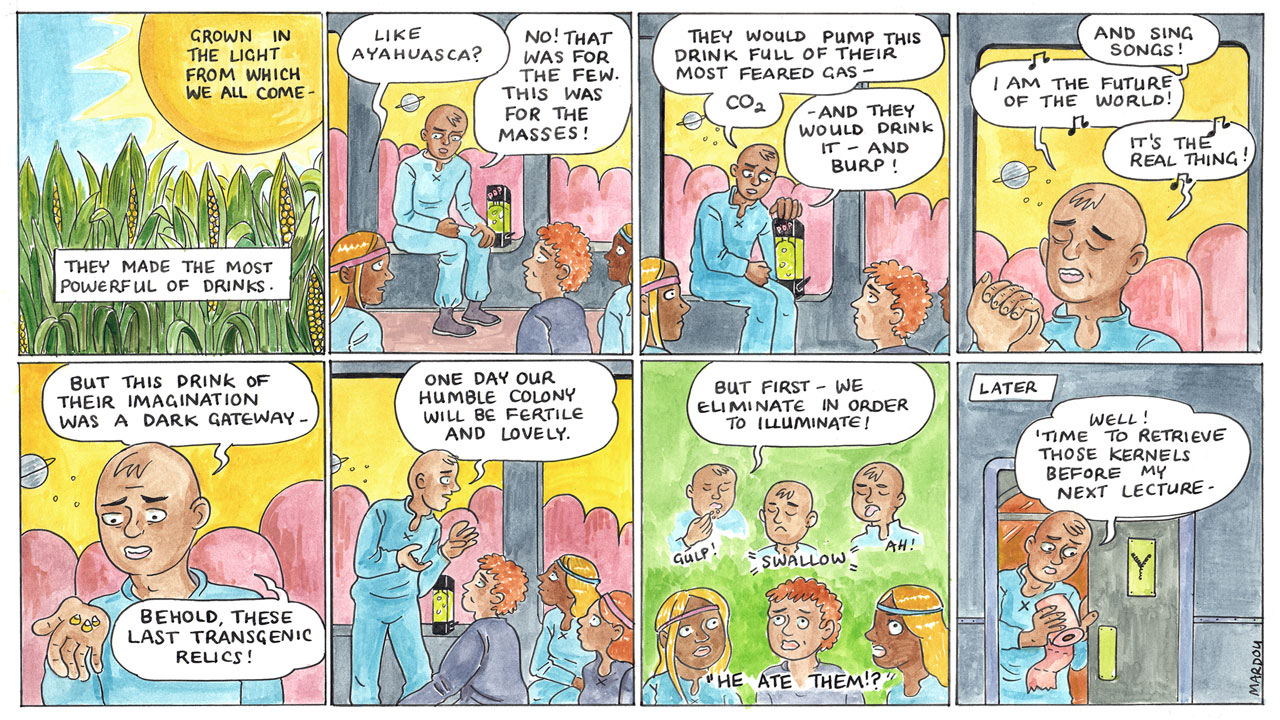
"Grown in the light from which we all come, they made the most powerful of drinks."
Emphasizing the need for food, the abuse of food, or the communal aspect of eating, somehow unlatches a secret, emotional spring of insecurity.
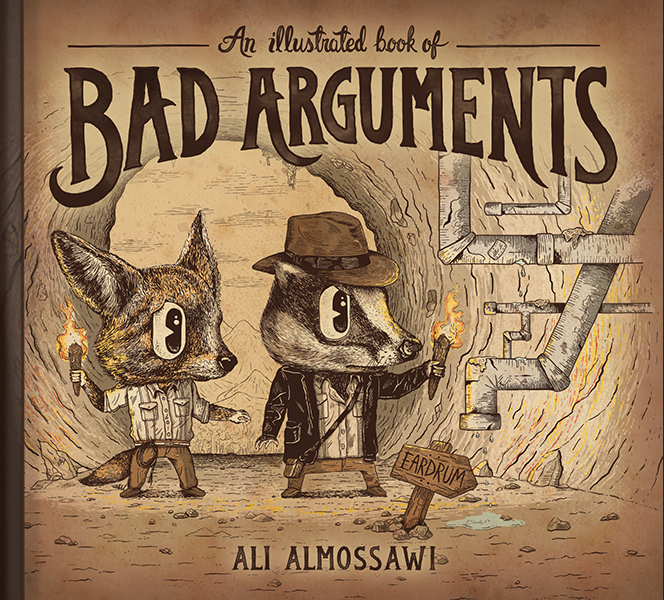
In a refreshingly humorous style, the book outlines 19 bad forms of argument, clearly and concisely, followed by a little illustration for each, featuring large-headed animals with a rather curious stare.
There is some preaching to the choir, some inside jokes for people who know the significance of Heather having two mommies and that everyone poops (allusions to children’s book titles), but there is also a sense that the authors want to appeal to those who might have the wrong image of them as people who work in children’s literature.
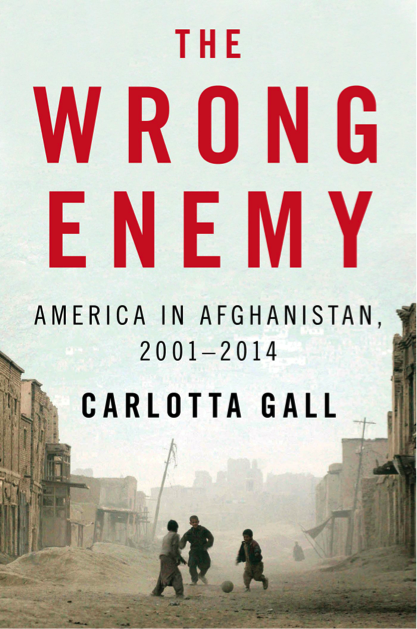
What intrigues most about Gall’s book, however, is not the many local lessons it offers but rather how it wants to construct and control a broader narrative about the war. This impulse is smart insofar as no coherent national narrative about Afghanistan seems to circulate, and The Wrong Enemy realizes its opportunity to address the vacuum.
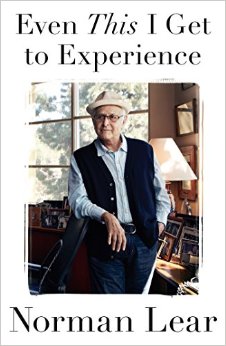
Does a man ever get over his father? Born into a Jewish family in New Haven in the summer of 1922, the second child and only boy, Norman Lear developed toward H.K. a reverence that withstood a great deal before souring, which it never did completely. Like Archie, H.K. was a large personality whose faults were proportional to the rest of him.
"Let Me Heal" chronicles the history of graduate medical education in the United States, from its origins in 19th-century apprenticeships to its birth at Johns Hopkins to its changing character in the late 20th century and the challenges it faces today. It is the definitive account on the topic. This book has obvious appeal for historians of medicine and physicians interested in their past as well as to the lay public curious about the training of their doctors. It also has pressing relevance for policy makers shaping the future of residency.
"Harlem Nocturne" departs from conventional narratives of great artists by insisting that the cultural and political currents of their time encouraged and enriched their creativity. New York City, the people and places that made it a progressive, dynamic site for political and cultural expression during the 1940s made it possible for three young black women artists to imagine themselves as "makers and doers" of the essential social, political and aesthetic work of their time.