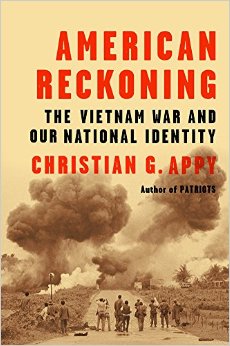
Saigon Syndrome
Christian G. Appy argues, unsurprisingly, that the destructive and immoral actions of the United States in Vietnam punctured the myth of American exceptionalism. Yet that same exceptionalism survives largely intact today.
Christian G. Appy argues, unsurprisingly, that the destructive and immoral actions of the United States in Vietnam punctured the myth of American exceptionalism. Yet that same exceptionalism survives largely intact today.

At long last, here is a book specialists in British, French, Spanish, Italian, and, yes, U.S. Civil War history will all find new ideas to explore and new contentions with which to grapple.
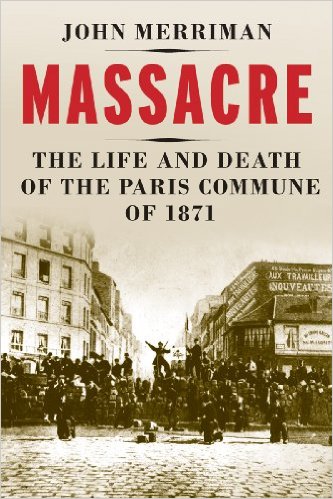
Massacre: The Life and Death of the Paris Commune presents a wonderfully vivid depiction of the Paris Commune that alternates deftly between humor and heartbreak.
Yong Zhao analyzes the origins, strengths, and failures of the Chinese educational system with an emphasis on its authoritarian nature. He may ease the concerns of other countries, who may feel pressured to follow the Chinese model, but he also demonstrates how problematic comparisons can be.
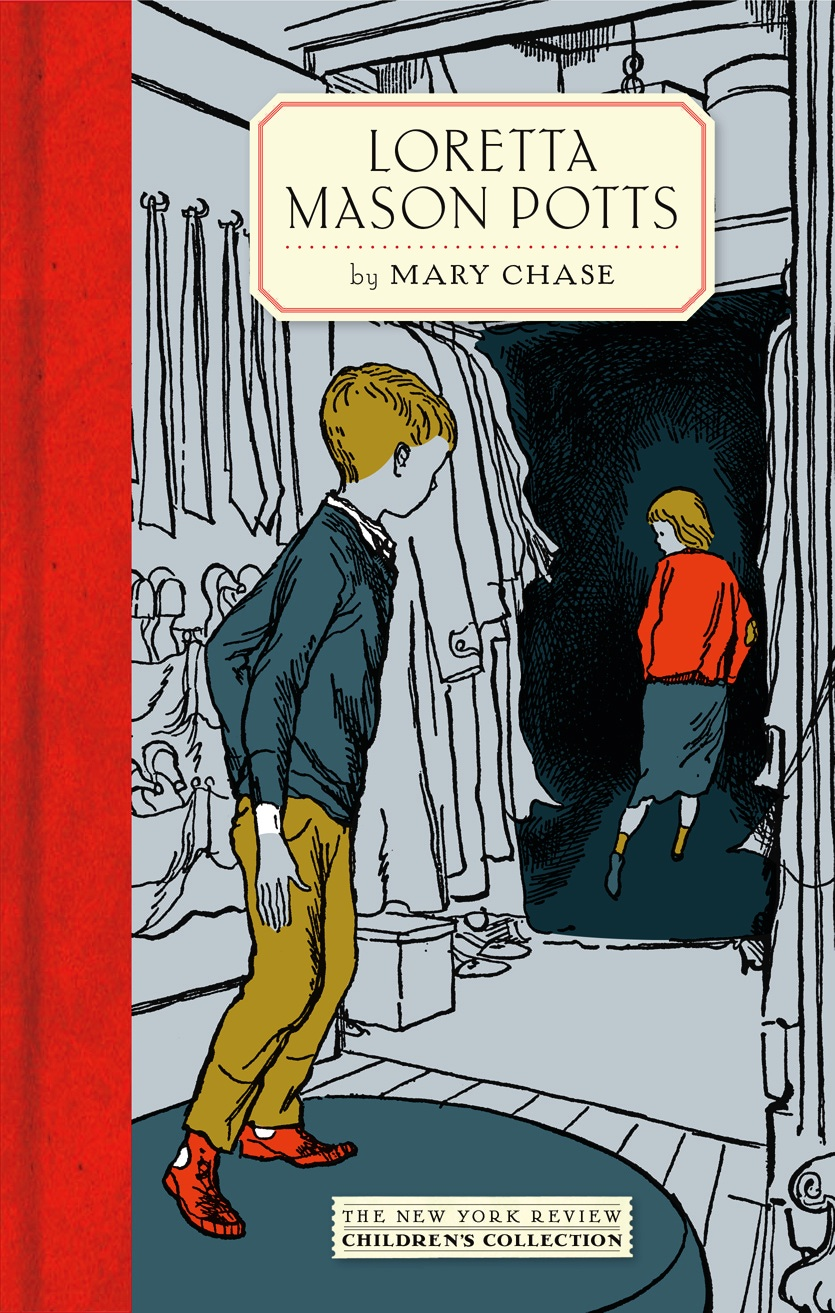
The children's book Loretta Mason Potts glosses over the emotional and logistical implications of its circumstances for a fantasy story where the impact of events become a very distant second to the events themselves.
Gerald Early, editor of The Common Reader, speaks with RAF-STL radio host Kathy Lawton Brown and the journal's inception, and its future.
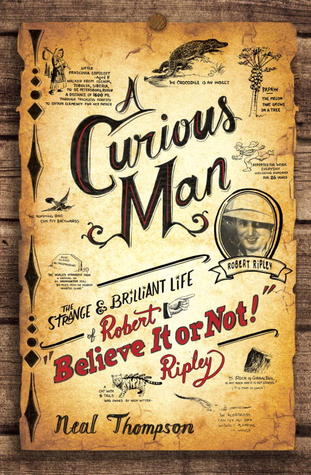
Like an amusement park, Believe It or Not was a cheap thrill but it also brought together a community of seekers who sought their faith through the excess of the unusual.
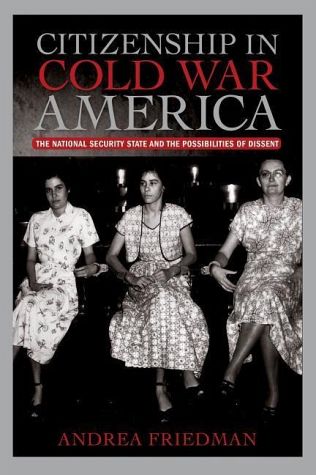
Friedman’s skill in populating her chapters with not only intriguing protagonists but a full cast of supporting characters results in an engrossingly textured account of the early Cold War. Freeing the era from the straightjacket of conformity to which it has been confined by hindsight and historiography, Citizenship in Cold War America reveals a society more fractious than anxious.
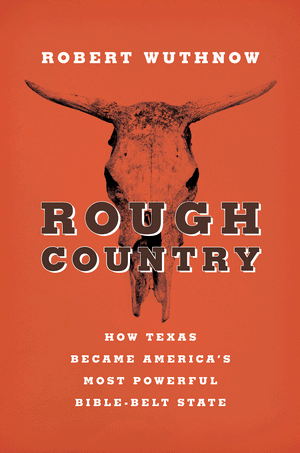
Rough Country clearly shows the sociological function of religion in Texas and, as a consequence, its political leanings and influence on the rest of the United States.