The Painful Exhilaration of Downsizing
June 14, 2026
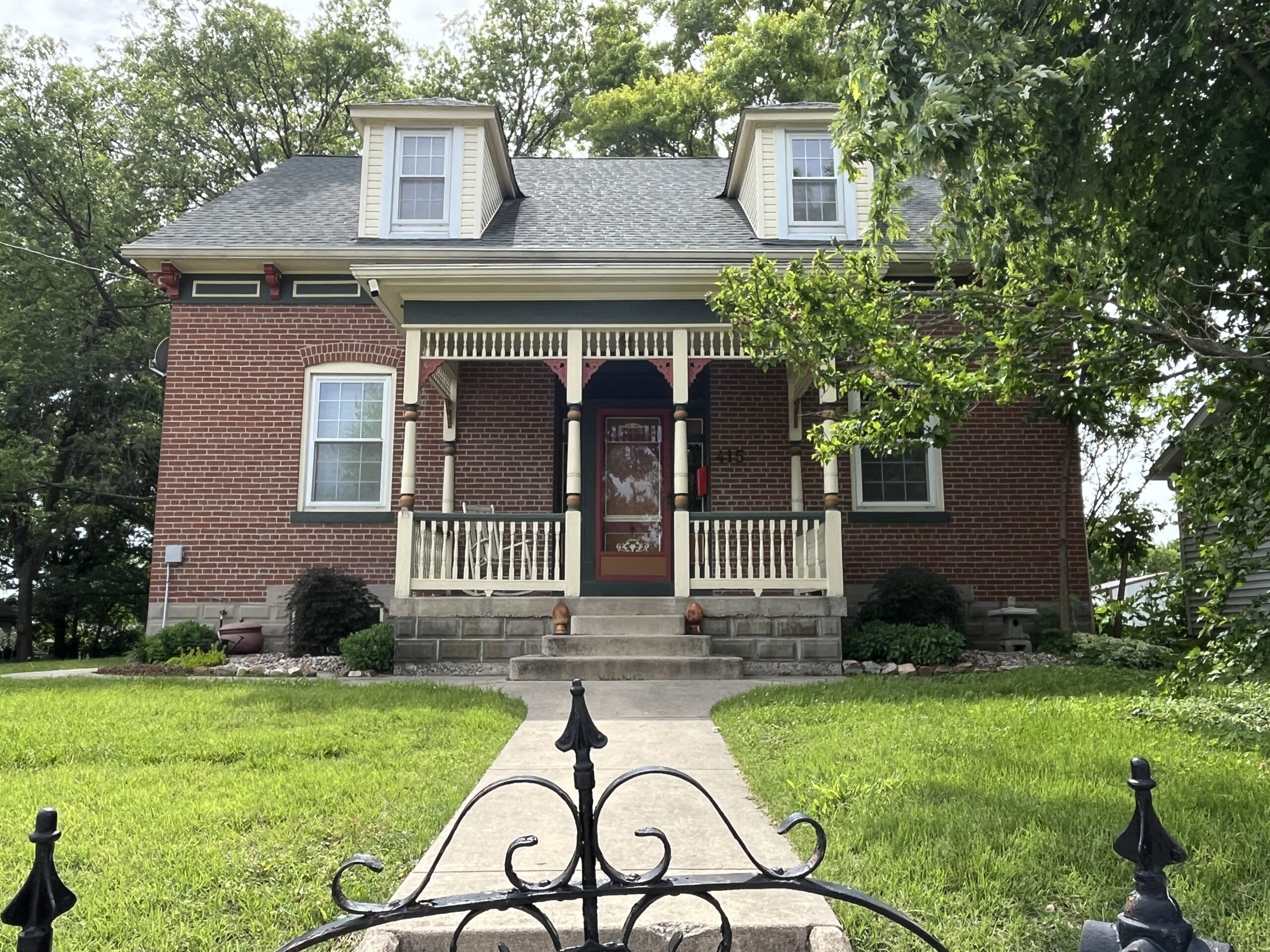
We have given ourselves two more years, ample time to continue spreading out in this friendly, comfy, century-old house. Two more years, my mother’s daughter whispers, to keep weeding, scrubbing, repainting the wrought-iron fence…. By the time we leave, we will be thoroughly ready for a smaller, more practical, inevitably less charming abode. This is what people do at our age. Downsizing, it is called. A horrid corporate word, cloaking rejection and existential panic. British realtors amend the word to “rightsizing,” which is much cheerier. In Spain, they say reducir la vivienda, reducing the housing—though the phrase sounds more like reducing one’s life, and that is how it feels. Germans cut to the bone: sich verkleinern, make oneself smaller.
Smaller? I had hoped for cleaner, clearer, more focused, distilled, pure, efficient, simple, streamlined, light, easy. But the Germans are right: there is something less expansive about such a move. No more big New Year’s Eve parties with clusters of friends bobbing through various rooms and always, always crowding the kitchen. No more ambitious holiday decorating with pine boughs twined and ribboned down the long banister and arched over the front door’s transom window. No more chasing the dog around a huge yard and letting him run wide exuberant circles around the house.
We will live smaller—just a few people over to dinner at a time, a dinky little Christmas tree, and parks as substitute back yards. As a result, we will have energy left to pursue whatever interests us, volunteer wherever needed. Maybe our lives will find new ways to expand, once we are less heavily anchored in place.
Meanwhile, I find myself in a consumerist limbo. After years of delicious hunting for old furniture in need of a creative repainting or unrecognized antiques or funky clothes for which I would never pay full price, I pass those shops without a glance and spend my time giving stuff away instead. Forced to admit it, I have to acknowledge how little, of all this accrued stuff, we actually need. I walk around muttering William Morris’s admonition: “Have nothing in your houses that you do not know to be useful, or believe to be beautiful.”
This is harder than it sounds. In our expansive years, we never knew what might prove useful. And, with full apologies to Marie Kondo, we often did find an imperative use for some object tucked away years earlier. Objects are like people, in that you can never predict, at the outset, which you will come to cherish. And so I meander through our house, taking careful note of what pleases me, what softens my heart, what feels impossible to live without.
The funniest thing is happening. Big, pricey objects, the sort we gulped before buying, have shrunk in importance. Tiny, practical objects are revealing themselves as treasures. The other day, I held my just-right tea-leaf strainer in my palm and assured it fondly, “You’re coming with us.” Same with the beloved Swiss corkscrew I have had since my callow, aspirationally sophisticated twenties. I patted the Ninja blender (okay, that was pricey) and murmured praise, because it eats up whatever I toss in there and gives it back smooth without complaint. Again, this resemblance to people: those we take for granted, we should cherish daily.
I miss the yard sales and thrift shops. Yet it is freeing, so freeing, to go through a day with the usual chores and projects and worries popping into my head—oh, we need to clean that, transplant that, dig that out, move that—and keep remembering, with sweet relief, that soon none of this will be on our to-do lists. All those household objects I would glance at and feel zinged by my own inadequacy, because I was not keeping them polished or sharpened or whatever…can no longer scold me.
It is sobering to realize how much of my present I spent factoring in, negotiating with, the future.
Now the future itself is smaller. We have fewer years to fill, less time to dive into new projects. My mind has not caught up; I still spark, for half a second, at the idea of a different career or a course of study, only to remember that the time for that has passed. I mean, yay for the seventysomethings who make the newspaper by finishing med school, but I would want a longer payback for such an investment. Life is now a choice of games, and I do not want one with a thick rule book that will require hours of memorization. I want to get to playing.
We have played in this house for more than twenty years. It has been kind to us: solid, reliable, easy to live in. A smaller home may well be more sterile, more templated. But all this living has given us enough experience, layered enough memories, and lit enough curiosity that I suspect we could inject warmth and interest even into a monastic cell.
Rightsizing. Some people are good at it: they change homes easily and often, shifting with life circumstances. Others need to be prodded, or simply stay put, because when you are comfortable, it hurts a bit even to think about budging. For years we swore we would only leave this house feet first; we both wanted to die right here. Then we hit our sixties, and the chores loomed larger, and the highway driving felt more stressful, and our possessions took on weight, as though we were lugging them along and wanted nothing more than to set them down by the side of the road, someplace where a young family might see them and pounce with delight.
If your shelter matches the way you want to live, nothing is crowded, excessive, wasted, or yearned for. This house was the sort I had never dreamed I would live in: a sprawling family home with a big yard in a peaceful rural town. By the time I was old enough to notice my surroundings, my mom and I were living in an ugly, modern apartment with a skinny strip of grass to walk the dog. She preferred new and clean to historic and shabby, and she instilled frugality. When we showed her our new home, she gasped at its size and frowned at the bits that were nicked or peeling or faded. As we filled all the shelves and closets, she panicked: “If you two die in a car crash, I’ll have to just set fire to it all!”
Ah, but we lived, instead. Gathered gardening tools, art supplies, costumes, Halloween decorations, cooking gadgets, party lights, dog toys, fabric and thread, wicker baskets…. The house was too big for two of us, and I loved that excess. Loved the glowing hardwood floors, the high ceilings, the absence of trendy finishes. Having an office apiece kept us sane during lockdown; having a laundry room still feels luxurious.
Our future compression could endanger our marriage; that is a worry. With lower ceilings and fewer rooms, we might drive each other crazy. Here, our moods can float upward and drift away.
On the other hand, we will be able to stop nagging each other: me with all the honey-do’s, Andrew constantly reminding me to lock the door, turn off the oven, clean the gardening tools after use…. We will be pals, roomies, not homeowners responsible for maintenance. We will live in a place the right size for ease and travel. Downsized, okay, but uplifted. Acknowledging our mortality so we can enjoy our lives. s