Ric Burns has been writing, directing and producing historical documentaries for nearly 20 years, since his collaboration on the celebrated PBS series The Civil War, (1990), which he produced with his brother Ken and co-wrote with Geoffrey C. Ward. Since founding Steeplechase Films in 1989, he has directed some of the most distinguished programs in the award-winning American Experience series including Coney Island (1991), The Donner Party (1992), The Way West (1995), Ansel Adams (2002), and Eugene O’Neill (2006). In 2006, his award winning film, Andy Warhol aired as a part of the PBS series, American Masters. In 2009, Tecumseh’s Vision aired as the second episode in WGBH Boston’s five-part series, We Shall Remain. Most recently, he completed Into the Deep: America, Whaling & the World which aired nationally on PBS in the spring of 2010. Burns is perhaps best known for his eight-part, seventeen and a half hour series, New York: A Documentary Film, which continues to be a bestselling series on DVD.
By Ric Burns
By
Andrew Harrington
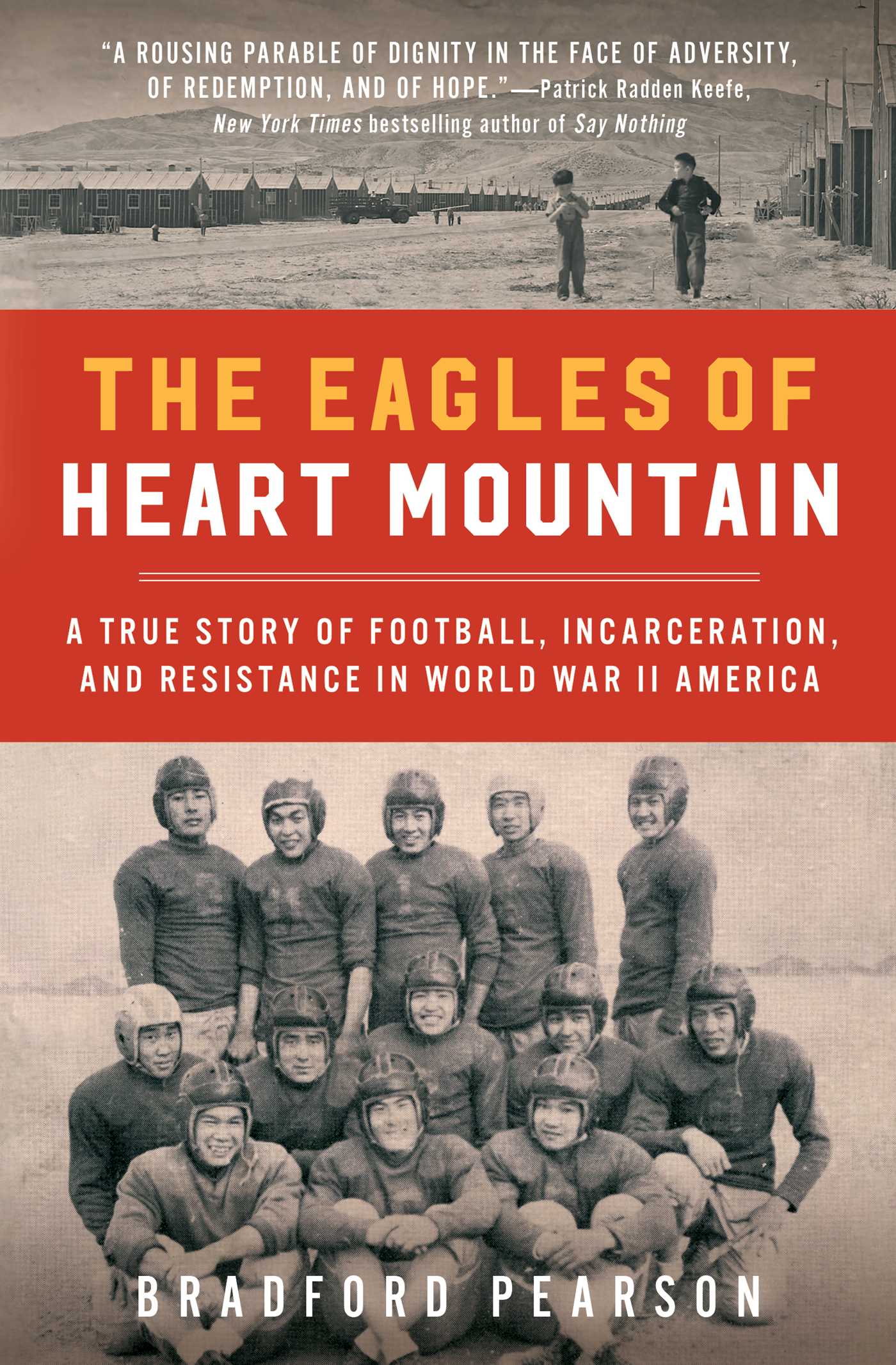
The Eagles of Heart Mountain is an impressive study of the concentration camps that imprisoned over one hundred thousand Japanese Americans during World War II. This is by no means the only history of the Japanese concentration camps, but it is unique in its focus on the Heart Mountain facility of Wyoming and its emphasis on the role of football in providing some joy and self-expression for some of those imprisoned.
By
James Weldon Johnson
The deep-seated cause of this feeling of hostility does not spring from the actions of Americans who go to Latin-America but from the treatment accorded to Latin-Americans who come to the United States. In truth, the whole question is involved in our own national and local Negro problem.
By
Alex Nuñez
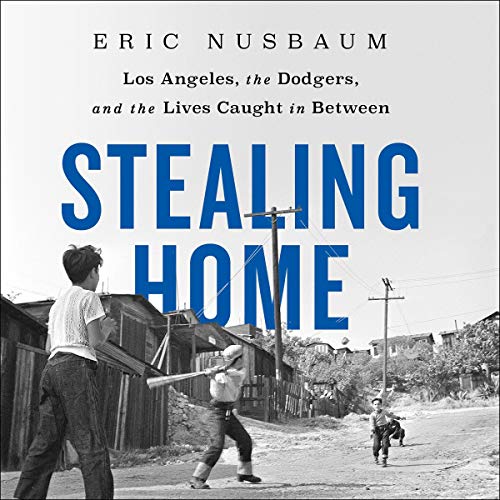
Eric Nusbaum’s Stealing Home: Los Angeles, the Dodgers, and the Lives Caught in Between weaves together the historical narratives, biographies, and accounts of various stakeholders whose lives were impacted by the planning and construction of a modern day American sports cathedral: Dodger Stadium.
By
Douglas J. Flowe
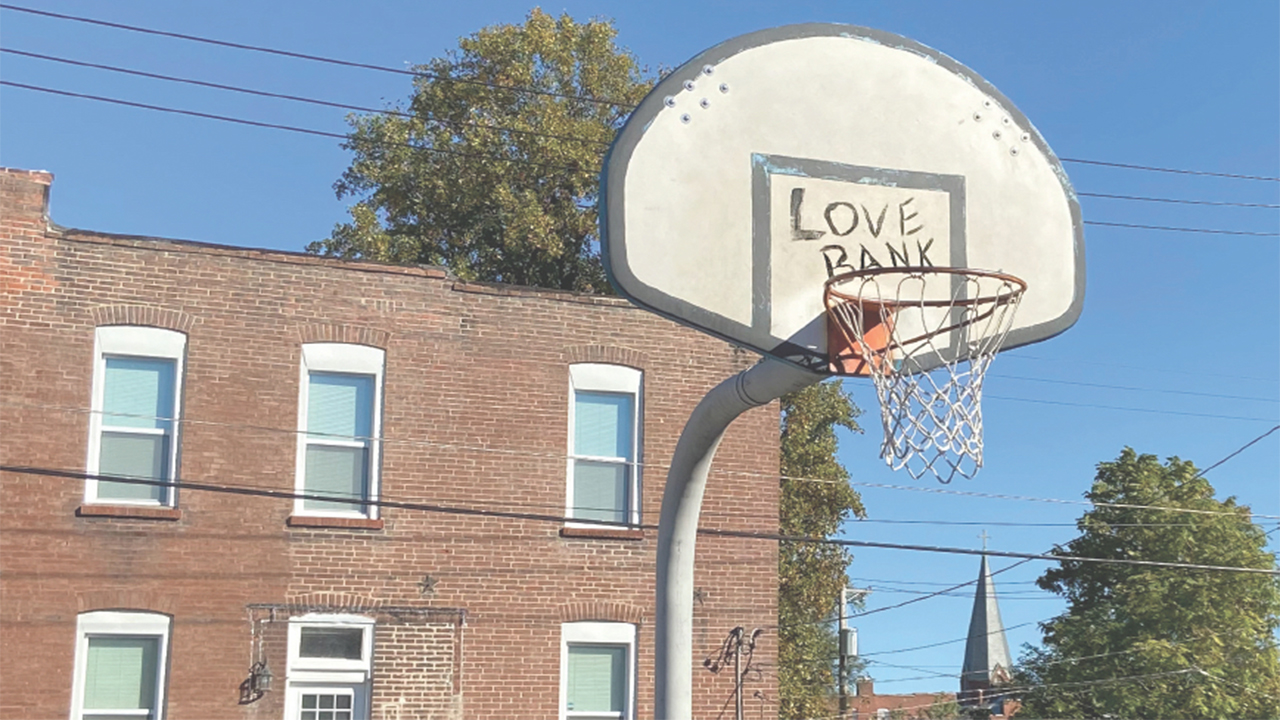
St. Louis’s urban crisis happened along deeply divided lines of race and class, and so is its economic and spatial reinvigoration happening along those same lines. In many ways, the Cherokee Street district, the neighborhoods surrounding it, and Love Bank Park are unique urban arenas that reveal the pains of growth and decline in St. Louis, but they are also situated at the typical boundaries one might find in American cities of the twenty-first century.

By
Rebecca Wanzo
I have a print of Paul Goodnight’s “Links and Lineages” that depicts three generations braiding each other hair in a colorful tapestry of Black female intimacy and beauty. Such pleasures exist in many families. Mine—not so much.
By
Douglas J. Flowe
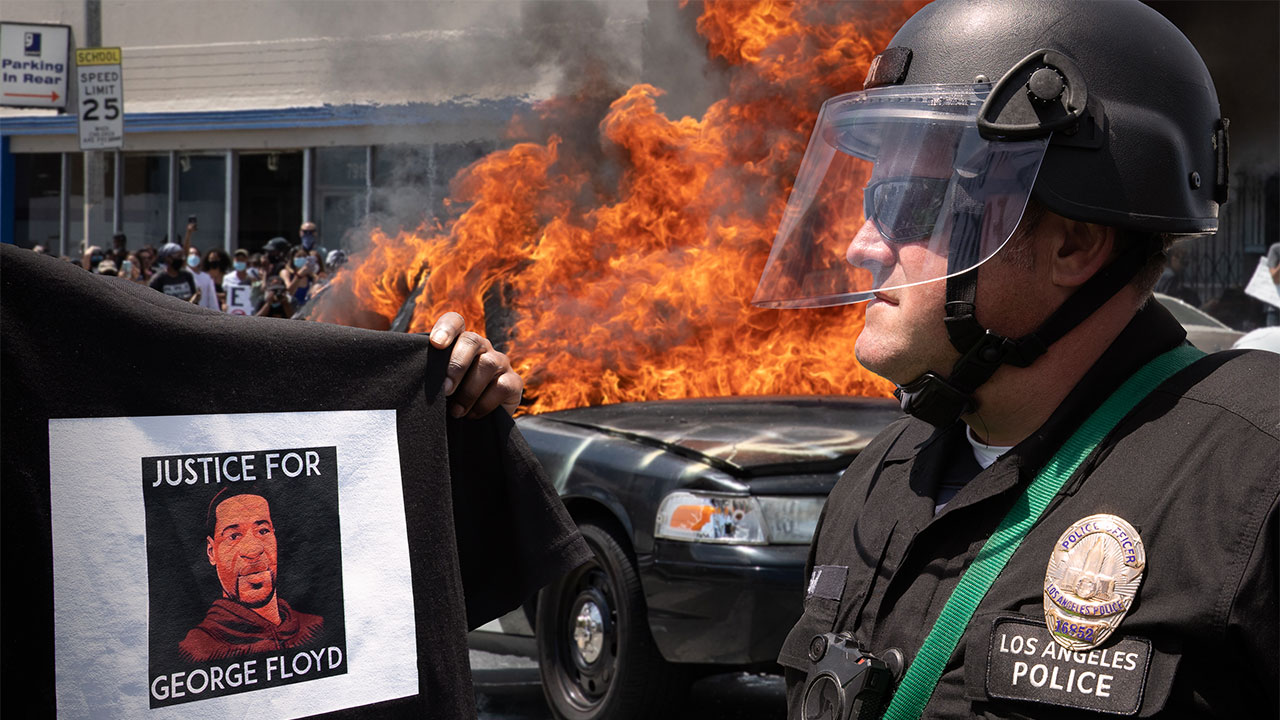
I am also hoping the long hot summer of 2020 will foster a new understanding of the fact that crime is systemic, it is not simply individual, and that deep systemic solutions are required to handle all social problems.
By
Rebecca Wanzo
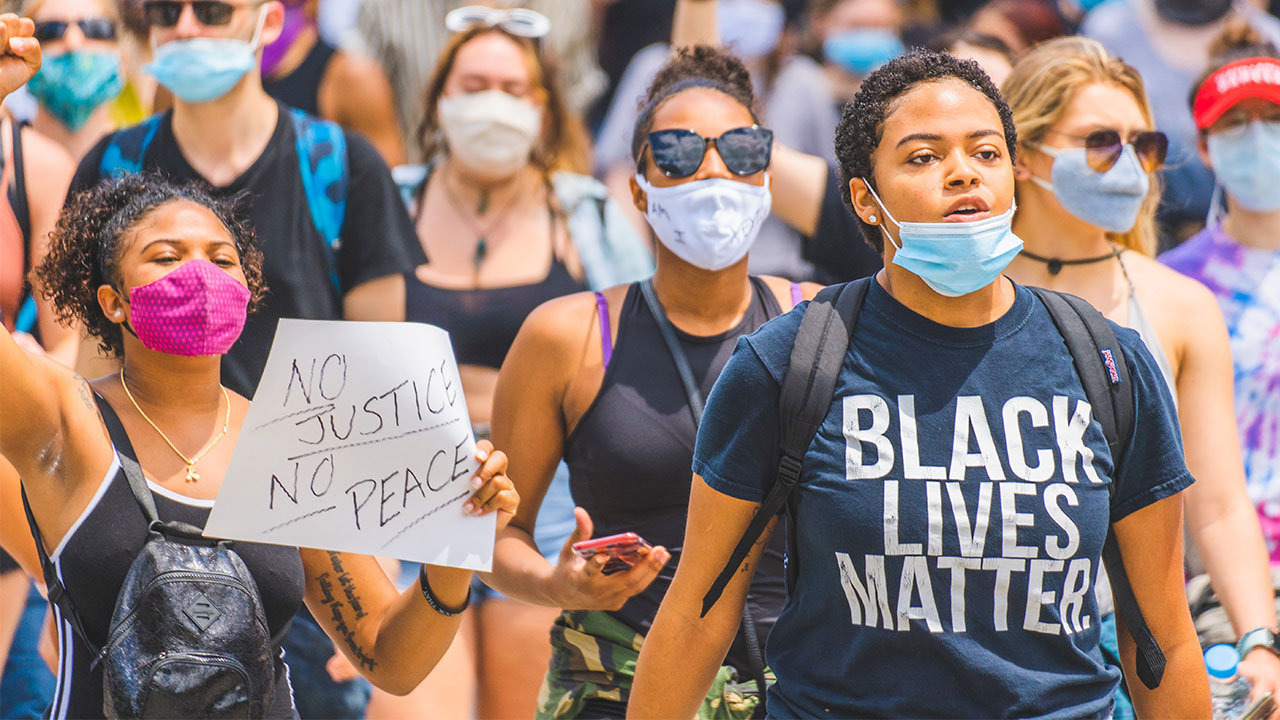
To see and be otherwise will mean that we must look differently and act differently, make connections when many social forces encourage us to interpret in silos. How often have you thought about how breath—literally and metaphorically—links many issues of social inequality?
By
William Lowry
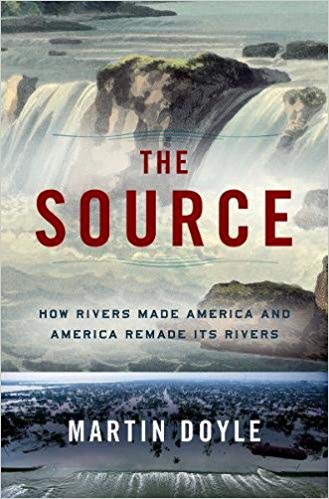
We residents of the St. Louis area know the importance of rivers, but we can learn a lot more from Martin Doyle's The Source.
By
Douglas J. Flowe
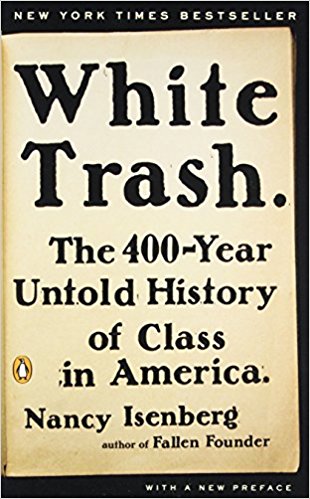
White Trash: the 400-Year Untold History of Class in America is laced from beginning to end with a persistent and urgent consciousness of topical debates about race and politics, and a sensitivity to the ideals, desires, and fears of “lubbers,” “clay-eaters” and “crackers.”
By
William Lowry
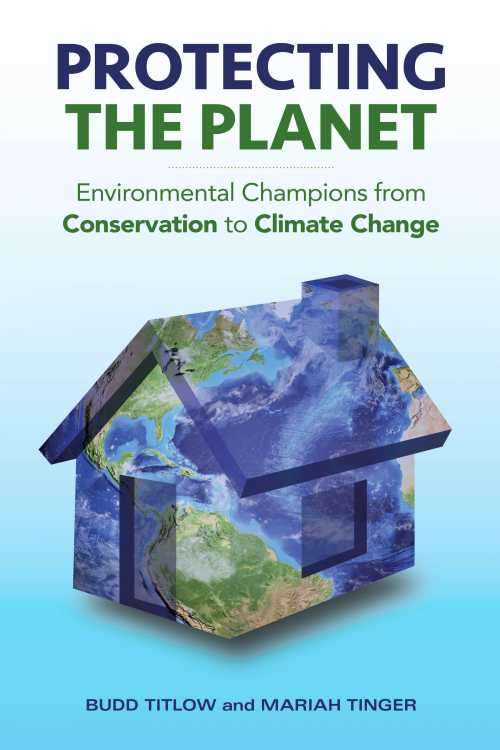
Protecting the Planet will work well for students and others working in the area of environmental policy who want a quick summary, but the reader should not expect to find nuanced theoretical argument or in-depth analysis on issues other than the climate in these pages.
By
Kae Petrin
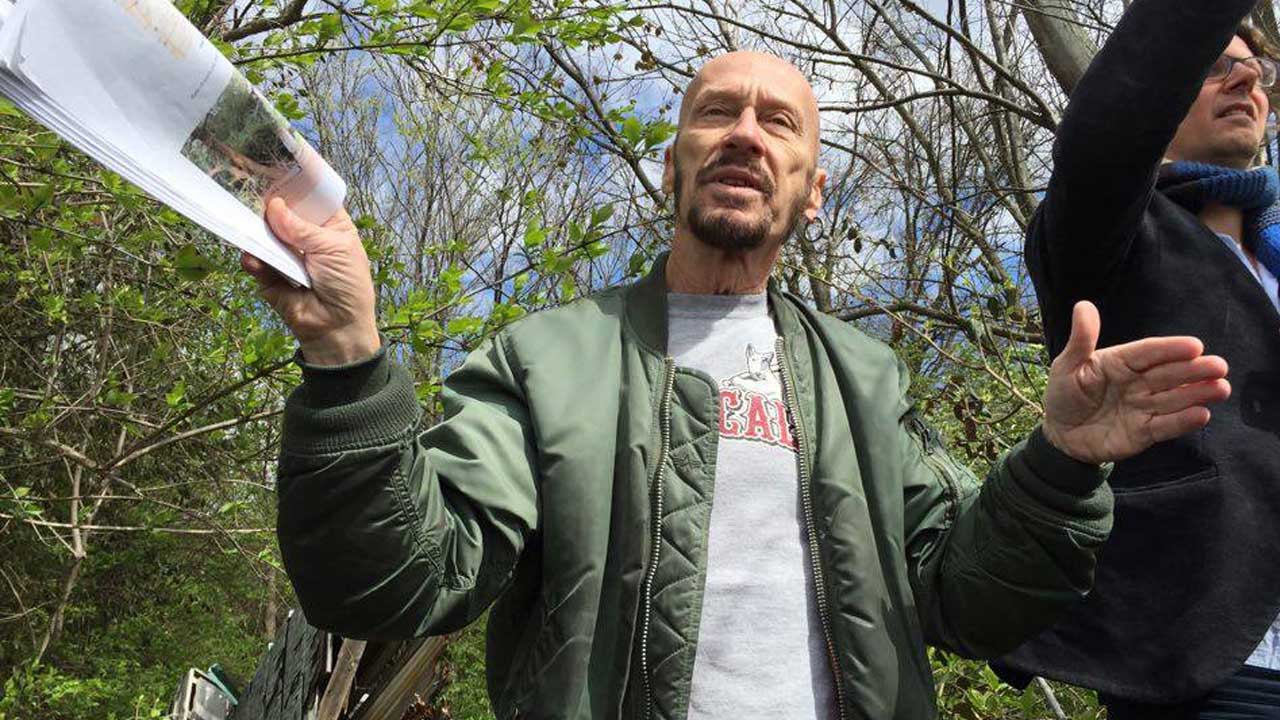
A popular bus tour of St. Louis reveals the city's larger patterns to make its central narrative, and long-standing tensions, stand out.

By
Kae Petrin
The new venture Afripedia is out to change your view of the continent, one featured artist at a time.