
Was the Eclipse Anticlimactic?
Totality. Just the word feels like an exhale. The reassurance of awe, of completion. The promise of grasping an immensity whole, rather than contenting oneself with the usual sliver.
Totality. Just the word feels like an exhale. The reassurance of awe, of completion. The promise of grasping an immensity whole, rather than contenting oneself with the usual sliver.
This is a concept country, like one of those cool demo cars that never get made because they are too flawed to be practical. Except, the nation did get made. We are still figuring out how to punctuate that reality.
Nature is red in tooth and claw, I mutter to myself. But how could our gentle dog be so cruel?
Our sensual imagination has gone abstract, need-based, overclever, and devoid of substance.
Professional landscapers haul in huge loads. And a shrugging “More compost for us!” is not fair to the folks who have to wrangle all that detritus, grinding a tangle of branches into mulch for our gardens. Still, the taped loop feels eerie.
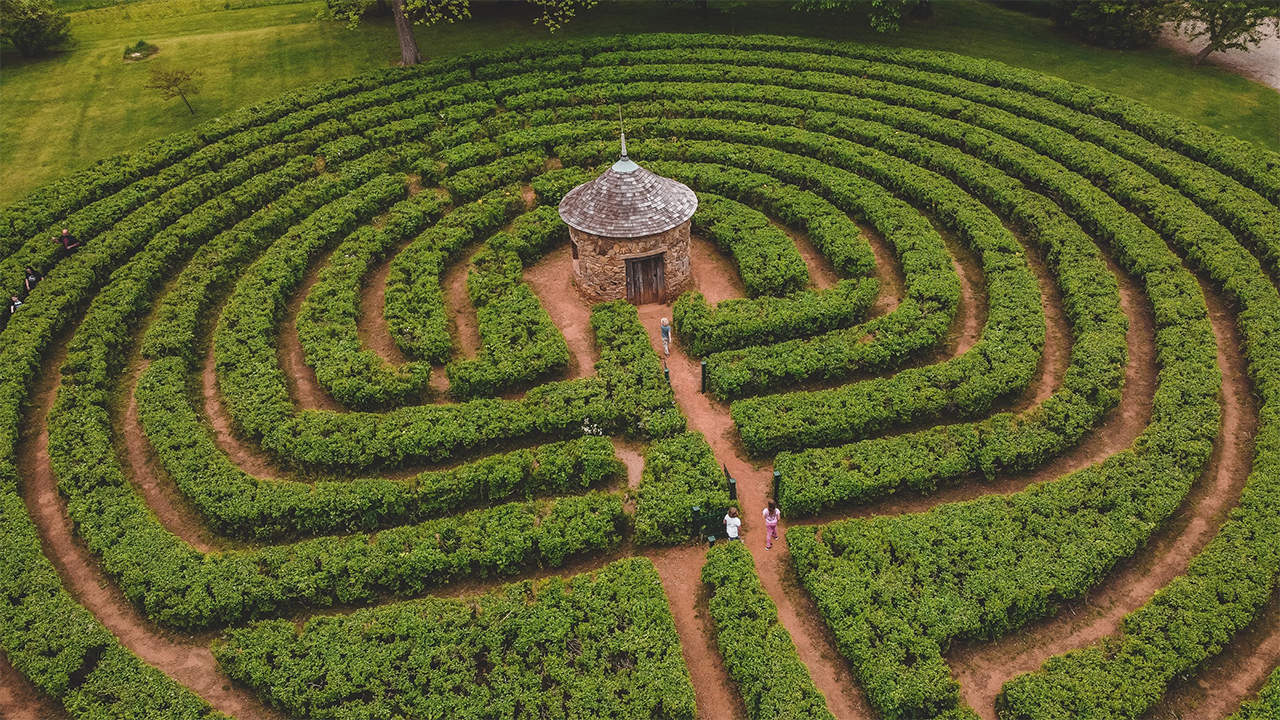
Silences that close us off, refusing connection, shoring up the ego at others’ expense—those are dead silences. But the letting-go sort, the silences that hold space or keep vigil for someone else? They are alive.
Only now is it clear that genes network like busybodies, responding to every possible influence and turning one another on and off as the situation demands.
Here is what made the difference for me: they take vows, and secretly, they take their work seriously, offering the same combination of ministry, nurture, and social justice activism to the queer and trans communities that traditional nuns offer to the rest of us.
In Eric von Schrader’s books, St. Louis remains a colossus of bricks, careful not to destroy its solid and elegant legacy. And Cahokia! It has been rebuilt by a pair of archaeologists, one Osage, the other White, who were fired from Washington University for their absurd insistence on the site’s significance.
The modern definition of “flourish” is “to grow or develop in a healthy or vigorous way, especially as the result of a particularly favorable environment.” In “The Nicomachean Ethics,” Aristotle plays just as fair, acknowledging the difference made by a silver-spoon birth and the finest tutors.
Phonics was my nemesis, and later, I heard it as Phyllis Schlafly’s battle cry. Why, I wondered, was reading instruction political?
Philosophy needed some rebranding, if people were not to relegate it to grumpy old men. But Becky Moon was just a freshman, so she shrugged off the question and contented herself with doodling fresh, playful little pictures about the thought experiments.