A Cicada Left This Letter
Our corpses enrich your gardens, aerate your lawns, and plump your birds. Yet you see cicadas as a plague and a punishment?
Our corpses enrich your gardens, aerate your lawns, and plump your birds. Yet you see cicadas as a plague and a punishment?
Our tastes are being changed for us, homogenized by algorithms that force clicks of approval into spirals of popularity.
Elizabeth Barrett Browning exclaimed only, “Beautiful!” Martin Luther relaxed into amiability and said only “Yes.” Truman Capote—and this revelation breaks my heart—kept repeating “Mama.”
The pattern of our favor indicates that the substance in question is not “race” at all, but a clump of biomolecules called melanin. Swayed by ancient symbols and contemporary prejudices, we, supposedly the creatures of reason, react powerfully to the black-and-white extremes.
One of the throughlines in Matisse’s work was his love of water: swimming in it, rowing across it, and above all, painting it. He described the water in Nice as “the color of sapphires, of the peacock’s wing, of an Alpine glacier, and the kingfisher, melted together, and yet it is like none of these.”
Our marriage has changed the way the town has, stacking up dreams, failures, exciting beginnings, convergences of interest, losses, and new capacities.
We cannot mend our minds and bodies without understanding the stories they tell.... “You can’t get to healing if you don’t recognize pain.”
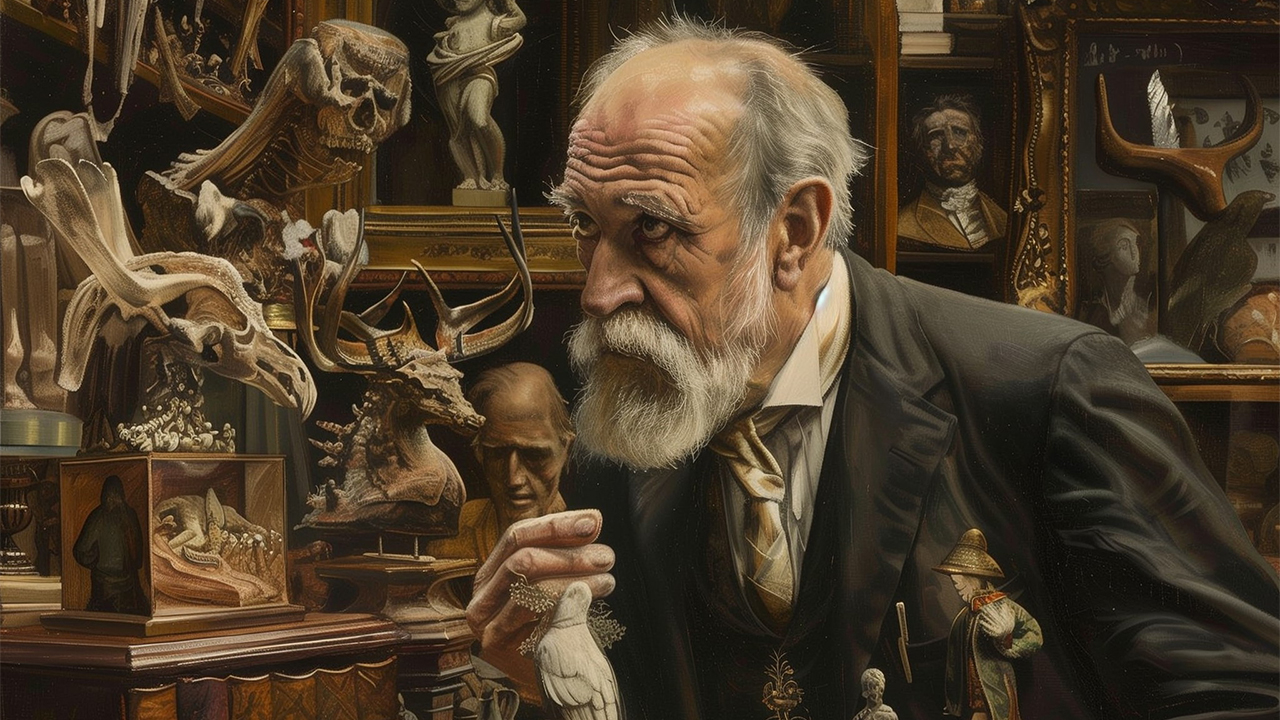
Adam, the first collector, got to label every other creature, creating the first taxonomy. Collectors ever since have catalogued their finds, documented their history, identified subtle differences. By the nineteenth century, people saw collections as symbolic worlds, full of clues to other places and other times.
A gym for kids who are neurodivergent--and kids who are not. When you make room for difference, it softens.
The new citizens’ faces suggest every other part of the world, yet as they recite, all the accents blend into a single voice—that sounds American. Which feels almost eerie until I remember the unity this nation was supposed to make possible.
(Shutterstock)
https://commonreader.washu.edu/app/uploads/2024/04/empathy.mp3
A heart willing to welcome someone else’s pain inside. A brain with the superpower of unlocking other psyches. Skin so tender, anybody’s mood will brush against yours—then penetrate. Empathy seems a noble trait, potent and generous, an instant cure for injustice and xenophobia. I watch…
The tensions that wire our lives do not go dead. Every time I try to look away, they crop up again, disguised or insidious. But Sylvia Plimack Mangold fixed her gaze and stared them down.