Invent a New Kind of Femininity
“Thinking about what aging means for the trans child,” Miranda July jotted in a writing notebook. “…. And how the physical changes of middle age/old age out anyone who is living as more feminine than they were born.”
“Thinking about what aging means for the trans child,” Miranda July jotted in a writing notebook. “…. And how the physical changes of middle age/old age out anyone who is living as more feminine than they were born.”
U.S. Senator Josh Hawley (R-Missouri) opened by asking the audience the most rhetorical question possible: “Do you believe that God has a plan for America?”
Enheduanna, a Sumerian princess, is believed by many to be the earliest named writer in world history. What man would have compared his creative process to childbirth? What man could have written what might be the first #MeToo account of sexual exploitation?
In ten seconds at Etsy, you can find decks that are Gothic, Art Nouveau, or Impressionist; Aleister Crowley’s sexy, mystical Thoth deck; Botanica Oculta cards that look like vintage seed packets; the gorgeous black and gold Azazoth deck inspired by H.P. Lovecraft; the Abusua Pa The Tazama African Tarot; the Punjabi-influenced Marigold Tarot; a Luna Somnia deck that layers in astrology; and a deck that uses haunted cats.
Elmer’s glue had to be smeared all over one’s finger, the inside of the wrist, or possibly the whole hand, then allowed to dry—blowing on it was permitted—and slowly, deliciously, peeled off.
Was my cheerful trespass neighborly, an act of communal solidarity, or a brazen crime? Our jurisprudence gauges severity by dollar value, but what is the worth of a half-dead rose in an alley?
In Shakespeare’s Sisters: How Women Wrote the Renaissance, Ramie Targoff points out that when Virginia Woolf wrote A Room of One’s Own, “she knew almost nothing about the powerful literary works a small group of women had written—and in many cases, published—around the time of Shakespeare.”
Michael Eastman wants to walk around my little Southern Illinois town with his camera. A photographer whose work is in museums, who has shot the world’s extremes of beauty and decay, wants to walk around Waterloo, Illinois, and shoot? What the hell do I show him?
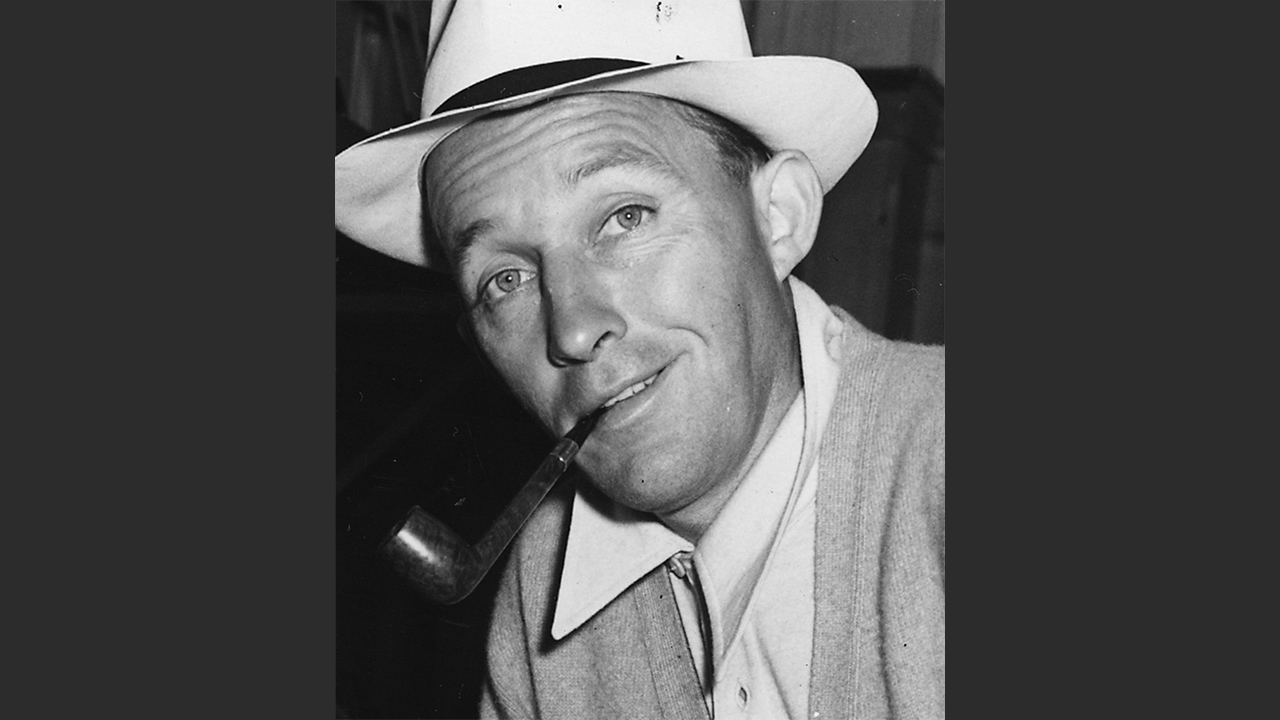
He had flawless musical timing, comic timing, cultural timing. When he fell out of time, we sped away from him. We still say Satchmo’s name, Ella’s, Sinatra’s, Elvis’s, with reverence. But only a smattering of fans and jazz musicians invoke “Bing Crosby” with similar awe.
We corkscrew downward, using the nation’s declining literacy as a reason to degrade the quality of reading material, which then further constrains our vocabularies and decreases our literacy….
Whatever winds up documenting modern lives holds nothing like Henry VIII’s love letter to Anne Boleyn, signed, “written with the hand of him who wishes he were yours.” Our martyred heroes will not send letters from Birmingham or any other jail. Contemporary epistolary novels will be a rally of terse texts.
To the Cynics, the goal of life was, in literal translation, freedom from smoke—meaning false beliefs, pretense, and shallow lures.