Slouching Toward Chatbots
In some ways, we seem to want AI to replace us. Or at least to replace the people too foolish to fall in love with us or too impatient to adore our flaws.
In some ways, we seem to want AI to replace us. Or at least to replace the people too foolish to fall in love with us or too impatient to adore our flaws.
“The Doctor” mocks identity politics even as it turns them against us, casting women as men and White actors as Black characters. After years of all of us choosing up sides, art proves the project impossible.
Travel, done with an open heart, stitches new connections. It is a way to not feel lonely.

Few of us know New York inside-out. That means we are all in this together, looking hard, following breadcrumbs and tips and our GPS. I inhale deeply and realize the city runs on coffee and cannabis.
Moving through the exhibit—pausing, stunned, at one project after another—you realize just how powerful design can be, and how many ways it can work.
Why? Why, why, why, would men put themselves through such a risky surgery, inserting something static into an organ that expands and contracts? What made size the ultimate measure of a man?
Iyer’s introduction is low-key, almost diffident, and he starts softly, his fingertips barely brushing the piano keys. There is a thoughtfulness in his demeanor, a gentleness.
“The Common Reader” honors Woolf with its very name, so I let myself pause and read the essay slowly. At the start of this forgotten diary, I learn, she was staying at her country home in rural Sussex, with “men mending the wall & roof” of the house.
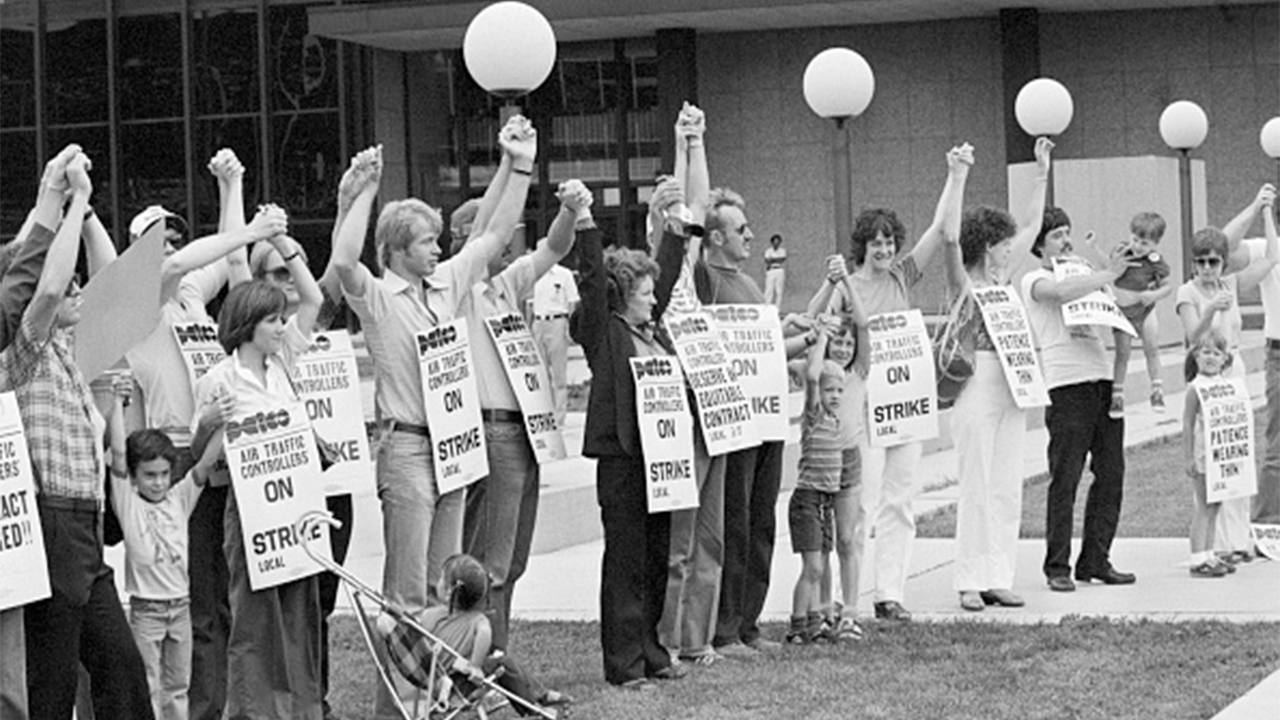
This essay is a transcontinental flight with several stops—from Harriett Quimby’s 1912 flight across the English Channel to the 1981 PATCO strike that nearly brought American aviation to its knees. In between we learn about a Tuskegee airman who became a POW and a bit about children’s books that deal with aviation.
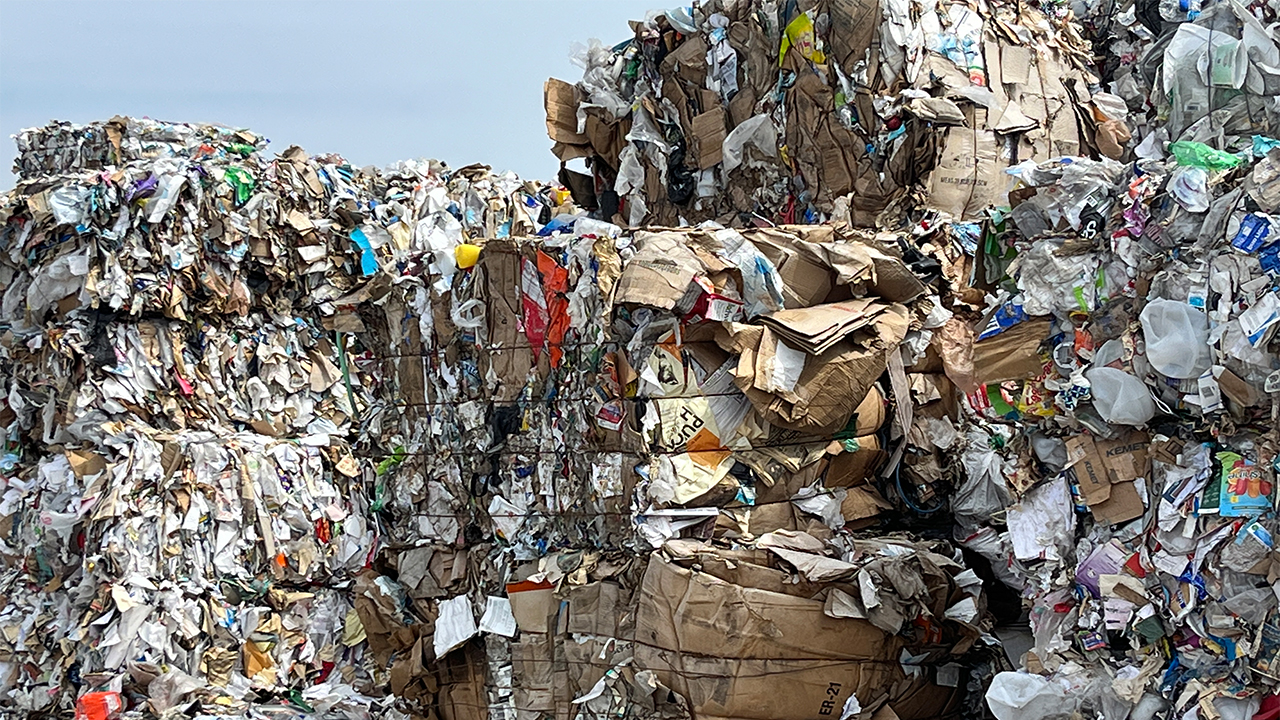
The desolation that troubled T.S. Eliot comes from a soulless industrial greed that has yet to explode into wanton consumerism. He is mourning spiritual and intellectual decay. I am mourning the trash we then generated to fill that emptiness.