Archtypes: Hook-Ups
The Dogs' Office
By Sacha Mardou
January 4, 2018

The Dogs' Office
By Sacha Mardou
January 4, 2018

More than most clothing, jackets last for years, so their most important quality, the accretion of stories, has a chance to build modestly, privately.

My mother would have said, “He’s a mess,” but Leon had a punk attitude, loved performative wildness, and was hugely capable. Is it a surprise what came next?

Bargoers said aloud by rote, cynically but accurately, “That ain’t no Jimmy Dean,” because whatever the meat was, it was not pork sausage. Everybody called it monkey meat, or mystery meat, which did not diminish patrons’ appetites and in fact sold more skewers due to its mystery.
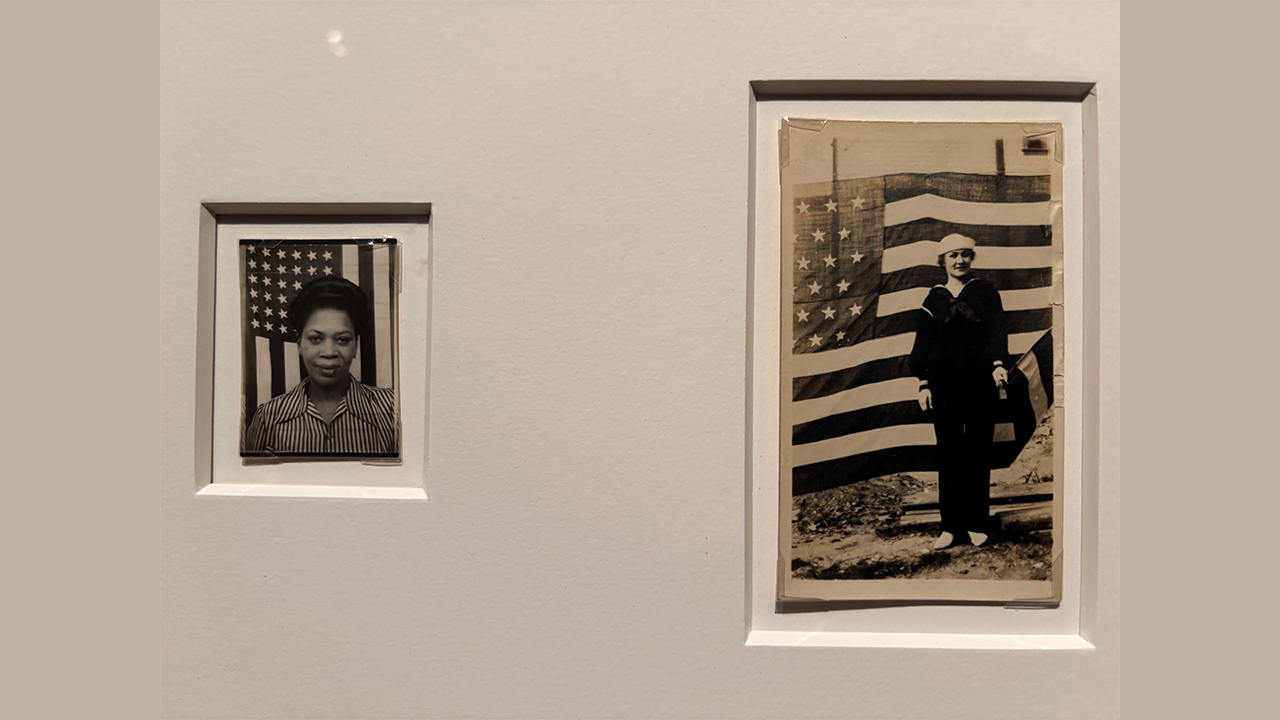
The untitled photograph is not merely a breach between memory and hope, but rather an invitation to inhabit that breach from a distance.

Can this controversial, privately funded $850 million center—dismissed by many as a vanity project, architectural folly, and dangerous precedent—really shore up democracy?

Richard Wright has in common with Thomas Hardy that the plots in his fiction are sometimes intricate to the point of distraction, and the events he depicts are often sensational, sometimes to a fault. His novels published after “Native Son” have much to recommend them. Still, “Native Son” and “Black Boy” stand as his most enduring achievements. They capture the isolation from mainstream society that is the reality of many young Black people, in the time of Wright’s youth and in our time.
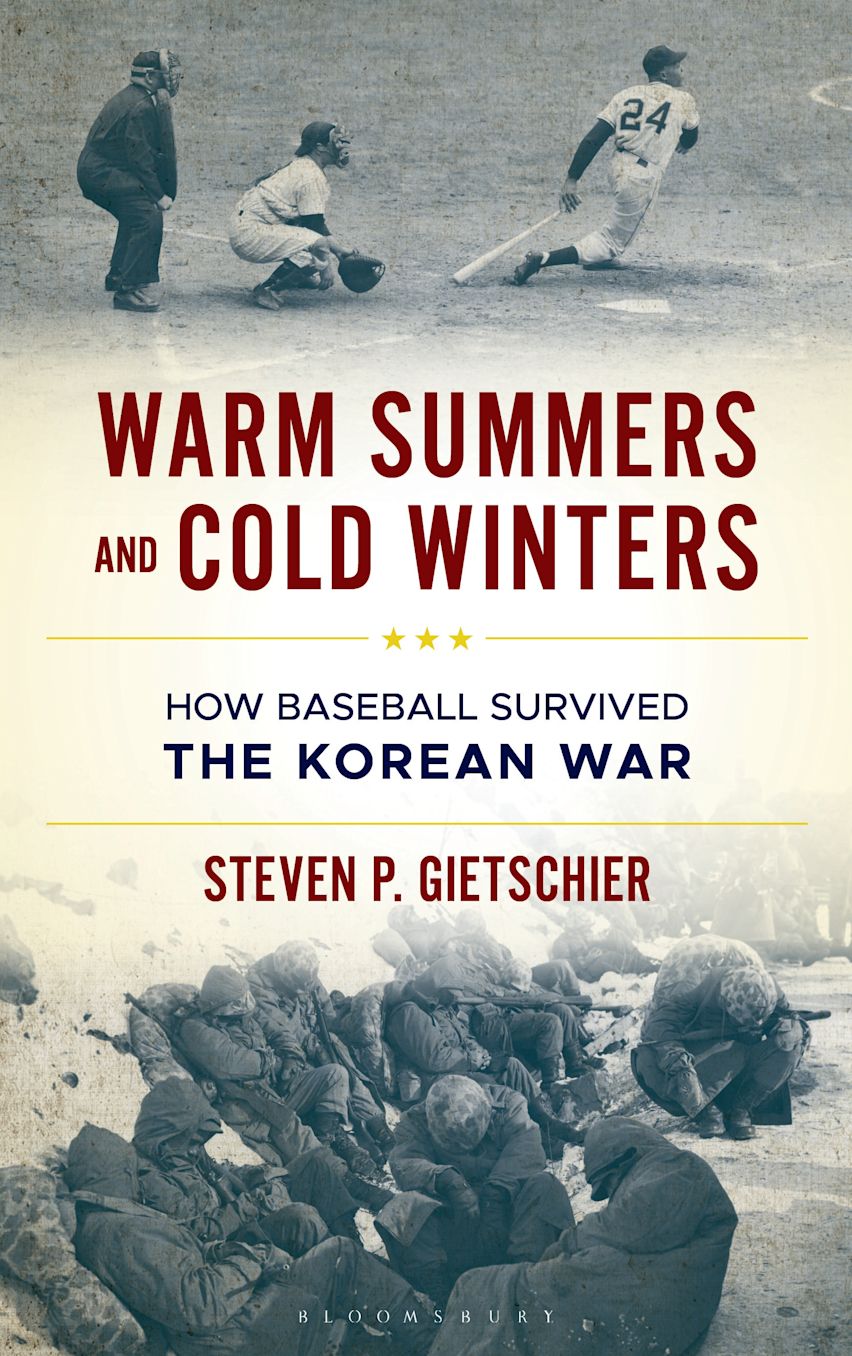
In “Warm Summers and Cold Winters,” Steven P. Gietschier tells the story of Charley and Bill DeWitt, owners of the perennial American League losers, the St. Louis Browns, who, in 1950, decided to hire a psychologist and hypnotist named Dr. David Tracy to help some of the players get over their “inferiority complex.”
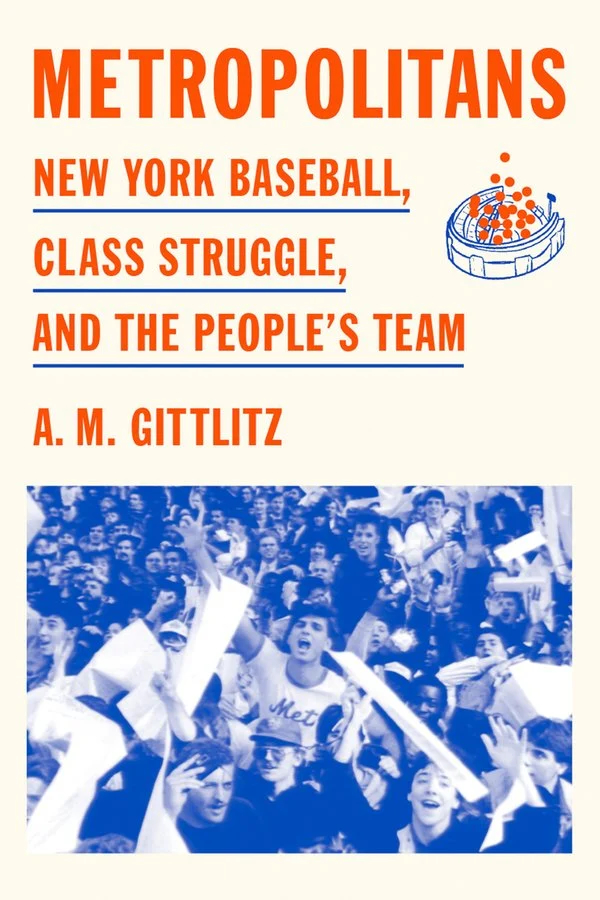
A.M. Gittlitz’s “Metropolitans” tells an alternative history of the New York Mets through the lens of class struggle. Extensive and educational, entertaining and exasperating, it employs the team as a vehicle of left-wing politics, while prodding at the cultural conservatism associated with the national pastime.

The online haters celebrating what they gleefully consider its downfall simplify the matter in the way such misogynists always do: “Supergirl” 2026, in their view, is simply a bad film. The problem with this perspective is that “Supergirl” 2026 is not a bad film.