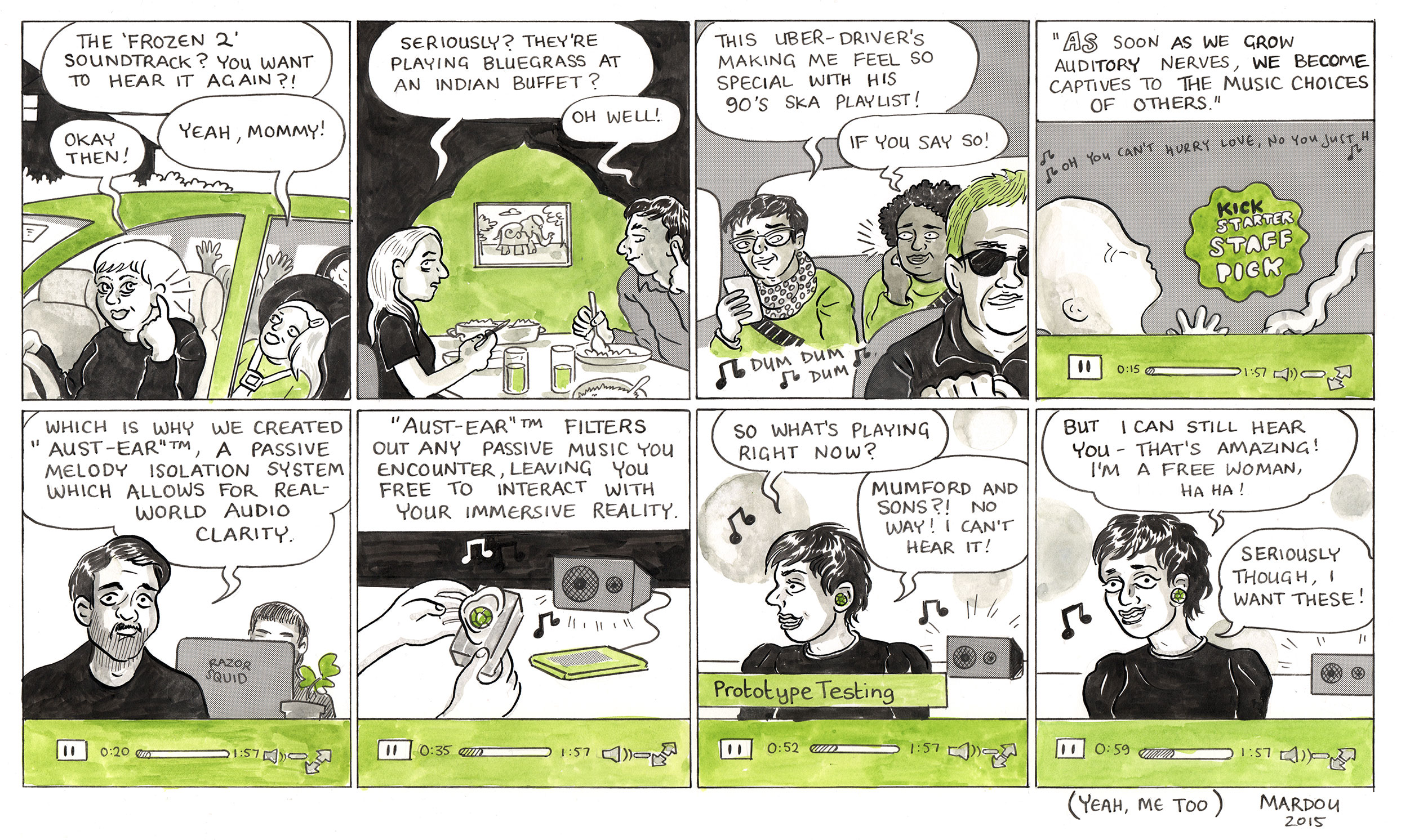
Archtypes: Murray Mint
When money becomes personality.
By Sacha Mardou
February 8, 2017
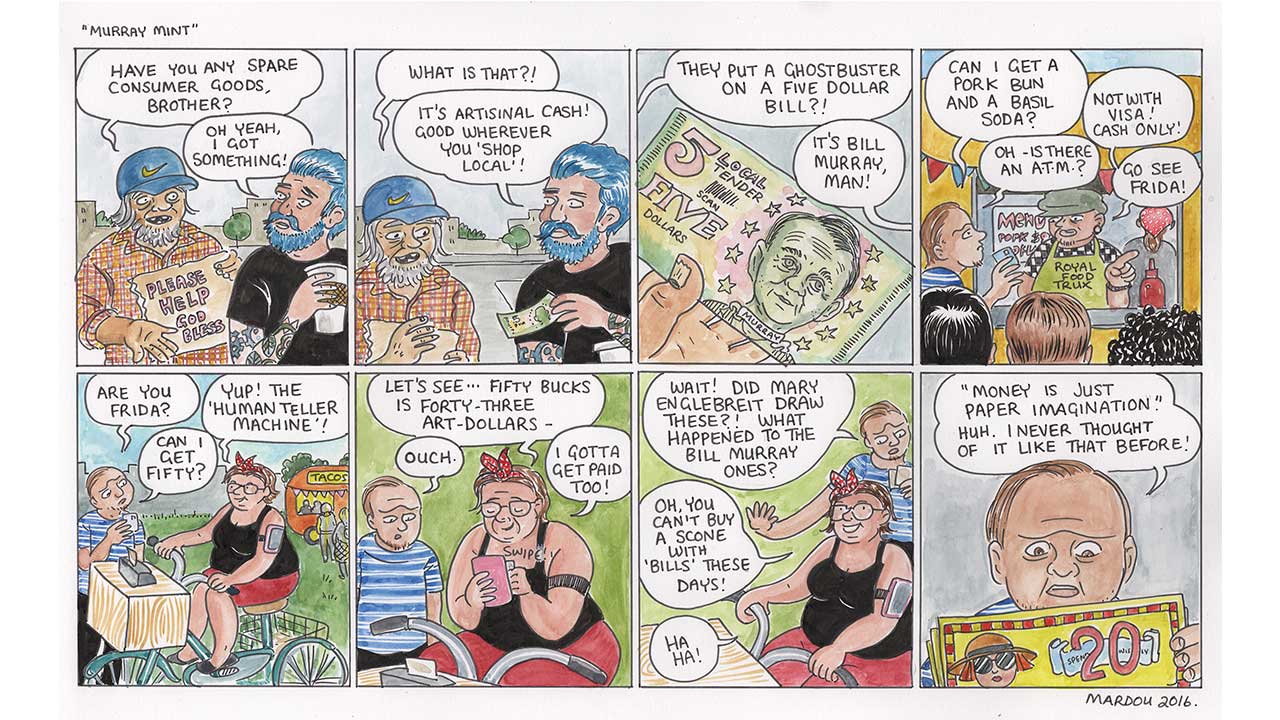

When money becomes personality.
By Sacha Mardou
February 8, 2017

Audiences might ask, what do those three hours “do”? The answer may be: to portray the helpless, confused feeling of disbelief at our not-knowing in a world where enormous, supra-state power is wielded by gangsters, weirdos, grifters, criminals, and haters, whose choices weaken our societies and make our lives worse.

Loser Back Home (LBH), who prefers to remain pseudonymous, is traveling through China right now. He has made some 31 social media videos—which began with the series title, “Day [9, 11, 18, 28, 62, etc.] of Not Understanding Anything in China”—as he has passed through, eg, Ganzhou, Ningming, Wuhan, Yueyang, Shaoshan, Chongqing, Chengdu, the Three Gorges area, Zhang Zhou, and other places, including non-Chinese cities Bangkok and Vientiane.

“Chitty Chitty Bang Bang” is by turns charming, troubling, funny, dark, romantic, nonsensical, and weird. More than many other movies, it continues to inspire questions about its layers of inventiveness, even though its premise—that specific inputs cannot explain magical output—is in the news every morning now.

Two books published in the summer of 2025 address the Caitlin Clark phenomenon. The higher profile belongs to Christine Brennan, a national sports columnist at “USA Today,” whose “On Her Game,” narrates Clark’s rookie season in the WNBA with vigor and detail. Howard Megdal’s “Becoming Caitlin Clark,” by contrast, assesses Clark’s rise from manifold perspectives, explaining its controversies with sensitivity and insight.
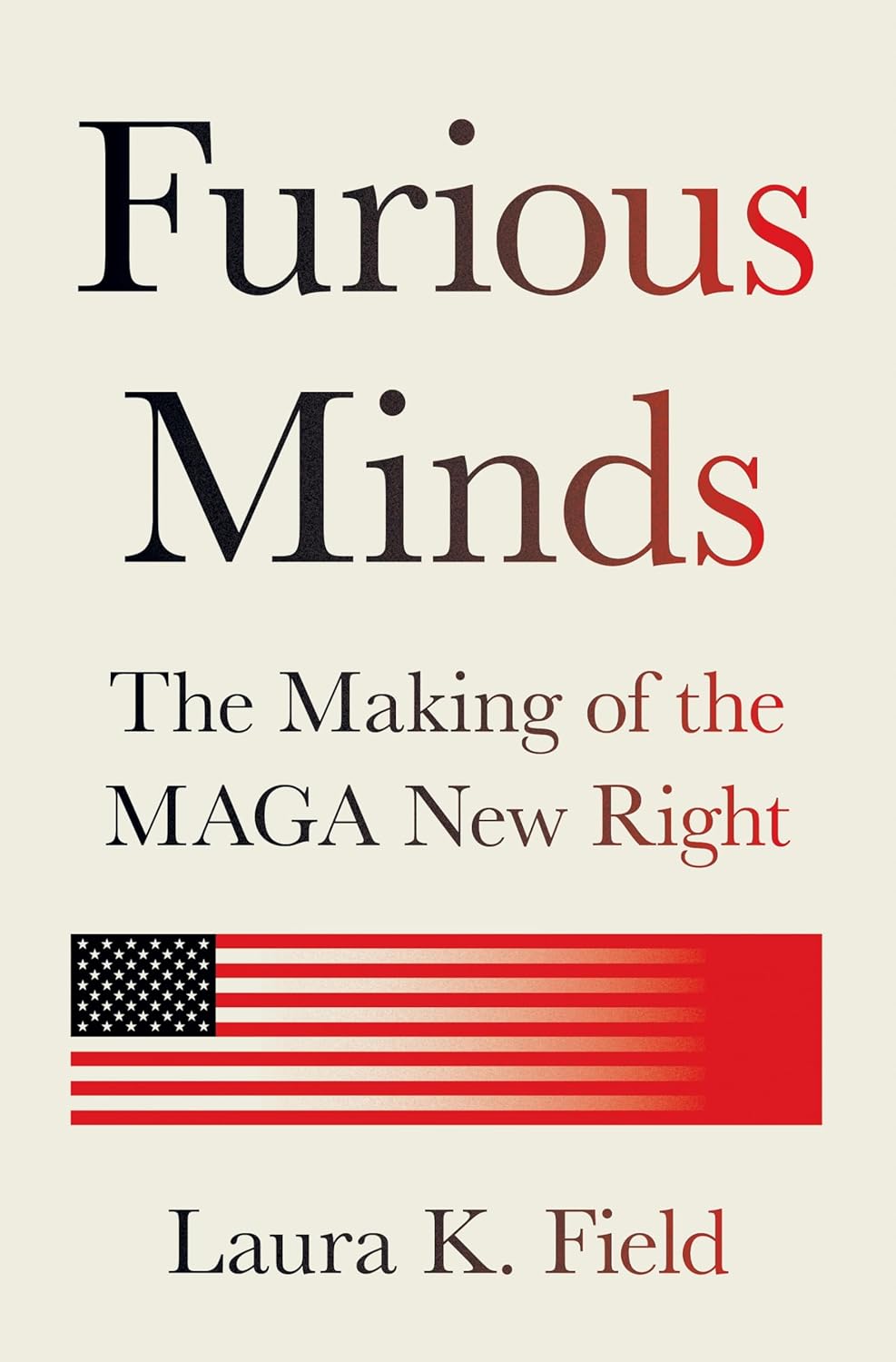
If you want to understand the details of these ideologies and how their adherents have translated ideas into policy, you would do well to read independent scholar Laura Field’s book “Furious Minds: The Making of the MAGA New Right.”

In “Warm Summers and Cold Winters,” Steven P. Gietschier tells the story of Charley and Bill DeWitt, owners of the perennial American League losers, the St. Louis Browns, who, in 1950, decided to hire a psychologist and hypnotist named Dr. David Tracy to help some of the players get over their “inferiority complex.”
"The Dogs' Office"
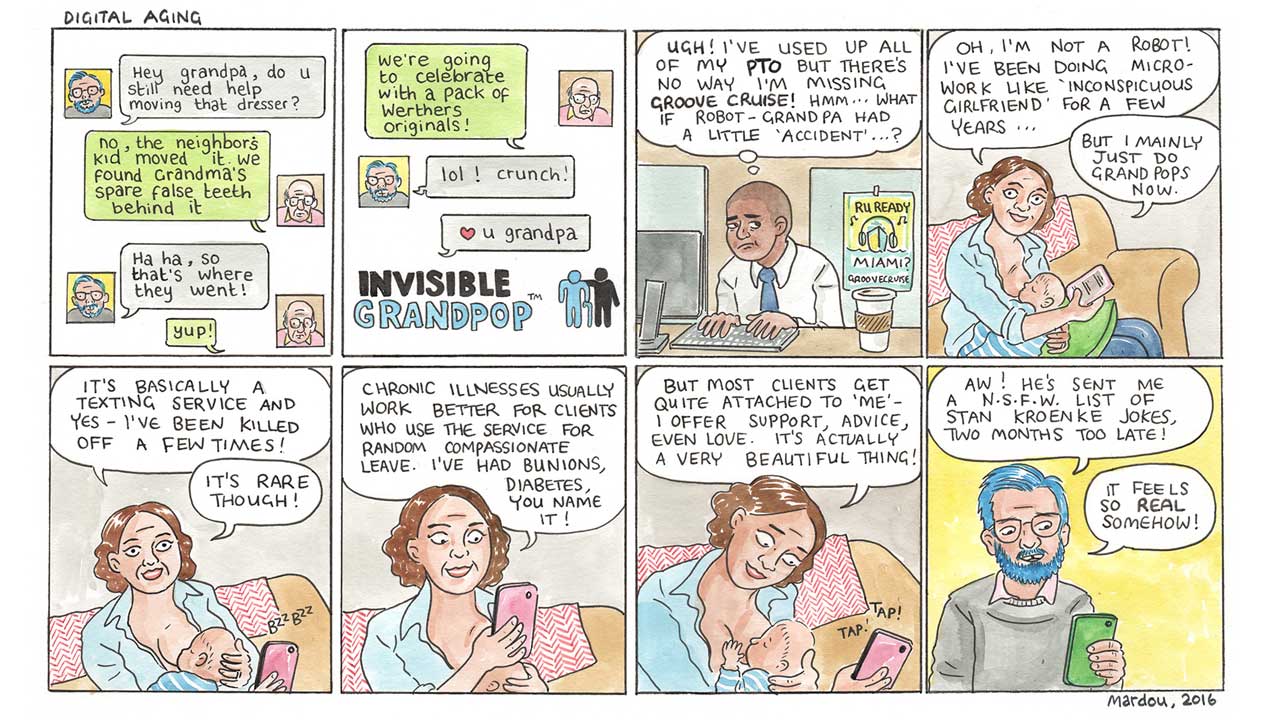
When the aged enter the realm of digital virtual reality.