
The Big Delve
Documentary filmmaker Peter Yost—who has covered topics from North Korea to the increasing relevance of drones to solitary confinement—talks about balancing curiosity with an eye for care.
Documentary filmmaker Peter Yost—who has covered topics from North Korea to the increasing relevance of drones to solitary confinement—talks about balancing curiosity with an eye for care.
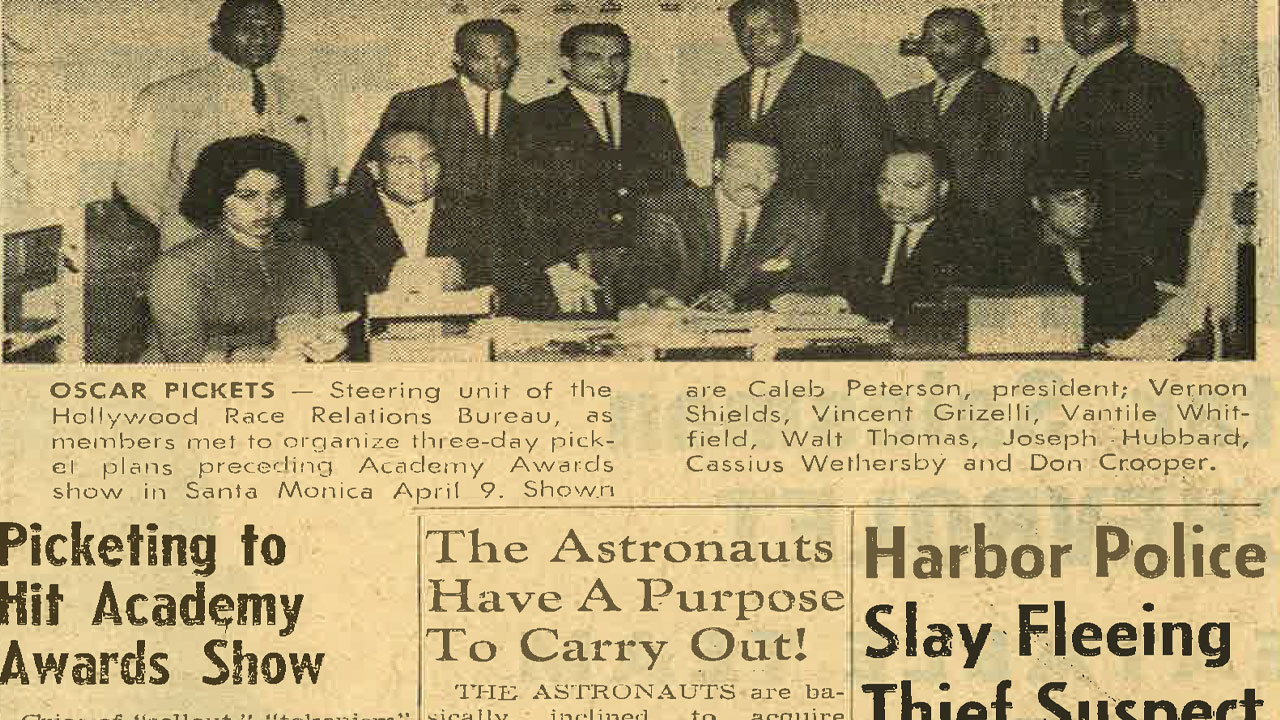
Now is an apt time to look back on Caleb Peterson’s protest, both as an antecedent and as inspiration. His strategy, which turned Hollywood’s moneymaking spectacles into race relations controversies, smartly used theatricality as a tool for protest. While its impact on equal hiring practices was unclear, it can still be read as radical and successful.
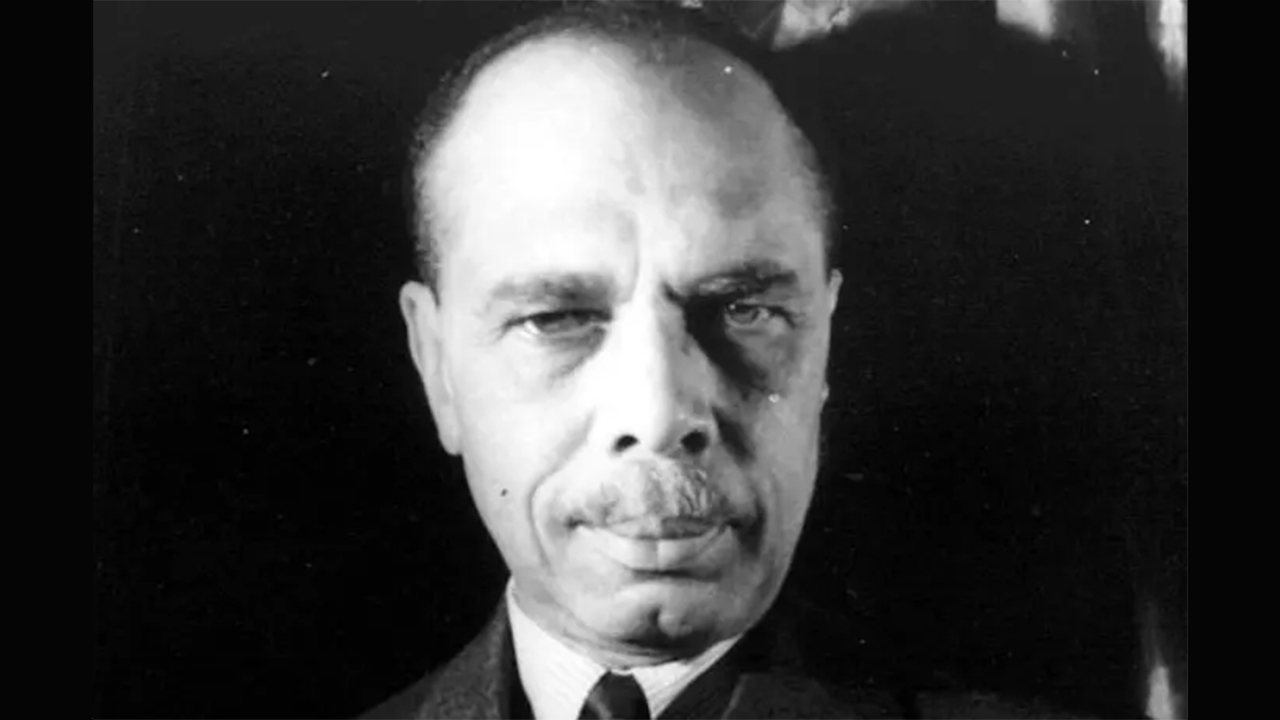
For every custom there is some sort of a reason. Then if it is the custom generally to ignore or not to accord recognition to the writer of the words to a musical composition on what reason is the custom founded?

The complicated relationship between girls and music, and the mobility that it both affords and denies them, is only legible through conversations with girls. As it turns out, the music of Katy Perry makes that relationship most legible.

The Common Reader on popular music
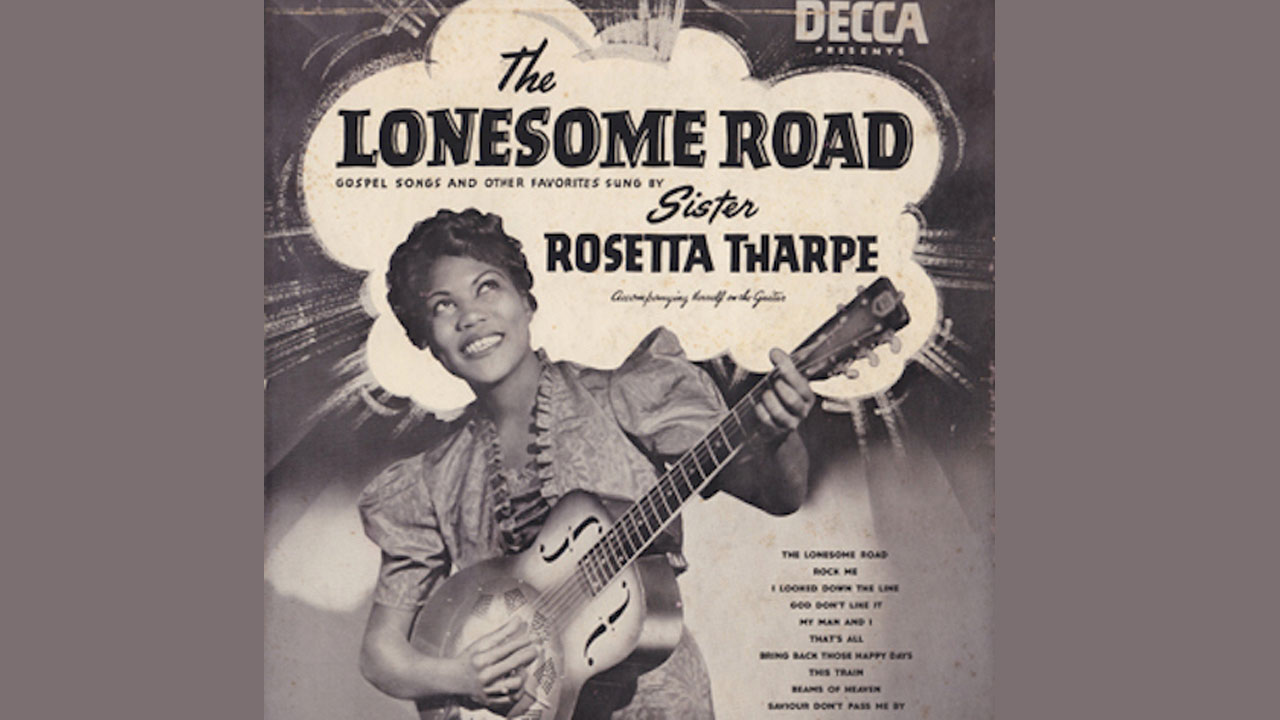
There may be songs whose histories are uncorrupted or wholly unrecoverable. “(The) Lonesome Road” is not among them. The road that everybody, including “E.V. Body,” in this story tredges on is crowded with two-way traffic: some stretches are dusty, others are paved with Tin Pan Alley gold or earnest populist intentions, and it is constantly being dug up and laid anew.

On Twitter the entire point is that somebody is watching you. Success is measured in followers. No wonder Sly Stone never seems at home there, and never alights there too long.

If Pokey LaFarge is post-nostalgic, it is only partway. If anything, his music and personae expose the extent to which older, simpler virtues—for worse and for better—survive in St. Louis in so many ways.

John Henry is fighting an age old battle. All of us are. Something will always come along and render us useless.
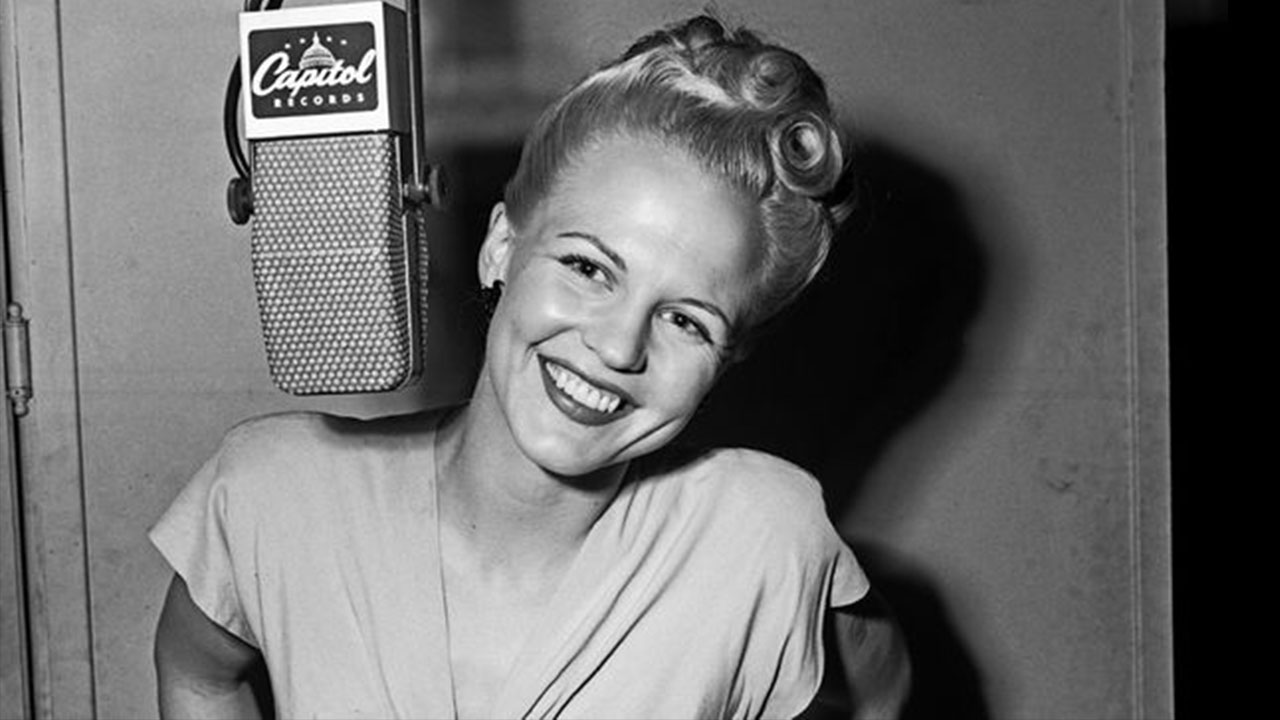
Despite a mountain of insecurities and sheer craziness, Peggy Lee remained undaunted. Engaging, and at times challenging, she made remarkably sophisticated music well into the 1980s, refusing to be an oldies act. But perhaps her greatest claim to public attention was that the blonde, North Dakota-born singer sounded black.