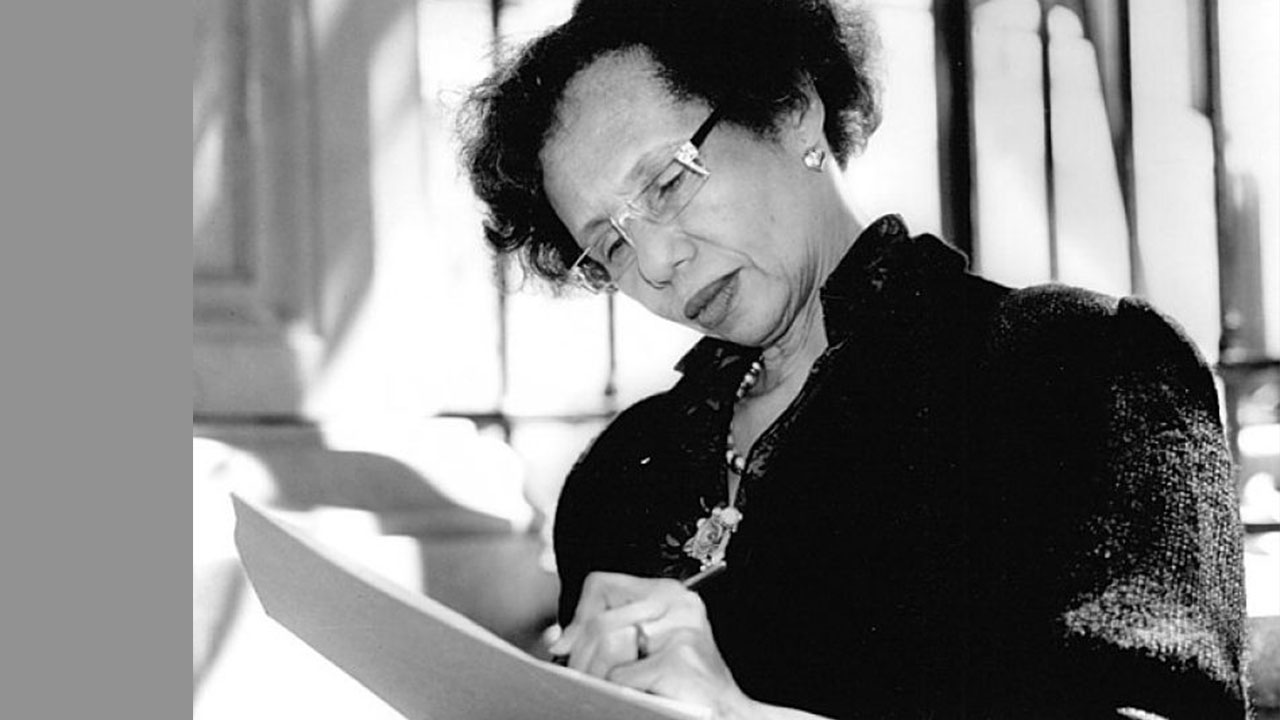
“And I saw, I can do this.”
M. Lynn Weiss, associate professor of English and American Studies at William & Mary, conducts at 2014 interview with Adrienne Kennedy, one of the most prominent voices of African-American theater.
M. Lynn Weiss, associate professor of English and American Studies at William & Mary, conducts at 2014 interview with Adrienne Kennedy, one of the most prominent voices of African-American theater.
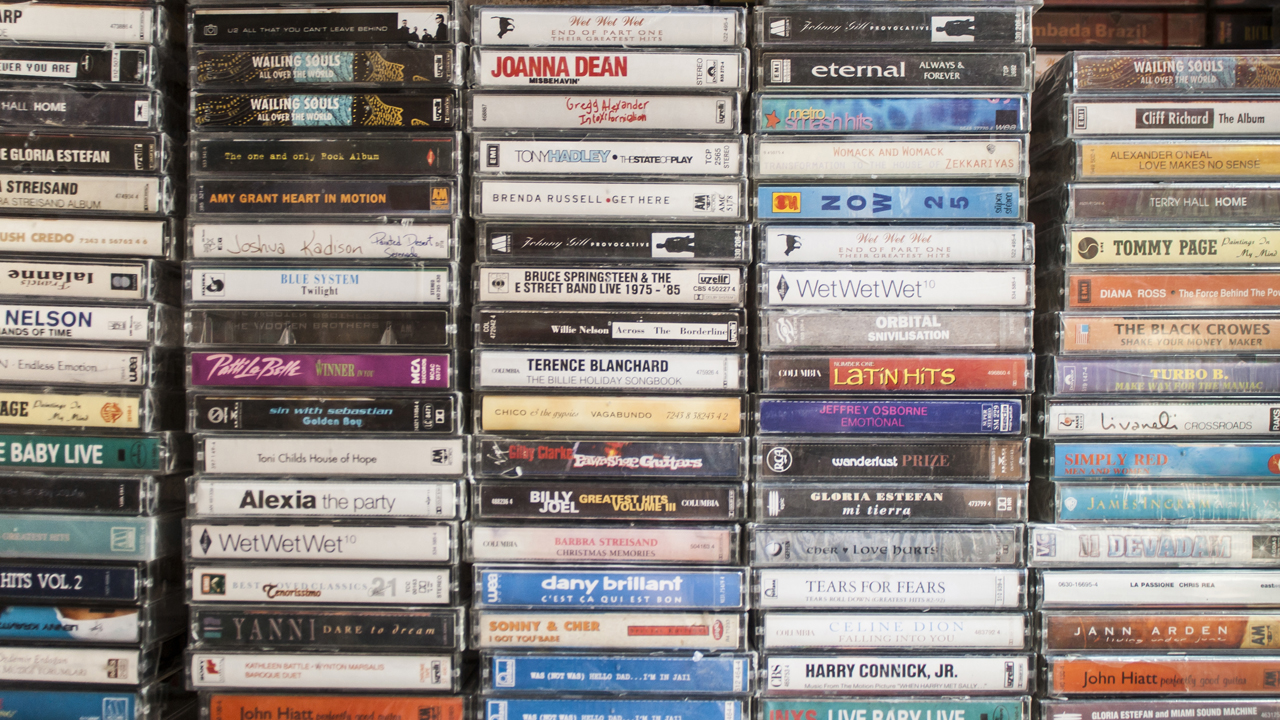
Until I could find an apartment, I rode the No. 6 bus up and down Highway 99 most of the night, from downtown to Aurora Village, listening to muffled, skewed robotic drum beats of fellow travelers from behind the earphones of turned-up Walkmans, looking out into the dark. No, scratch that, looking at myself in the reflection of myself on bus windows in the dark.
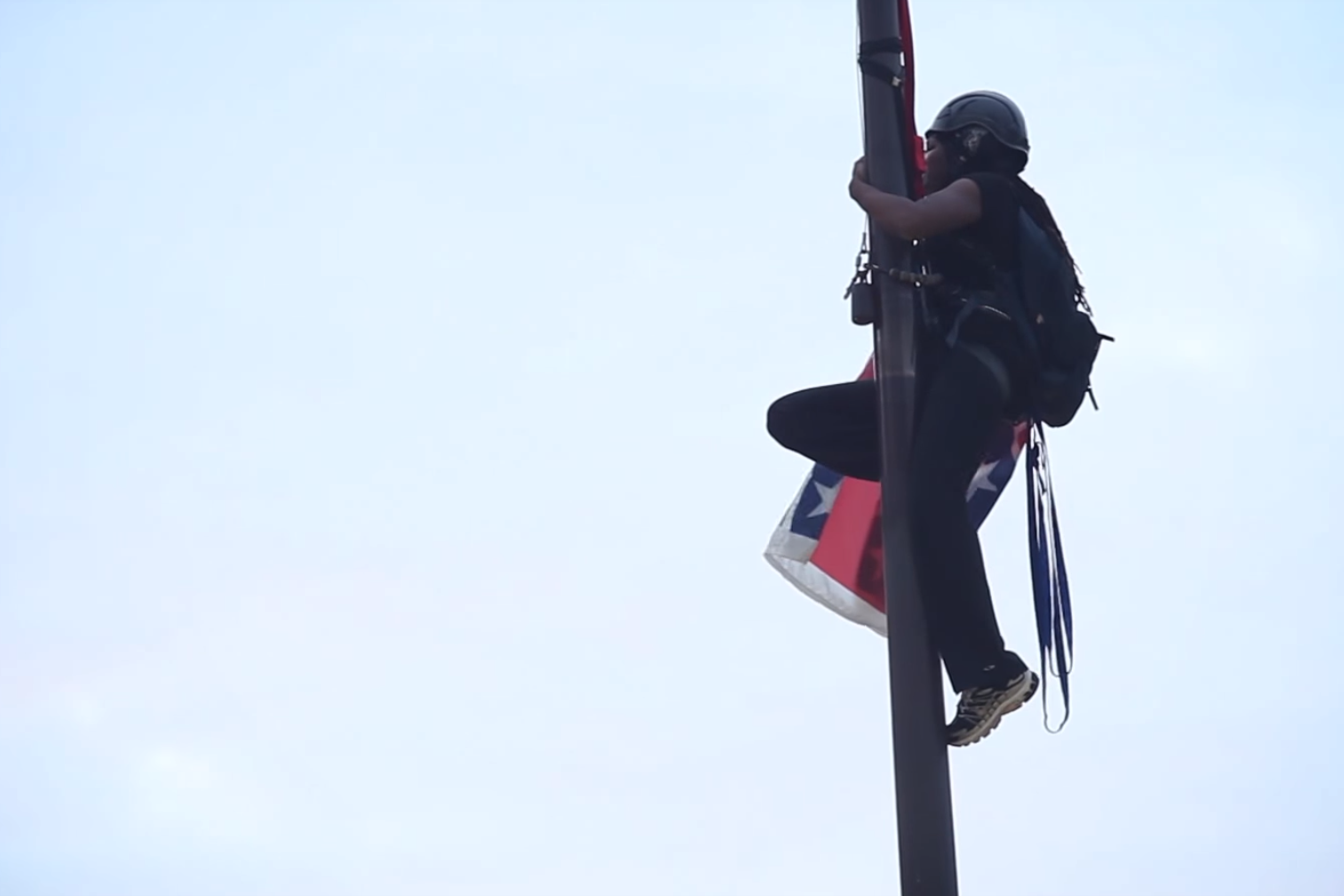
Brittany “Bree” Newsome gets down to Earth after scaling South Carolina's Capitol-grounds flag pole.

Documentary filmmaker Peter Yost—who has covered topics from North Korea to the increasing relevance of drones to solitary confinement—talks about balancing curiosity with an eye for care.
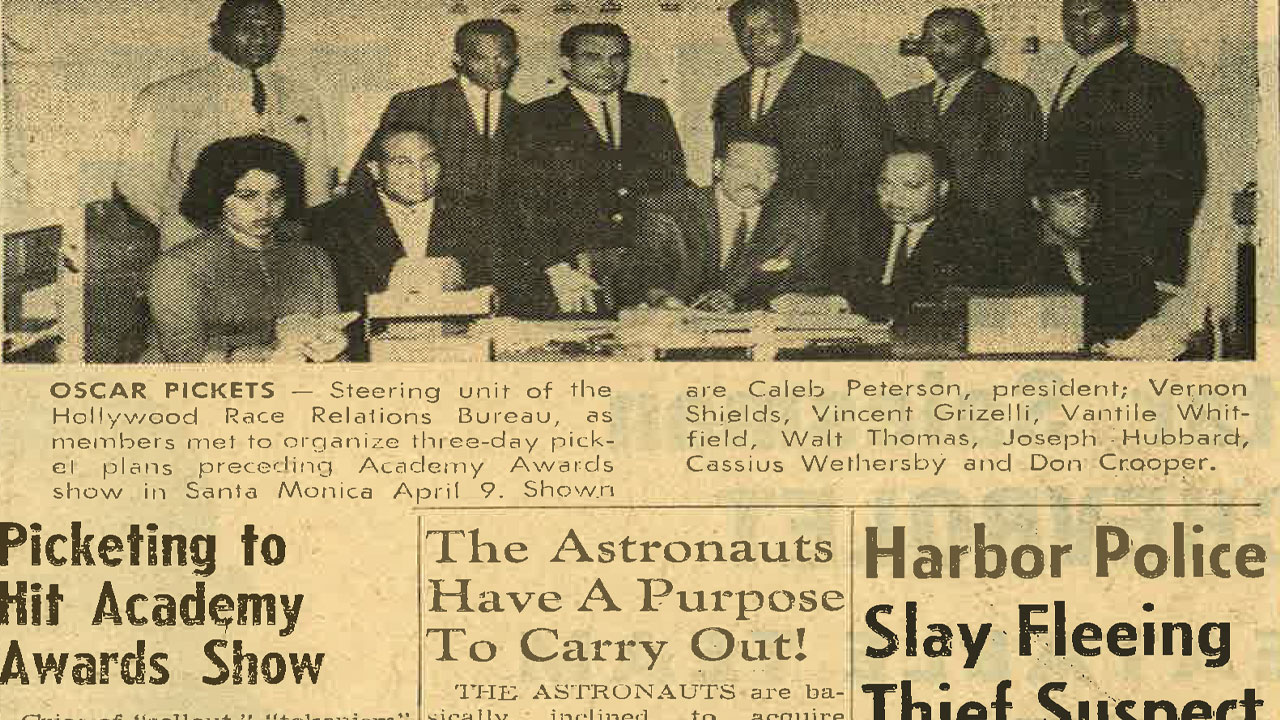
Now is an apt time to look back on Caleb Peterson’s protest, both as an antecedent and as inspiration. His strategy, which turned Hollywood’s moneymaking spectacles into race relations controversies, smartly used theatricality as a tool for protest. While its impact on equal hiring practices was unclear, it can still be read as radical and successful.
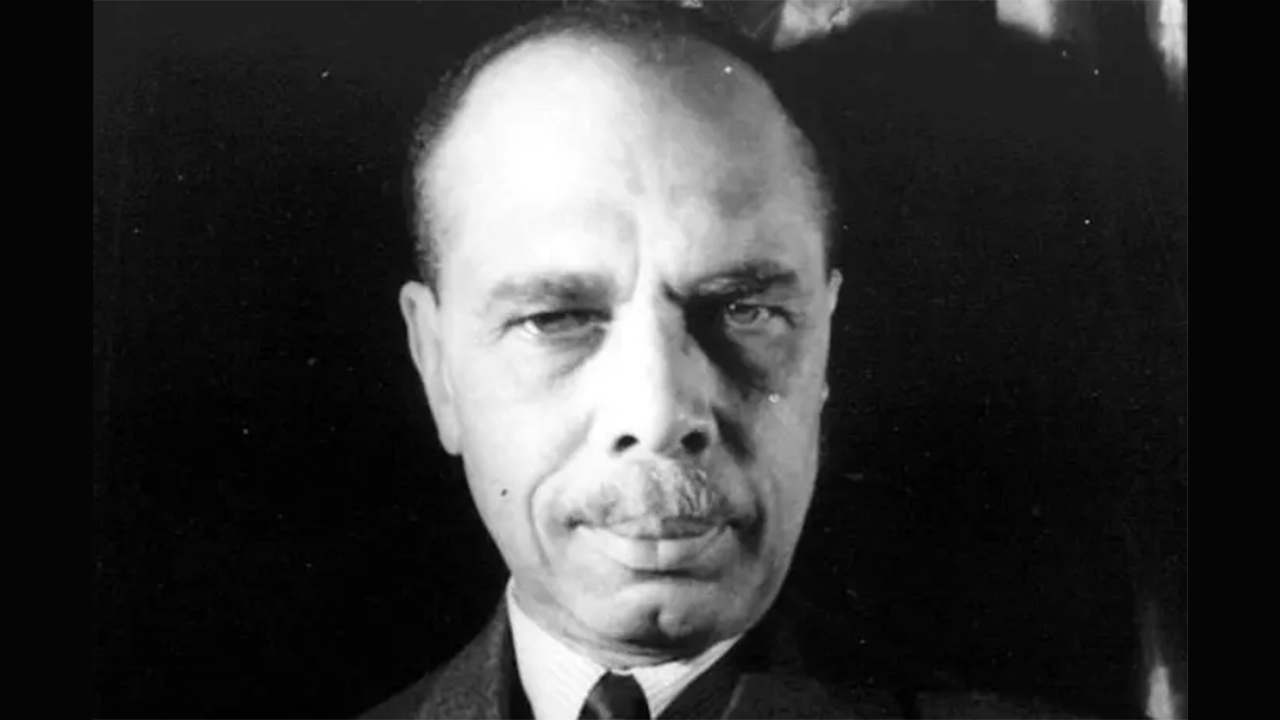
For every custom there is some sort of a reason. Then if it is the custom generally to ignore or not to accord recognition to the writer of the words to a musical composition on what reason is the custom founded?
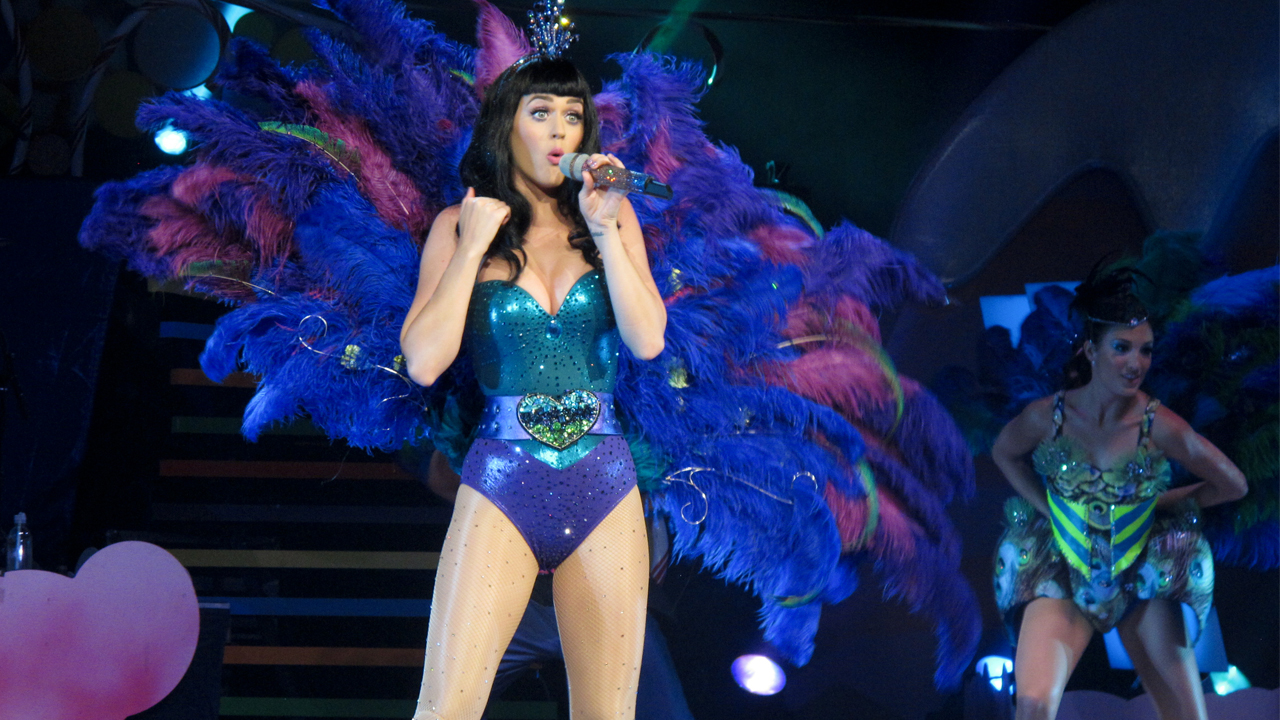
The complicated relationship between girls and music, and the mobility that it both affords and denies them, is only legible through conversations with girls. As it turns out, the music of Katy Perry makes that relationship most legible.
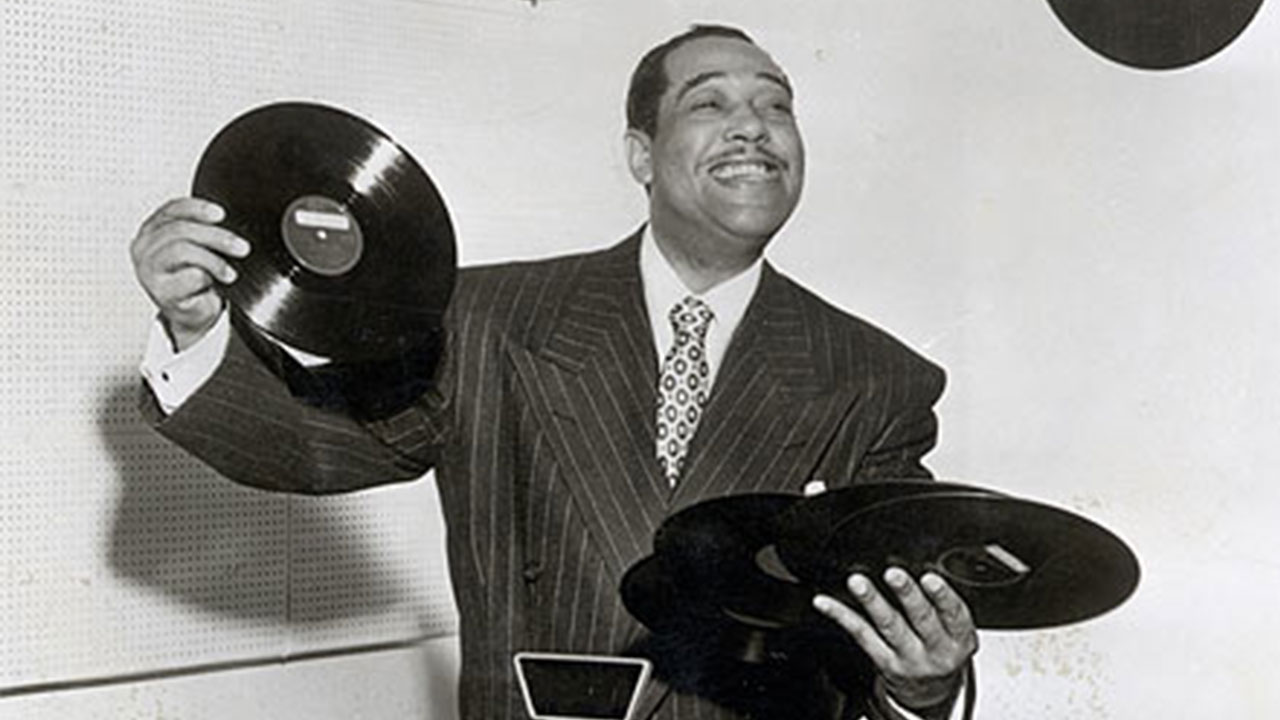
The Common Reader on popular music
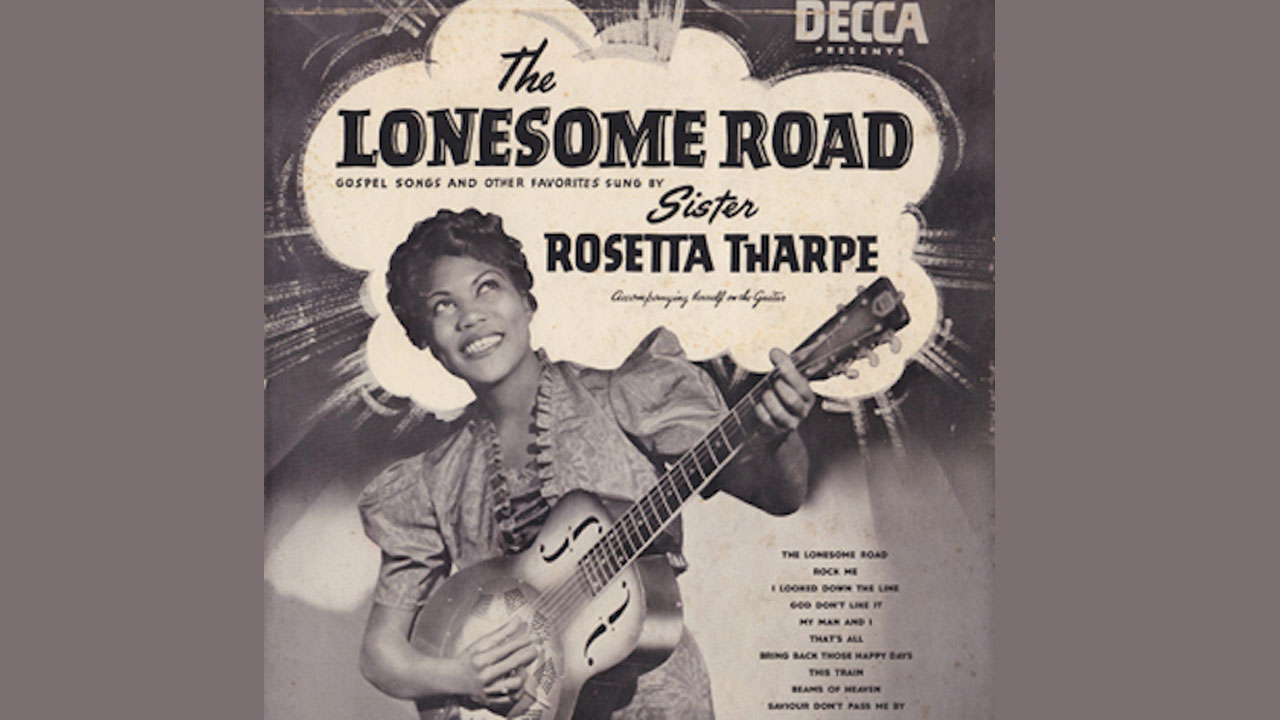
There may be songs whose histories are uncorrupted or wholly unrecoverable. “(The) Lonesome Road” is not among them. The road that everybody, including “E.V. Body,” in this story tredges on is crowded with two-way traffic: some stretches are dusty, others are paved with Tin Pan Alley gold or earnest populist intentions, and it is constantly being dug up and laid anew.
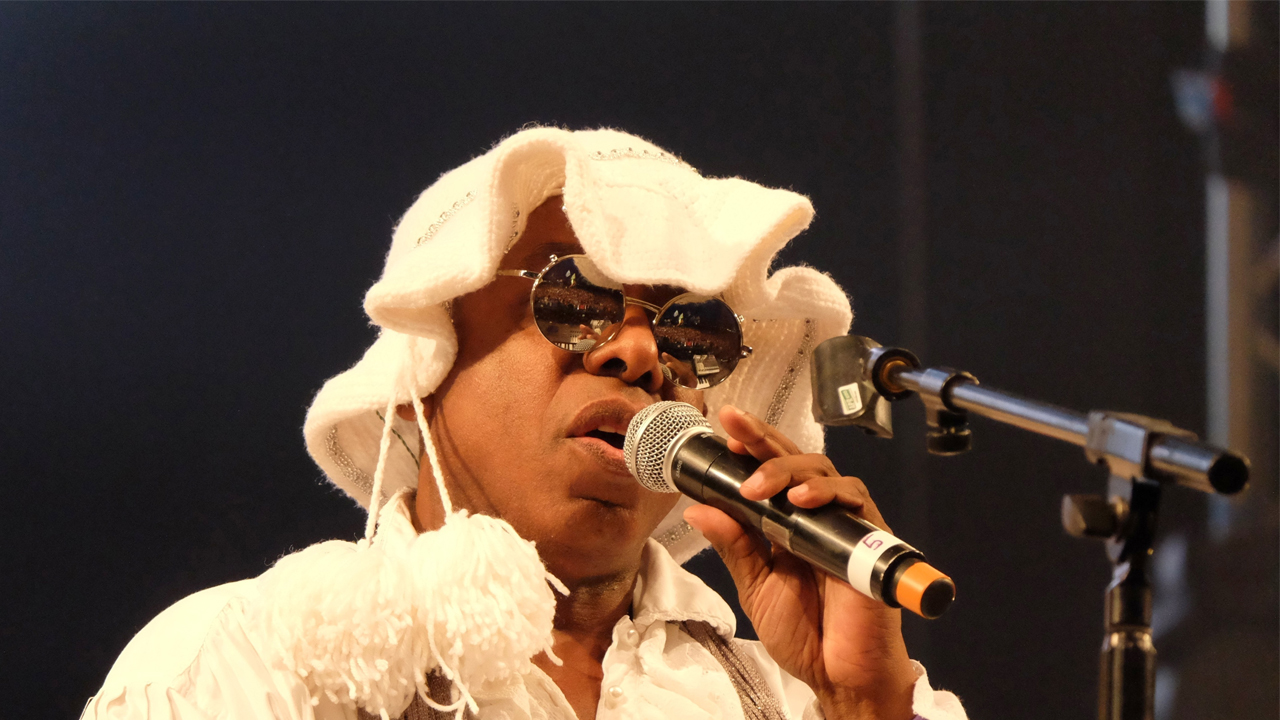
On Twitter the entire point is that somebody is watching you. Success is measured in followers. No wonder Sly Stone never seems at home there, and never alights there too long.