The Psychological Beatitudes
Stop prioritizing.
Stop prioritizing.
I thought I had changed: I had started talking to Joe, the guy on the margins. I had asked his name and even brought him lunch. For a moment, I patted myself on the back, sure I was not one of the “cold ones.” On the way home, though, something felt off.
How do we fall in love with the countries we ran from? What is the strange alchemy that turns distance into longing, and absence into affection? Distance is not impartial. It decides what to soften and what to sharpen. For some, absence polishes memory into a shining gem; for others, it preserves the edge of the blade.
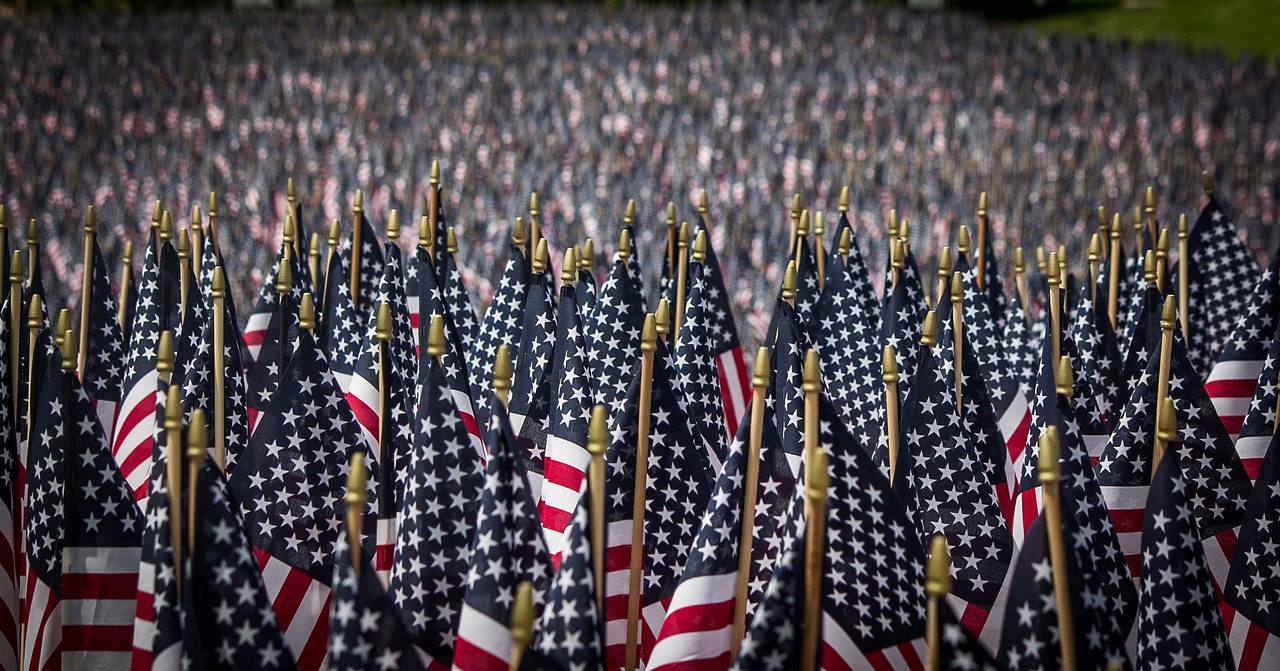
However you interpreted the American dream, it was all that held us together.
Perhaps we can take comfort in the fact that his paradox has at least survived long enough to be quoted and debated in our current age of AI anxiety. Perhaps we should hope against hope that Jevons paradox will prove itself useful all over again.
Or how the father of taxonomy persuaded the Royal Swedish Academy of Sciences to organize a hunt for mermaids.
Brilliant, he admits to an “almost delusional level of self-confidence.” Will we pay for his recklessness?
In the best of times it is impossible to know other people fully. Even if we wish to act in good faith, it is hard to express to others who we think we are—and we may not know who we are.
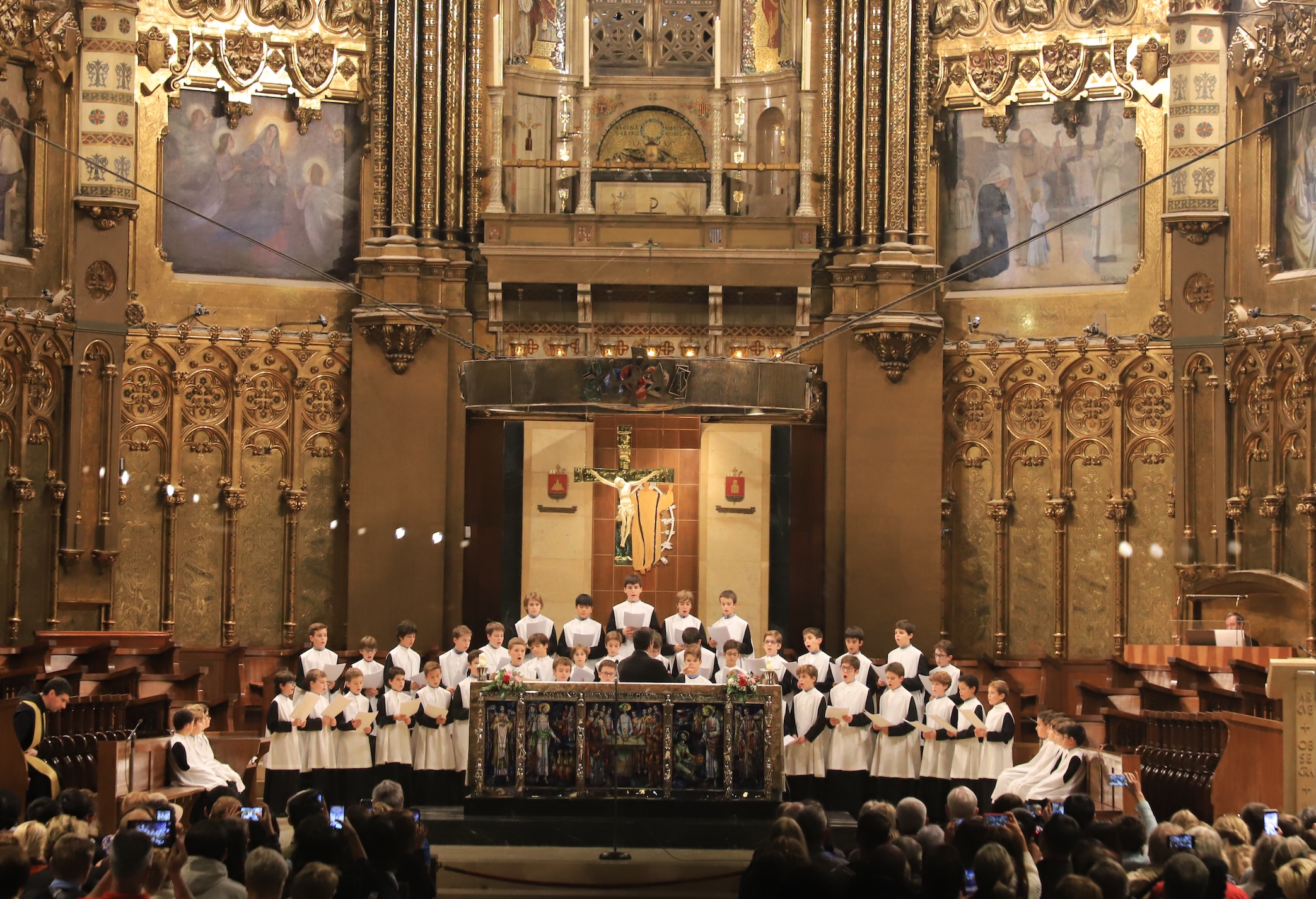
When we are up against the inevitable limits of human invention and our capacity for patience, it is the music that matters most.
“Haunting” is the first word that comes to mind. The melody’s ghost lingered, changing the very air. The Gymnopédies, a word I now know means “Three Nude Dances,” were indeed bare: simple, vulnerable, tender, wistful, melancholy.