Cross Words at the NY Times
May 6, 2026
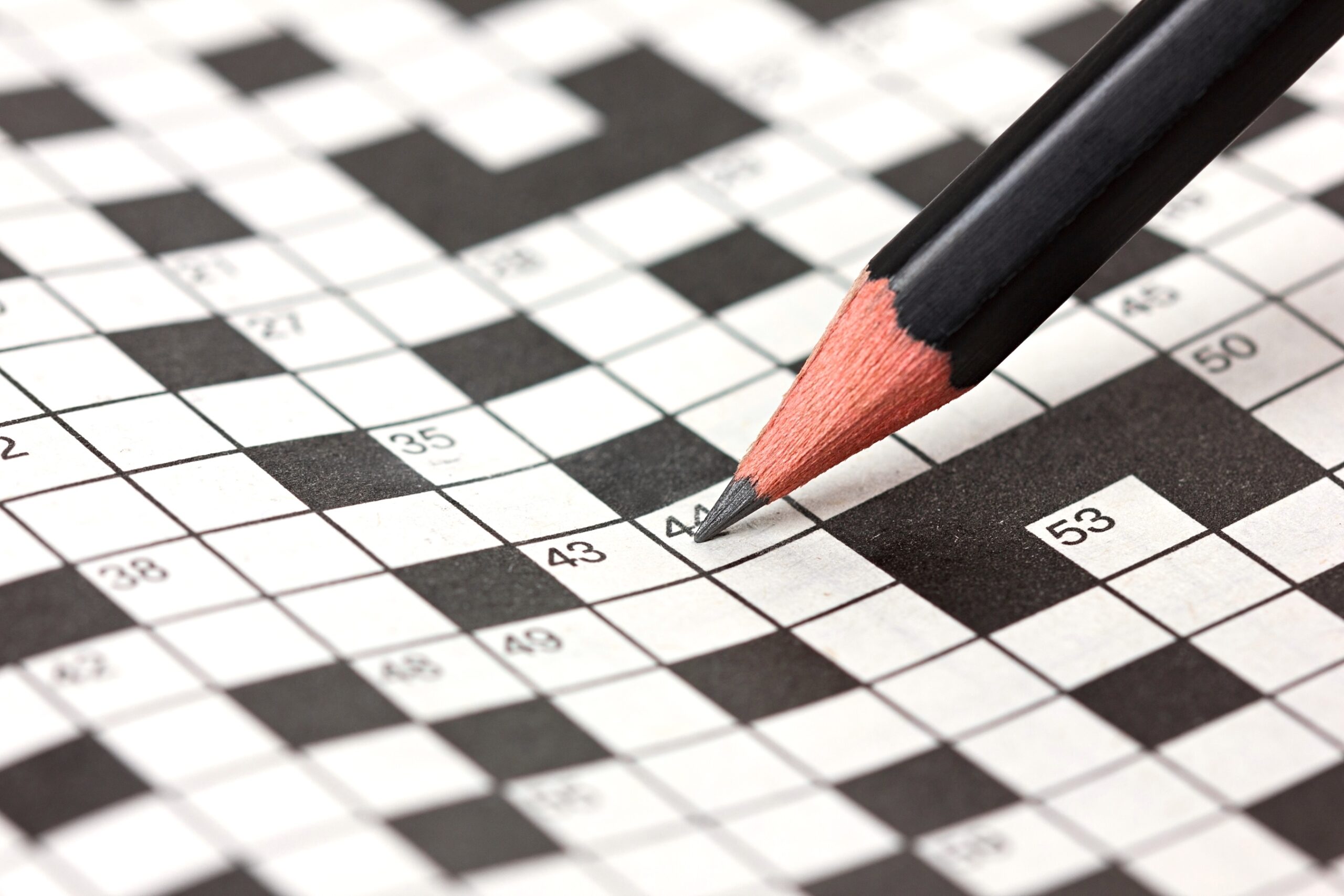
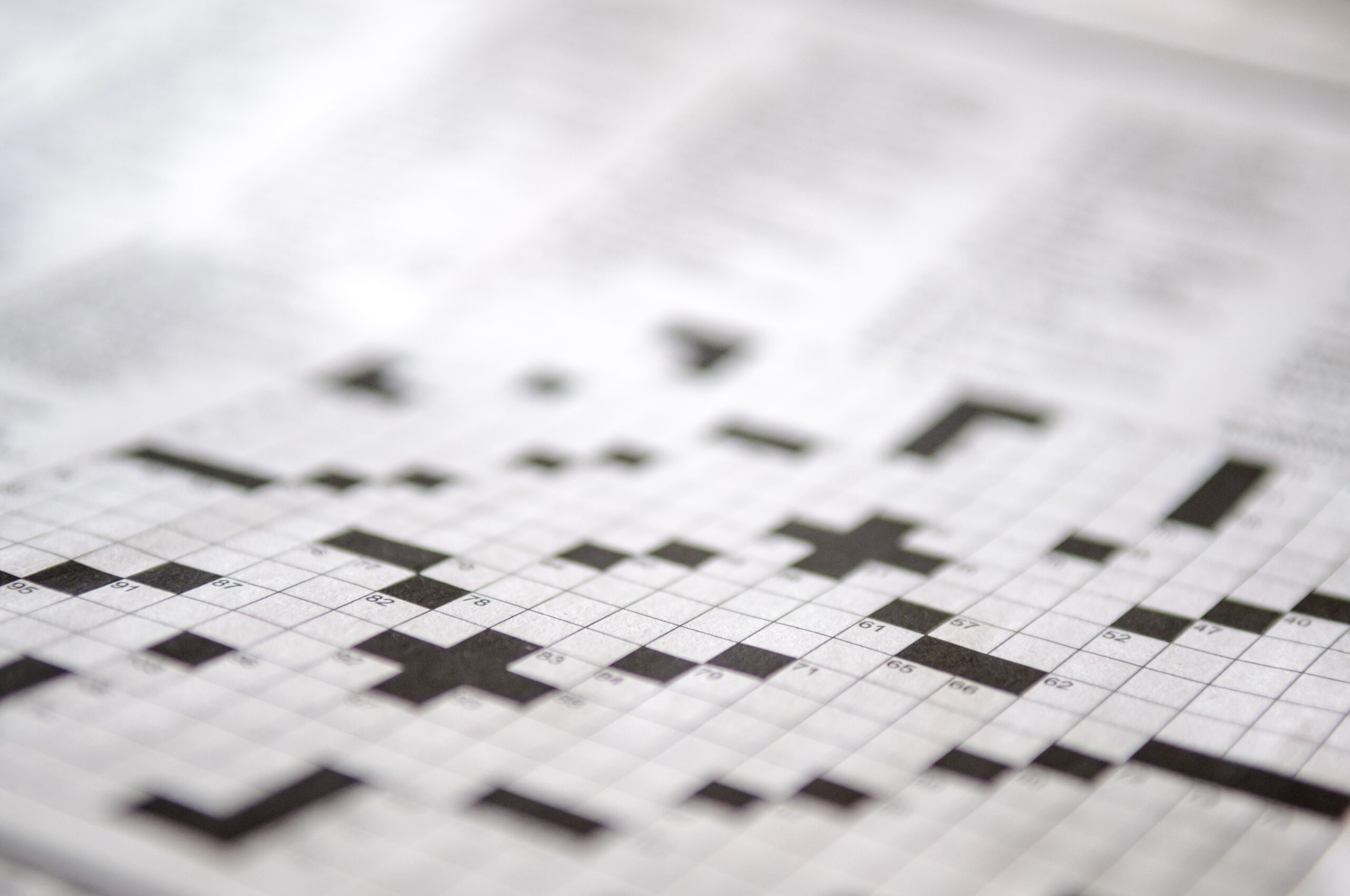
A few weeks ago, the Sunday New York Times crossword was printed with an error. Mistakes had been made before, but in eighty-four years of cruciform puzzles, this was the first all-out disaster. The error meant that the clues and squares did not line up; the puzzle could not be solved.
Here, a mournful bell should toll. Or maybe we just replay the collective wail that went up on social media as people realized this was not a clever solvable trick—one of those wicked but fun games inserted from time to time—but just flat wrong. Across the land, coffees grew cold, a skim of oil forming on their surface, as people struggled first to solve, then to accept. Some were “nearly in tears,” others felt “robbed” or joked about “sudden onset dementia” because their brain exercise had been thwarted.
Puzzle master Will Shortz, the editor of this legendary, beloved, and compulsive puzzle, was forced to humble himself. According to the amused recap in vulture.com, a new production system was requiring an old-fashioned copy-paste from the earlier version. One tiny goof, and the clue list no longer aligned with the grid. Some clues, like 5-across, were missing altogether.
Those who can bear to use the digital version—which is slicker but somehow judgier, biased toward a linear progression that makes it just a wee bit harder to follow your whims—anyway, those people were fine. The, er, misalignment—that word we are about to start using every time AI runs amok—affected only the print issue. The place where you can hunch over those satisfying black squares and feel the scritch of lead pencil or, I will be honest, the glide of a cocky rollerball. Crosswords are clues to one’s character, and I cannot stand the tentativeness of pencil, the extra friction of modesty. My puzzles are spattered with blobs of obliterating ink, with the next one or two attempts written tiny and crabbed in the bit of white space that remains. You would think the mess would embarrass me into caution, but, no.
Why do we who love crosswords subject ourselves to their mental torture? For the fun of realizing there are things we know that we did not even realize we knew, that we maybe heard a million years ago or absorbed by osmosis. For the solidarity of seeing how much we all have in common, how somehow we all know the way colorful little everyday phrases should end. We still speak the same language. And when we do not, the puzzles are even more fun, because knowing the French hello or the Spanish word for “mother” or the German for “you” or the currency used in China makes one feel cosmopolitan.
Then there is the clubbish thrill of recognizing the answers that crop up routinely. Crosswordese (of course somebody invented a word for those words) does change on you, though. I have not seen “epée” in a long while, and it squats on its haunches, idle, in my brain. “Eos,” on the other hand, has gracefully inserted herself as the goddess of dawn. And every time I remember her, a hit of dopamine tickles my brain as further incentive. The reward of knowing something means you have learned something. A new word, myth, food, actor, river, whatever.
Doing crosswords is vaunted for brain health, forcing you to sift through memory and reinforce its synapses. Why it is so important to reinforce, say, the film that won an Academy Award in 1983, I am not sure. And what is worse than the dredged-up references are all the new ones, actors and musicians whose names I cannot summon, reminders that this is no longer my time. A melancholy realization one reaches after a certain age, mainly because, having outgrown the pressure of having to stay current, one has chosen to relax and cater only to one’s own tastes.
Which include these puzzles, cross as they can make me. It is fun, having done them for a while, to admire a sly configuration or tsk over a bad clue. Puzzles are strangely relaxing, even the hard ones: they give you permission to focus on something that does not actually matter at all, and to let it furrow your brow, distract you from your to-do list, intrigue you. The hold a crossword has surprises me. When stuck, I keep coming back, picking the thing up again while I cook dinner, testing possibilities.
The biggest reason to do crosswords, though, is to obtain, in a world where everything is half-assed and half-baked and half done, the reassurance of completion. Every square is filled. After using all your favorite curse words and tearing out strands of hair you could not afford to lose, you have solved every clue. The lid of the gel pen clicks shut, and you lean back. Done. Life’s big questions are still a matter of dice-roll prediction or prayer—but you can be sure you nailed the crossword.
It feels miserable, by the way, to leave a few squares blank. This happens to me regularly, a failure I try to counterbalance by refusing to cheat. At times of conspiracy fever, I swear some editors design their puzzles to get you almost to the finish…but…not…quite. Which is maddening. Even the last person in the Boston Marathon gets to limp to the finish line a few hours late.
An unfinished crossword just sits there, glaring back at you.