Painted Ladies (Et Alia)
April 24, 2026
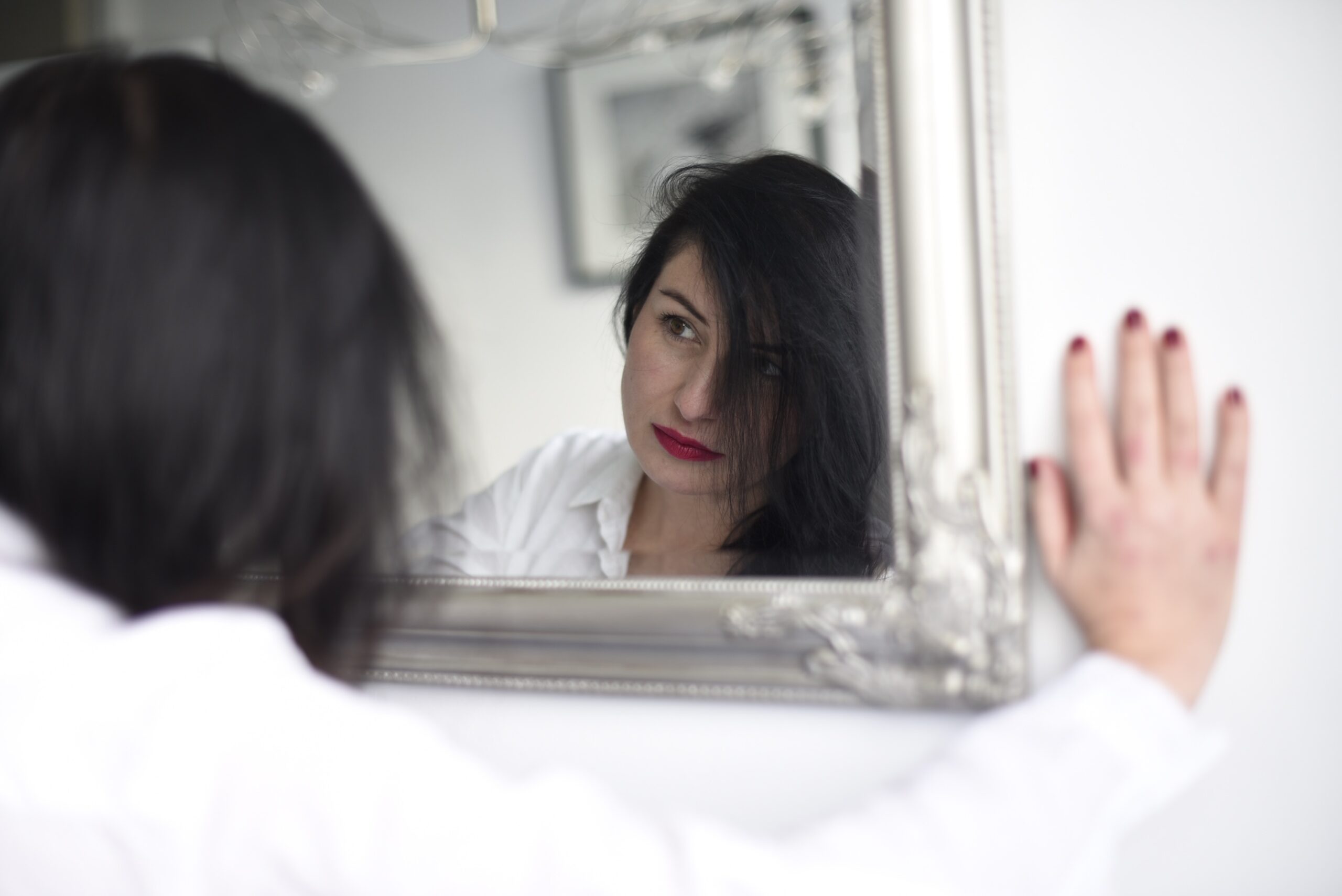
“Honey, you look sick without it,” my mom informed teenage me. Gentle and loving, she was hardly ever that harsh. But she was caught in the cult of femininity, and she wanted to make damned sure her daughter understood the need for artifice.
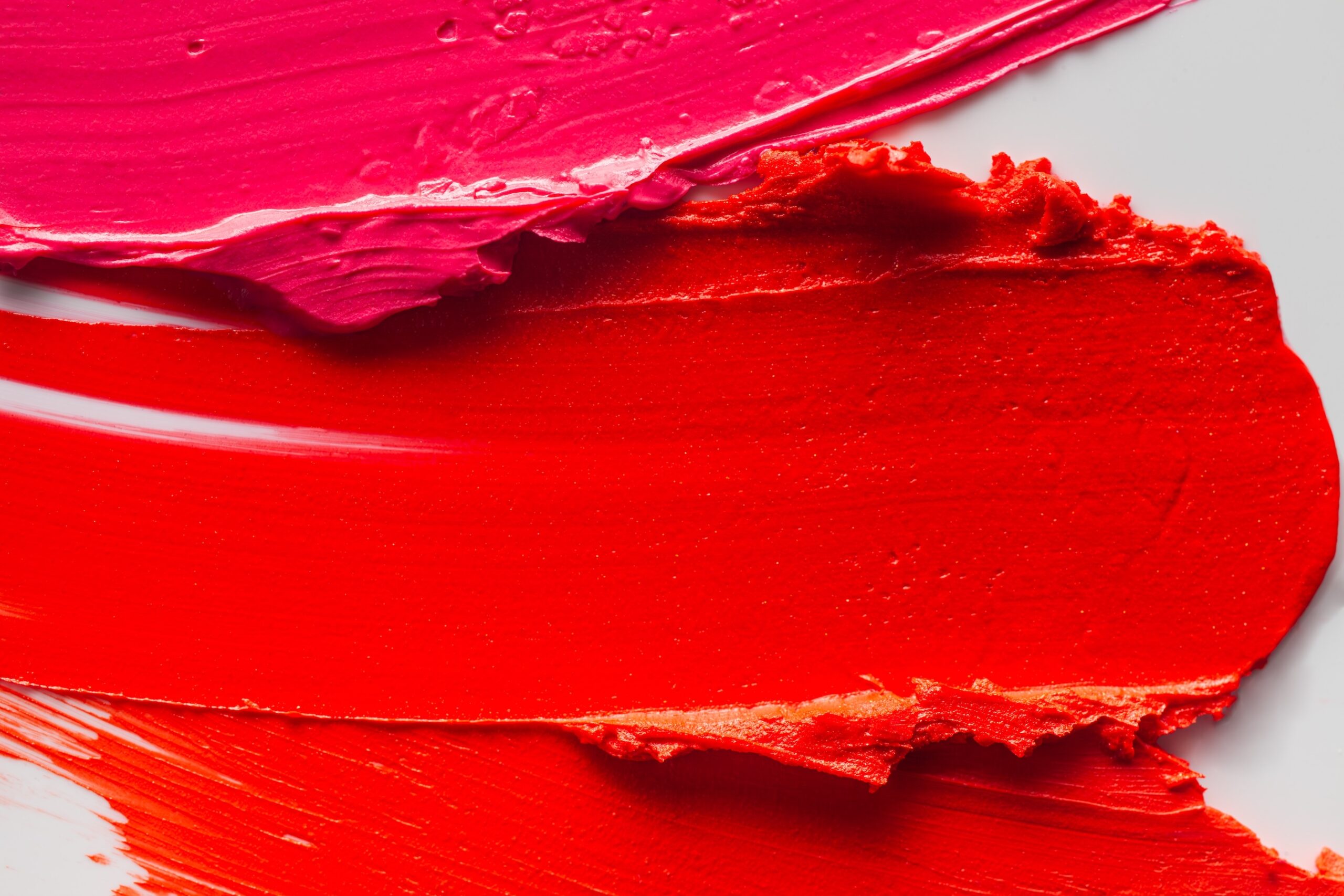
I would like to say I ignored her, but half a century later, I swipe on lipstick just to go to Walmart. And rather than despise this symbol of subjugation, I adore it. Few tasks are as much fun as picking a new shade—and should it be glossy, satiny, sparkly, sheer, or matte? All lovely words, filled with promise. In Lipstick, part of the Bloomsbury Object Lessons series, WashU professor, poet, and culture critic Eileen G’Sell honors this talisman that makes glamour available to us even in the drugstore.
Those bullet tubes have been weapons, armor, protection. “Pour yourself a drink, put on some lipstick, and pull yourself together,” Elizabeth Taylor once said, presumably to a distraught friend. Coco Chanel was more aggressive: “If you’re sad, add more lipstick and attack.” In recent years, lipstick has been mocked as girlie and submissive, but its critics missed the transgressive part. The teenage girls from strict families who snuck out, reddened their lips, then swiped them bare again before tiptoeing back to their rooms. The affairs that left lipstick, sometimes deliberately, on starched white button-downs. The envelopes, sealed with a big red kiss, sent to soldiers who might die before they arrived.
I think of my friend who ended her life at eighty-two, how she cheered me up by assuring me that she would wear the Chanel red we both loved. Lipstick is brave—but why? Because it is bold, risking attention? Because it is defiant, rather than depressed? “Years before the hormones of delayed puberty colonized my gymnast body, lipstick transformed my meek façade,” G’Sell writes.
Still, one must be initiated. There are gaucheries to be avoided. The smear of cream, the smacky stickiness of gloss, the dry cracks of matte. The threat of lipsticked teeth, and the shorthand we use to signal this to a friend. That horrid trick of reapplying in public,with a little compact mirror—why break the illusion? Older women who color outside the lines, their lips having thinned and blurred. And, let us admit it, the resemblance of the rotated bullet to an aroused dachsund’s unsheathed penis.
Beauty distracts us from all that, has for centuries. G’Sell dug up (not literally, that was the archaeologists’ job) the oldest-known extant lip paint, a Bronze Age vial, the stone hand-carved, filled with a scarlet paste. Four thousand years ago, people were altering the shade of their lips. Men, maybe: “It wasn’t until the Greeks took over that painting one’s face was conflated with femininity.” That linkage broke in Rome, and the men in charge wore lip color. So did Queen Elizabeth I above her lace ruff. Later, because harlots wore it, Queen Victoria pronounced it impolite, which meant nice ladies had to look sick. Flappers reclaimed those bows of bright color. David Bowie borrowed their rainbow.
At least modern lipsticks contain ingredients like aloe and grapeseed oil, not the sheep sweat and crocodile excrement that ancient sex workers slathered on. The artifice, though, remains. G’Sell gives us Madonna, all “glittering surface, black rubber bracelets, flagrant fuck-you fakery”; she proved that makeup could break the rules of feminine decorum. Madonna made artifice fun, rather than obligatory.
What interests me most about lipstick is how, even if you subtract sexual politics, we are all thrilled by our stance toward it. A friend who favors pants, camp shirts, and sensible shoes proudly announces that she has never worn the stuff. My mom used to buy two of any favorite shade because she was terrified they would stop making it. Hardly anyone shrugs indifference. At least, hardly any woman in my generation. As G’Sell observes, more women over thirty are adamant in their refusal to wear lipstick, and more women over thirty wear it every single day.
Why do I still bother? My husband does not care. Is it for my dead mother? Nope. My neat rows of lipsticks are a paintbox. A way to transform mood or show another side of my personality. Or be defiantly “matchy,” pink lipstick for pink sweater, because dammit, I like it when things match. G’Sell understands; she wears lipstick like a banner, well aware that academe is not a lipstick culture. “I’d rather be a gadfly in a glittery dress (and matching lip) than conform to what feels bland and predictable,” she writes, and I want to applaud, and then rise to my feet when she quotes Alexandria Ocasio-Cortez: “Any attempt to make my femininity trivial or unimportant is an attempt to take away my power. So I’m going to wear the red lipstick.”
So are G’Sell’s students, some of whom are male or nonbinary or trans. The symbolism has shifted. Lipstick is a mix of power and play, an artifice used to claim all sorts of selves and provoke various forms of desire. Other symbols, once feminized, tyrannized us then hit the trash basket. Nobody wants to girdle their amplitude or struggle with flesh-colored nylons that stifle the flesh and snag on the first wearing. Lipstick, though, has lasted for four millennia, and we refuse to throw it away now; it is far too much fun.
“Lipstick may be a small luxury, but its power of reinvention is positively epic,” G’Sell writes, and her tiny, poetic, sharply observed book gives plenty of examples. “In a world where change is the only constant, a new shade of lipstick openly affirms that ‘this face, too, is temporary,’ just as it declares that ‘this person’s story is still being written.’”
As is the story of lipstick itself.