Rizzo’s Reign, And Other Observations About Policing
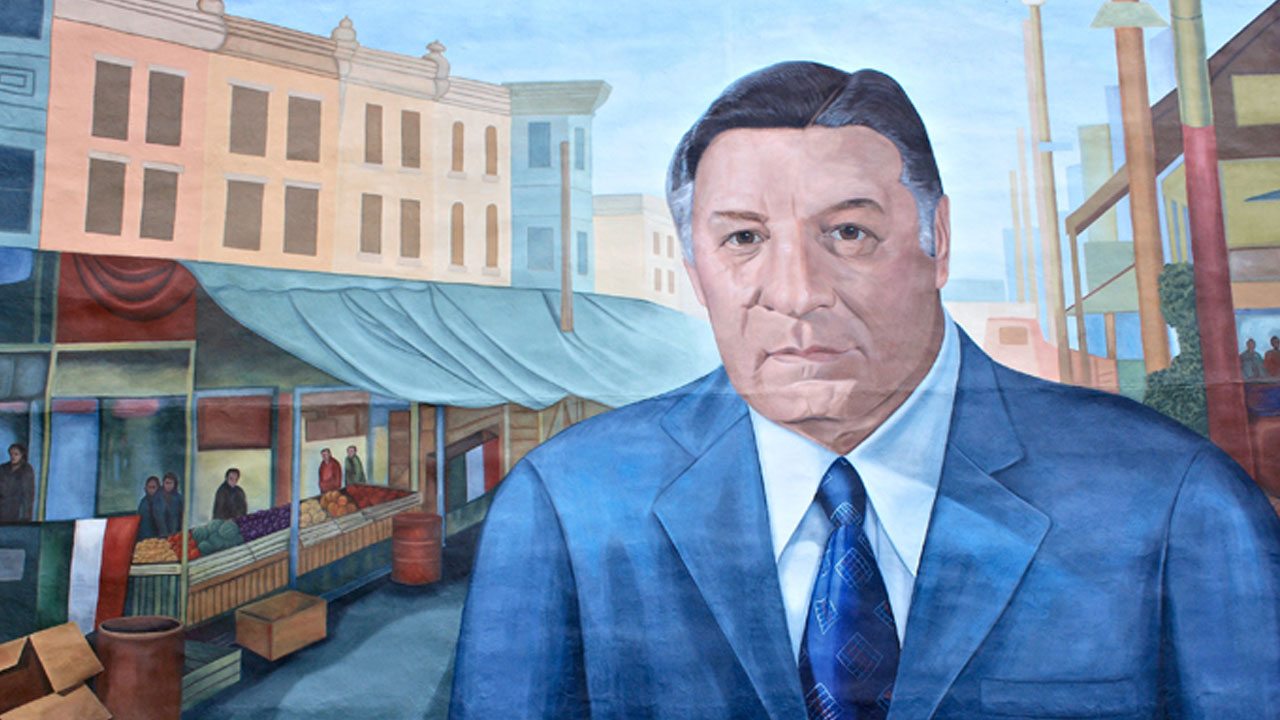
The reign of Frank Rizzo was also the era of the rising black political power in Philadelphia. Nowhere was the clash of racial interests more intense than the police department.
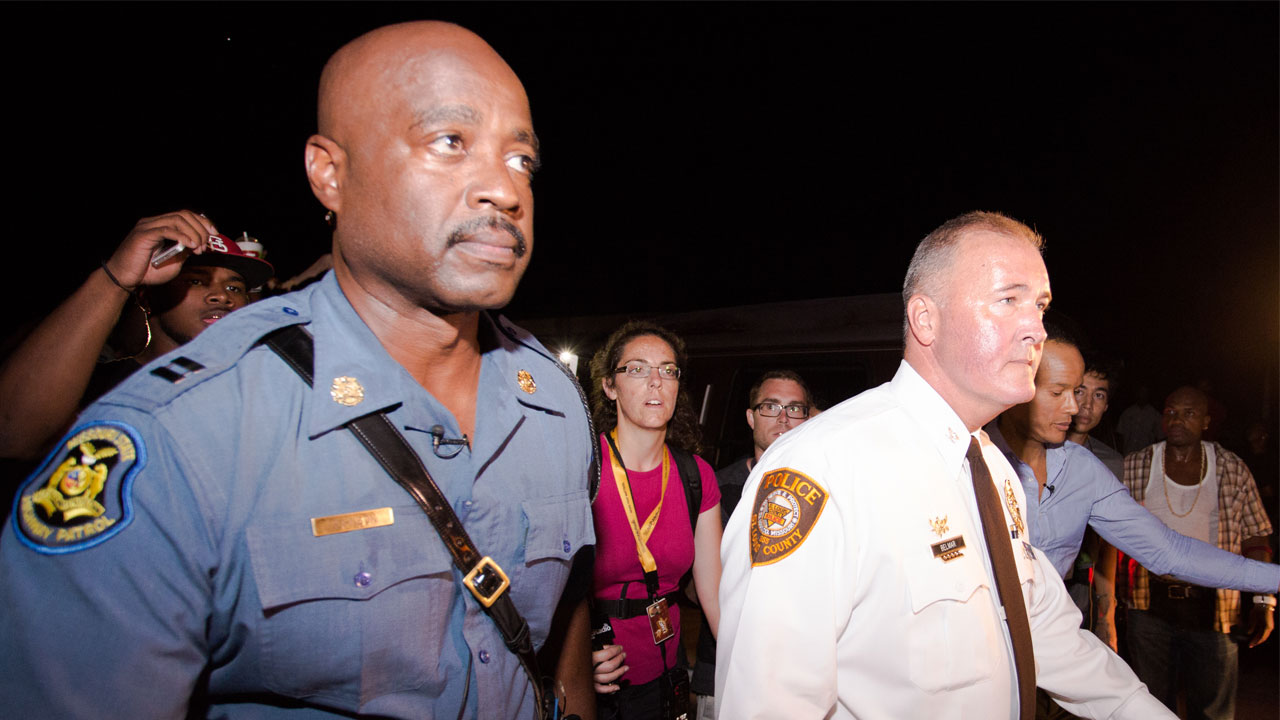
The reign of Frank Rizzo was also the era of the rising black political power in Philadelphia. Nowhere was the clash of racial interests more intense than the police department.
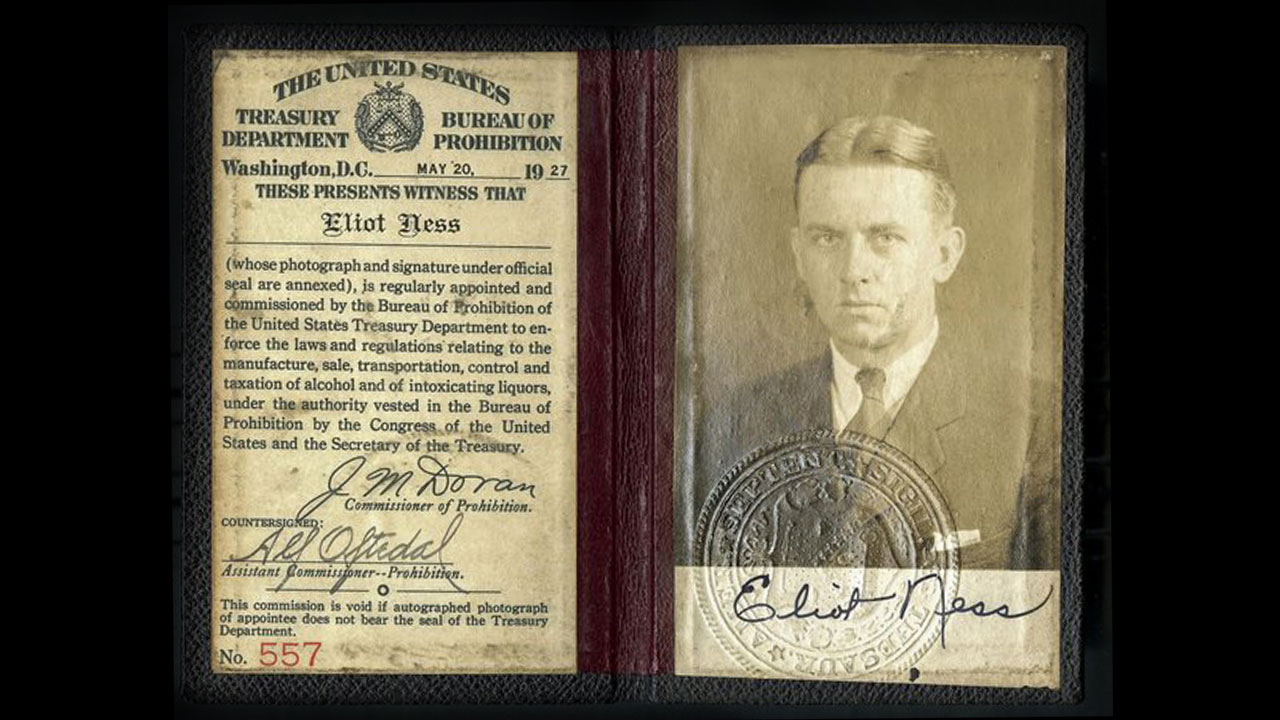
Two new biographies reveal that police work is not so simple and straight-forward—cops versus robbers, order versus chaos—as many might think. Those enlisted in the job of enforcing the law are more complicated in their impulses and motivations, more conflicted or contradictory as human beings about the meaning of what they are doing, than partisans of either side willing to concede.

“Wyatt Earp is one of the few men I personally knew in the West in the early days, whom I regarded as absolutely destitute of physical fear. I have often remarked, and I am not alone in my conclusions, that what goes for courage in a man is generally the fear of what others will think of him."
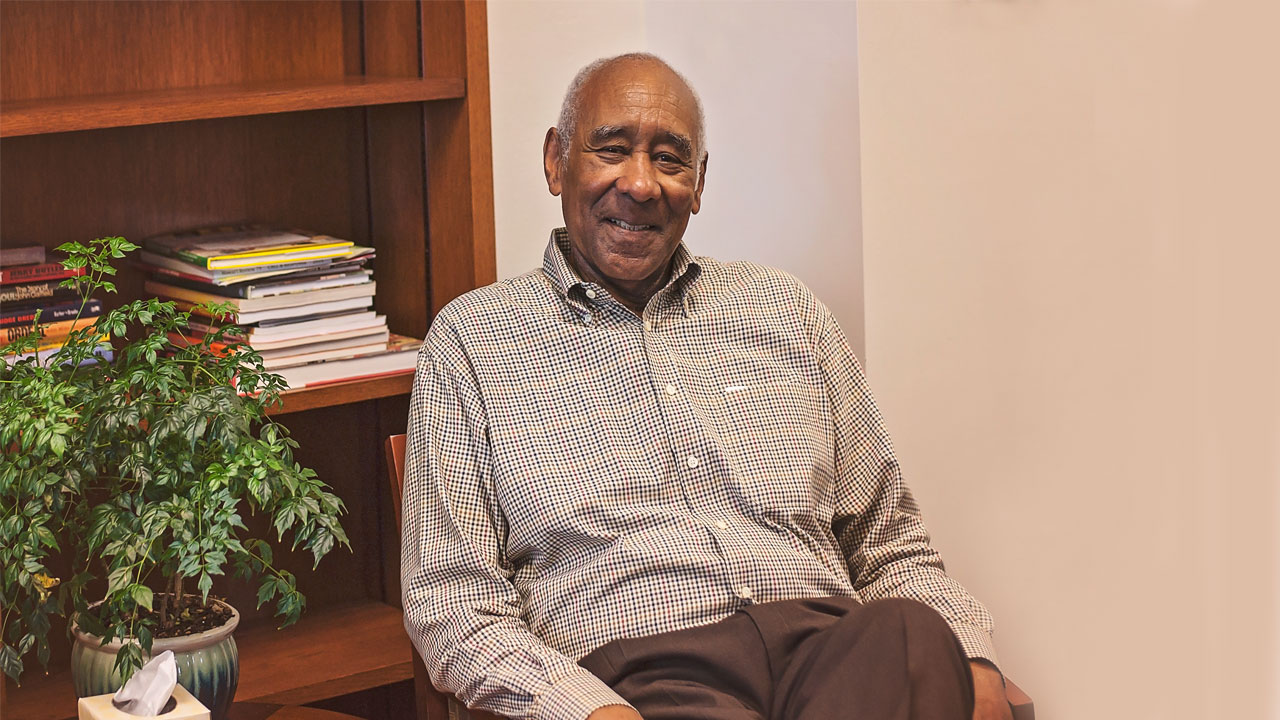
One of the first African American special agents for the FBI, and a veteran of the bureau's Hoover years, reflects on the past and future of law enforcement's engagement with minority communities. "The practice of community policing has, I believe, been a factor in the improvement of relations, but there is still a continuing battle to establish trust," says retired agent Wayne Davis.
On August 9, 2014, people had worried that Michael Brown would be forgotten. By September of that same year, it was clear no one would ever forget Brown, but what legacy his death would leave was in question.

The demise of the formal French and British Empires in the second half of the 20th century obscures that reality that imperial methods and practices still have practical value to those who seek to control different people.
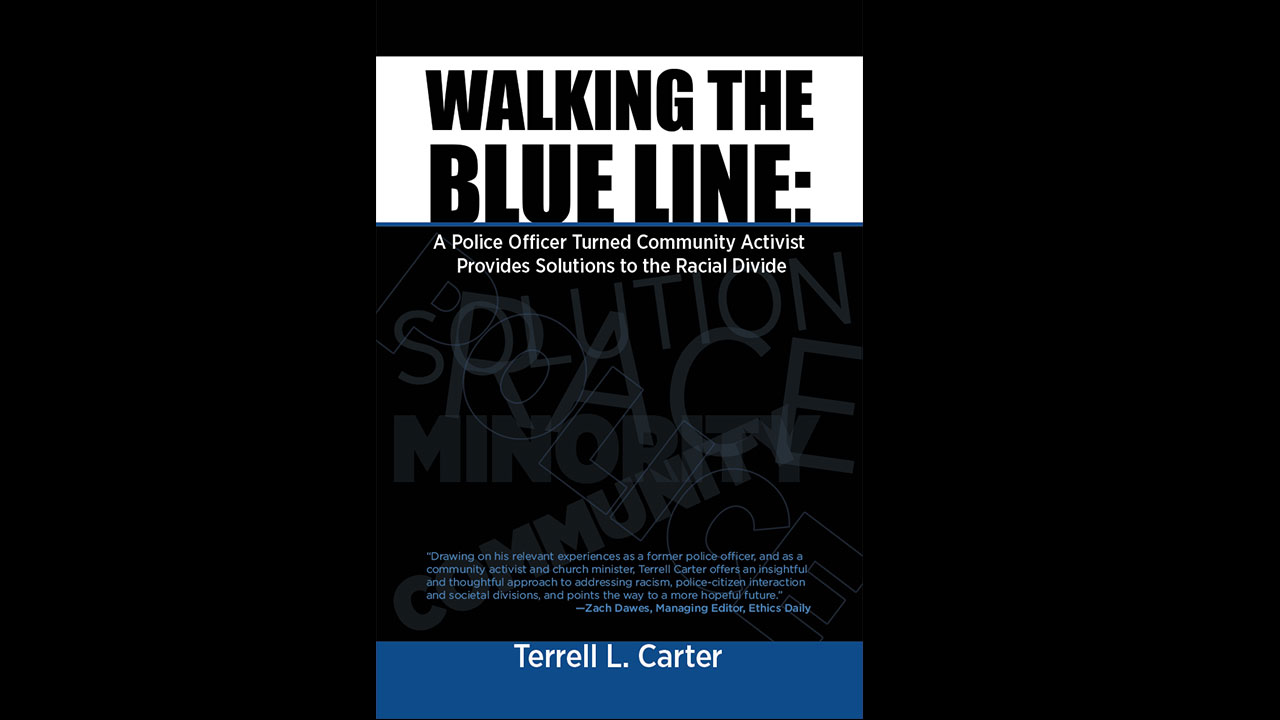
"In the end, the reason an officer arrests someone really doesn’t matter. What matters is that the officer has the “magic pen.” Officers know that, ultimately, what is written in a report will more than likely be accepted and believed because that officer controls the information that the prosecuting attorney and public will see."
Every two weeks, The Common Reader delivers a curated selection of essays, cultural analysis, and fresh perspectives to your email—always free and engaging.
Shop for bookmarks, mugs, pens, t-shirts, and more.
A look back at the ideas that shaped previous editions