Sarah Kendzior is best known for her reporting on St. Louis, her coverage of the 2016 election, and her academic research on authoritarian states. She is currently an op-ed columnist for the Globe and Mail and she was named by Foreign Policy as one of the “100 people you should be following on Twitter to make sense of global events.” Her reporting has been featured in many publications, including Politico, Slate, The Atlantic, Fast Company, The Chicago Tribune, TeenVogue, and The New York Times. Her books include The View From Flyover Country: Essays by Sarah Kendzior (2018, Flatiron Books) and, most recently, Hiding in Plain Sight: The Invention of Donald Trump and the Erosion of America (2020, Flatiron Books).
By Sarah Kendzior

By
Christopher Schaberg
The game here took place on several dimensions. It was, on one hand, a game with time—in the right place at the right moment—and on the other, with fish and bugs, in that moment. Once every seventeen years, maybe this might happen. But it has also become a game with memory, and with writing—and now, with technology.
By
Christopher Schaberg
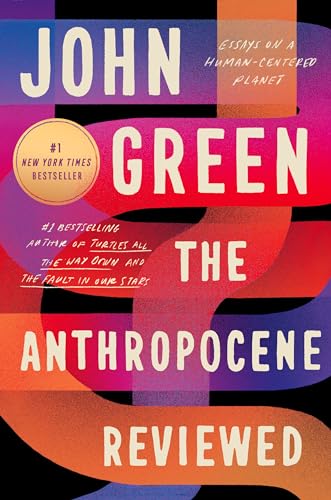
The topic of the Anthropocene is so vast and, well, everywhere, that sometimes you just have to make brief forays into the muck and see if anything makes sense or connects.
By
Steven C. Hause
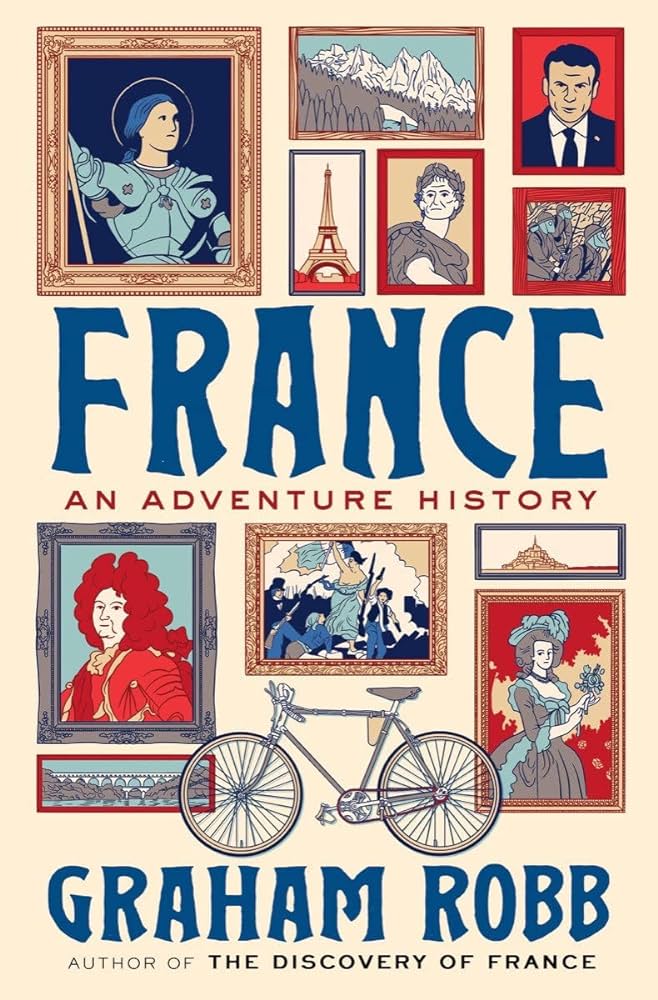
France: An Adventure History remains, from cover to cover, a truly different history. It is long and densely packed with knowledge, just not told in a traditional narrative.

By
Michael Finke
Tomorrow I will drive thirty miles to pull out of a pole-barn hangar with peeling sheet metal siding a seventy-year-old, tube-and-fabric realization of my deeply embedded, retro dream, because for me and for the folks I most enjoy drinking a beer with, the soul is still to be found in flight and the machines that do it.
By
William Schwab
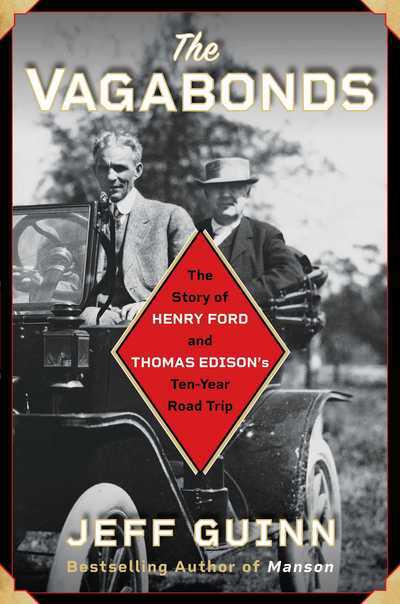
Jeff Guinn’s light-hearted prose takes the reader back to the early twentieth century. The book reads like a musical fugue: Its continuous theme is the annual trip; the variations, the uniqueness of each outing.
By
Mark Rollins
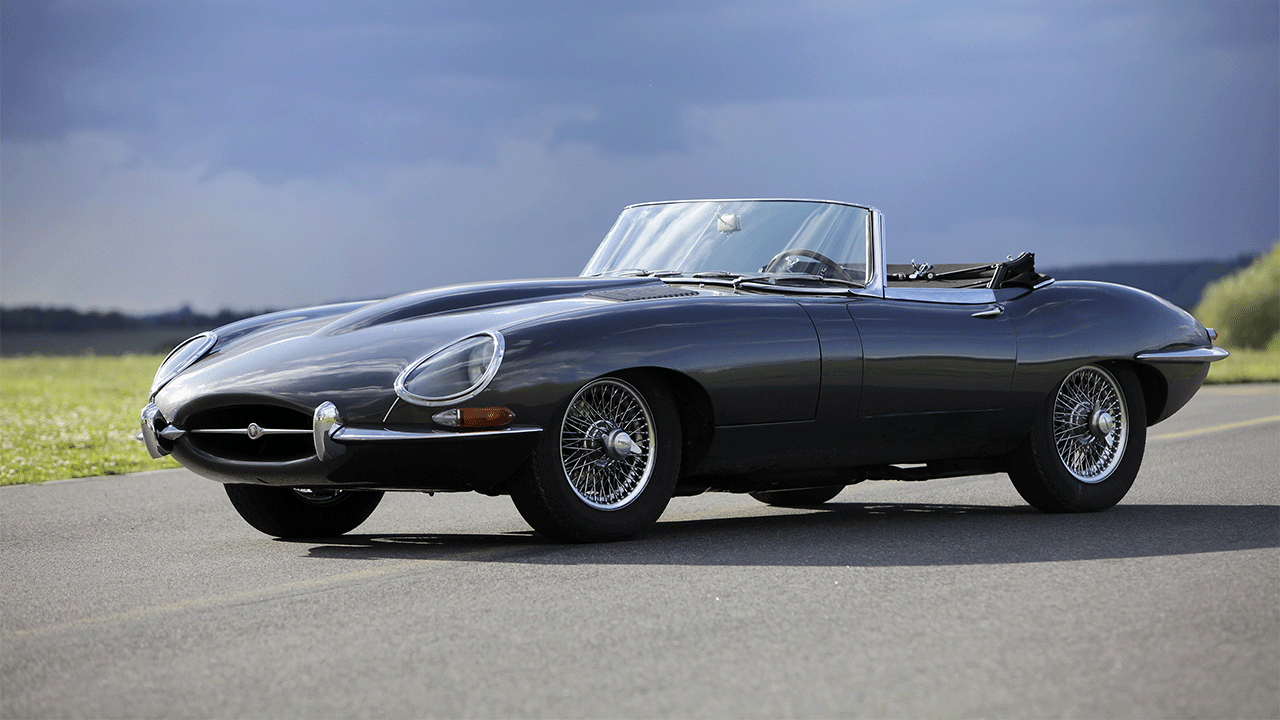
When Italian carmaker Enzo Ferrari declared the 1961 British Jaguar E-type sports car the most beautiful car ever made, it was a rare instance of a functional design object coming to be seen as a work of art. Thirty-five years later, Ferrari’s assessment was vindicated when the original Jaguar E-type was put on display in the Museum of Modern Art.
By
Steven C. Hause
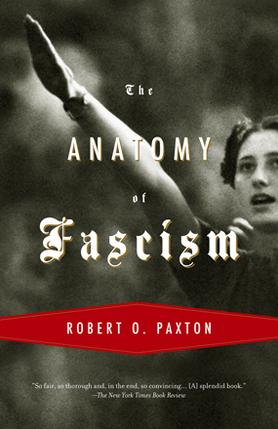
To seek a more cautious understanding of fascism through scholarly literature, there is probably no place to start more respected than Robert O. Paxton’s The Anatomy of Fascism, now more than a decade old.
By
David Schuman
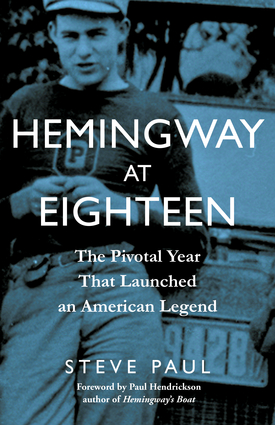
It is useful and maybe refreshing that a new book by Steve Paul allows us to meet a pre-monumental Ernest Hemingway.
By
William Schwab
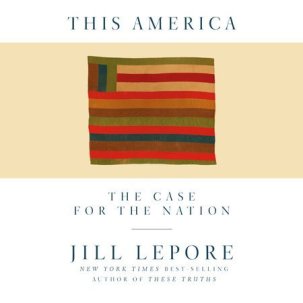
This America takes on academic historians for abandoning liberalism in the 1960s, when scholars became enamored with globalism and stopped writing about the nation’s history.

By
Henry W. Berger
What happened in the tumultuous 50 years before 1968, why 1968 shaped the 50 years that would follow, and how that pivotal year may yet shape our future.
By
Max J. Okenfuss
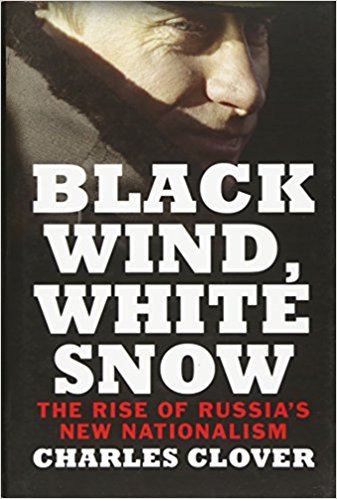
Charles Clover catalogs each of Putin’s references to Eurasianism and, in so doing, draws a picture of Putin’s policies that pose an existential threat to Russian democracy, the Ukraine and other former Soviet republics, to Crimea, to European unity, NATO, and liberal and democratic institutions everywhere.
By
Henry W. Berger
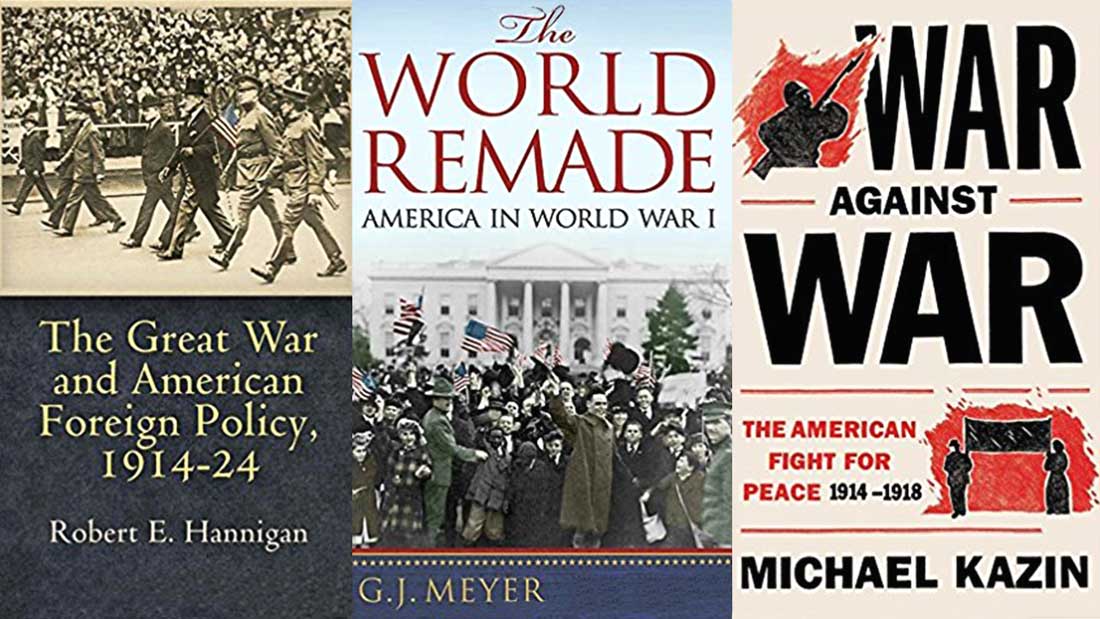
Commentators have debated for almost a century the reasons why America entered the First World War. In the wake of the centennial observance, a raft of new books on the subject has appeared. Together they contribute information and interpretations that challenge readers to rethink their ideas about the subject and its significance for understanding present predicaments.