“Hidden Gem”
January 10, 2019

January 10, 2019
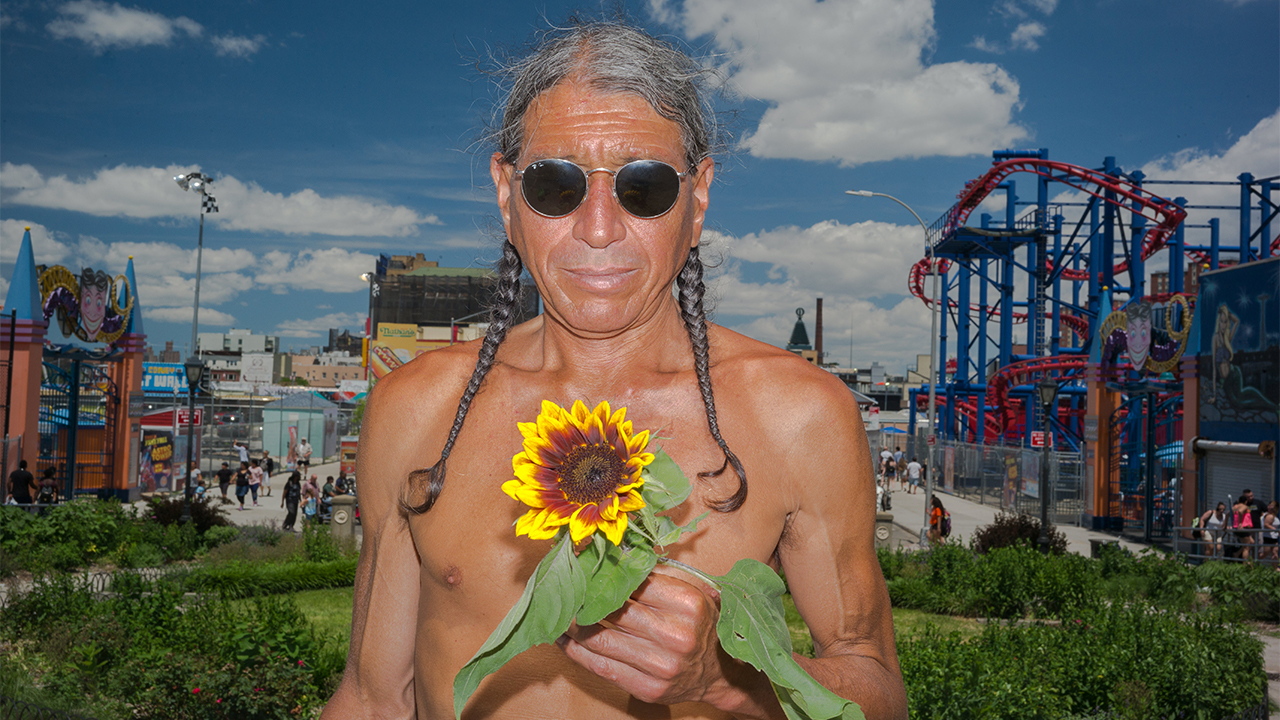
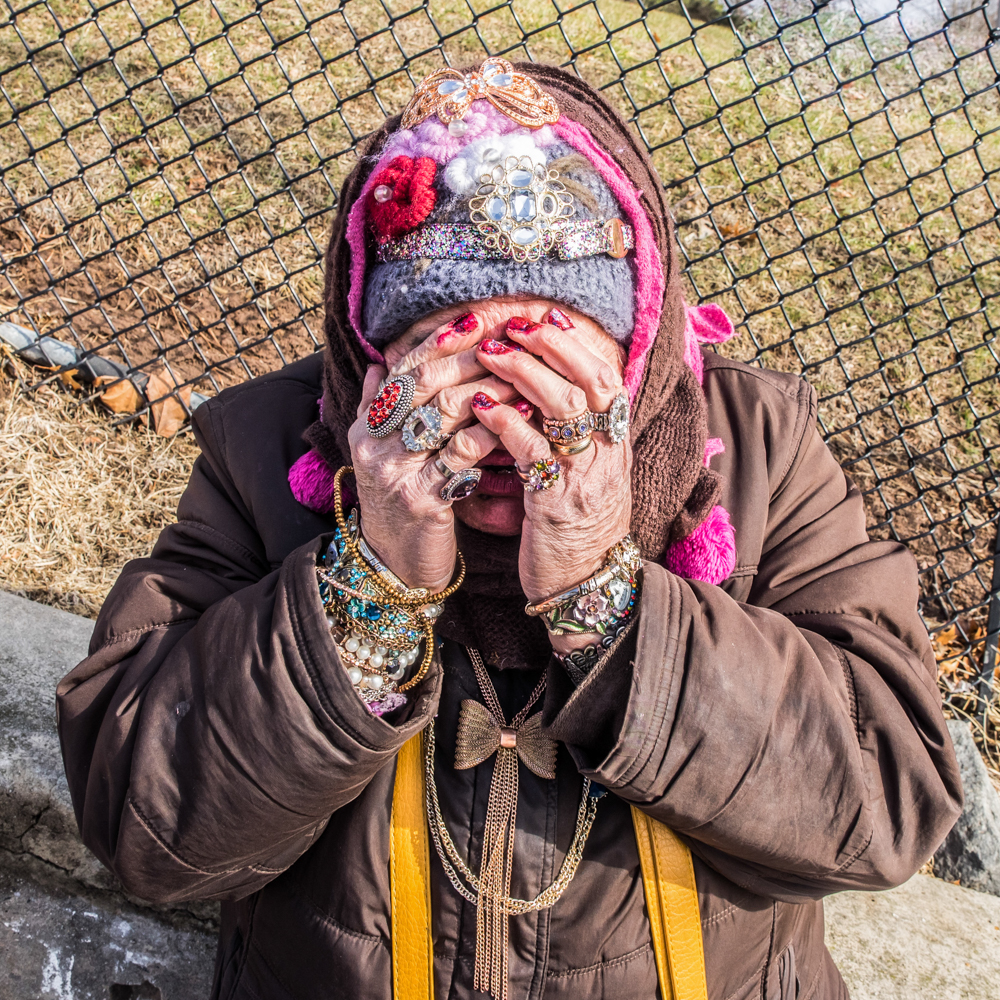
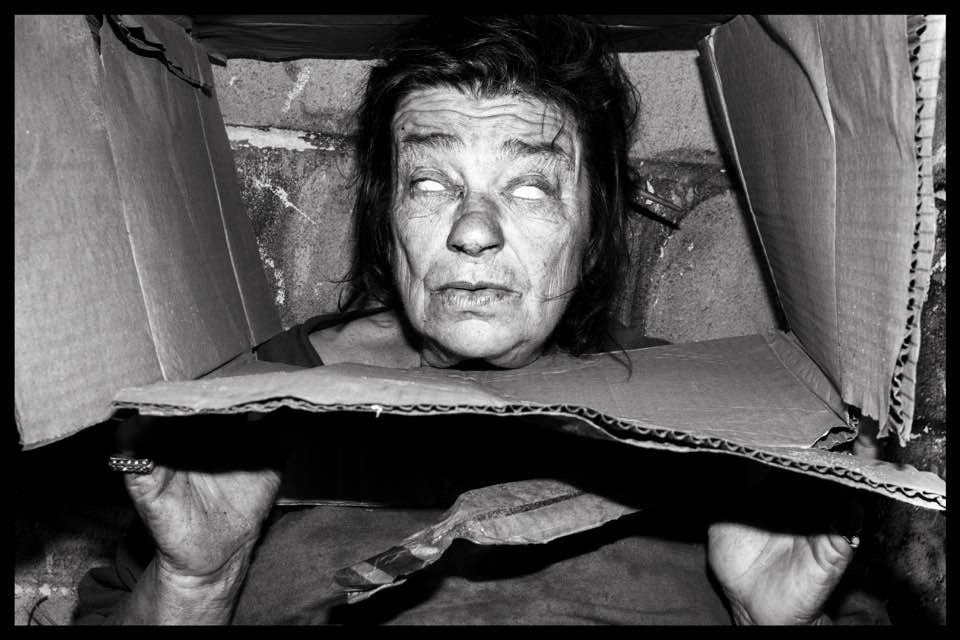
Four portraits of modern tresses, and one toupee.
I had the strange but wonderful pleasure of meeting Chrissy while taking a stroll on Manhattan’s Lower West Side.
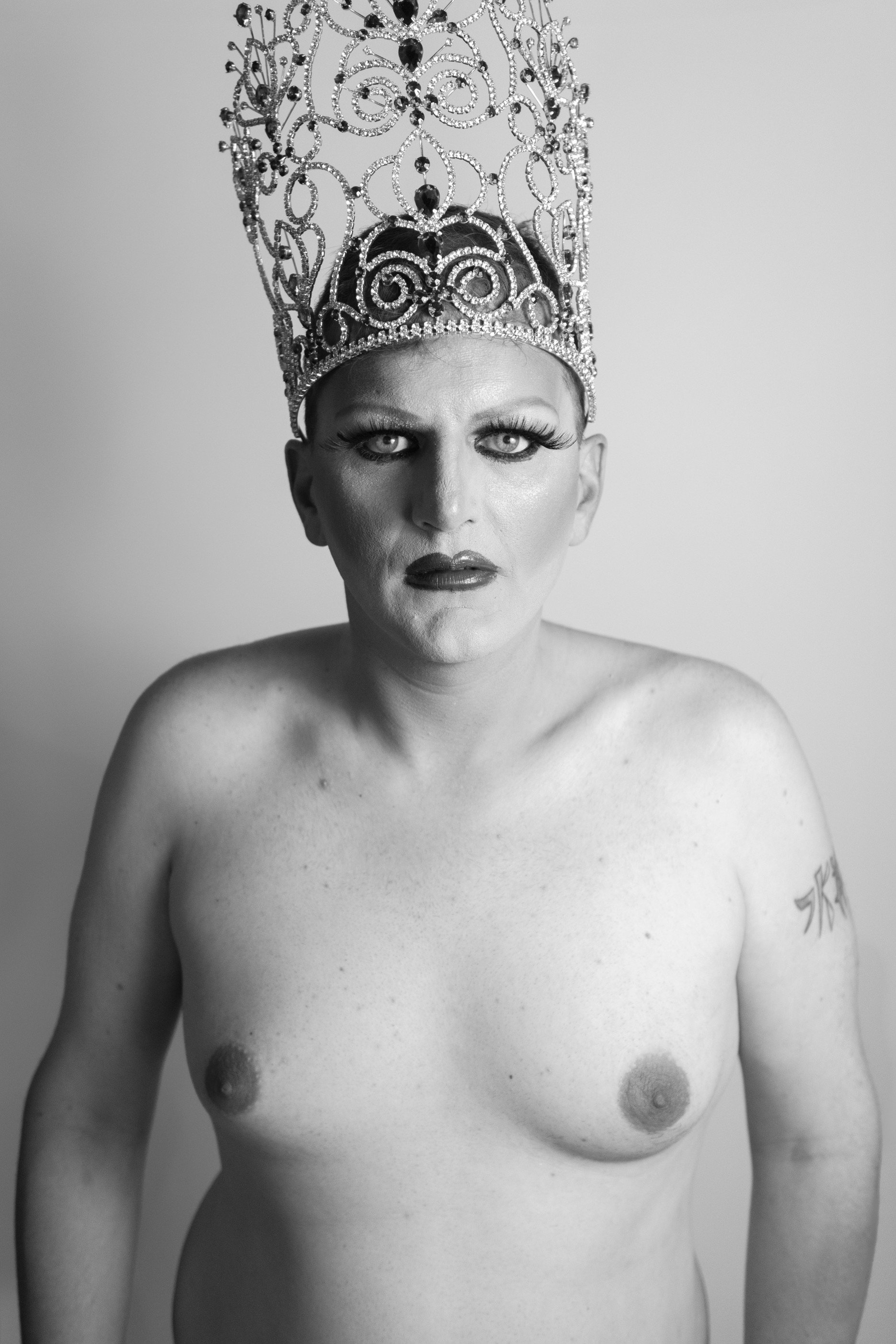
“I knew I was a girl from the age of 5 or 6. There was no denying it. When the boys were out playing sports I was home trying my mom’s dresses and high-heel shoes. Now I celebrate who I am with entertainment. I’m a drag queen.”

Loser Back Home (LBH), who prefers to remain pseudonymous, is traveling through China right now. He has made some 31 social media videos—which began with the series title, “Day [9, 11, 18, 28, 62, etc.] of Not Understanding Anything in China”—as he has passed through, eg, Ganzhou, Ningming, Wuhan, Yueyang, Shaoshan, Chongqing, Chengdu, the Three Gorges area, Zhang Zhou, and other places, including non-Chinese cities Bangkok and Vientiane.
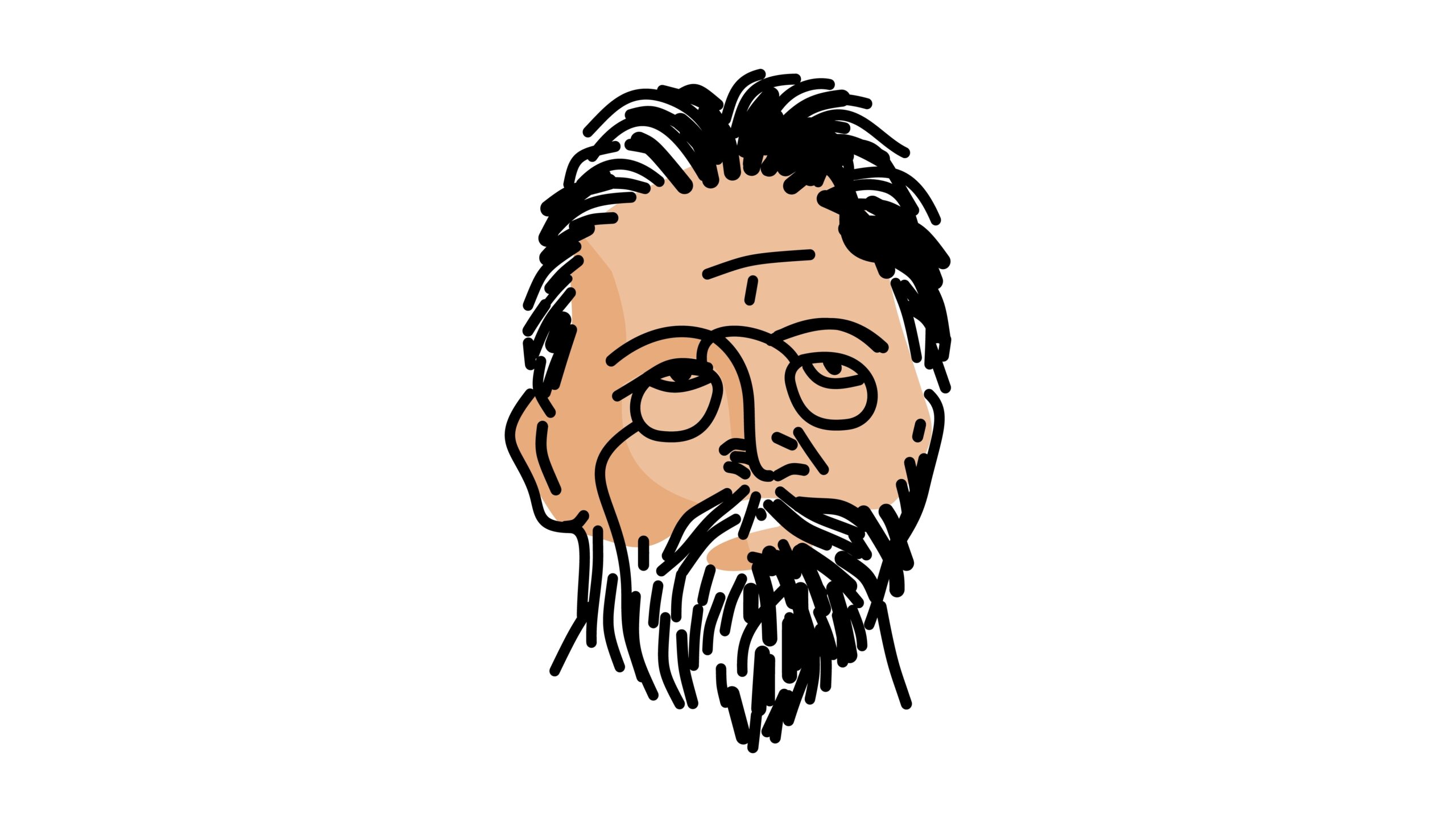
He abhorred writerly tricks and happily-ever-after endings. And he was deeply realistic. He knew there was no way to bring opposing beliefs and values into harmony. Hold back the chaos, in other words, and allow as much human flourishing as possible.

The common denominator in all smug characters is that they are closed. Closed to new ideas, to a more flexible way of thinking, to vulnerability and humility, to wonder and curiosity. They live in their own tight world, safe from challenge, always correct.
Loser Back Home (LBH), who prefers to remain pseudonymous, is traveling through China right now. He has made some 31 social media videos—which began with the series title, “Day [9, 11, 18, 28, 62, etc.] of Not Understanding Anything in China”—as he has passed through, eg, Ganzhou, Ningming, Wuhan, Yueyang, Shaoshan, Chongqing, Chengdu, the Three Gorges area, Zhang Zhou, and other places, including non-Chinese cities Bangkok and Vientiane.
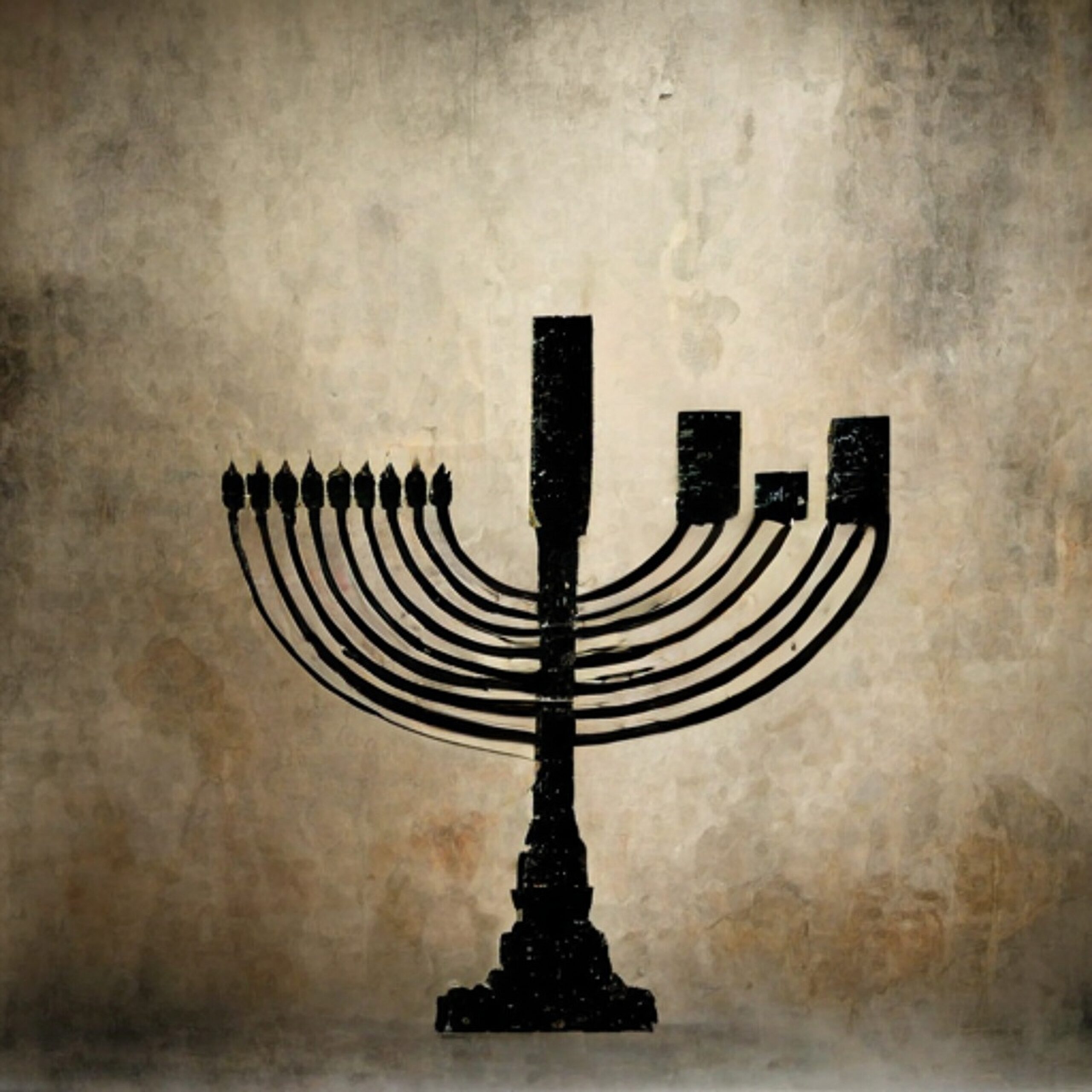
I did not understand how this faith community could have such unshaken “certainty” about the world. Especially a certainty that does not make sense to me. I felt curious about it.
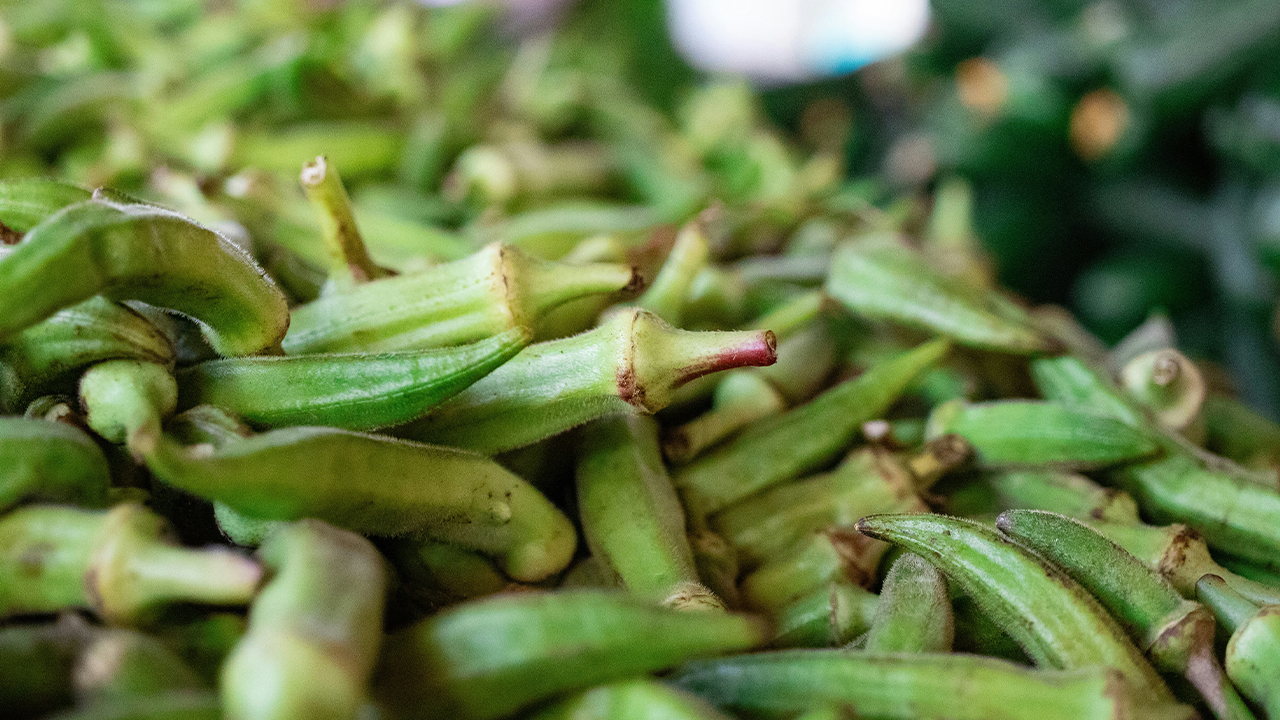
I had come to understand St. Louis through its divisions, through the Delmar Divide and the strange geography of abundance and deprivation that I had stumbled into on that bus ride years earlier. But food made the division feel different.