Fifty Songs Featuring Cities and Urban Life
A listicle about popular music and the metropolis.
By Gerald Early
January 31, 2022
A listicle about popular music and the metropolis.
By Gerald Early
January 31, 2022
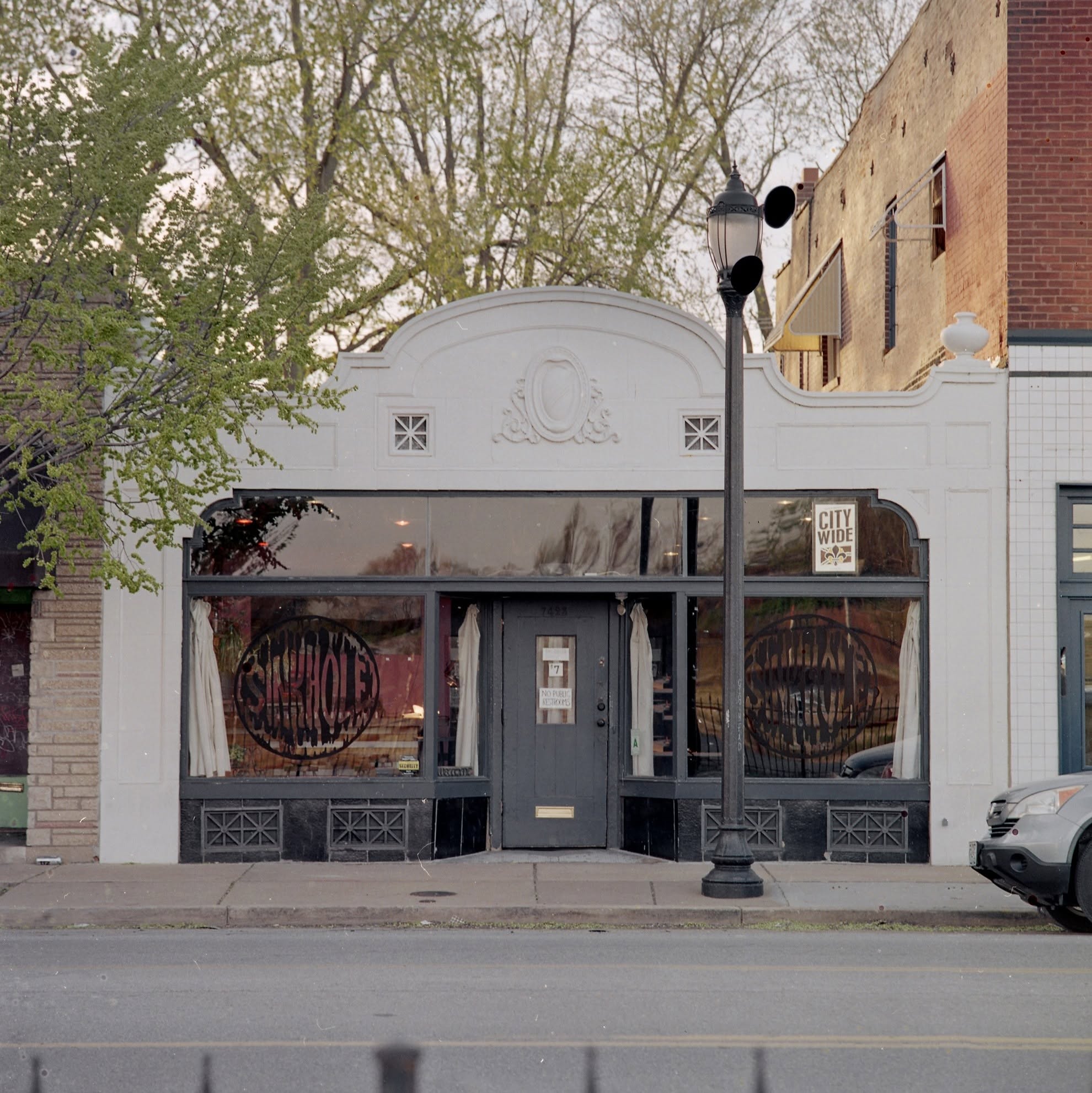
Located on Broadway in St. Louis’s historic Carondelet neighborhood, the venue has become something of a billowing steam vent in the city’s punk, hardcore, and metal scenes. A bastion to the do-it-yourself ethos long embraced by the subcultures of underground music, The Sinkhole boasts a single room, one bar, and a ceiling as low as its overhead.
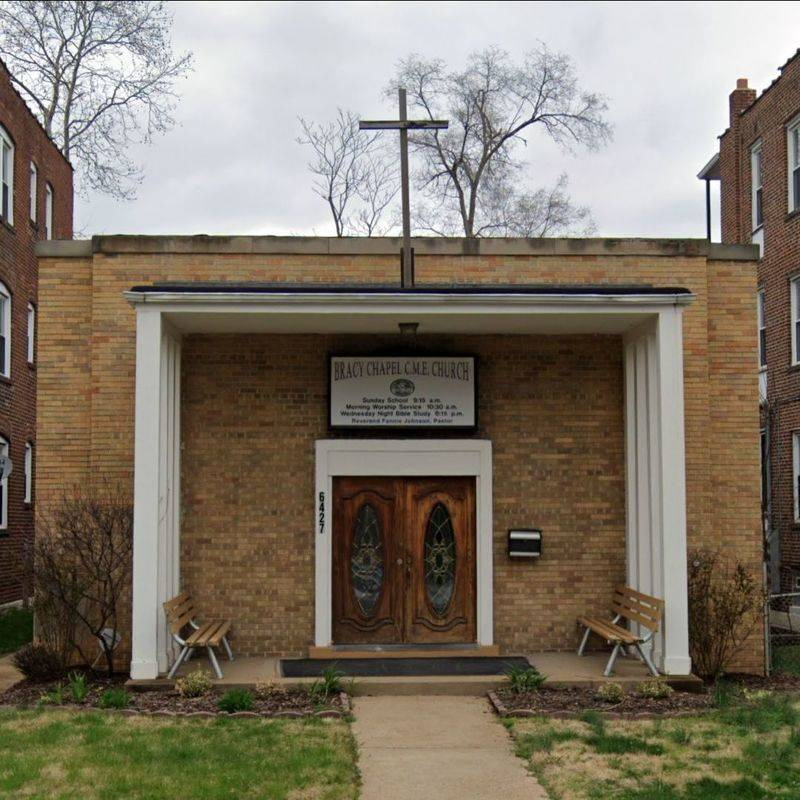
What I had known was that I was living next to a church for the past five years of my life. What I had not known was that, for all these years, I was in the midst of a “Spiritual Urgent Care Center,” the appellative Reverend Fannie S. Johnson opts for to remind her congregation of the purpose of their gathering at Bracy every Sunday.
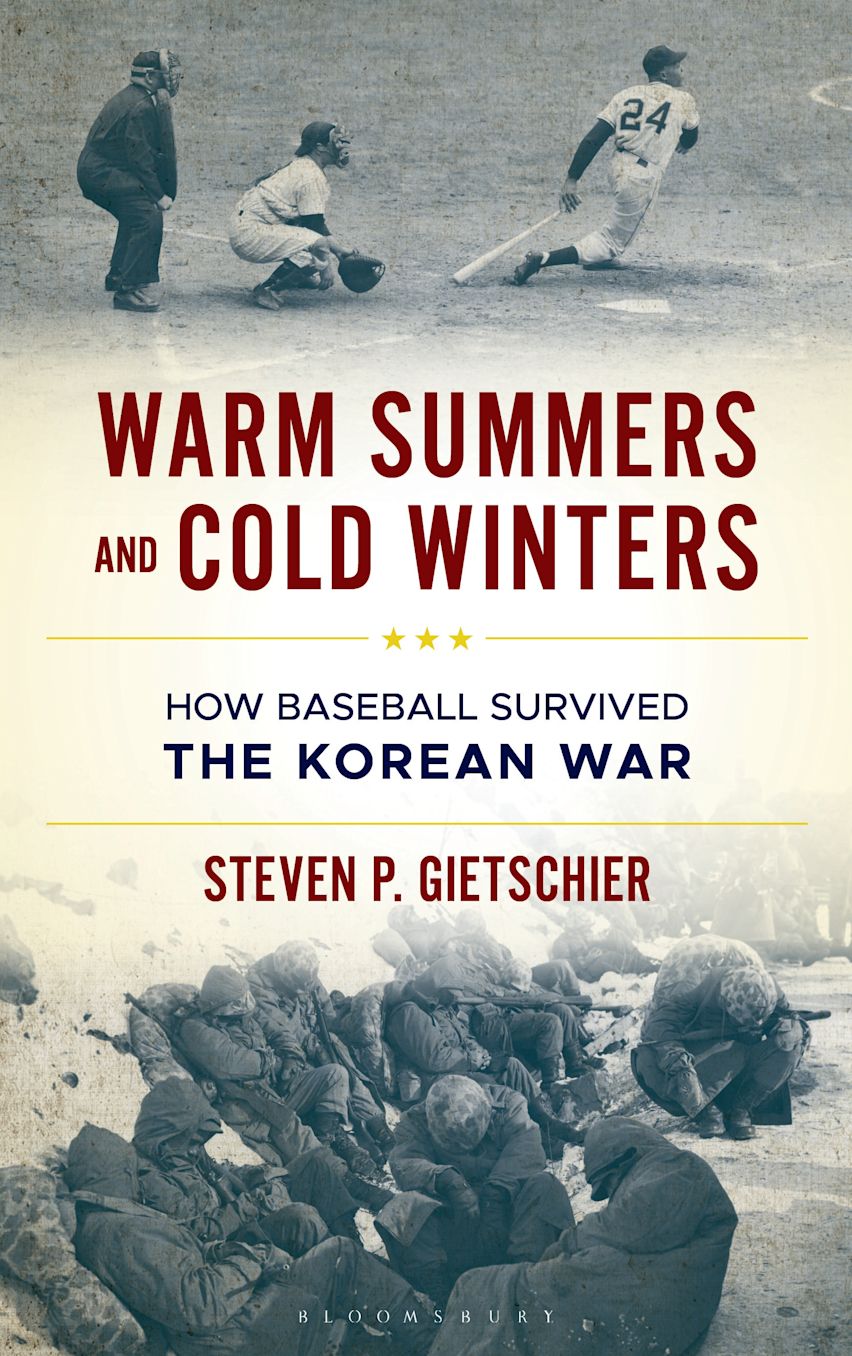
In “Warm Summers and Cold Winters,” Steven P. Gietschier tells the story of Charley and Bill DeWitt, owners of the perennial American League losers, the St. Louis Browns, who, in 1950, decided to hire a psychologist and hypnotist named Dr. David Tracy to help some of the players get over their “inferiority complex.”
I did not understand how this faith community could have such unshaken “certainty” about the world. Especially a certainty that does not make sense to me. I felt curious about it.

I had come to understand St. Louis through its divisions, through the Delmar Divide and the strange geography of abundance and deprivation that I had stumbled into on that bus ride years earlier. But food made the division feel different.
Located on Broadway in St. Louis’s historic Carondelet neighborhood, the venue has become something of a billowing steam vent in the city’s punk, hardcore, and metal scenes. A bastion to the do-it-yourself ethos long embraced by the subcultures of underground music, The Sinkhole boasts a single room, one bar, and a ceiling as low as its overhead.