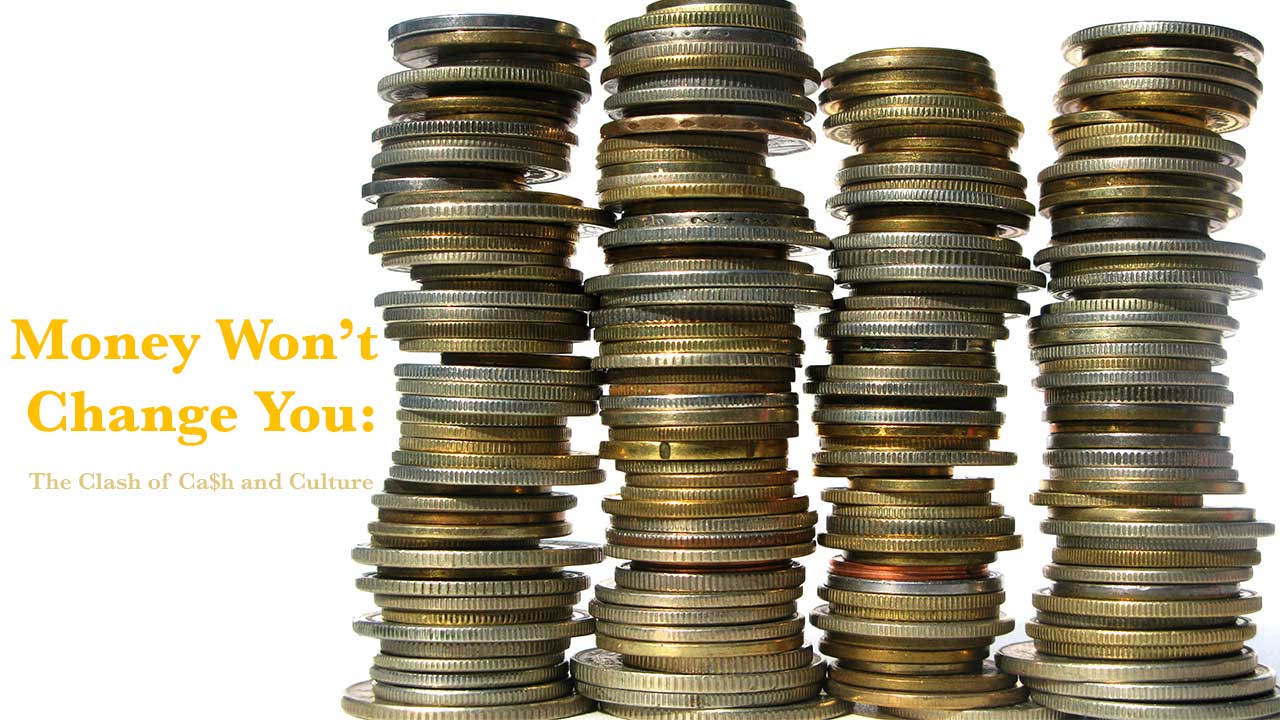
Editor’s Note
Maybe money changed us a long time ago and there is really nothing it can do for us now as it is, in the human mind, both everything and nothing.
Maybe money changed us a long time ago and there is really nothing it can do for us now as it is, in the human mind, both everything and nothing.

If money is a problem for Christians, both Francis of Assisi and Pope Francis and suggest, the solution is to keep it problematic for Christians and not for anyone else. The Christian community Pope Francis hopes to inspire has—at least figuratively—nobody holding the money bag.
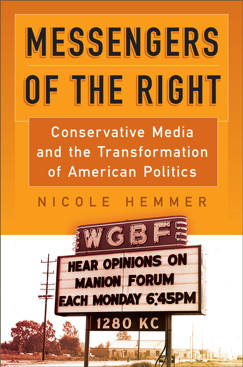
Hemmer’s book is a fine scholarly study of rise of modern American conservatism, a more than twice-told story recounted through the less familiar frame of the rise of conservatism’s media.
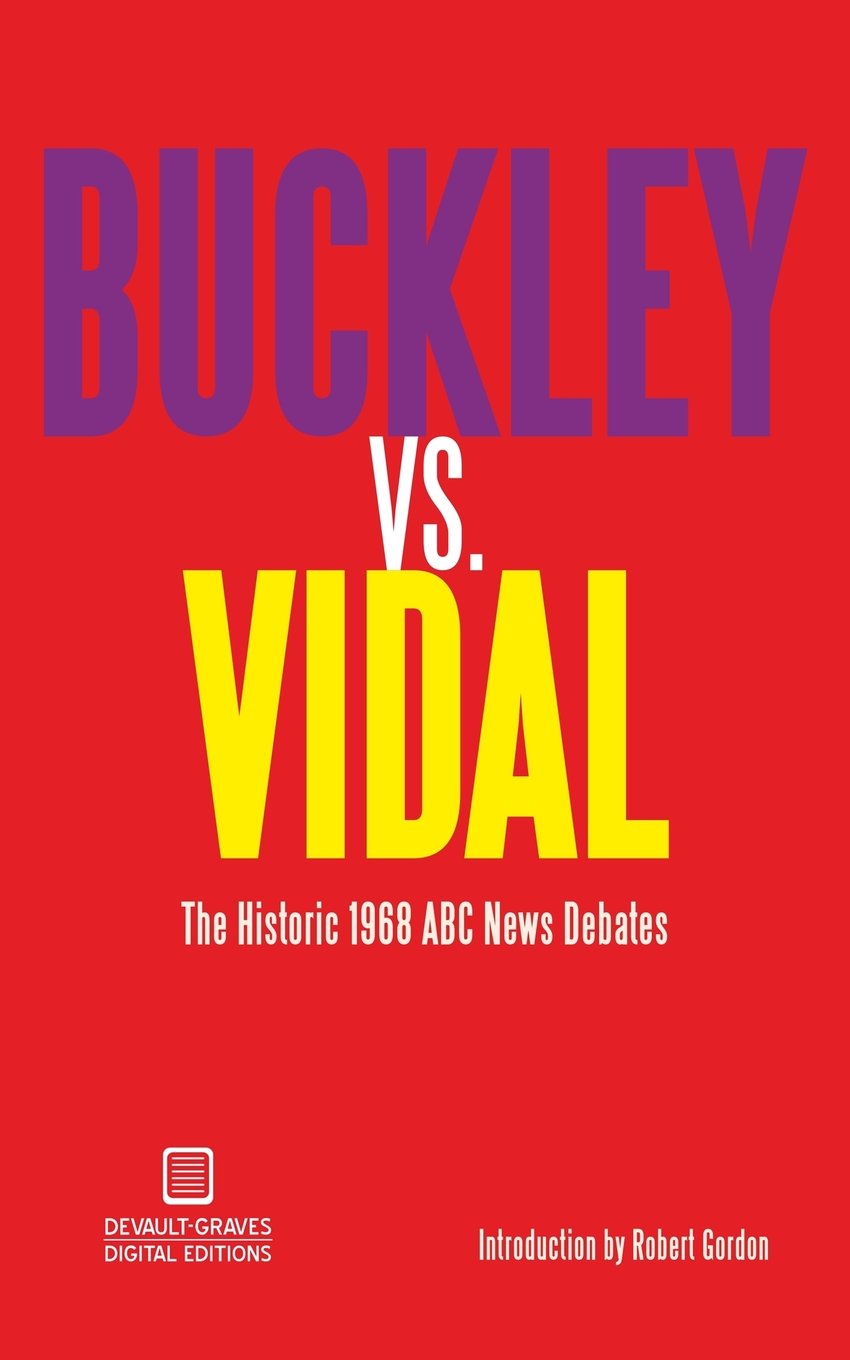
William F. Buckley and Gore Vidal were each other’s opposite because they were nearly identical twins in many respects. As a result, their 1968 confrontations would establish the template for televised political exchanges of the future.

A keystone of the Chicano literature revival, along with a more recent novel about Mexican American social mobility, form a grand legacy awaiting our discovery.

Trump’s slash-and-burn march to the White House, one of the most stunning accomplishments in the annals of American politics no matter how loathsome the man may be to so many, ended the dynastic claims of two powerful political families: The Republican Bushes and the Democrat Clintons.
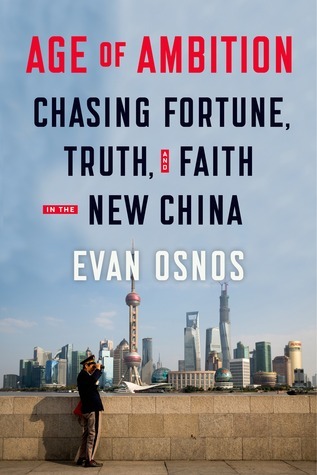
Age of Ambition is no doubt one of the best books about contemporary China in English.
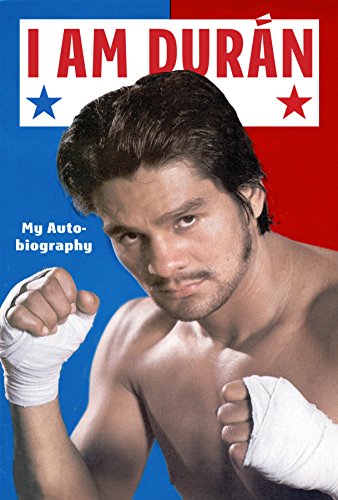
Roberto Durán made and spent millions, winding up broke, as most poor boys who became successful athletes do. During his salad days, he had a huge entourage, manzanillos, the “Panamanian slang for people who leech off the rich and famous,” as Durán puts it in his autobiography, to whom he gave away thousands a day. He drank, ate, whored, had children out of wedlock for which his wife forgave him. He apologizes for none of it. His autobiography is a defense of his life, an apologia, not an expression of contrition.

For Schlafly, Trump, as a personality, is clearly a break from the moderately conservative Republican nominees of the last few elections like Romney and McCain, which is part of Trump’s appeal. His crudity, his bluntness, and his bouts of incoherence are signs of authenticity, of an utter refusal to submit to the sensibilities of liberal/leftist zeitgeist.
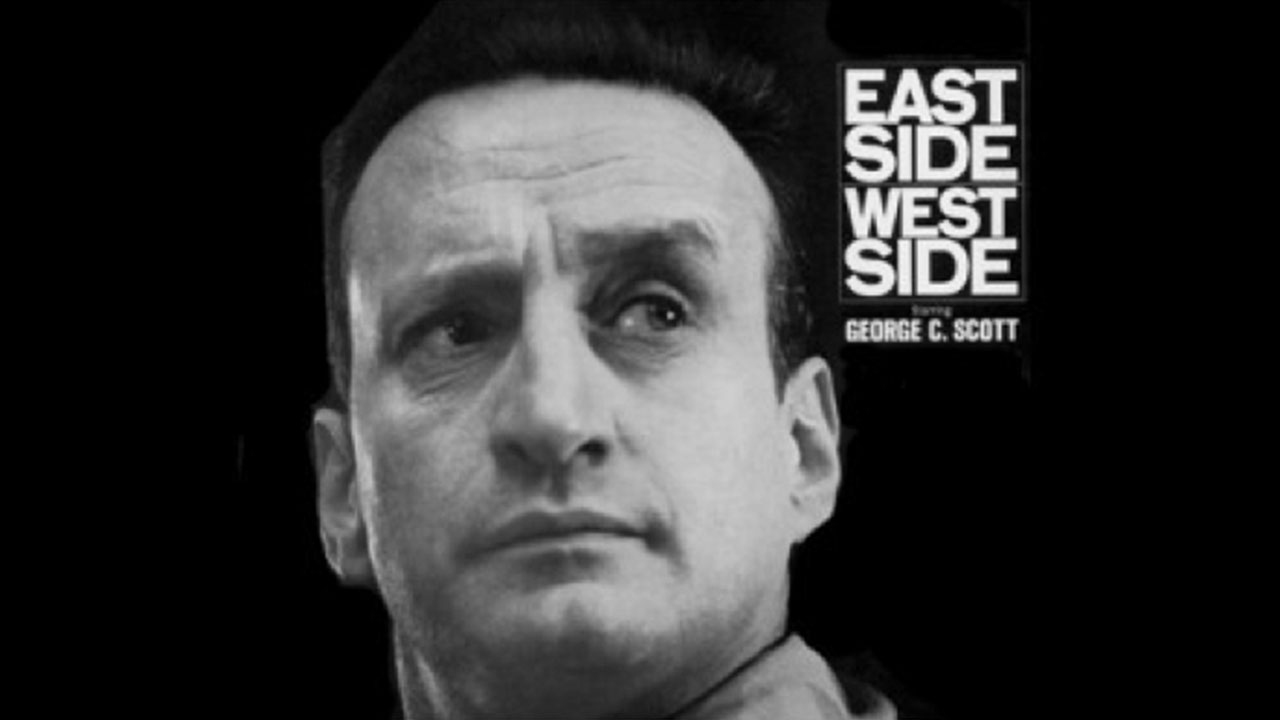
In the days when it was a piece of furniture, TV was both the dark mahogany stranger in the house and the loyal companion, both threatening and familiar, something that seemed to control and something that seemed to transport. The mistake people today make is assuming that television audiences of 50 years ago were more naïve than they are today.
In There Goes My Social Life Dash believes she can see outside herself because she has placed herself outside the mainstream of her racial group by being a conservative Republican. But this move has given her distance, not perspective.

Both the LeDoux and Inoki fights are mere footnotes on Muhammad Ali’s athletic resume. Yet Paul Levy’s biography of LeDoux, The Fighting Frenchman, and Josh Gross’s exhaustive account of Ali vs. Inoki, give readers another way of looking at fights that elevated their importance, if not for Ali, then for the men who opposed him in these bouts.