Editor Gerald Early on RAF-STL
Gerald Early, editor of The Common Reader, speaks with RAF-STL radio host Kathy Lawton Brown and the journal's inception, and its future.
Gerald Early, editor of The Common Reader, speaks with RAF-STL radio host Kathy Lawton Brown and the journal's inception, and its future.

A journey down the Mississippi River shows that our search for authenticity recedes forever. Like the horizon at the end of the mind, it is always just around the bend in the river.
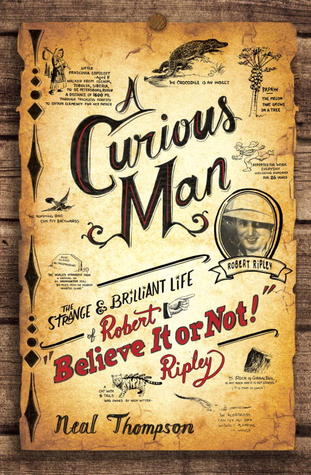
Like an amusement park, Believe It or Not was a cheap thrill but it also brought together a community of seekers who sought their faith through the excess of the unusual.
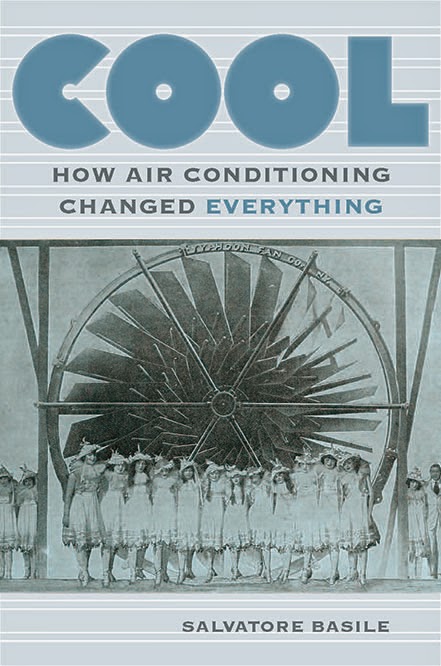
Americans were more fully aware that modern life, urban life in the late nineteenth century, made heat more unbearable than ever. As Salvatore Basile writes in Cool: How Air Conditioning Changed Everything: “America was realizing that a heat wave was much more unpleasant in cities than in rural areas: the larger the city, the more brick and stone and human bodies, the more hellishly hot it felt." A man-made heat was being created that could only be controlled, ultimately, by man-made cooling. Slowly, inchoately, but tenaciously, the quest for coolth had begun.
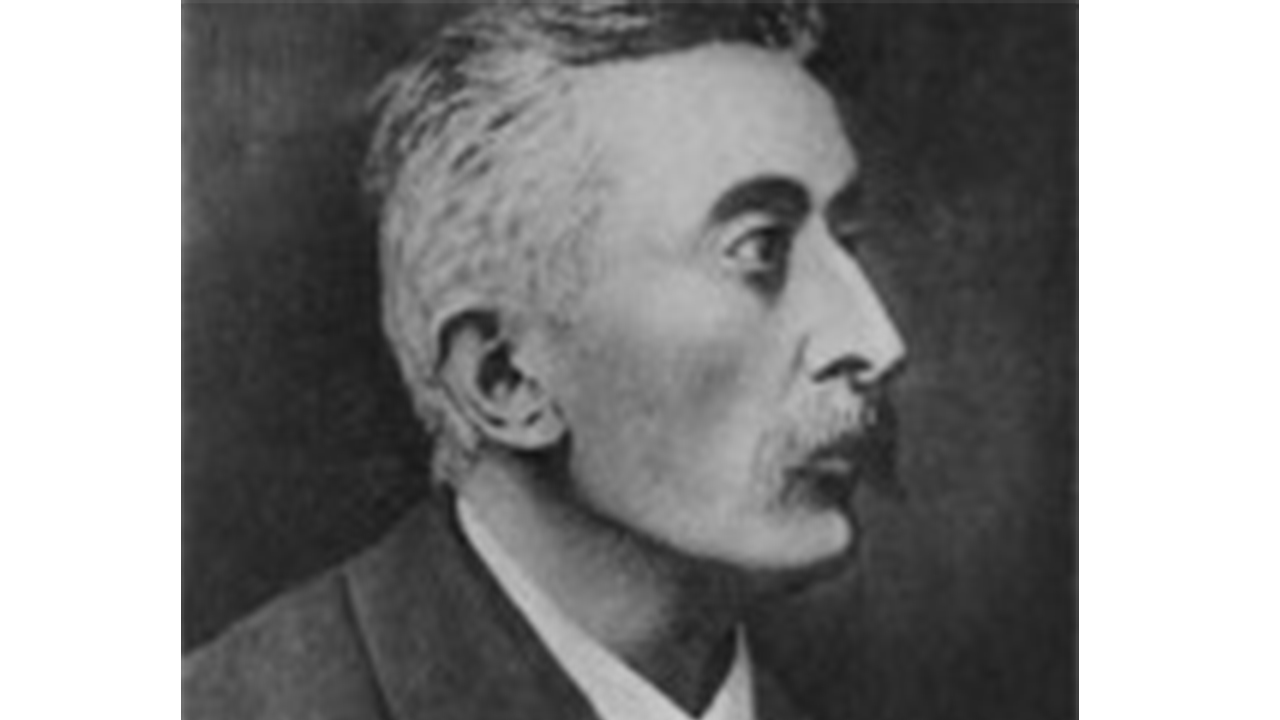
The Common Reader’s inaugural essay by Lafcadio Hearn, one of the most acclaimed journalists of the 19th century. Born 1850 in Lefkada, Greece, Hearn became most famous for his writings about Japan. Before that, however, he was a well-known New Orleans journalist.

Herbie Hancock's dazzling autobiography speaks not only to the artist inside the man, but the myriad doors he opened in the music world.

Emphasizing the need for food, the abuse of food, or the communal aspect of eating, somehow unlatches a secret, emotional spring of insecurity.
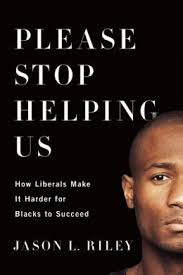
"Most blacks, without question, would rather be successful capitalists, however “exploitative” of land and labor, than wards in an egalitarian socialist state because, in the end, even members of a persecuted group, the dream is to have power, not justice. Or put another way, the acquisition of power becomes its own form of justice. The problem with Riley’s book is not its conservative message, but that the message is not sufficiently framed to appeal to black folk’s sense of racial destiny and pride. In short, it is insufficiently chauvinistic, less chauvinistic than the title promises."
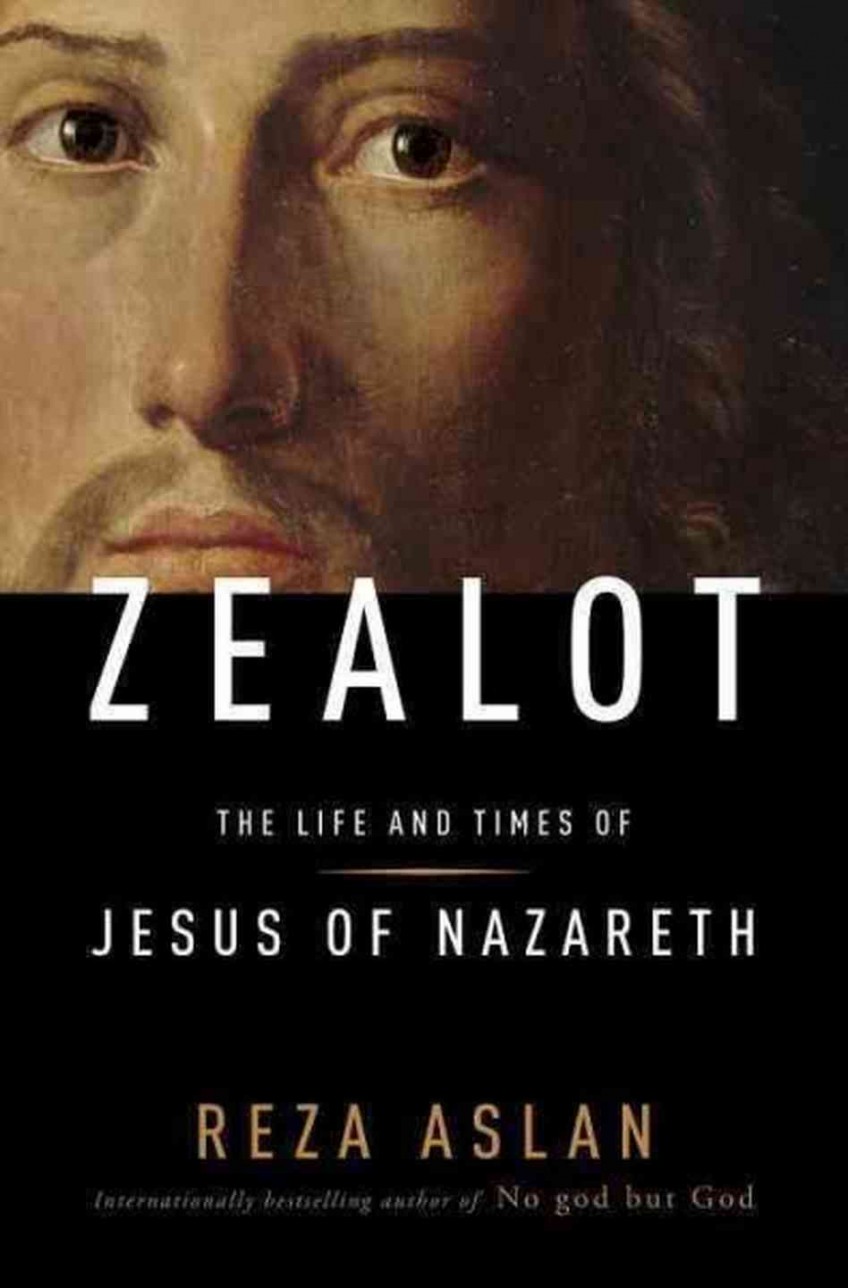
For some readers, this may be a new and exciting–even revolutionary!–perspective on the historical Jesus. Aslan certainly hopes so: he describes Zealot as the culmination of “two decades of rigorous academic research into the origins of Christianity.” For scholars, however, Aslan’s research is neither novel nor especially rigorous. It is clear that Aslan has indeed been fascinated by the historical Jesus since his teenage years, but he is not an academic specialist in the New Testament or in early Christianity, and he does himself a disservice by portraying himself as one.
Editor Gerald Early welcomes readers to The Common Reader, Washington University in St. Louis's new interdisciplinary journal, with a full menu of articles about issues of the day, and special events in the future.
Even before the Internet, and even before Goerge Orwell, Ambrose Bierce's classic The Devil's Dictionary taught us how to see through the veil of language to words' true meanings, which are always open to interpretation.
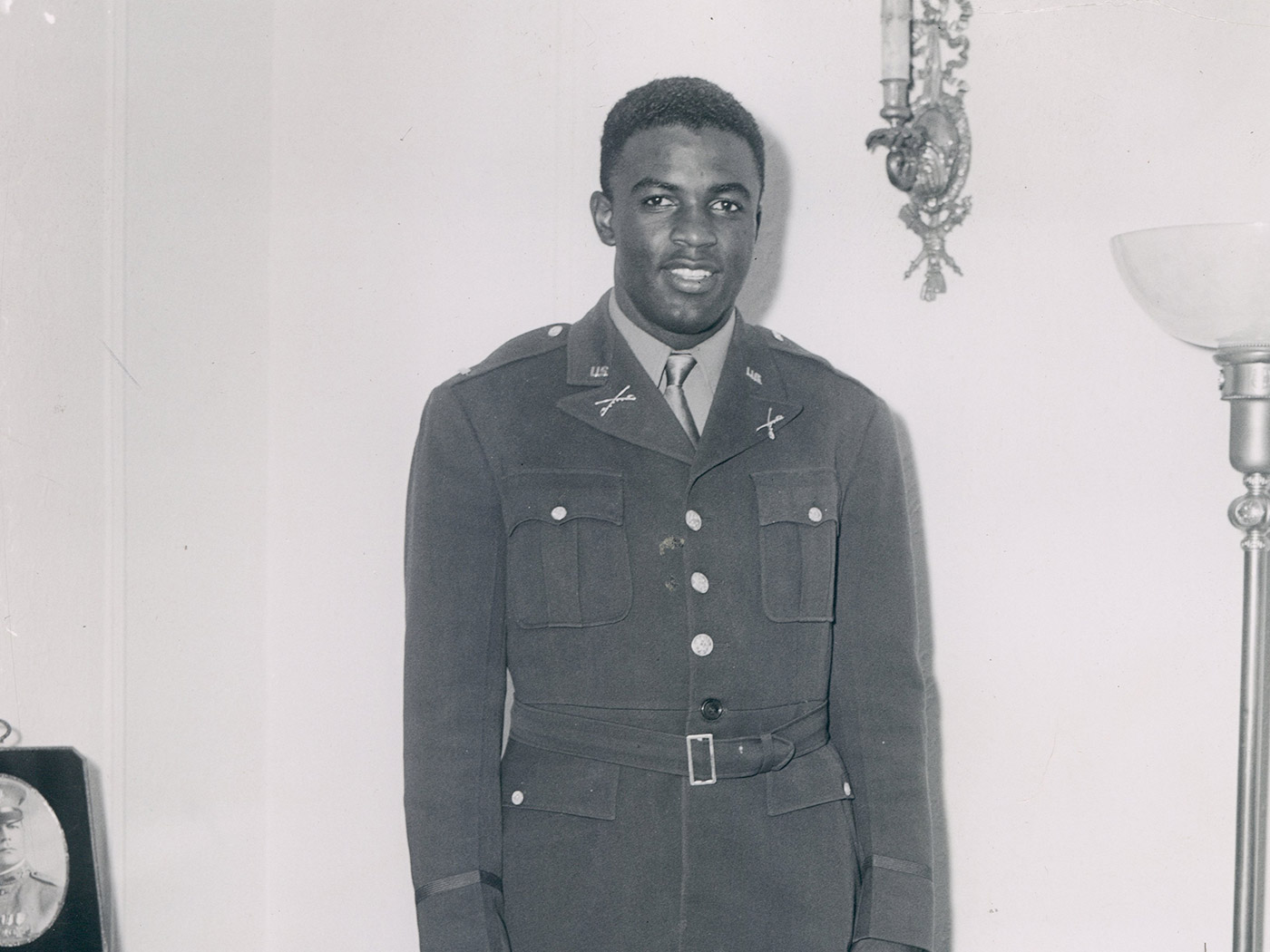
Jackie Robinson's famous 1944 court-martial revealed not just the hierarchy of power in language, but also the tension between the U.S. Army's efforts of integration and the ongoing struggle of black soldiers in their fight against Jim Crow.