Comics and Black America
Add race to the story of comics, and things get very interesting indeed.
July 30, 2021
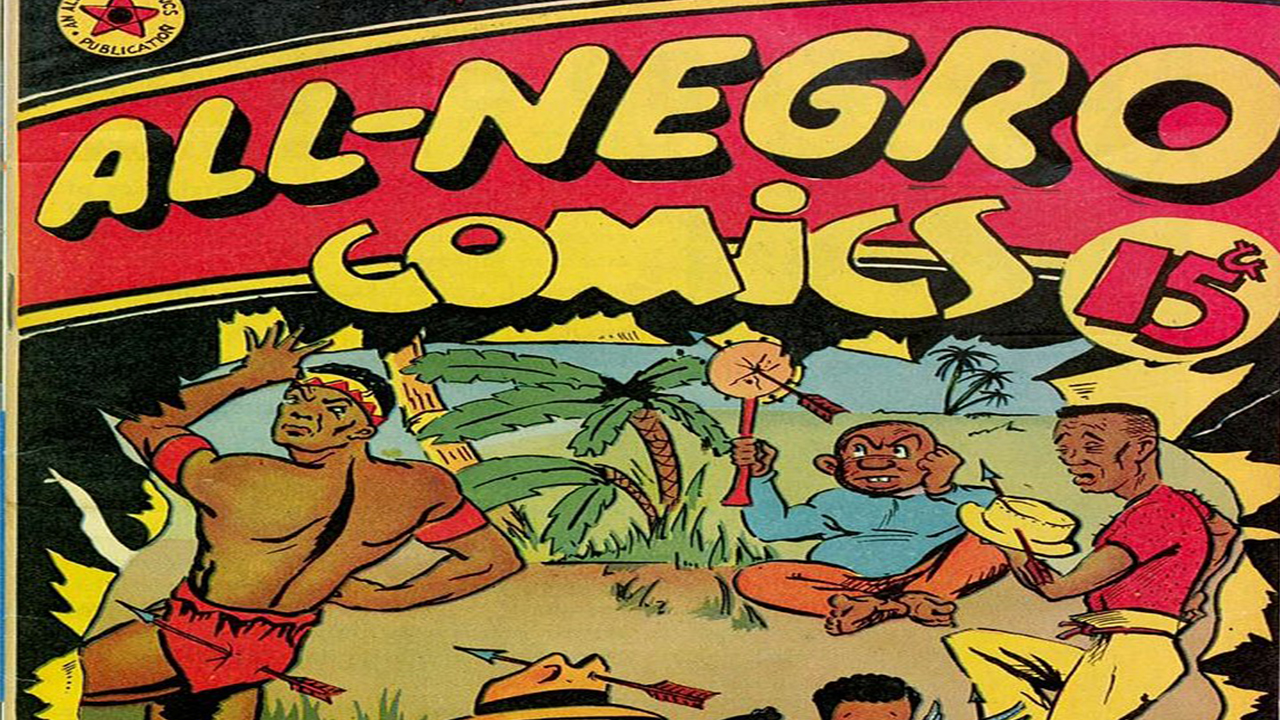
Add race to the story of comics, and things get very interesting indeed.
July 30, 2021
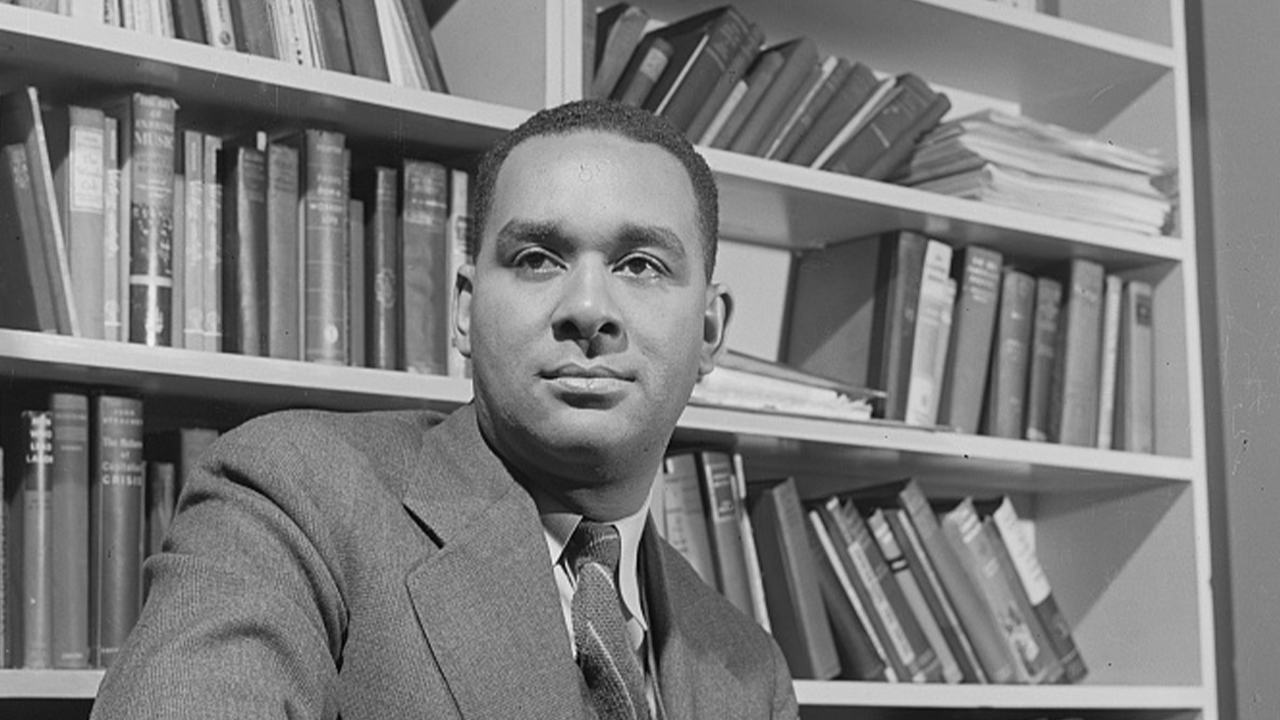
Richard Wright has in common with Thomas Hardy that the plots in his fiction are sometimes intricate to the point of distraction, and the events he depicts are often sensational, sometimes to a fault. His novels published after “Native Son” have much to recommend them. Still, “Native Son” and “Black Boy” stand as his most enduring achievements. They capture the isolation from mainstream society that is the reality of many young Black people, in the time of Wright’s youth and in our time.
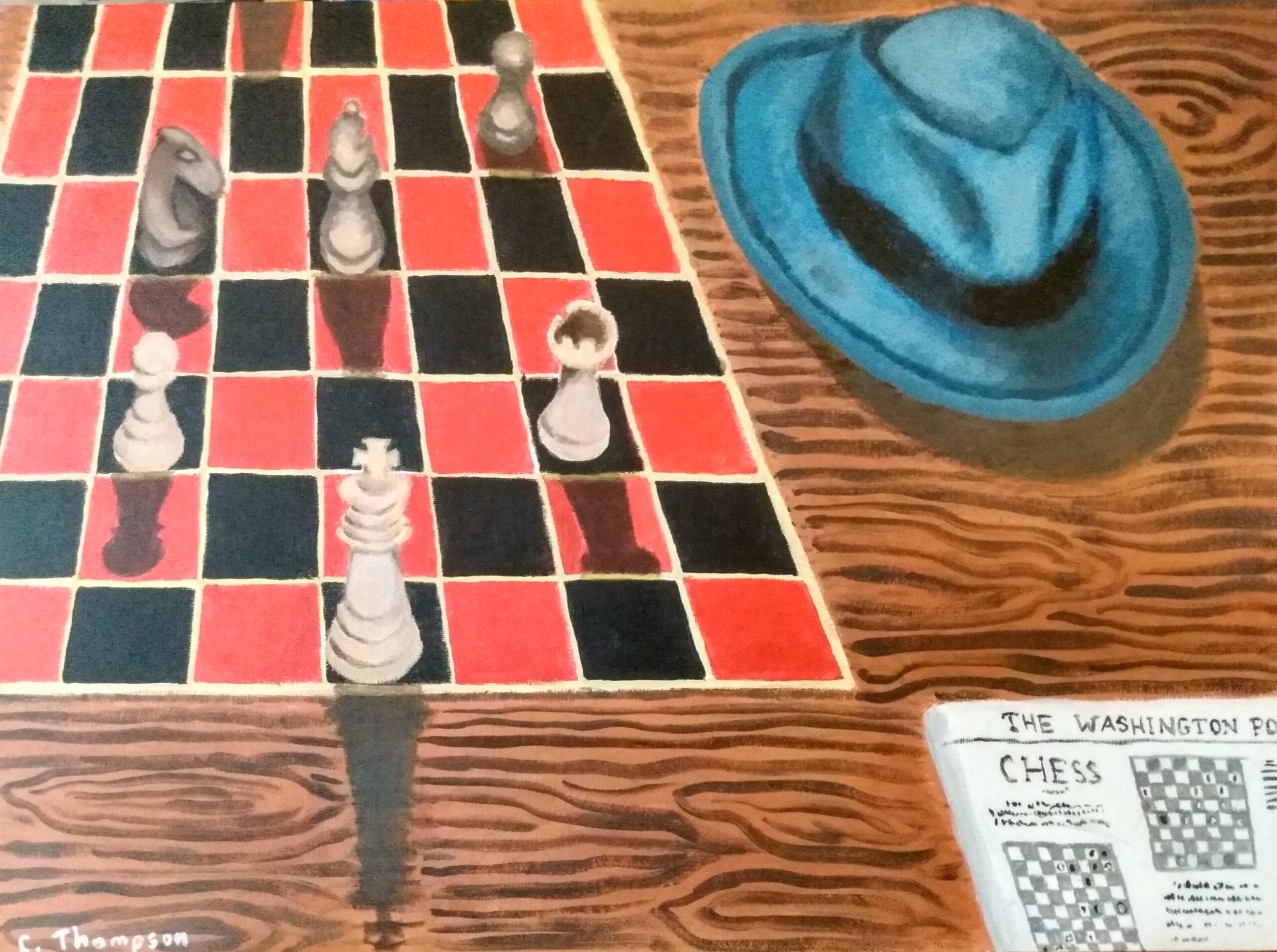
To become good at chess is to master skills that would allow one to succeed in a perfect world. And to lose sight of that world, to forget to dream of how things could be, is to lose a great deal, even if it is in this world that we will always be mired.
Who is winning the old nature-versus-nature debate? Which of these influencers has the upper hand? Are we mostly preprogrammed, acting out what has been inside us since Day One, or do we go in the direction life blows us?
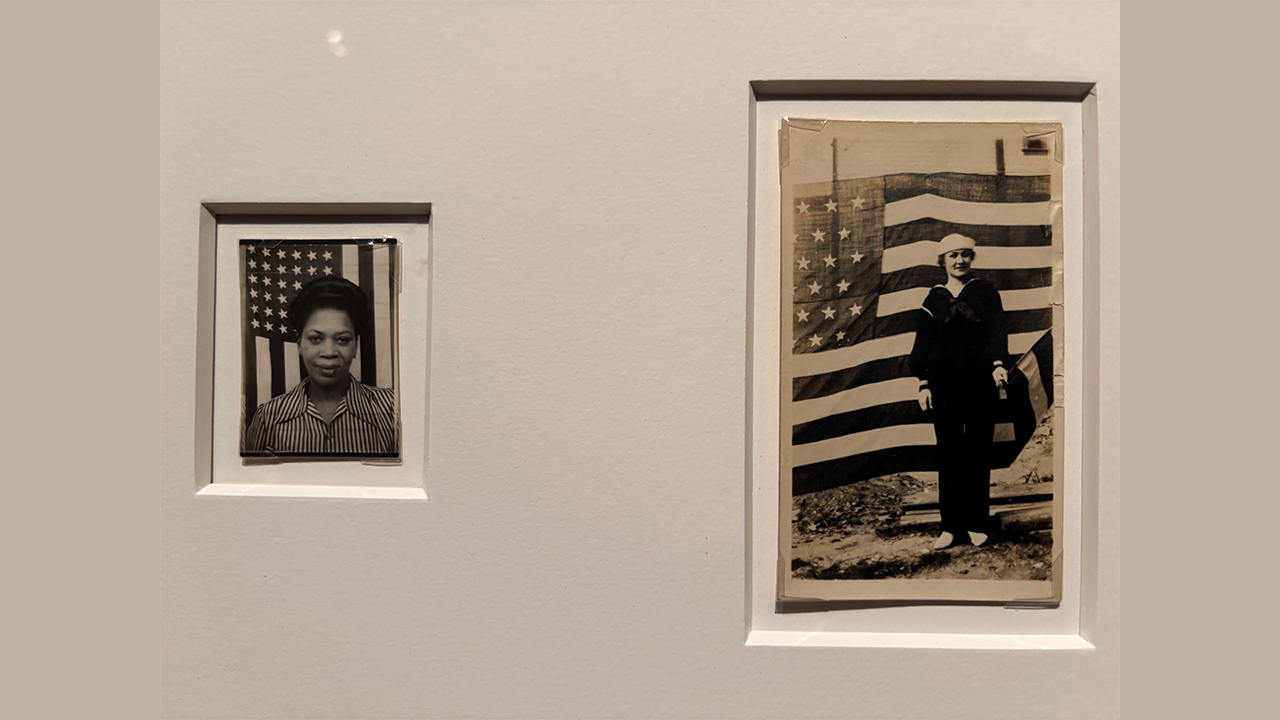
The untitled photograph is not merely a breach between memory and hope, but rather an invitation to inhabit that breach from a distance.
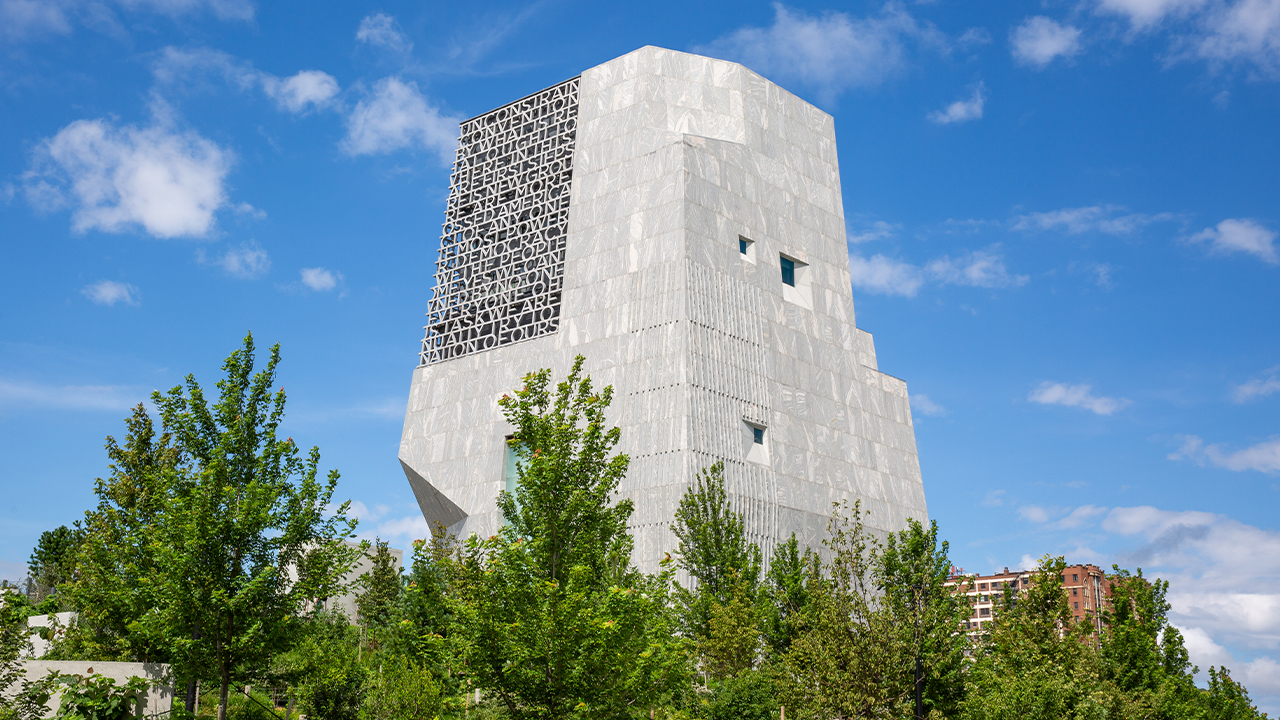
Can this controversial, privately funded $850 million center—dismissed by many as a vanity project, architectural folly, and dangerous precedent—really shore up democracy?
Richard Wright has in common with Thomas Hardy that the plots in his fiction are sometimes intricate to the point of distraction, and the events he depicts are often sensational, sometimes to a fault. His novels published after “Native Son” have much to recommend them. Still, “Native Son” and “Black Boy” stand as his most enduring achievements. They capture the isolation from mainstream society that is the reality of many young Black people, in the time of Wright’s youth and in our time.