Chekhov Had an Antidote to Our Chaos
October 18, 2026
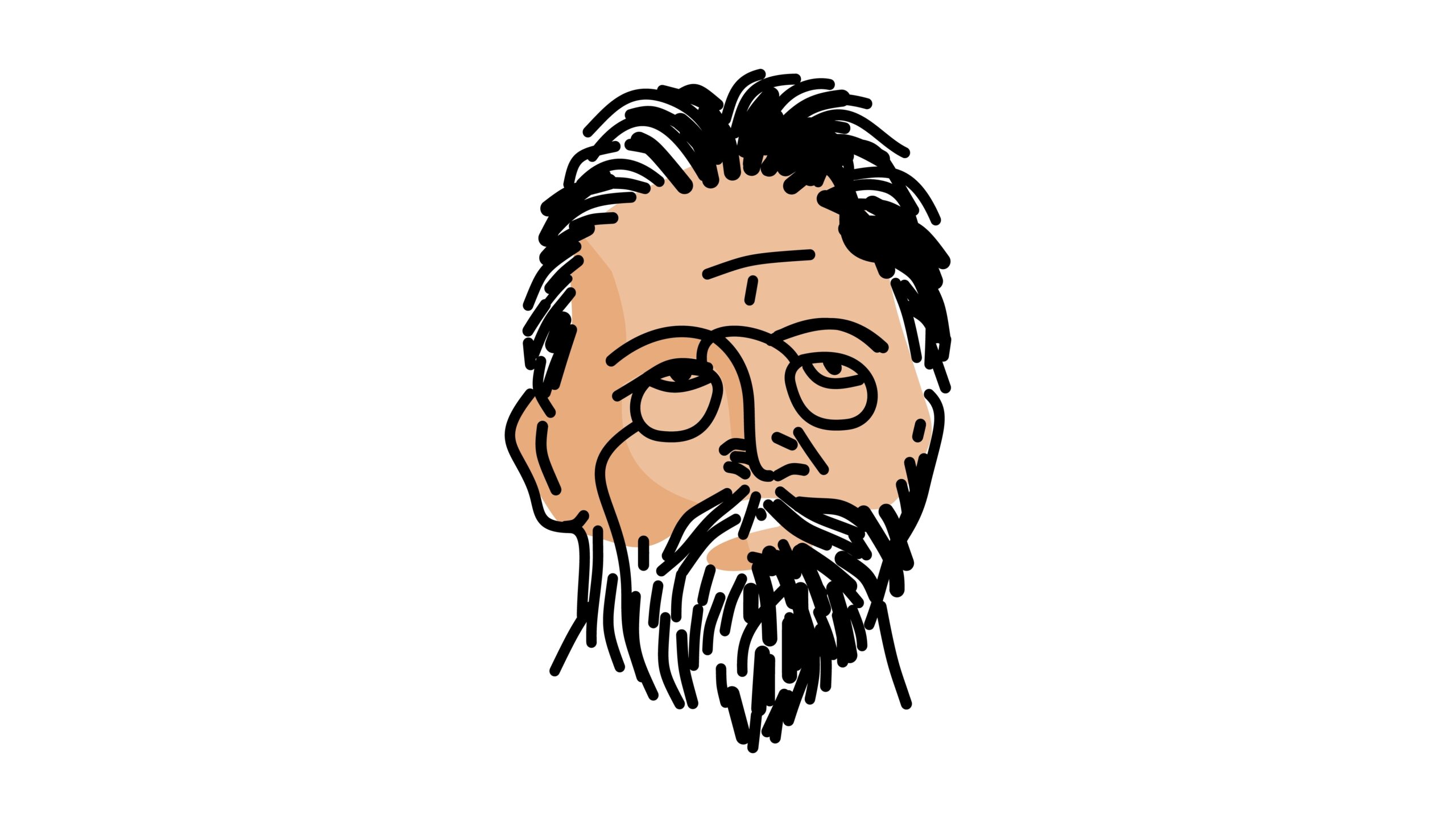
As the horrors mount—proposed streaming of an execution, gleeful violence, the slashing of civil rights and a free press—I worry that I am going numb. I have always coped by refusing to dwell on what I cannot control, but now virtually no one I trust can control any of it, and so much lies in peril. It all feels new and terrible.
It is terrible, but it is not new. Anton Chekhov worried about numbness, too, Siddhartha Mukherjee reminds us. He, too, was living in a time “suffused with moral and economic depravity. It was a society overrun by corruption, bribery, and nepotism. Censorship abounded. The news was frequently manipulated and false.” Political dissidents were silenced, and the elites walled themselves off from those struggling just to survive. Chekhov wanted to sensitize himself, because he sensed “a sort of stagnation in my soul.” An ennui, a disconnection, a spiritual deadness—the sort I feel when I flip past upsetting news, delete troubling headlines, ignore the guy holding up magic-markered cardboard at the traffic intersection.
But Chekhov, a physician like Mukherjee, had his own struggle, one that should have granted him license to ignore the world. He had started spitting blood at the age of twenty-four. At forty-four, the tuberculosis would take his life. In between, though, he came to realize that “beauty, in all its myriad forms, can only be created in opposition to numbness.” So he took himself to the penal colony on Sakhalin Island, a place where men hunted one another for sport, women were sold to be raped, and children were enslaved. Then he visited the site of a political massacre. He stood at the bedsides of the dying and bent close to hear their last words. He organized famine relief, volunteered in local government, funded and oversaw the building of schools, raised money for roads and services, and worked tirelessly to contain the cholera epidemic.
At dawn and late at night, he picked up his pen. In Chekhov’s Antidotes: Prescriptions for an Age of Unrest, Yuri Corrigan points out that Chekhov wrote “diagnostically, studying the ways of polarization, sectarianism, apathy, despair, and fanaticism that drive a society toward self-destruction.” The underlying disease, he concluded, was “the disturbingly partitioned quality of modern life that allows us to be both alarmingly near to intense pain while safely remote from it…. We are constantly numbing ourselves to the journey through hell.”
One way we numb is by giving up, deciding “that life is pointless and has no meaning, that everything is deceit and illusion.” Western culture had yet to conjure a sadistic experimental matrix, but the upshot was the same: life had no real purpose, so why care? Nihilism is a narcotic, powerfully addictive because it could cut off imagination and numb the ache of empathy.
And Chekhov’s antidote? “Behind the door of every happy person, there should be someone standing with a hammer and constantly reminding him with his knocking that there are unhappy people.” Why spread the misery, I have to wonder. But he does not want to kill our joy, Corrigan assures us. He wants to make happiness more resilient, less brittle, so it can encompass others’ unhappiness as well. There is no going back, and there is no point in trying to “alter the unalterable. We are now, more than ever, at every moment, irreversibly near to all the world’s pain.” It is our response to that pain that Chekhov wants to treat. Numbing ourselves wreaks havoc. Ignoring pain sends us toward cultural suicide.
What was his political stance? He shunned any label. “I am afraid of those people,” he wrote, “who want to see me as either liberal or conservative. I am neither liberal nor conservative nor gradualist nor monk nor indifferentist.” He knew what he loathed, though: dull-wittedness and tyranny. He knew what was sacred to him, too: “health, intelligence, talent, inspiration, love, and the most absolute freedom imaginable, freedom from violence and lies.”
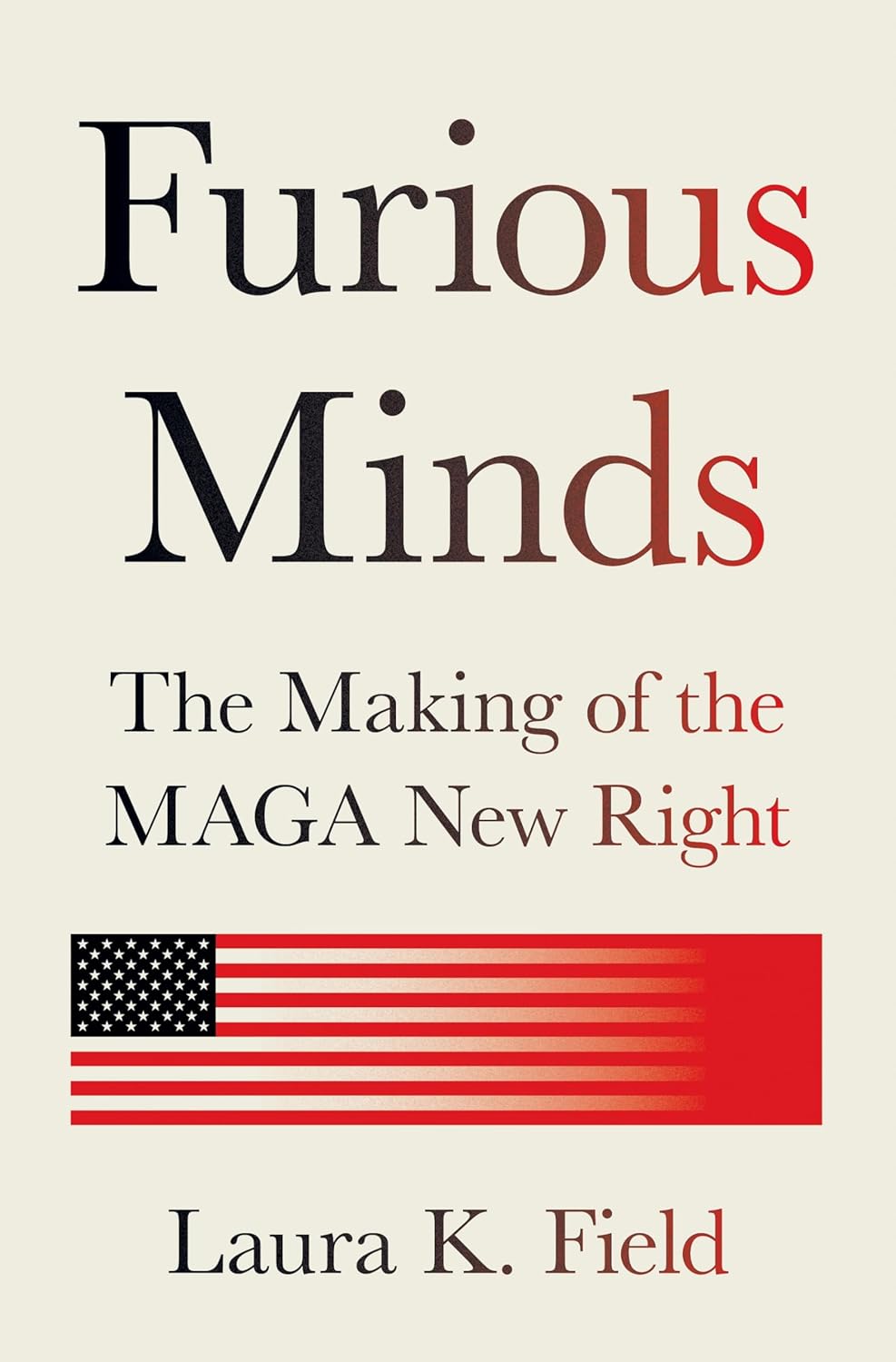
How do we free ourselves from violence and lies? By avoiding polarization, which creates a fury every bit as addictive as narcotic numbness. To demonstrate, Chekhov created characters who are possessed by ideology, quick to politicize, hypnotized by their own rightness, and caught in a clash between opposing certainties. In “At a Country House,” for example, Rashevich would begin every conversation “softly, affectionately, with good intentions, calling himself an old student, an idealist, a Don Quixote, but imperceptibly, little by little, he would turn to abuse and slander.” We call this polemical rage “the culture wars,” or “MAGA versus the Libs.” But ideologues of any sort have stopped thinking for themselves, Chekhov says, and “nothing is left but to discover some deep social current and float wherever it takes them.” The antidote to that is “the nurturing of a precarious and vulnerable form of hospitality, the attempt to anchor oneself, however imperfectly, in the mind of another person.”
In “Modern Fiction,” Virginia Woolf relishes Chekhov’s indifference to externals, his reflection instead on what could heal the soul. He acknowledged our loneliness—and refused to separate humor from pathos. He abhorred writerly tricks and happily-ever-after endings. And he was deeply realistic. He knew there was no way to bring opposing beliefs and values into harmony. All he wanted to do, Corrigan writes, was “hold them together, awkwardly and exhaustingly, striving, against the grain, for some kind of mutual permeation to occur.” Hold back the chaos, in other words, and allow as much human flourishing as possible.
This sounds like the wisdom of a man who knew his own time was limited. The TB diagnosis made it easier for him to see that his society was also diseased, maybe even dying. Political virtue would come with intellectual discomfort. Not smoothing over, but gently pressing the broken edges together, trying to salvage what our numbness is destroying.