
Different Styles in Business Management
Nobody should want to run a business like the lighter factory, with its puny, per-unit profit scheme. No American company would even try to do what the Chinese do, by hyper-control of their people.
Nobody should want to run a business like the lighter factory, with its puny, per-unit profit scheme. No American company would even try to do what the Chinese do, by hyper-control of their people.

“It turns out that the one who destroys—at least in this case—doesn’t believe in anything but himself."

Risk in romance is friction with the potential of reward. Being alone is the friction of no prospect of reward whatsoever.
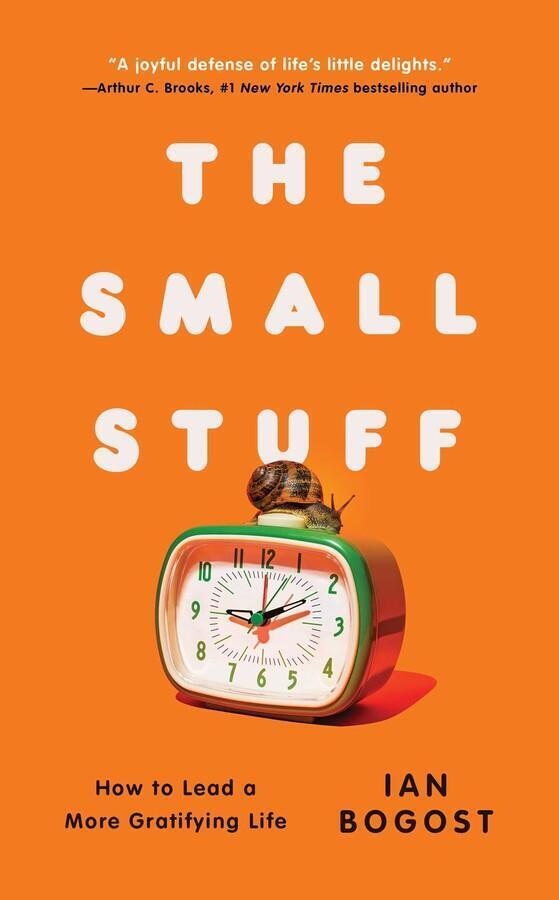
Ian Bogost reminds us that we are not yet disembodied—and can fight the trend.

What could class mean now in America, where populists decry education as brainwashing, influencers look rich in things and lifestyles, and oligarchs spend their time pasting fool’s-gold to everything instead of governing for the benefit of the people?

There is no arguing against winning and success, which invariably feels great. The problem with winning is that it is nowhere near as interesting as failure. It sounds just like the loser to complain that winning is “boring,” in that it prompts no reflection or analysis. But that complaint also rings true.

The best thing about writing for oneself is that you always own your own work and can do exactly as you like with it.

I am not a collector of sports memorabilia, but I did collect a box of David Eckstein cereal, EcksO’s, and I have a feeling that, on July 12, I will possess a David Eckstein bobblehead doll as well. Play ball!

Why has clothing gotten less practical, less sustainable, and less comfortable?
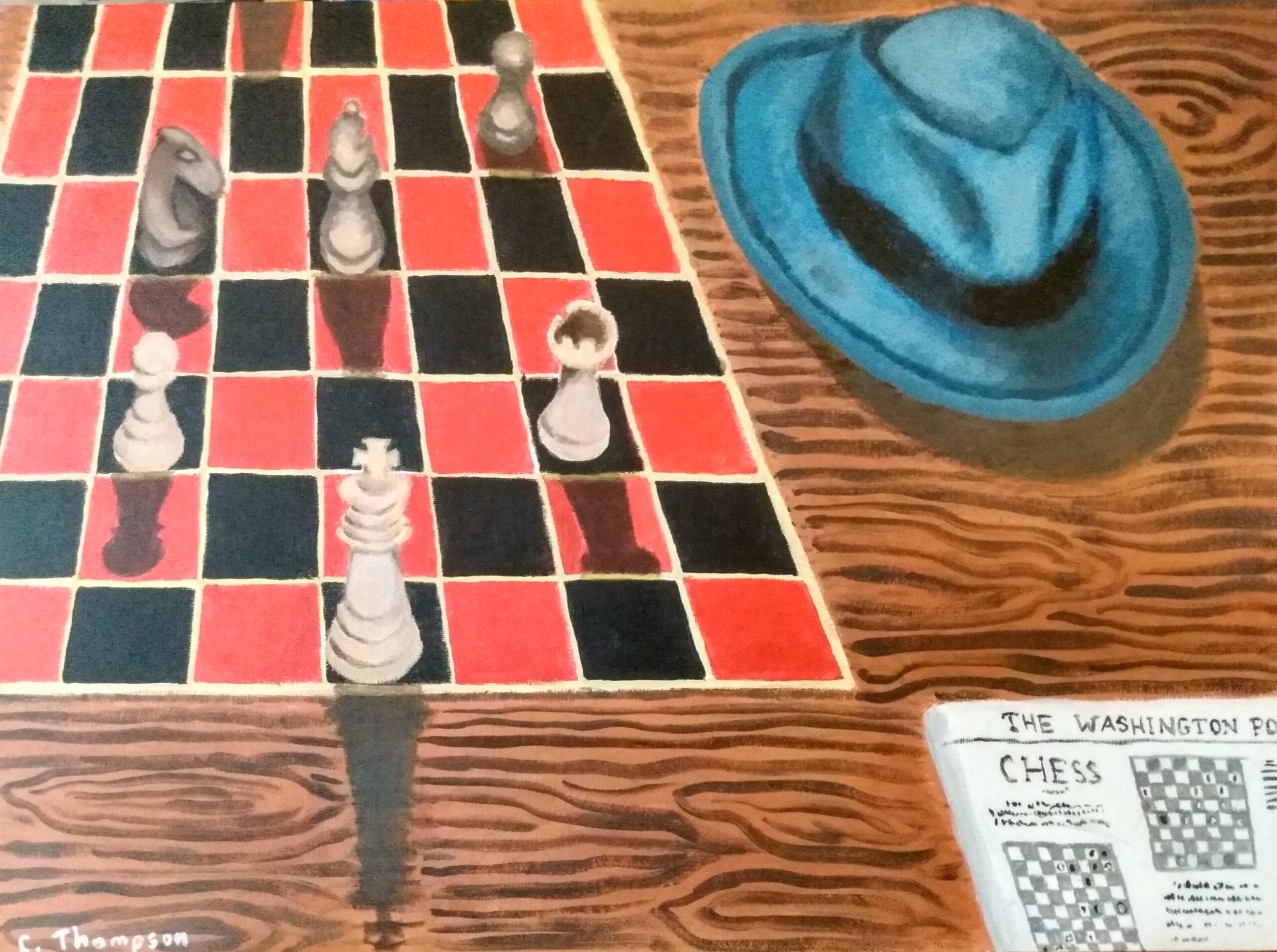
To become good at chess is to master skills that would allow one to succeed in a perfect world. And to lose sight of that world, to forget to dream of how things could be, is to lose a great deal, even if it is in this world that we will always be mired.