How Nineteenth-Century French-American Literature Tackled Race and Slavery

Favorites of the Gods is a solid collection of short fiction from Louisiana’s Creoles of color written during the most chaotic and perilous decades of the nineteenth century. This collection gives contemporary readers access to these short stories for the first time in English.

Kennedy the Stylist Versus Nixon the Grinder

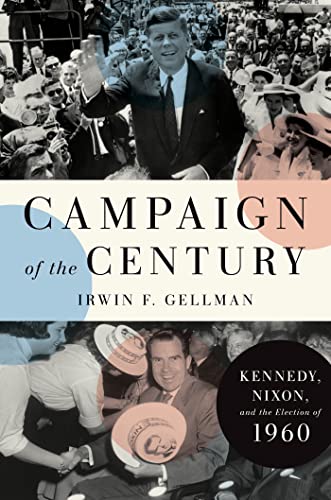
To Irwin F. Gellman, Nixon deserved higher marks for the operation and substance of his campaign. He sees Kennedy as more expedient as well as superficially more attractive. However, somehow, this volume does not capture the excitement of a very close contest nor how each candidate tried to increase his support.

Kurt Vonnegut Was Disgusted with Civilization (but Not Indiana)

A “Year of Vonnegut” was declared in Indy in 2007, but that was deflated by his death that year. Given the centenary, it seemed as if there should be more going on, and that got me thinking about legacy from the start.

As Good as “Dead”?

Euphemisms let us dart away, pretend, avoid that absence the way we pull back from touching someone who frightens us or might be contagious. We are good at distancing death.

Missouri News in the 1870s: How People Died

There was no privacy between the 1860s and 1880s; one learned from the newspaper exactly what ailed one’s neighbors.

Missouri News in the 1870s: Race and Social Issues

What was not reported about anyone Black? Social events, trophies and feats, business news, births, deaths, marriages… Pretty much any news except crime.

Missouri in the 1870s: How People Lived

Fairness was demanded, compassion urged. No one worried about HIPPA. Nor did the news need to be momentous.

Missouri in the 1870s: Marriage and Its Scandals

Marriage in 1870s-era Missouri was a competitive but disorganized sport, each ceremony removing a potential rival from the fray.

Black History Month Note No. 2

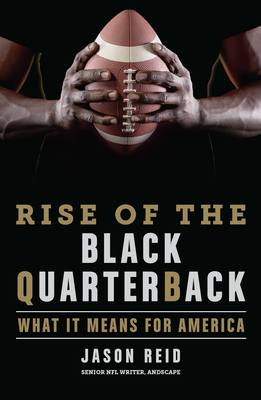
Rise of the Black Quarterback is a fascinating book, with tales of hope and heartbreak, and men determined to give it their all to achieve their dream and, for many years, not being given a fair chance even to try.

Thoreau’s Quiet Quitting

In “Henry at Work: Thoreau on Making a Living,” John Kaag and Jonathan Van Belle note that Thoreau was hardly a slacker. “What is leisure but opportunity for more complete and entire action?” he asked. By walking four or six hours and thinking as he went, he managed to write several thousand words a day.

Skip to content