How Color Left Nature Behind
Our sensual imagination has gone abstract, need-based, overclever, and devoid of substance.
Our sensual imagination has gone abstract, need-based, overclever, and devoid of substance.
Children grow up, go to school, get jobs, may have their own families, and at some point usually stop getting gifts from magical beings. But it is not that the magic does not exist. It is that the children themselves have become part of the great, benevolent cartel of nurturers of warmth and plenty.
Thinking, Fast and Slow is, in part, an extended lesson in humility. It should humble us all to understand how limited we are. Kahneman’s book is also, fortunately for us, a potent antidote.
Professional landscapers haul in huge loads. And a shrugging “More compost for us!” is not fair to the folks who have to wrangle all that detritus, grinding a tangle of branches into mulch for our gardens. Still, the taped loop feels eerie.
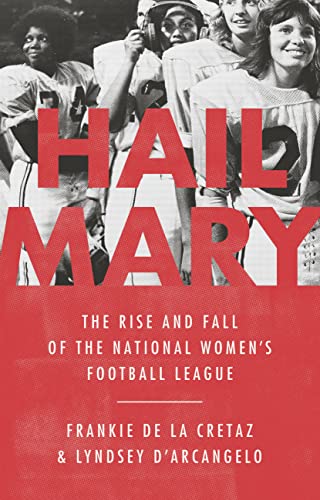
At this moment, it feels more necessary than ever for fans and scholars of the game to draw longer lineages of women’s participation in football, a contribution that Frankie De La Cretaz and Lyndsey D’Archangelo offer in Hail Mary: The Rise and Fall of the National Women’s Football League.

Hollis not only documents the history of the poem’s production and this moment in time–he allows himself, for better and for worse, to get swept up in the drama.

Nature is an inexplicable problem; it exists on a principle of destruction. Every being must be the tireless instrument of death to others, or itself must cease to live, yet nonetheless we celebrate the day of our birth, and we praise God for having entered such a world.

Silences that close us off, refusing connection, shoring up the ego at others’ expense—those are dead silences. But the letting-go sort, the silences that hold space or keep vigil for someone else? They are alive.
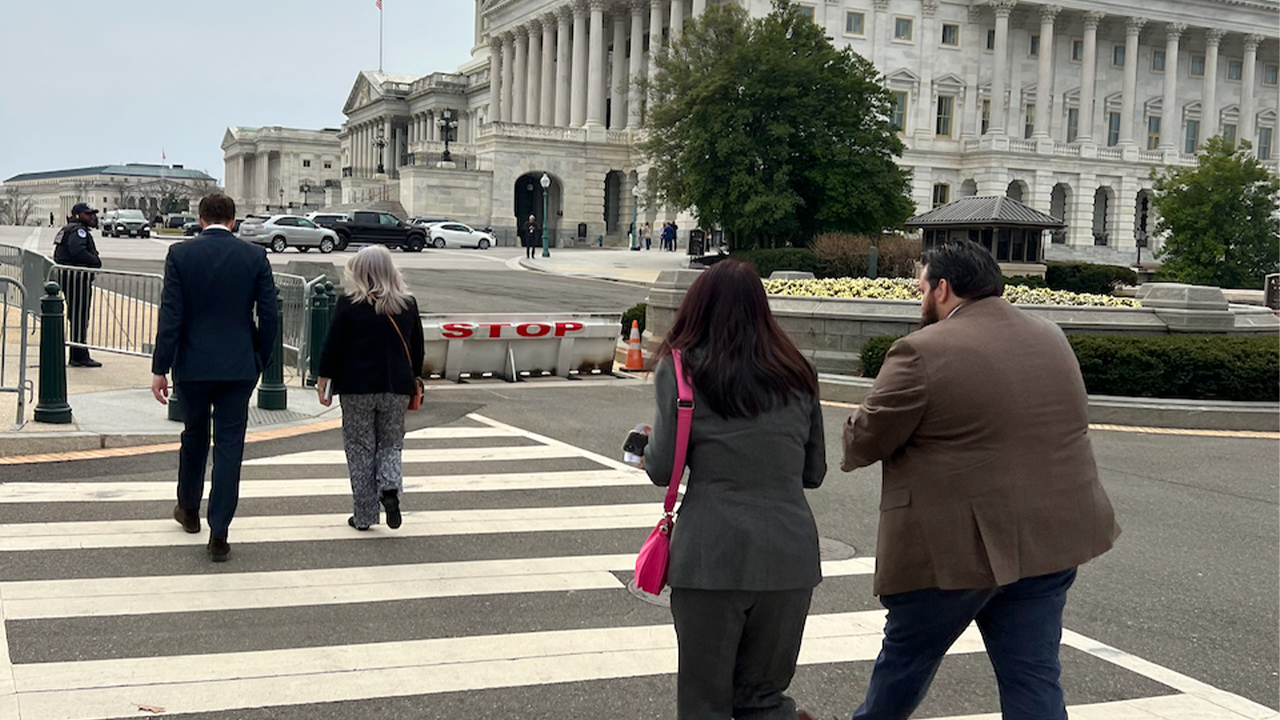
The word “stories” was used often at the annual NABIP Capitol Conference, held in the Hyatt Regency Capitol Hill, Washington, DC, February 25-28, 2024. I went because I have my own stories of frustration with health care, and because I am interested when someone seems ready to try to make things better in the largely incomprehensible and vaguely menacing system we all rely on.
Mike Mills told Carl Marsh he did not want trite symphonic embellishments of R.E.M. melodies—he wanted new music for orchestra with R.E.M. songs encoded somewhere within them.