“They’ll Pass You By, Glory Days”
September 20, 2026
“Sorry to sound nostalgic,” a friend apologized, about to mention something that had changed for the worse. I shrugged. After hearing MAGA devotees long unabashedly for a time when half this country was either drugged on Valium or barred from polite society, I, too, was wary of nostalgia.
At least, I thought I was. Then, for an unrelated reason, I had to scroll through past columns.
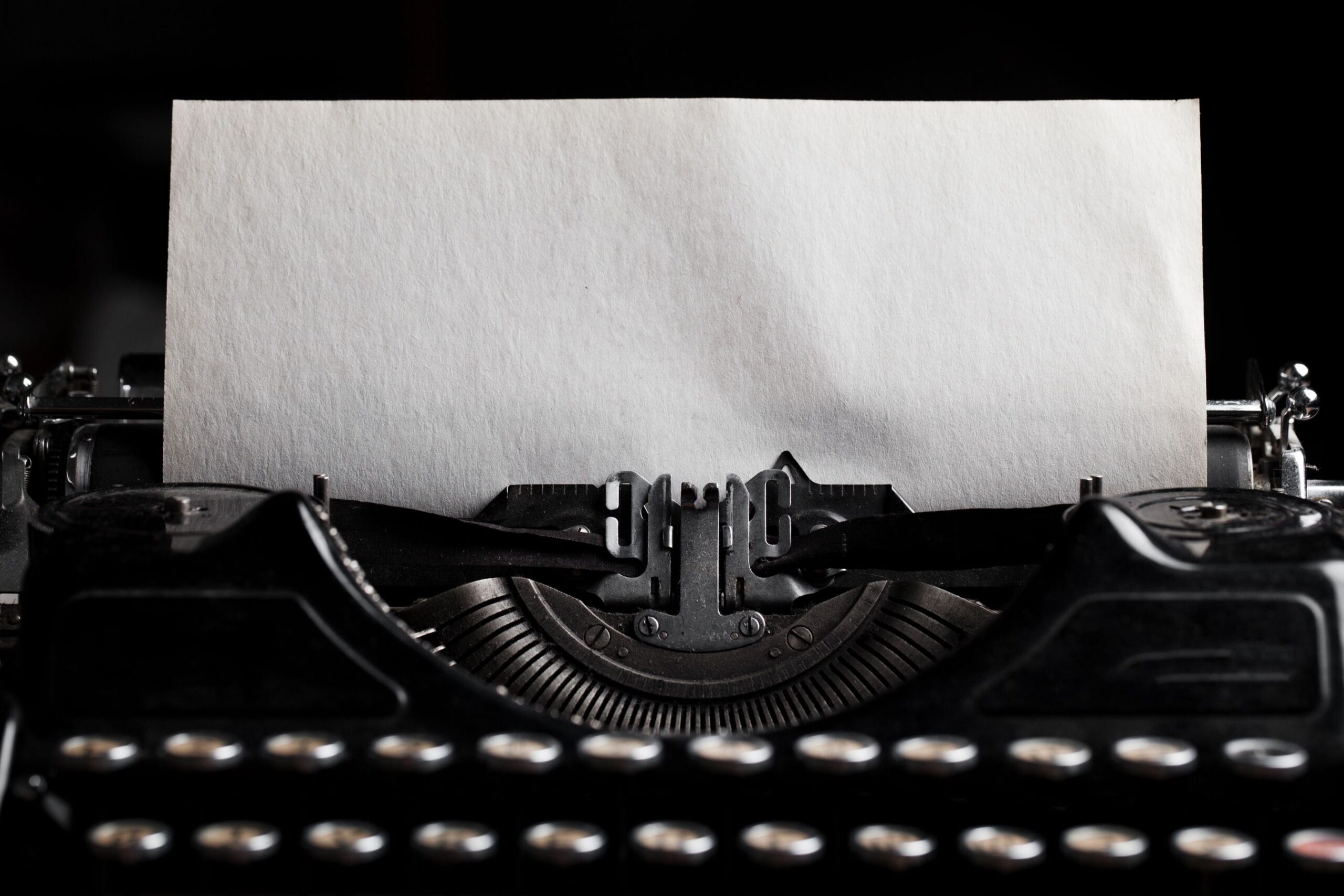
“An Elegy for the Literary Lunch.” “Kodachrome.” “Jammed Keys” (typewriter, of course). Pieces about why clothes are less elegant and less comfortable now, why food is less healthy, why swing rhythms were so danceable, why the New Yorker cartoons used to be funnier, why shopping was delightful when you could touch the fabric, try on ten dresses, and recover over lunch. Some of the losses I had categorized were harmless, just sweet memories to savor. Others had stolen a bit of peace or health or connection from all of us.
Clearly, MAGA does not have a lock on nostalgia. I especially miss the energy and idealism of the civil rights era, even though I was a clueless child at the time. I miss the days when strangers struck up quick conversations instead of passing each other plugged up with earbuds. I miss hardware stores where an old guy took an hour to give you solid advice. So, sure, I act jaded, but how can you live six decades and not understand nostalgia?
Change, by its very nature, destroys what came before. Admitting that you miss it honors what was lost. Or it reminds us to reintroduce something good that vanished unnecessarily, slipping through efficiency’s cracks because no one took the trouble to reintegrate it.
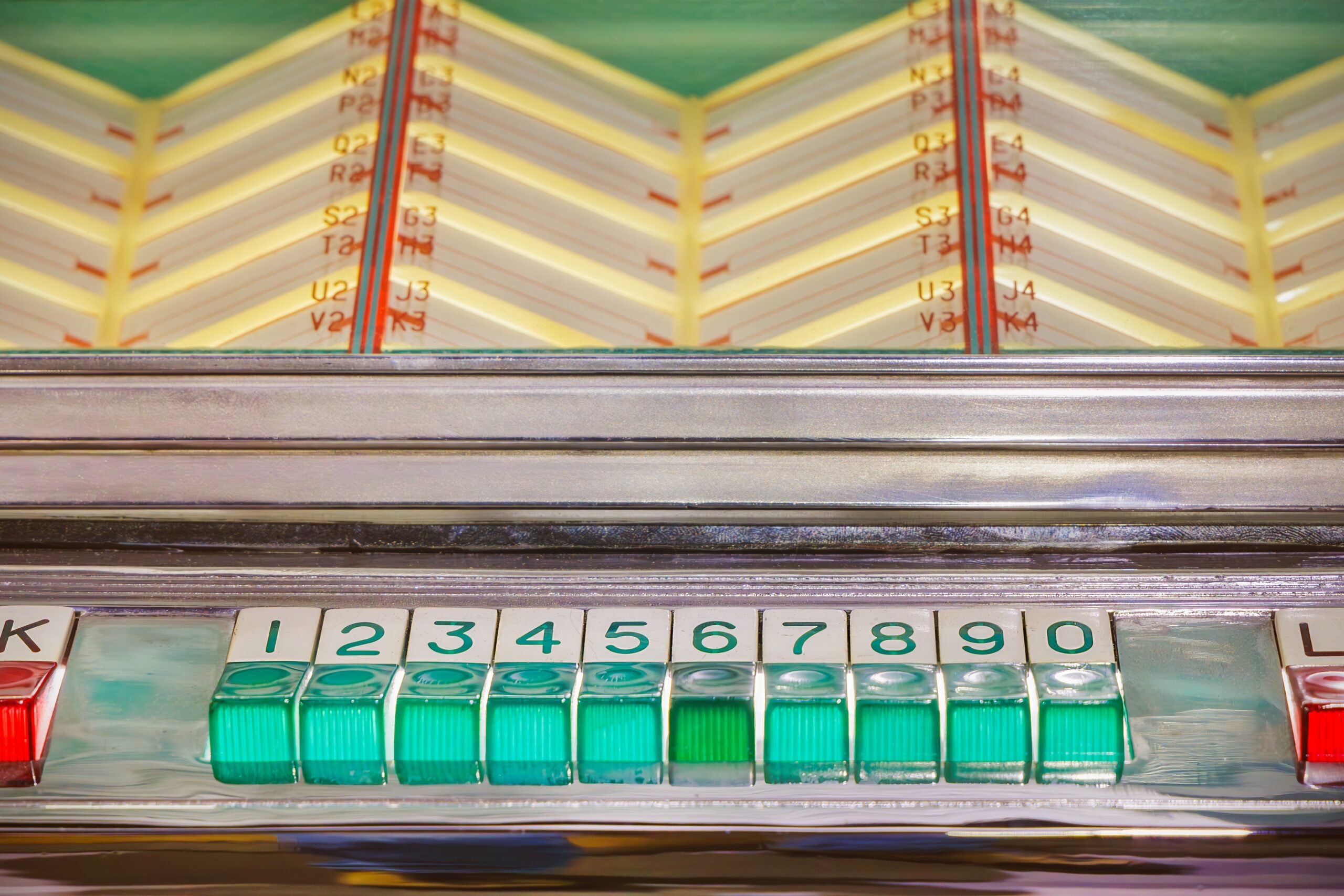
The Portuguese have a word, saudade, for the melancholy that steals over us when we are longing for someone or something that has been lost. They did take our Kodachrome away. And our turntables, and our brass-belled wind-up alarm clocks. It feels healthy to be specific, and honest, about these yearnings. That makes sure the nostalgia is not really a lie—or a condition that was only possible if someone else suffered. We are still in danger, though, of making a collage of all our beloved objects and customs and forgetting why they mattered.
“Nostalgia is in,” announces the New Yorker, “but not for any one decade in particular; it’s more of a hodgepodge of twentieth-century fads all heaped on top of one another, creating a messy smashburger of historical reference.” Why such a jumble? Because they are all available to us, cut free of their decade and floating on the internet. “We are living, as the critic George W.S. Trow once wrote, within ‘the context of no-context,’ where everything we consume is so mediated and remixed that it has been flattened into a vague pancake of yearning for a bygone time.” Vague, in that the yearning is wildly uninformed. “Few consumers know why they want to wear ballet flats again, or even the origins of ballet flats in the first place.”
This is what happens when you feel wistful for a time that, in retrospect, looks calmer, more orderly, more confident, more affluent. A time in which you are sure you would have “done” better, had a higher social footing and a happier life, one in which everyone around you had goddamned better obey the same norms. Even I, appalled by the desire to flip the calendar back seven decades, watch midcentury movies and envy that time’s simplicity.
I forget it was the aesthetic that was simple; directors had not yet figured out, technically or artistically, how to complicate the story.
And so, whenever that sickly-sweet yearning comes over us, it needs to be tested with the acid of truth. Was White supremacy really that great, even for White people? Were we more deeply communitarian when we all laughed at the same shows? Do I really want to use carbon paper and Wite-out again, or trudge around a mall?
Pleasures that used to be a given now require hard work, but that does not mean they are gone. You just have to get more creative, if you want to find elegance on a shoestring budget or healthy food that does not require a mortgage. There are so many choices, it feels as though you have to search harder for cartoons you find funny, books and films you adore. But maybe the bar is higher because you have more choices?
Nostalgia can delude us, narrow our thinking, crowd out hope. A friend less than half my age recently announced that he refuses to “wallow in other people’s nostalgia,” because he is bent on becoming a journalist even in a time increasingly indifferent to well-wrought sentences of human origin. He does not need to hear how gratifying it was to break news, back when people read a daily paper cover to cover, or how “getting clicks” and “going viral” are somehow not the same.
Except, maybe he does need to hear it. Maybe we all need to understand what others long for, and why. I am sure that for many people, making America great again does not need to hinge on White supremacy or heterosexual norms. Those were just ways to feel comfortable in the world, secure, sure that you were following the right rules and that doors would open to you.
There are other ways to reach comfort.
Last evening, I walked the dog past our town’s old, still working but never used pay phone. It rang! A thrill lit my nerves, and I reached inside for the clunky handset and said, almost breathlessly, “Hello?”
No one replied.
Why the past chose that moment to ring, I have no idea. But answering took me to nostalgia’s inevitable finish. These objects are no longer in general use; the times and moments we long for are over. And that is fine. Maybe what I really want when I long for a pay phone is a way to be cozily private in public. Maybe my nostalgia is really a longing for the sense of possibility that marked my younger years. Or for a predictable, understandable world. Or for more social connection; more attention paid to beauty and elegance and kindness; more respect for difference.
In “The Weight of Glory,” C.S. Lewis writes about nostalgia as a “desire for our own far off country.” We want to live in a world of our own choosing, want this so badly it hurts. So we take revenge on that secret desire by tagging our yearnings “nostalgia” or “romanticism.” But often we are taking our own wistfulness too literally. We have been seduced by “a desire for something that has never actually appeared in our experience.”
Wordsworth longed for beauty and found a way “to identify it with certain moments in his own past,” continues Lewis. “But all this is a cheat. If Wordsworth had gone back to those moments in the past, he would not have found the thing itself, but only the reminder of it; what he remembered would turn out to be itself a remembering.”
When we reach for something in the past, we are really reaching for ourselves. For the life we want now. If I mistake chatting about the same sitcom for camaraderie, or confuse my dust-caked old Royal typewriter with the ability to bang out gorgeous sentences, then I have lost touch with reality. Because the qualities I miss are in fact timeless, perfectly capable of enduring change. As long as we realize that, we can find ways to keep them alive.